
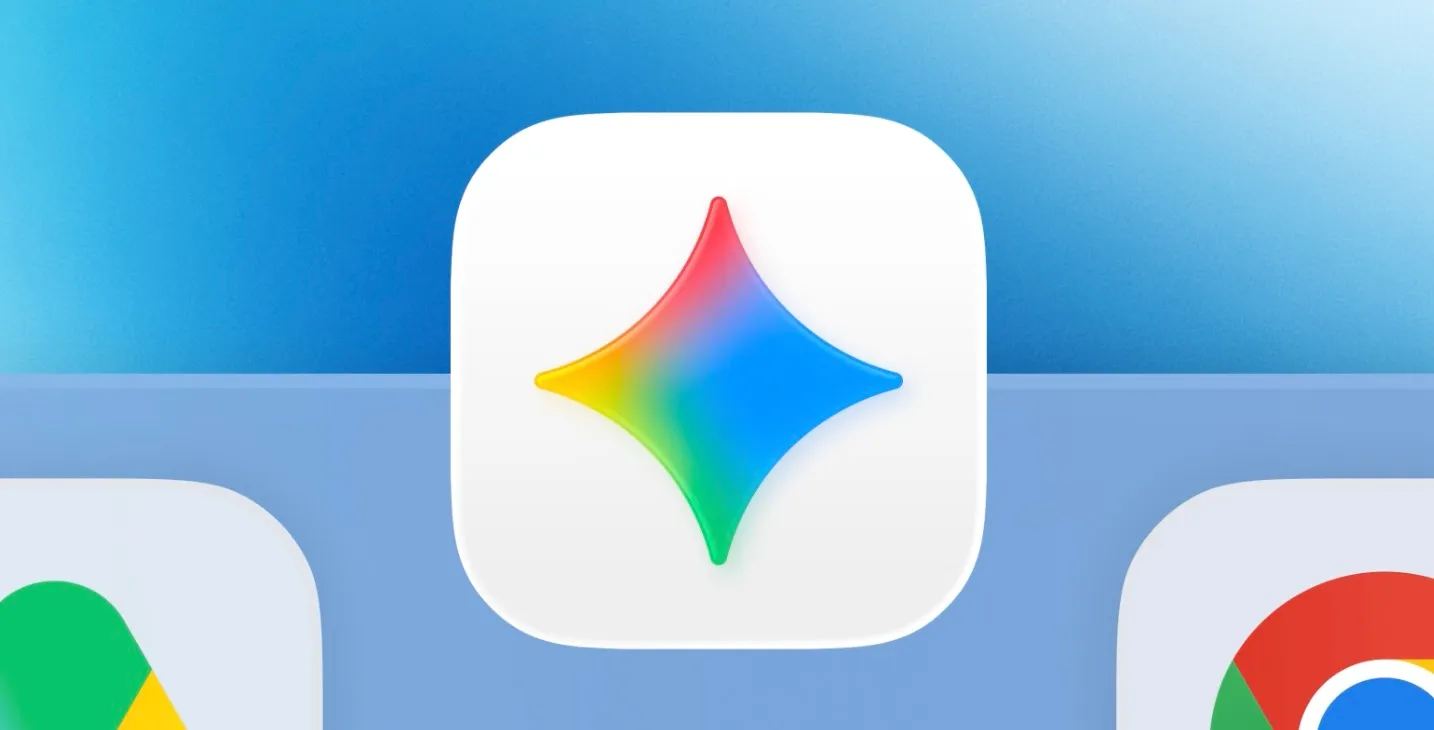
Gemini Spark, Google’s agentic AI assistant designed to manage elements of digital workflows, has arrived on Mac computers through an update to the existing Gemini desktop application. The rollout, announced on July 1, 2026, brings several practical enhancements, including real-time topic monitoring and deeper connections to productivity and third-party tools.
The macOS version positions Spark as a more capable desktop participant alongside established AI agents such as Anthropic’s Claude Desktop and Microsoft’s Copilot. It can interact directly with local files, organize documents, and generate new Google Workspace files from existing content. A practical example includes converting scattered invoices into a structured budgeting spreadsheet. Future updates promise multi-step task delegation between mobile and desktop instances, allowing a phone-based request to pull data from a Mac file—functionality that remains unavailable at initial release.
This desktop expansion addresses some earlier limitations noted during Spark’s initial launch last month. Integration with Google Keep for notes and Tasks for reminders fills a noticeable gap; previously, even simple lists often defaulted awkwardly to full documents. Support now extends to third-party services including Canva, Dropbox, Instacart, OpenTable, and Zillow Rentals. These connections enable actions like booking reservations, ordering groceries, designing basic visuals, or scheduling property viewings, reflecting a broader push toward practical utility rather than isolated chat interactions.
Additional updates allow Spark to track evolving topics such as sports results, market shifts, news developments, social media trends, or weather patterns. This real-time awareness could reduce the need for manual checks across multiple platforms. Google has also introduced support for a custom Model Context Protocol (MCP), which lets users link preferred applications to create a more personalized setup. Such extensibility echoes earlier agent experiments from various developers aiming to move beyond generic responses toward context-aware assistance.
Availability is currently restricted to Google AI Ultra subscribers in the United States, with the macOS beta marking a phased introduction. This limited access highlights ongoing challenges in scaling advanced AI features while managing computational demands and data privacy considerations on personal devices. Desktop AI agents have gained traction as users seek tools that bridge cloud capabilities with local resources, yet integration depth and reliability vary significantly across offerings.
Google’s iterative approach here builds on years of Gemini development, responding to user feedback and competitive pressure in an increasingly crowded field. Earlier frustrations with missing app connections, for instance, appear to have prompted swift adjustments. Still, reliance on a premium subscription tier and geographic limits may slow broader adoption, especially for those already invested in competing ecosystems.
The move underscores a maturing phase for AI assistants, where success hinges less on flashy demonstrations and more on seamless daily integration. As these systems handle file operations, real-time monitoring, and cross-app tasks, questions remain about long-term accuracy, security of local data access, and the balance between convenience and computational overhead on consumer hardware.