
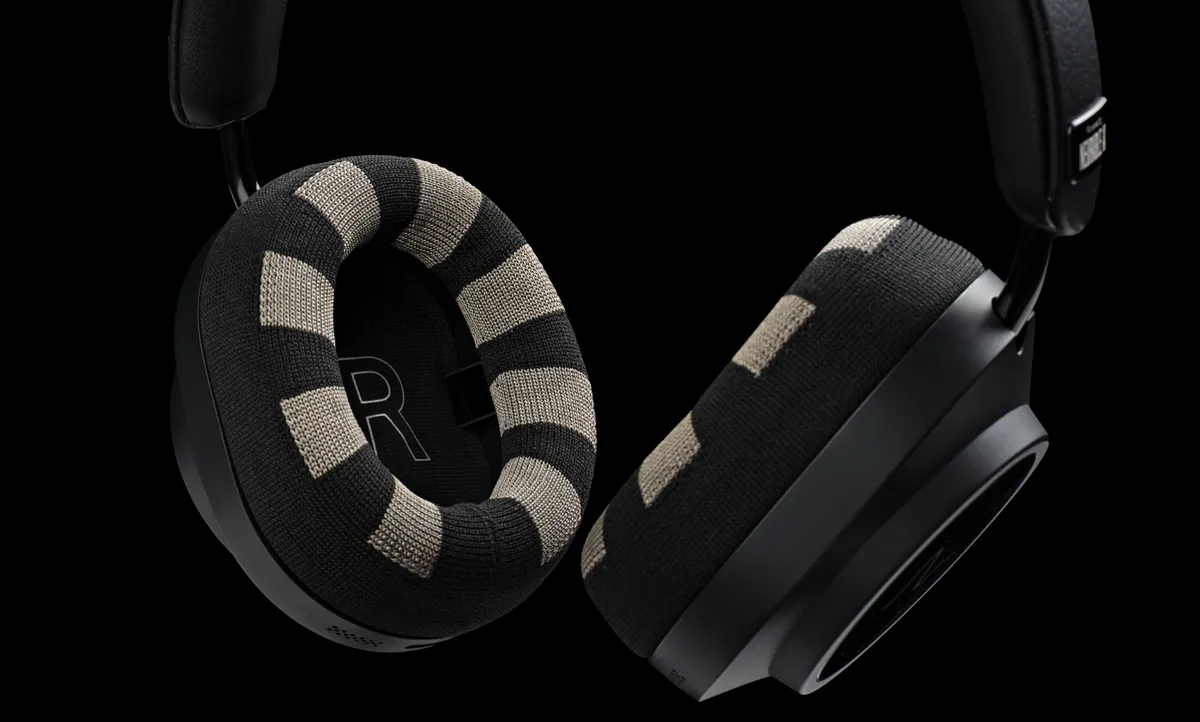
Headphones have quietly become health devices over the past few years, with heart-rate tracking and hearing tests now common in premium earbuds. Neurable is pushing that idea much further. Its new Neurable One headphones use EEG sensors to monitor brain activity, and they’re now on sale in the US for $499.
This isn’t Neurable’s first attempt. The company, founded in 2015 by neuroscientist Ramses Alcaide, previously partnered with Master & Dynamic on the MW75 Neuro, then followed up with a lighter, $200 cheaper LT model that added burnout detection and brain age estimates. It also showed a prototype gaming headset with HyperX at CES 2026. The difference this time is that Neurable designed both hardware and software itself instead of building on someone else’s headphones.
There are 12 EEG sensors embedded in the ear cushions, sitting alongside active noise cancellation and the usual audio features. A redesigned app for iOS and Android turns those readings into metrics covering focus, cognitive load and processing speed. The headline addition is Brain Battery, which Neurable says combines signals linked to sleepiness, stress and mental workload into a single estimate of how much capacity you have left. There’s also Alpha Peak Frequency, a measure of your dominant resting brain rhythm that the company compares to heart rate variability.
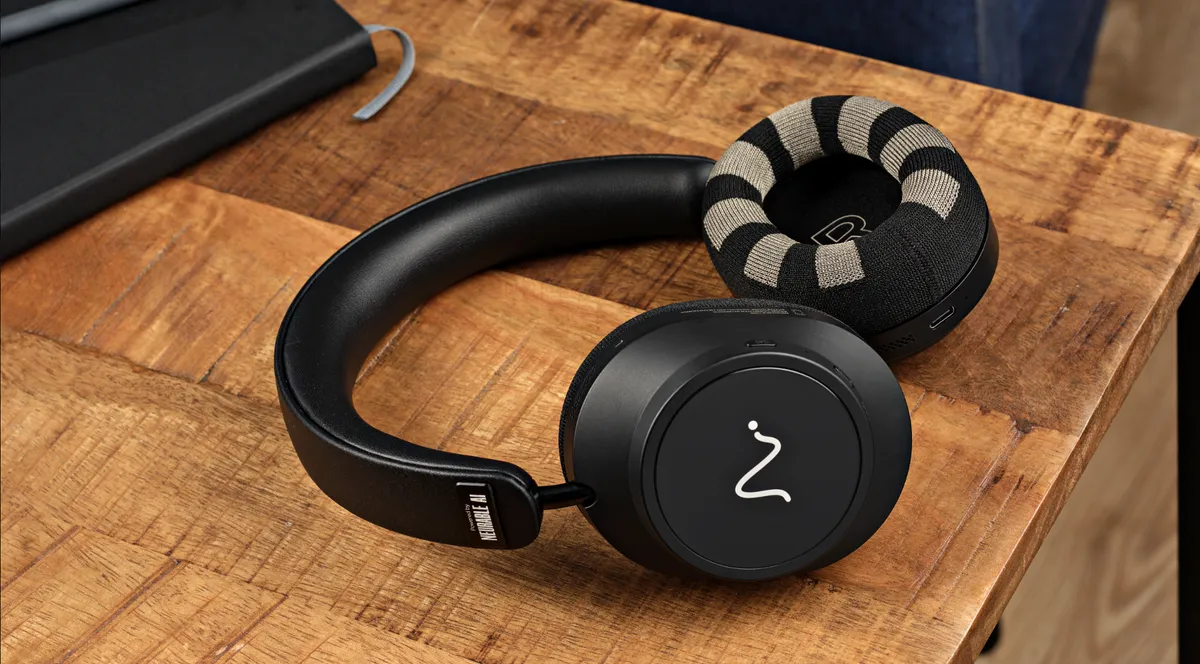
The most practical change is passive tracking. Earlier models required users to start a session manually, which many forgot to do. Neurable One records whenever the headphones are worn with the app open, building a running history through a feature called Brain Data Banking. Dedicated sessions remain for focused work, relaxation and naps, with audio that adapts to your state and prompts suggesting breaks when fatigue appears.
That continuous history is also the obvious concern. Brain data is about as personal as information gets, and Neurable is asking people to upload it constantly. The company says data is encrypted on the headphones, separated from user identities across different servers, and can be deleted at any time. Those are sensible commitments, though they’re company assurances rather than independently verified protections.
The bigger open question is usefulness. Consumer EEG is limited compared with clinical equipment, and metrics like a brain battery are interpretations built on algorithms, not direct measurements. Whether these numbers actually change how people work and rest is something only long-term use will show.
At $499, Neurable One costs more than Bose’s QuietComfort Ultra Headphones but far less than Bowers & Wilkins’ Px8 S2. Buyers are effectively paying a premium for the brain tracking, which makes the value of that data the whole argument.