

Spotify has introduced Reserved, a new ticket service for its Premium subscribers in the US that attempts to address the long-standing frustrations of securing concert tickets. Over the past decade, buying tickets has become increasingly difficult, with bots, aggressive resellers, and dynamic pricing often leaving dedicated fans priced out or shut out entirely. What was once a matter of joining a virtual queue now involves layers of competition that favor speed, money, or technology over genuine fandom.
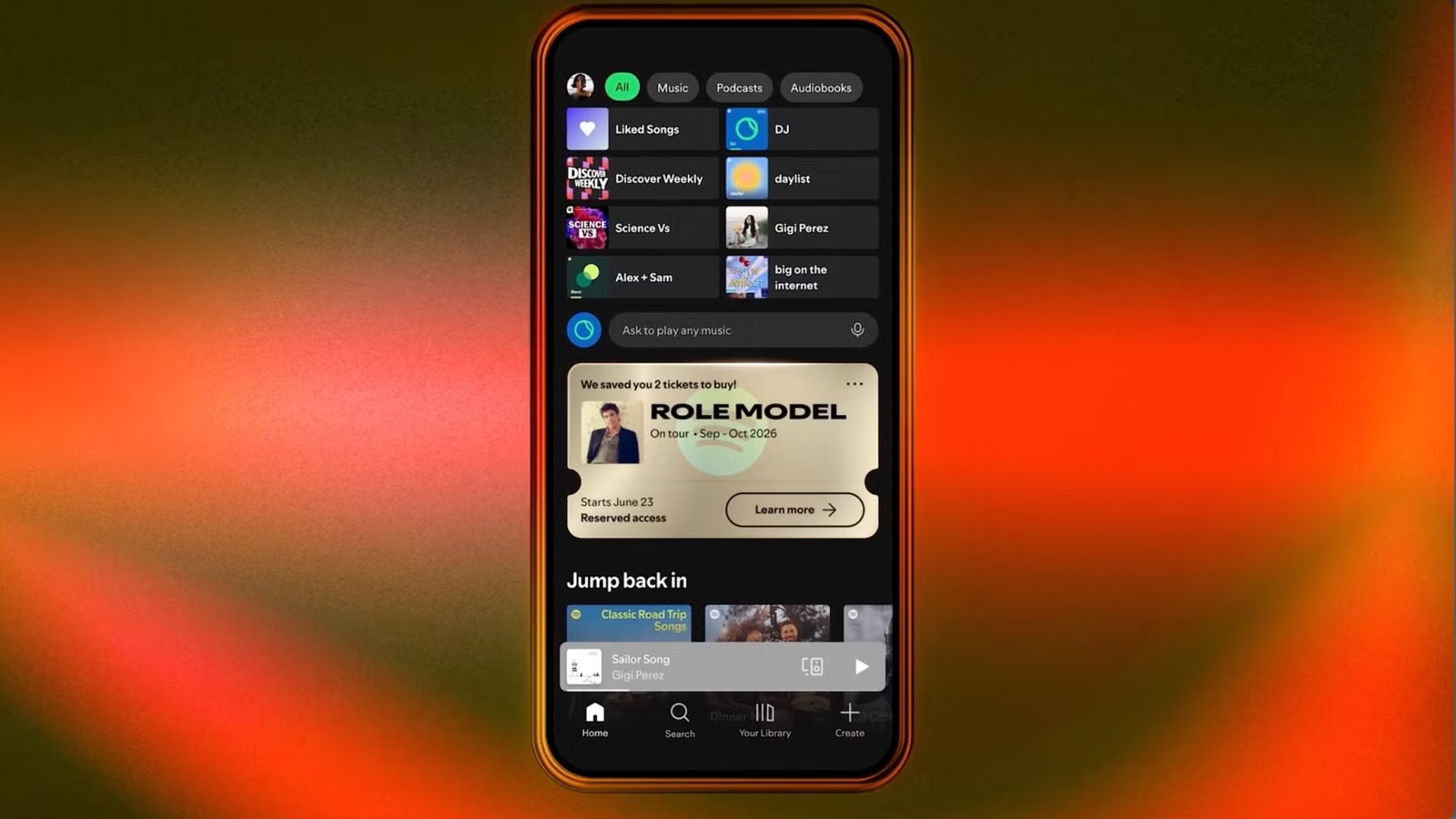
The service, which began rolling out recently, targets loyal listeners by considering factors such as streams, saves, shares, and location data. Spotify has deliberately kept the exact selection criteria opaque to discourage manipulation, aiming for an organic process that prioritizes the most engaged fans. Eligible users will see available shows appear on their home screen, with additional alerts via email, push notifications, and the app’s “Your Updates” section. Once invited, they have a one-day window to purchase up to two tickets, with options spanning different price points, seating sections, and even cities. Ticketmaster handles the final checkout.
This approach marks one of several recent efforts by artists and platforms to reclaim some control from scalpers and secondary markets. In theory, rewarding measurable engagement could help genuine supporters, particularly for high-demand tours where standard sales vanish in minutes. Yet questions remain about its real impact. Spotify has not disclosed how many tickets will be allocated per event, noting only that numbers will vary by artist, tour, and market. In large venues, a limited batch could amount to little more than a symbolic gesture amid thousands of seats.
There are also practical limitations. The system still depends on Ticketmaster’s infrastructure, which has faced its own criticism over fees and reliability. Location-based elements may disadvantage fans who travel or live outside major hubs, and the opaque algorithm introduces potential for perceived unfairness even if it reduces gaming. For those who miss the window, there are no second chances, preserving the scarcity that drives frustration in the first place.
Spotify’s move arrives at a time when the live music industry continues grappling with post-pandemic recovery, rising costs, and evolving fan expectations. While not a complete solution, Reserved reflects a broader push toward fan-centric models that value listening history over pure transactional speed. It remains to be seen whether the initiative will meaningfully shift access for everyday concertgoers or simply add another layer to an already complex ecosystem. Details are available directly in the Spotify app for qualifying Premium users.