

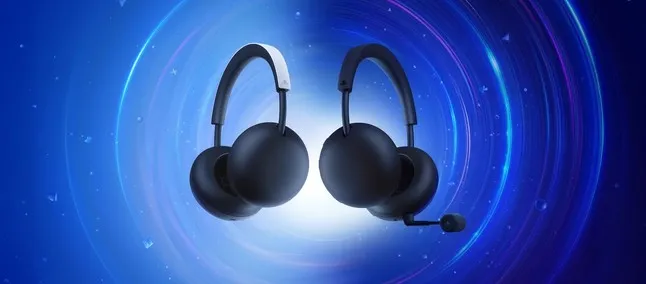
Sony is expanding its PlayStation audio lineup with two new wireless gaming headsets, introducing the PlayStation Pulse and the more feature-heavy Pulse Edge for PS5, PlayStation Portal, computers and mobile devices.
The biggest change is inside the earcups. Both models use planar magnetic drivers, continuing Sony’s push toward the technology already found in the Pulse Elite. Planar drivers are typically associated with higher-end headphones because of their ability to deliver detailed sound with strong separation, something that can have practical benefits in games where positional audio matters.
Sony is also moving to larger drivers than those used in the Pulse Elite, although it has yet to disclose their dimensions. The company says the change should produce more substantial bass without sacrificing clarity, but that is the sort of claim that will need independent testing once the headsets arrive.
There is also a hardware distinction between the two models. The PlayStation Pulse uses four magnets for each planar magnetic driver, while the Pulse Edge increases that to eight. Sony claims the additional magnets improve detail, bass response and general audio performance, positioning the Edge as the higher-end option.
That positioning extends beyond the drivers. The Pulse Edge adds active noise cancellation, a detachable boom microphone and a secondary integrated microphone that can still be used after the boom is removed. PS5 players can adjust the balance between game and chat audio from the headset, while upgraded materials, rotating earcups and an included carrying case round out the package.
Both headsets support PlayStation Link, Sony’s low-latency wireless audio system. The connection can be switched between compatible devices including PS5, PlayStation Portal, PC and Mac. Bluetooth is also supported, allowing users to maintain a connection with phones or tablets alongside their PlayStation Link device.
Sony says AI-assisted microphone processing will help suppress unwanted background noise, another increasingly common feature in premium gaming headsets. Both models will be offered in White and Midnight Black.
The PlayStation Pulse is scheduled to reach selected markets toward the end of 2026, putting it in position for the holiday shopping season. The Pulse Edge will follow in early 2027.
The biggest missing detail is price. Sony has not announced pricing, pre-order dates or a complete list of launch markets for either headset. With planar magnetic gaming headphones becoming less unusual, those numbers could determine whether the new Pulse models offer a compelling upgrade over the Pulse Elite or simply expand Sony’s first-party audio range at higher price points.