
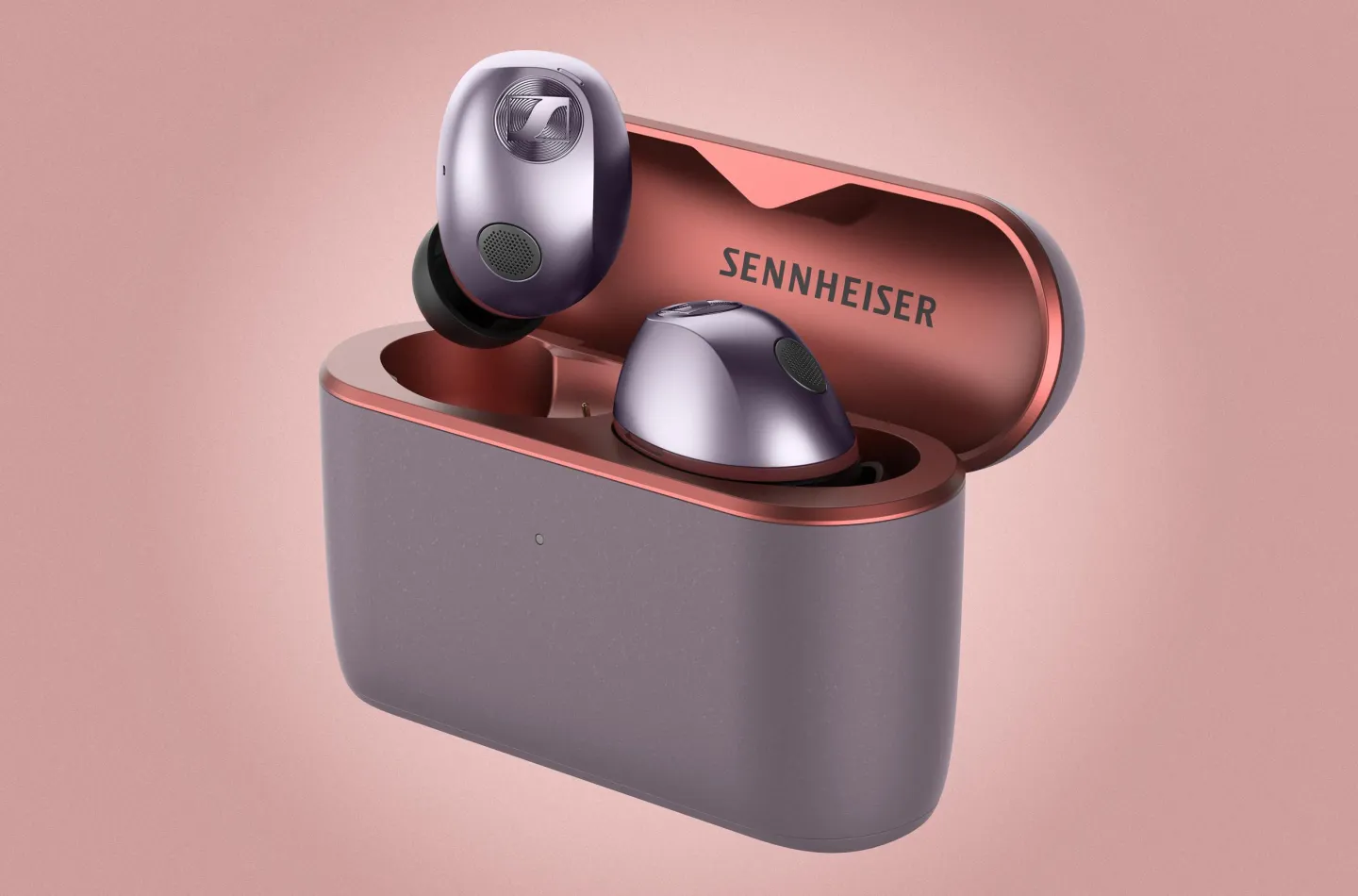
Sennheiser is taking a different approach to one of the biggest weaknesses of true wireless earbuds: batteries that inevitably wear out while the rest of the hardware remains perfectly usable. The new Momentum True Wireless 5 will allow owners to replace the batteries inside both earbuds and the charging case themselves, potentially giving the premium earbuds a considerably longer useful life.
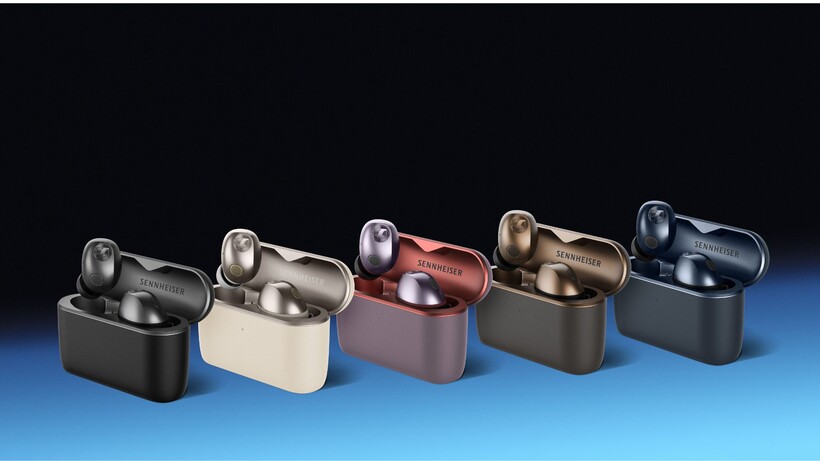
The Sennheiser Momentum True Wireless 5 will go on sale September 3 for $299.95, keeping the same launch price as the Momentum True Wireless 4 from 2024. Buyers will have five metallic color choices: graphite, cream, lavender, copper and denim.
Replaceable batteries are the more interesting part of the update. True wireless earbuds have traditionally been difficult to repair because manufacturers prioritize compact dimensions, water resistance and tightly integrated construction. Batteries are often buried inside housings held together with adhesives, making replacement impractical for the average owner.
Sennheiser is trying to remove that barrier. Accessing the batteries in the Momentum True Wireless 5 requires a small screwdriver rather than cutting through adhesive or sending the earbuds away for specialist servicing. Importantly, that applies to the individual earbuds as well as the charging case.
That distinction puts the Momentum True Wireless 5 in relatively uncommon territory. Fairphone has already pursued user-replaceable batteries with its Fairbuds, while Bang & Olufsen designed the Beoplay Eleven with replaceable batteries but requires the work to be handled by a technician. Some newer wireless earbuds have also made the charging case battery replaceable without extending the same repairability to the earbuds.
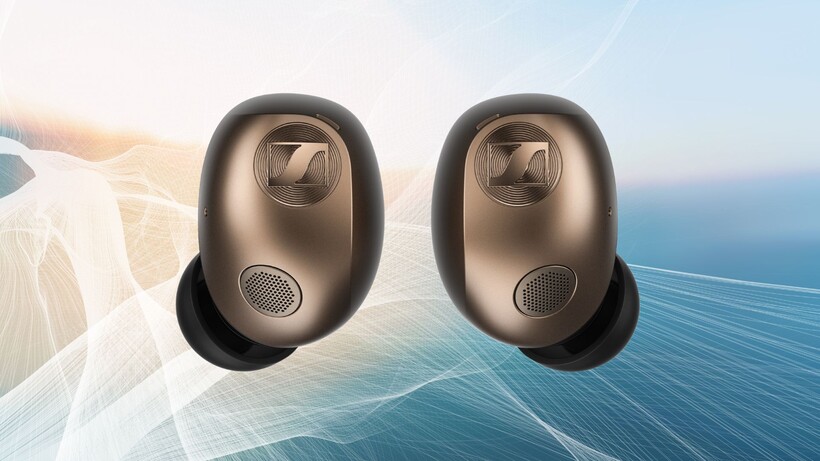
The shift is arriving as electronics manufacturers face increasing pressure to make battery-powered products easier to maintain. European Union battery regulations are pushing the industry toward greater repairability and user access, with relevant requirements taking effect in 2027. Larger wireless headphones have been quicker to adopt removable or replaceable batteries, including products from Sennheiser and Fender, but doing the same thing inside tiny true wireless earbuds presents a more difficult engineering problem.
Sennheiser is also describing the Momentum True Wireless 5 as a broader redesign, with changes intended to improve comfort, stability and portability. Those claims will need to wait for independent testing. For buyers considering a $300 pair of wireless earbuds, however, repairability may prove more meaningful than incremental improvements that are difficult to notice outside direct comparisons.
Battery degradation remains one of the uncomfortable realities of premium wireless audio. Even expensive earbuds can become electronic waste once their tiny cells lose enough capacity. Making those cells straightforward to replace does not solve every repairability problem, but it changes the ownership equation. If Sennheiser’s implementation proves genuinely simple in everyday use — and replacement batteries remain readily available — the Momentum True Wireless 5 could help make serviceable batteries an expected feature rather than an unusual selling point.