


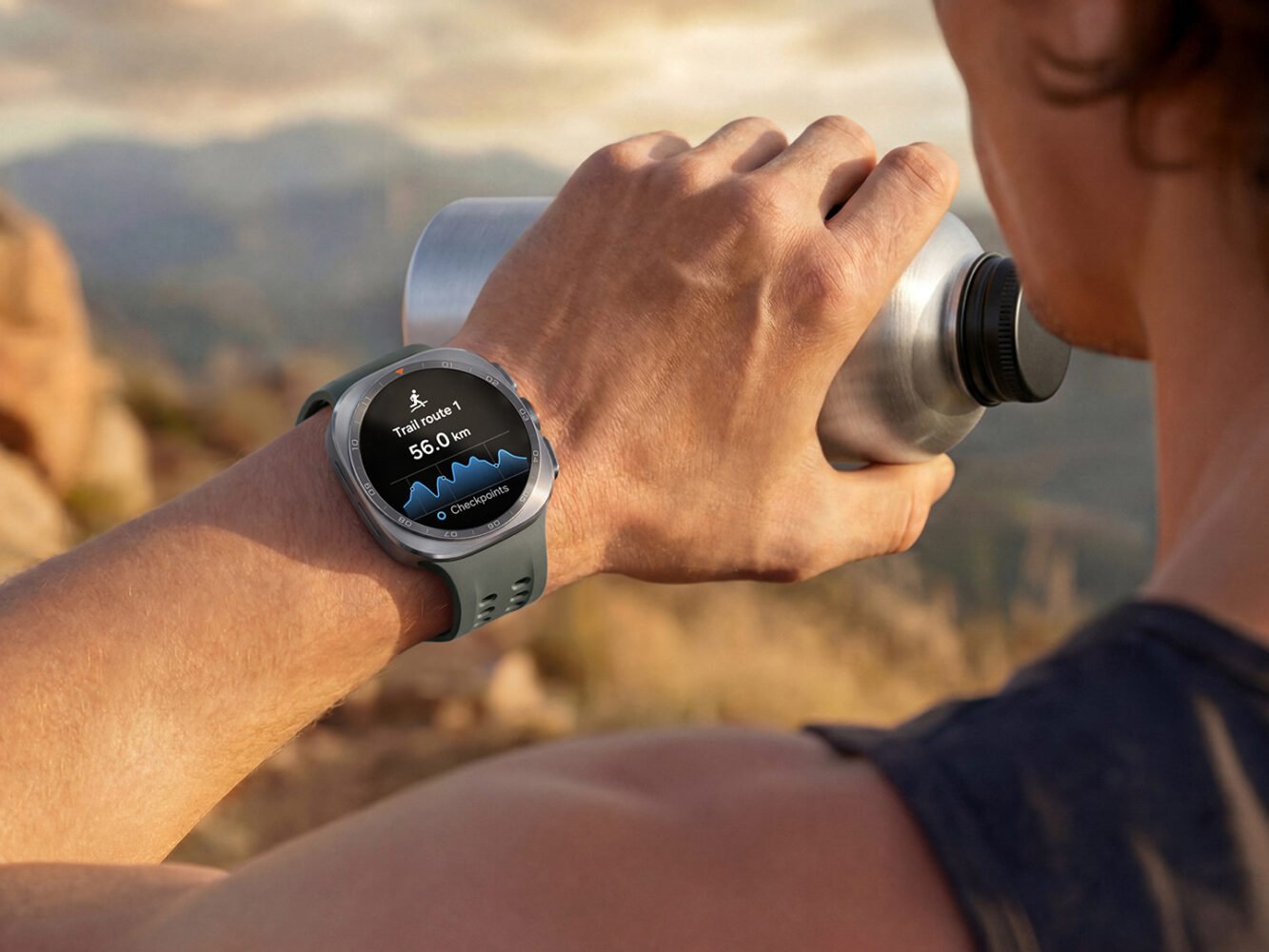
Samsung has introduced its latest wearable lineup, debuting the high-end Galaxy Watch Ultra2 alongside the daily-focused Galaxy Watch9. Both devices transition to Qualcomm’s Snapdragon Wear Elite silicon, marking an architectural upgrade intended to boost processing efficiency and sensor latency across Samsung’s health tracking suite. The release highlights a clear push toward higher hardware ceilings, pairing larger batteries and brighter displays with specialized tracking software.
The flagship Galaxy Watch Ultra2 targets outdoor enthusiasts and endurance athletes with substantial structural updates. Samsung managed to shave 12 percent off the casing thickness compared to the previous model while fitting a massive 800 mAh battery inside its titanium shell. On the surface, the smartwatch features a panel reaching a peak localized brightness of 5,000 nits, addressing legibility under direct sunlight. Water resistance certifications up to 10 ATM and IP69K support a new dedicated auto-launching dive mode. Software tools like Trail Run and Nutrition Alert calculate real-time terrain impact and sweat-based hydration needs to round out the sports tracking capabilities.
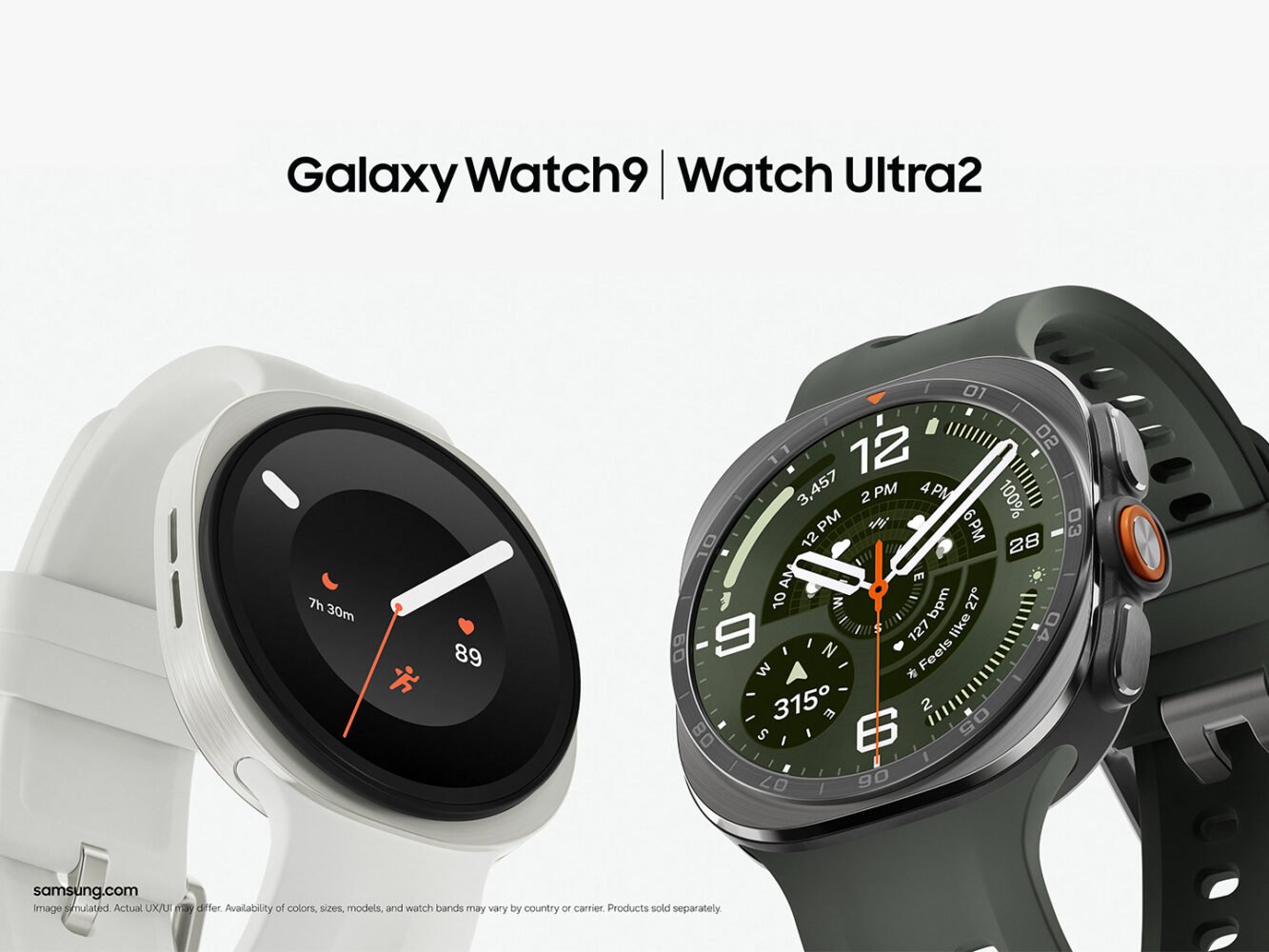
For everyday health tracking, the Galaxy Watch9 retains a lighter aluminum housing focused on continuous 24/7 wear. It runs on a 390 mAh battery paired with a 3,000-nit screen, providing a balance of compact ergonomics and outdoor visibility. Both smartwatches utilize an upgraded BioActive sensor array paired with new algorithmic features. These include FDA-cleared sleep apnea screening, continuous baseline monitoring via Vitals, and specialized training metrics like Daily Cardio Load and Heart Health Score. The data processes through the health app ecosystem, offering personalized recovery guidance based on long-term biometric trends.
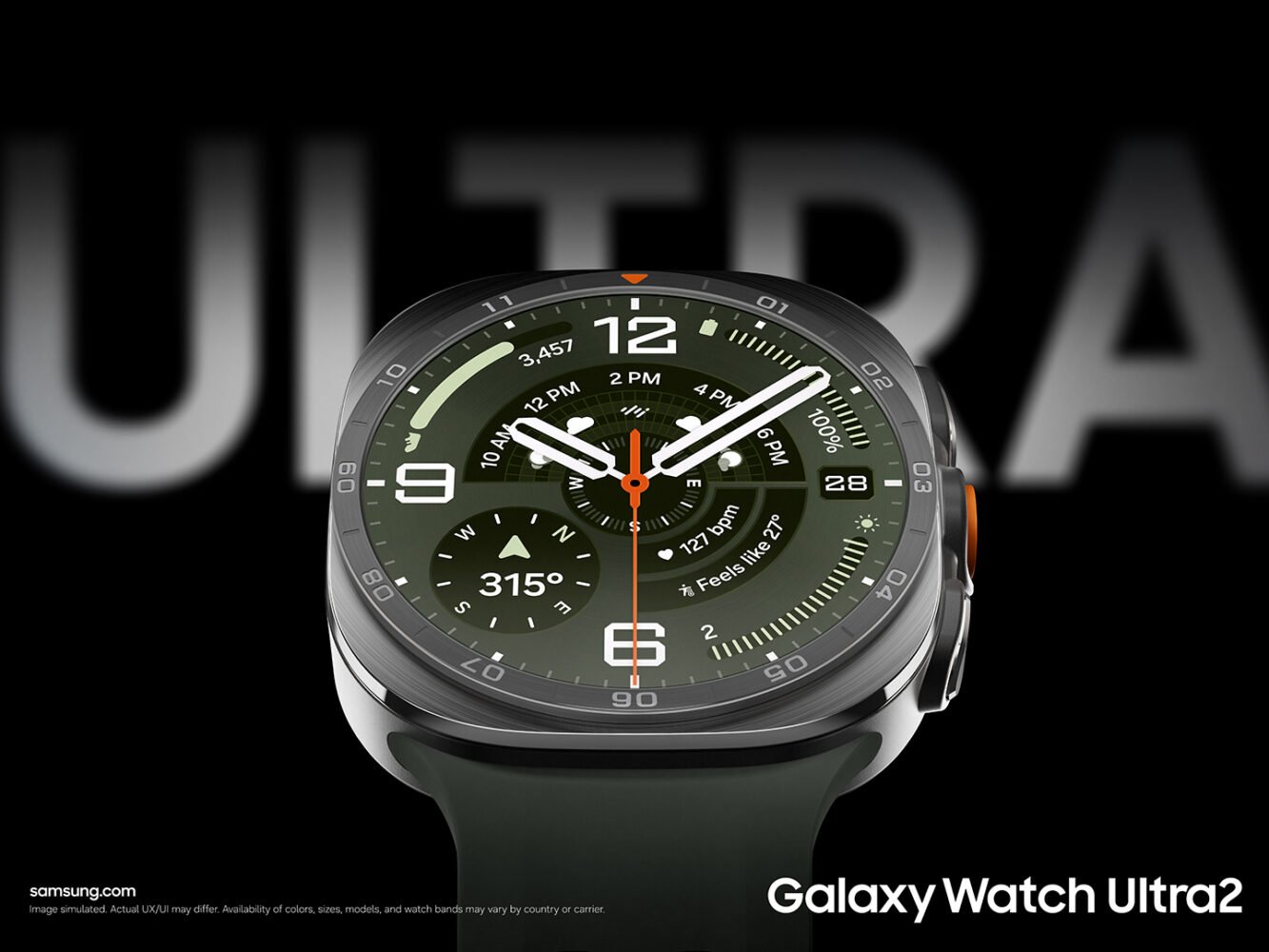
By separating the hardware lineup into an ultra-bright, dive-rated outdoor unit and a slimmer daily option, Samsung is tailoring its wearable strategy directly to specific user habits. The move shows a preference for specialized, high-spec hardware rather than one-size-fits-all designs, leaning heavily on low-power silicon and expanded sensor algorithms to keep pace with competitor fitness platforms.