
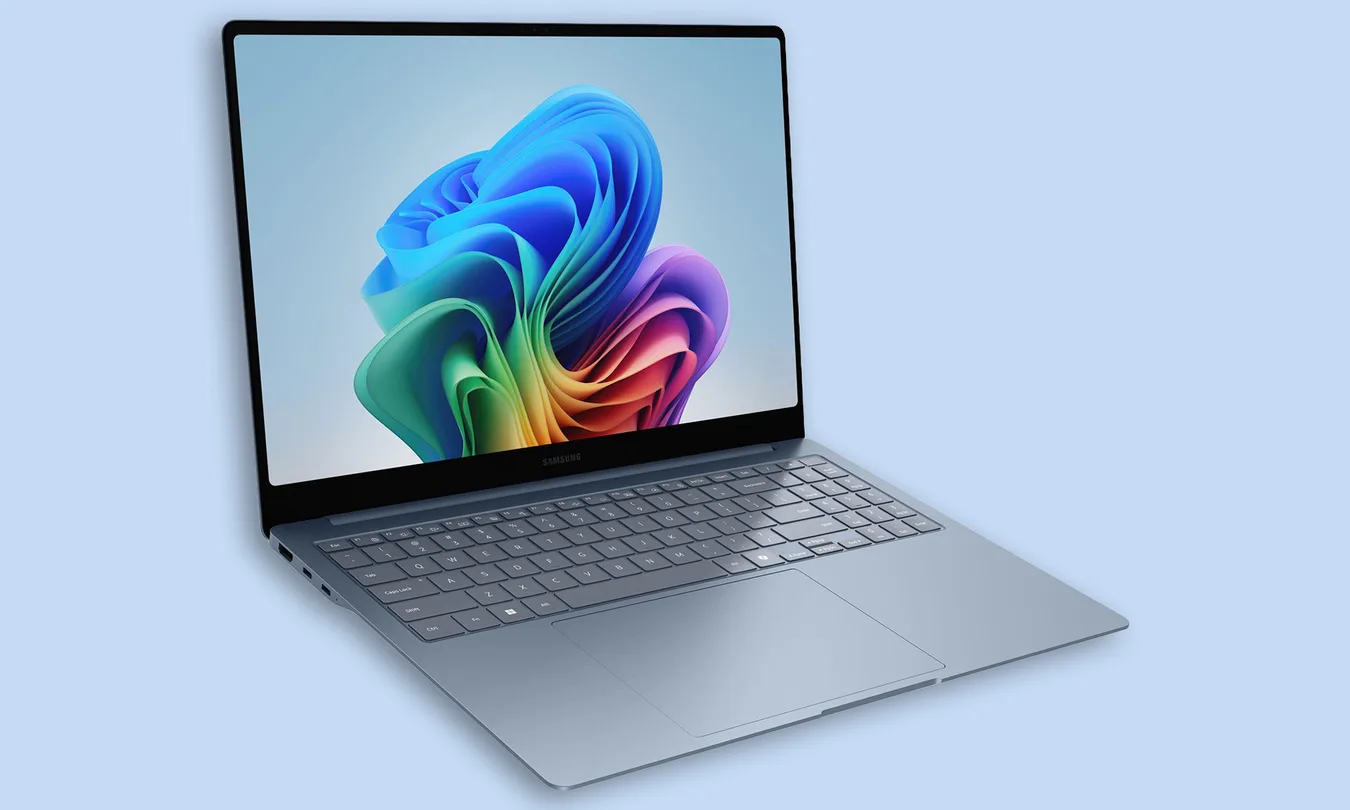
Samsung has introduced the Galaxy Book6 Edge, a new premium Windows laptop built around Qualcomm’s Snapdragon X2 Elite processor and integrated Galaxy AI capabilities. Positioned as a portable productivity device, the machine features a 16-inch display housed in a slim chassis, targeting users who prioritize battery life and seamless connections across Samsung’s ecosystem rather than raw gaming or workstation performance.
The hardware leans on the Snapdragon X2 Elite platform to support Copilot+ features, emphasizing on-device AI processing alongside improved efficiency. Samsung highlights its ability to manage AI-assisted tasks without compromising portability, a common challenge in the emerging category of AI-focused PCs. Integration with Galaxy smartphones stands out as a core selling point, enabling tools such as Multi Control for cross-device workflows, Quick Share for file transfers, Phone Link for direct interaction, and other Galaxy AI experiences. This approach aims to create a more unified environment for users already invested in Samsung’s mobile lineup, allowing tasks to flow between phone and laptop with less friction.
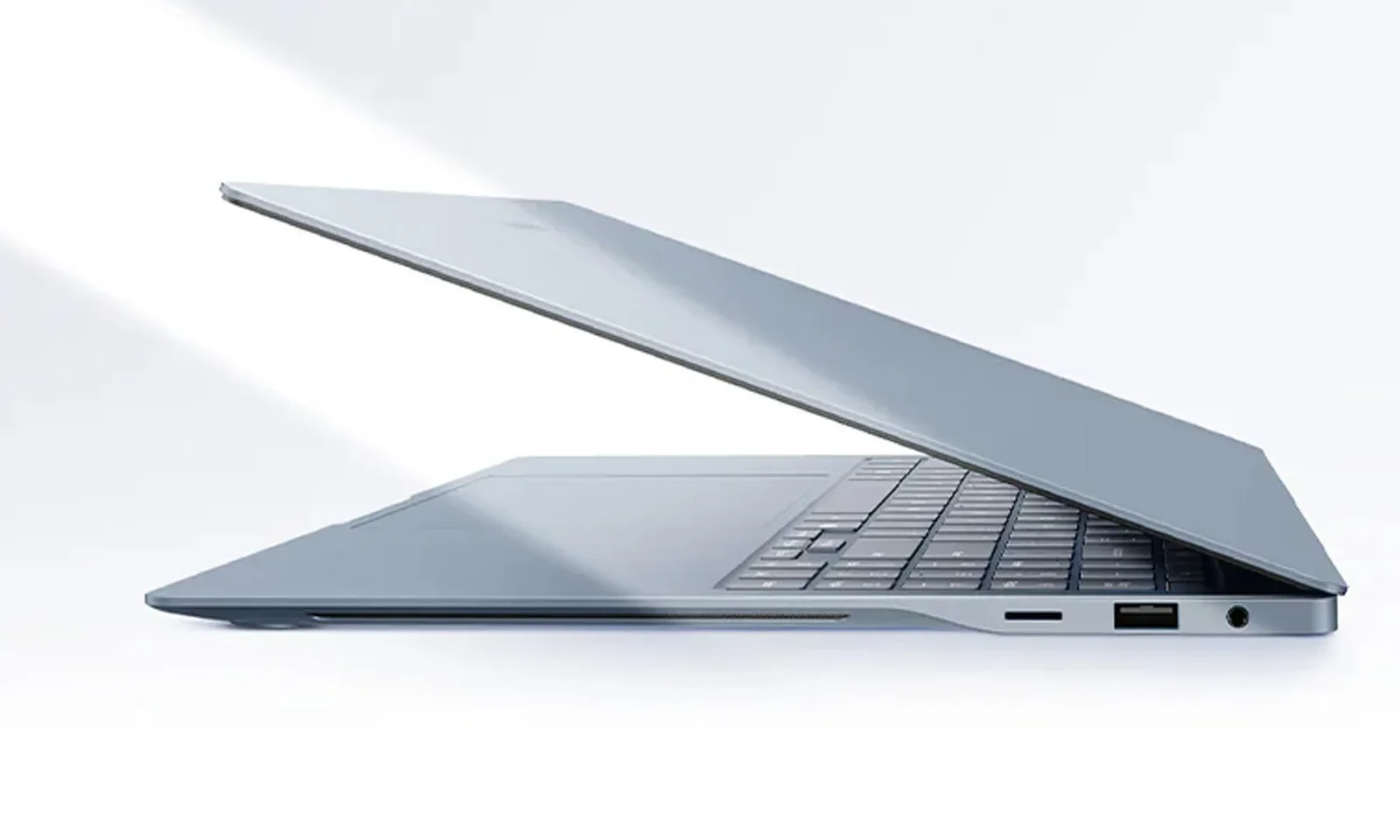
Priced from $2,099.99 and now available in the United States, the Galaxy Book6 Edge enters a competitive segment where manufacturers are racing to differentiate through silicon choices and software layers. Qualcomm’s ARM-based architecture has shown promise in power efficiency compared to traditional x86 chips, yet real-world software compatibility remains a persistent question mark for Windows on ARM devices. Earlier generations faced application performance gaps and emulation overhead, issues that Qualcomm and partners like Samsung continue to address through optimization and native app support. Whether the X2 Elite delivers noticeable gains in everyday AI workloads—such as local image generation, voice processing, or intelligent suggestions—will require hands-on testing beyond marketing claims.
Samsung’s strategy reflects the broader shift toward AI PCs, where the conversation has moved past simple TOPS metrics toward ecosystem cohesion and practical utility. By tying the laptop closely to its Galaxy devices, the company seeks to offer a more closed-loop experience than generic Windows machines. This can deliver convenience for loyal users but also risks deepening platform lock-in, potentially limiting flexibility for those operating across mixed device environments. In a market crowded with options from Dell, Lenovo, Microsoft, and Apple, success will hinge on whether the combination of hardware efficiency, AI features, and software integration justifies the premium cost.
The Galaxy Book6 Edge arrives at a time when AI capabilities are becoming standard expectations rather than standout features. While it builds on Samsung’s history of blending mobile and computing products, the laptop’s value ultimately depends on sustained performance, long-term software updates, and tangible benefits in daily use. For some, the ecosystem advantages may outweigh alternatives; for others, broader compatibility and proven track records from competitors could prove more appealing. As the AI PC space matures, devices like this one illustrate both the potential and the growing pains of integrating advanced silicon with familiar workflows.