


OpenAI’s long-rumored hardware project with former Apple designer Jony Ive is reportedly running into several development hurdles, raising questions about both the technology and its real-world readiness. According to new details from The Financial Times, the still-unnamed device—a palm-sized, always-on AI assistant—faces challenges ranging from privacy and computing constraints to the difficulty of giving the assistant a coherent personality.
The collaboration between OpenAI and Ive was first announced last year, sparking speculation that it would be a reimagining of the smartphone for the AI age. However, insiders now suggest that progress has been slower than anticipated. Sources cited in the report claim that OpenAI’s main struggles include determining how the assistant should sound and behave, addressing privacy implications tied to its continuous listening features, and securing enough computing power to support the AI models behind it.
One insider described OpenAI’s current infrastructure as stretched thin: while tech giants like Amazon and Google have the server capacity to support devices such as Alexa and Google Assistant, OpenAI is still contending with the heavy demands of running ChatGPT at scale. Without a reliable cloud backbone, the company risks releasing a product that could underperform or experience latency issues, particularly if the assistant relies heavily on cloud-based processing.
Attempts to run smaller AI models locally have made some progress—OpenAI has already demonstrated a lightweight version capable of running on high-end Snapdragon hardware—but these remain limited. The trade-off is clear: cloud computing reduces hardware costs but heightens privacy and reliability concerns. An always-on device that depends on external servers could easily face public skepticism, especially in light of growing unease about constant data collection.
The report also highlights internal debates about the assistant’s tone and interaction style. The team is reportedly aiming for something approachable but not overly familiar—“like Siri, but better,” as one source put it. Finding that balance, avoiding both robotic detachment and overly personal behavior, has proven difficult.
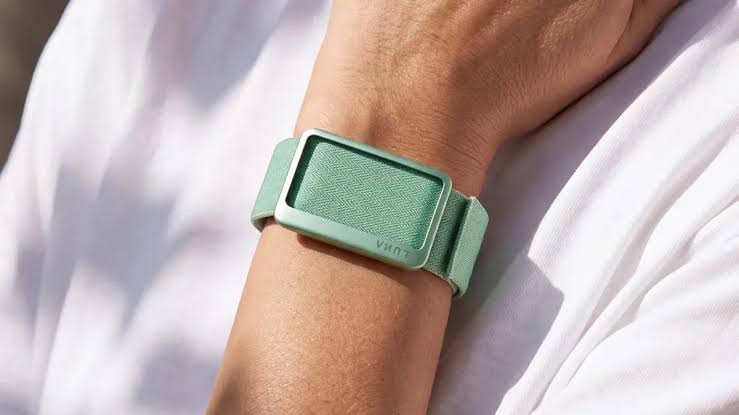
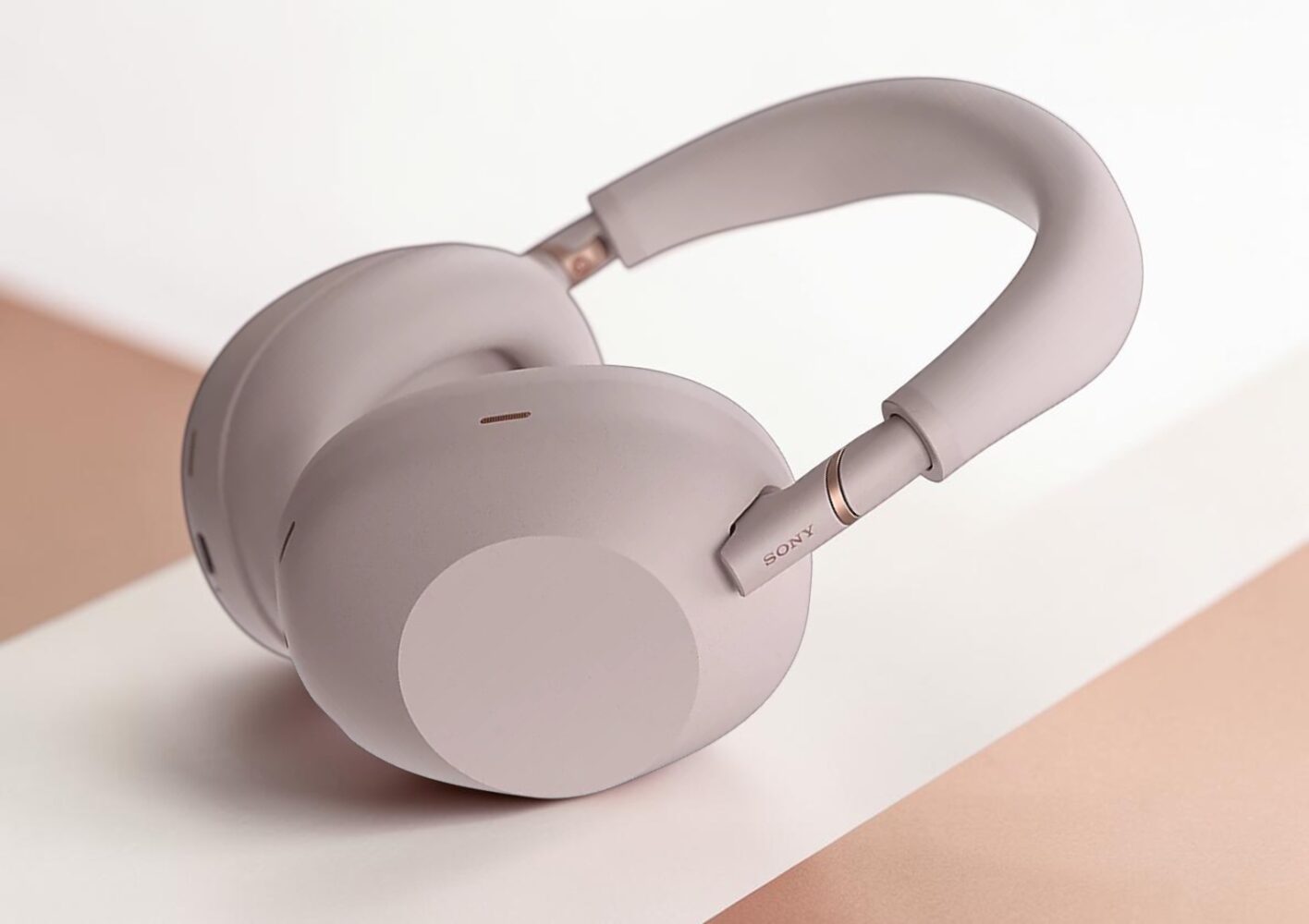
Physically, the device is said to be compact and screenless, relying on a combination of microphone, camera, and speaker for interaction. It’s designed to sit on a table or desk, though it could be portable. The concept appears to target a more personal, ambient AI experience than current smart speakers, potentially offering context-aware responses or proactive assistance throughout the day.
Still, the decision to make the device “always-on” raises the most immediate red flags. While continuous operation could enable memory-based personalization, it also introduces significant privacy risks. A device that constantly listens, watches, and learns could unsettle consumers already wary of smart home surveillance. Without clear safeguards or transparent data handling policies, OpenAI and Ive’s ambitious project could face the same trust issues that have long haunted the smart speaker category.
If these issues persist, delays are likely. And while some degree of technical friction is normal during product development, the combination of infrastructural, ethical, and design challenges makes this one of OpenAI’s most complex undertakings yet. Whether it ultimately delivers a meaningful shift in how people interact with AI—or just another privacy controversy—remains to be seen.