
HMD Global has introduced four new Nokia 4G feature phones aimed at users seeking straightforward, durable devices rather than full smartphones. The lineup includes the Nokia 200 4G, Nokia 210 4G, Nokia 215 4G second edition, and Nokia 235 4G second edition. These models update the long-running basic phone category with modern touches like USB-C charging while retaining the simple, reliable character that defined Nokia devices for decades.
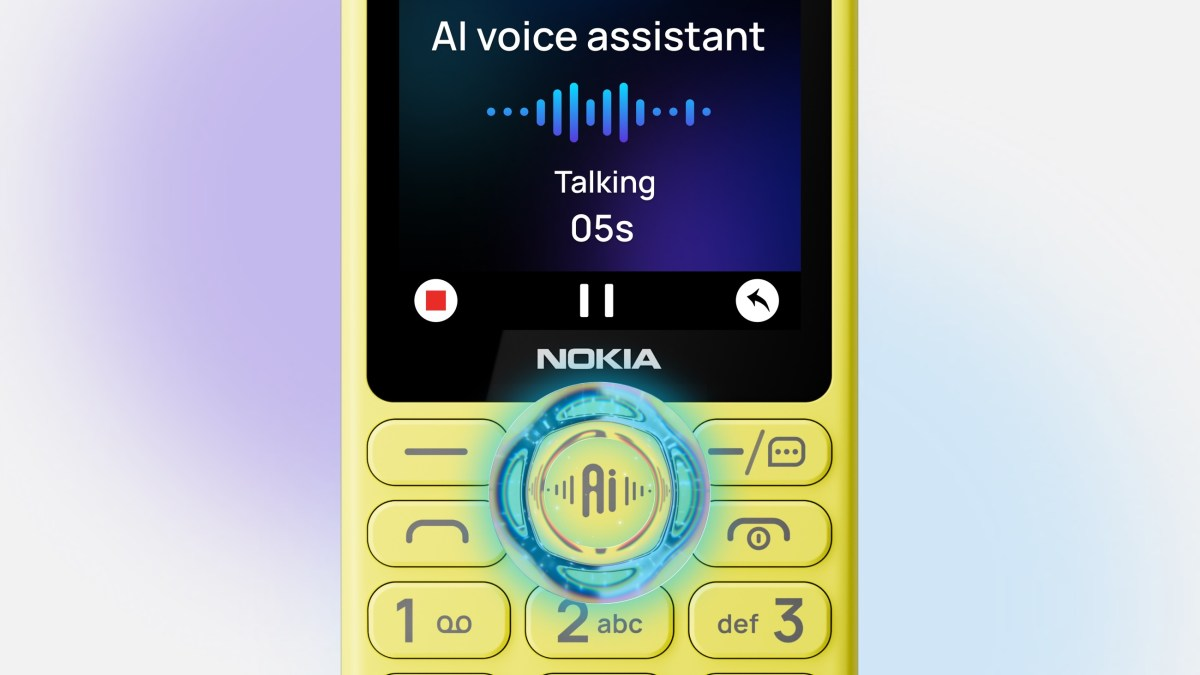
A notable addition across the range is an on-device AI assistant accessible through a dedicated button on the directional pad. Powered by Sikey AI, it supports basic voice queries and hands-free control of device functions. HMD positions this as a practical enhancement for users who want limited smart capabilities without the complexity or cost of a smartphone. However, the AI service is free only for the first 180 days. After that, continued access requires a paid subscription, which must be managed through a separate smartphone. This model raises questions about long-term usability for the target audience of feature phone buyers, who may prefer devices that avoid ongoing fees and dependencies on other hardware.
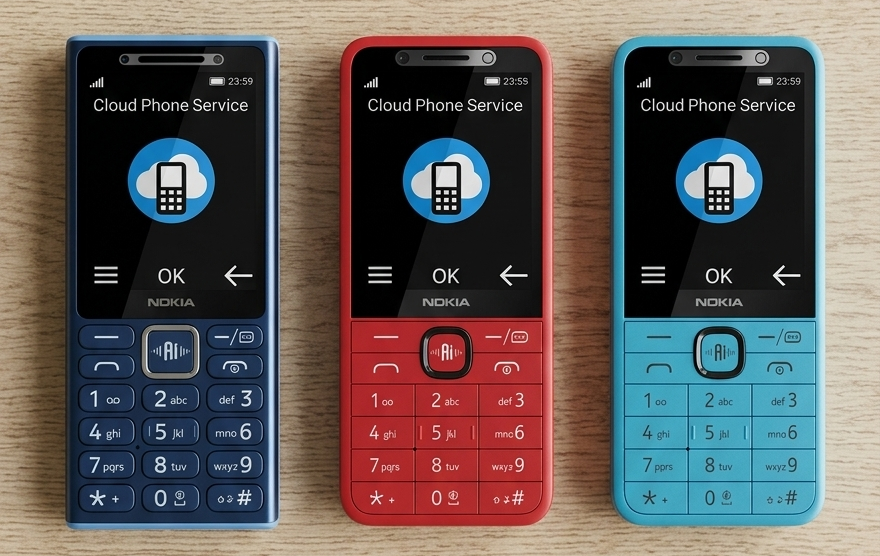
The phones share a core design but differ modestly in display and camera features. The Nokia 210 4G and 215 4G come with compact 2.4-inch QVGA screens, while the 215 4G and 235 4G offer slightly larger 2.8-inch IPS panels at the same resolution. All models include VGA cameras for basic video calling via Xpress chat. Rear cameras appear on the 210 4G and 235 4G variants, with the latter equipped with a 2-megapixel sensor for simple photography.
Power comes from a removable 1,450 mAh battery, which should provide solid longevity given the modest hardware demands. The S30+ operating system keeps things lightweight and focused on essentials. Connectivity options feel appropriately modern for this class, including Bluetooth 5.0, a 3.5mm headphone jack, built-in FM radio, and the aforementioned USB-C port. These additions address common complaints about older feature phones, such as outdated charging standards, without fundamentally altering the no-frills experience.
In a market increasingly dominated by smartphones, these Nokia models serve a niche that persists for reliability, affordability, and simplicity. Feature phones continue to appeal in regions with limited infrastructure, for secondary use, or among those seeking to reduce screen time. HMD’s decision to integrate AI reflects broader industry attempts to bring intelligent features to basic hardware, yet the subscription requirement and reliance on a secondary device could limit its practicality. Without confirmed pricing or availability details at launch, it remains to be seen how competitively these phones position themselves against other basic 4G options.
The updates demonstrate HMD’s ongoing commitment to the Nokia brand’s heritage of resilient, straightforward mobiles. As basic phones evolve with incremental improvements like better connectivity and assisted functions, they highlight that not every user needs or wants the full capabilities of contemporary flagships. Further details on regional rollout and exact costs will help clarify their value in today’s diverse mobile landscape.