


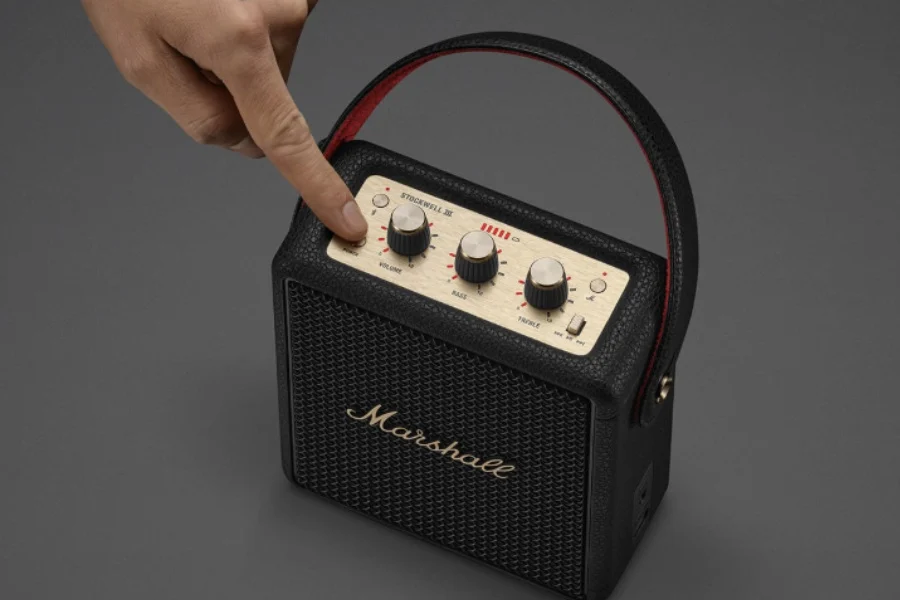
Marshall has released the Stockwell III portable Bluetooth speaker after a seven-year gap since the Stockwell II, updating a recognizable retro design with several practical improvements. The speaker retains its signature guitar amplifier aesthetic, complete with a metal mesh grille, brass control panel, and a velvet-lined strap handle. This continuity appeals to fans of the brand’s rock-inspired styling, but the internal changes address common pain points in portable audio devices.
Battery life stands out as the most significant upgrade, now rated for over 40 hours compared to roughly 20 on the previous model. It supports USB-C charging and can function as a power bank for other devices. Durability has also been enhanced to an IP55 rating, offering better resistance to dust and splashes than many earlier portable options. On the audio front, Marshall incorporated True Stereophonic technology for wider 360-degree sound dispersion and dynamic loudness processing intended to maintain balance across frequencies at varying volumes. A dedicated M-button provides access to presets and track controls alongside standard playback buttons.
Perhaps the most notable addition is the emphasis on repairability. The Stockwell III includes user-replaceable components such as the battery, carry strap, grilles, silicone sleeve, and carrying case. This design choice positions the speaker ahead of upcoming EU regulations requiring replaceable batteries in consumer electronics, reflecting a broader industry shift toward longevity amid growing concerns over electronic waste. In a market flooded with disposable gadgets, this approach offers a refreshing alternative for users who prefer maintaining their devices rather than replacing them.
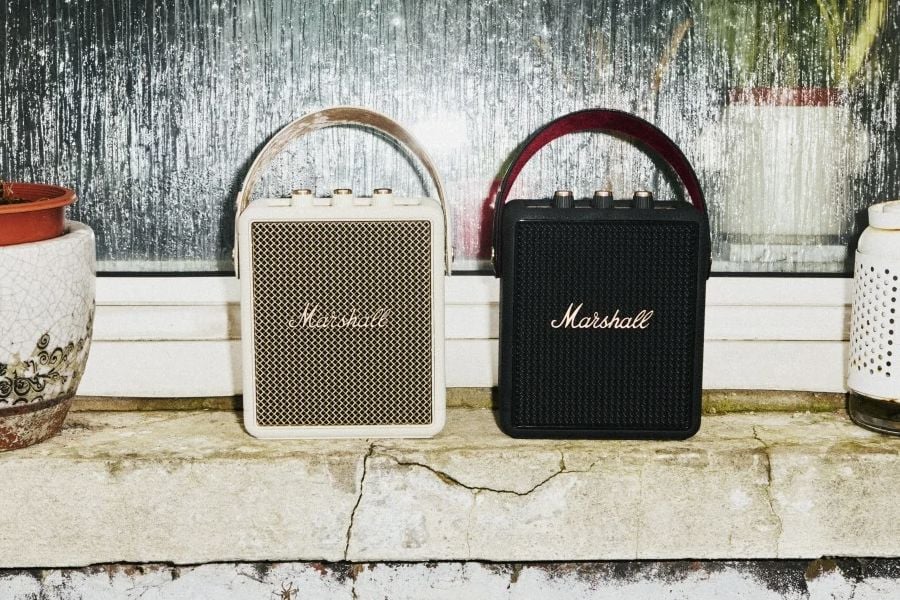
Available in black and brass or cream finishes, the Stockwell III carries a price of $249.99 in the US. While the extended battery and modular construction add value, the long wait between generations raises questions about whether the updates fully justify the positioning in a competitive portable speaker segment. Rivals have made steady gains in battery efficiency, app integration, and multi-room capabilities during that time, and Marshall’s focus remains more on character and build quality than cutting-edge smart features.
The portable speaker category has evolved considerably since the Stockwell II’s debut, when wireless audio was still gaining mainstream traction. Today, consumers expect not only solid sound but also resilience in outdoor settings and easier maintenance. Marshall’s decision to prioritize a swappable battery demonstrates responsiveness to regulatory and environmental pressures, yet it also highlights how slowly some premium brands adapt core hardware. For longtime Marshall enthusiasts, the Stockwell III delivers a familiar experience with tangible refinements that could extend its usable life. New buyers, however, may weigh the retro appeal and repairability against more feature-packed alternatives at similar price points.
Overall, the launch illustrates the tension between heritage design and modern expectations. While not revolutionary, the Stockwell III refines a proven formula in ways that prioritize usability and sustainability over flashier innovations. Its success will depend on how well the balanced sound and extended runtime perform in real-world conditions, where factors like outdoor noise and device compatibility often matter more than specifications.