
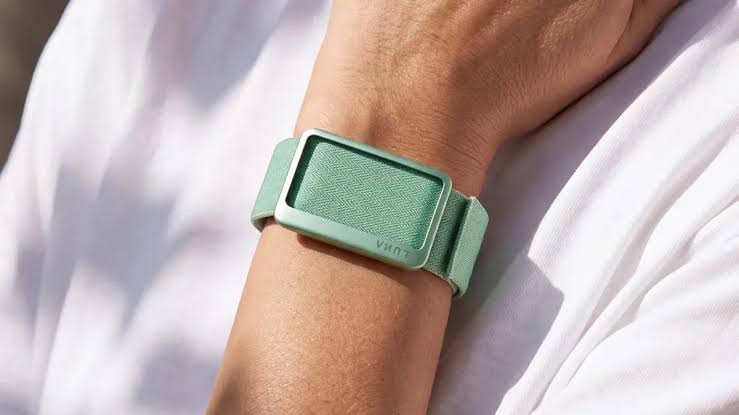
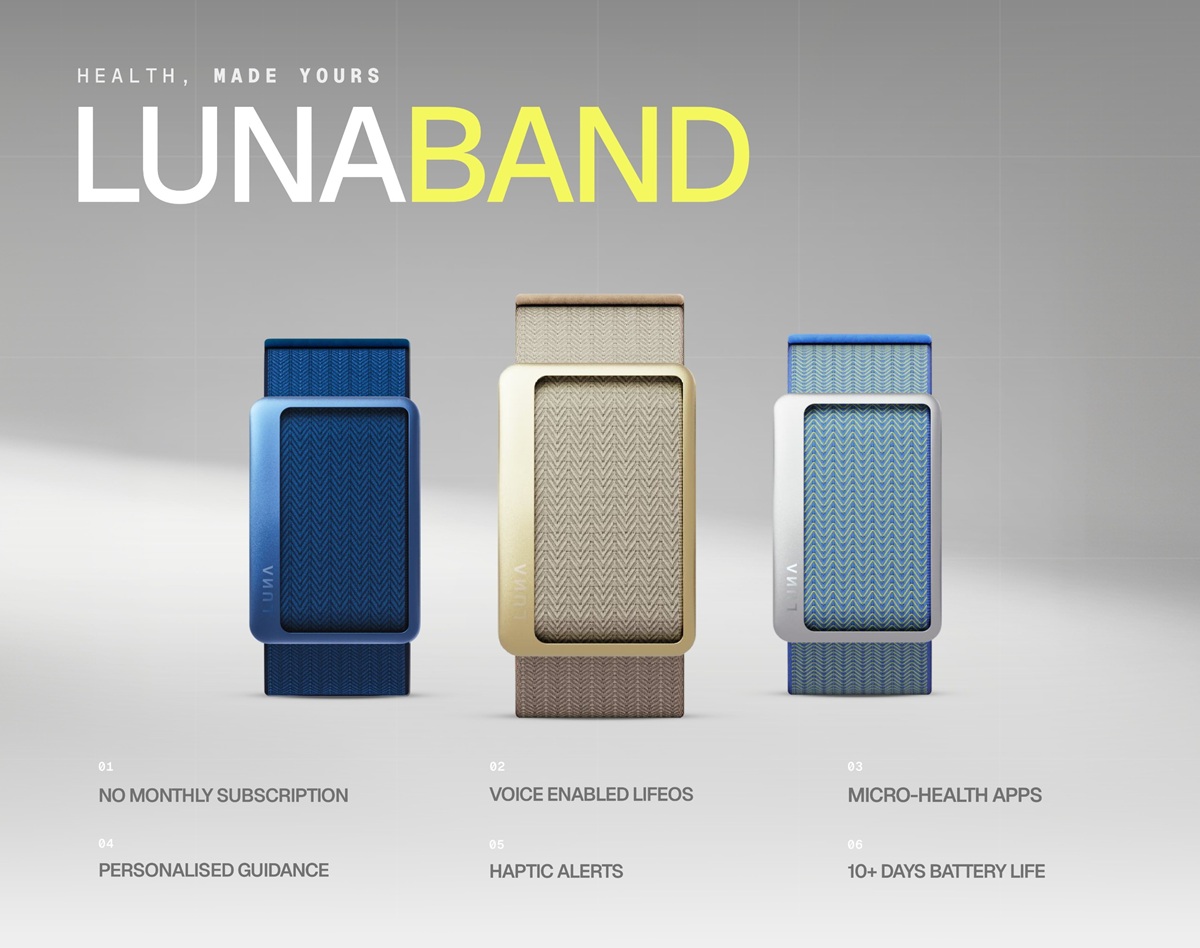
Luna is taking a different approach to the increasingly crowded health wearable market with the global launch of the Luna Band, a €149 fitness tracker built around software that changes its monitoring behaviour according to what its wearer wants to achieve.
The Luna Band is now shipping worldwide following its appearance at IFA Berlin, where the company is also demonstrating LifeOS, the health intelligence platform behind the device. Unlike many wearables that primarily collect a fixed set of health and activity metrics before presenting them through dashboards, Luna is positioning goals as the starting point of the experience.
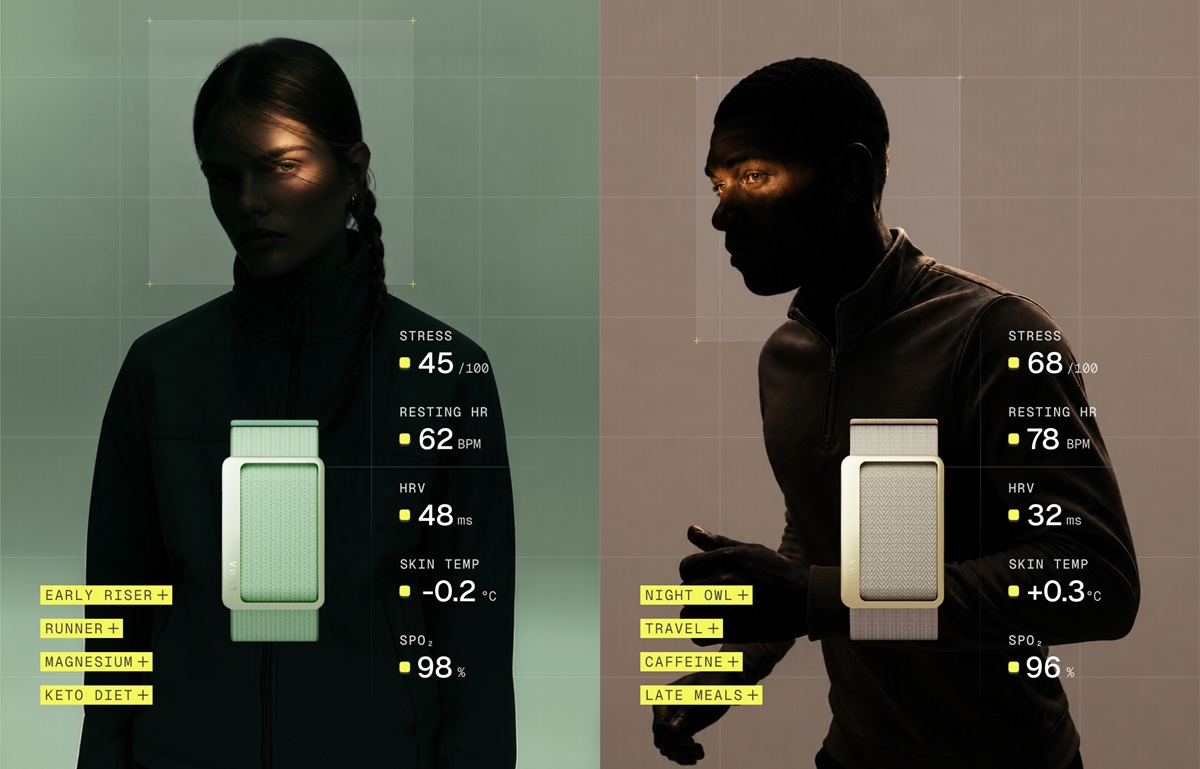
Users can add a personal objective to LifeOS, which Luna says prompts the Band to adjust which measurements it prioritises and how frequently it collects them. Its models are then retrained around the individual’s baseline and chosen objective, while daily recommendations are reorganised around that goal.
The hardware itself does not physically change between users. Every Luna Band ships with the same sensor package, meaning much of the company’s personalisation pitch rests on its software, algorithms and firmware. Luna claims its Micro Apps and Peak Score features also adapt as LifeOS develops a better picture of the individual wearing the device.
That distinction matters in a wearable market where collecting more biometric information is no longer particularly unusual. Devices from established smartwatch and fitness-tracking brands already monitor everything from sleep and heart rate to recovery and activity. The more interesting question is increasingly what software does with that information once it has been collected.
Luna’s answer is to reduce the amount of interpretation left to the wearer. Rather than expecting users to continually inspect graphs and health metrics, the company says LifeOS converts biometric readings into practical daily guidance presented through a calendar. Whether that approach proves genuinely more useful will depend heavily on the quality of its recommendations and how reliably its models understand individual baselines.
There is another notable difference in Luna’s business model: the €149 purchase price includes its guidance features without requiring an additional subscription. Recurring memberships have become common across connected fitness and health products, so avoiding another monthly fee could make the Band more appealing to buyers already juggling digital subscriptions.
Luna says more than 100,000 people joined its waitlist ahead of release and that its initial product drop sold out. Those figures indicate early interest, although they are company-provided numbers rather than independent evidence of broader market adoption.
The Luna Band is available globally through Luna’s website, with IFA Berlin attendees also able to see the wearable at the company’s stand. Its biggest test now isn’t whether another wrist-worn device can collect health data, but whether LifeOS can turn that familiar stream of measurements into recommendations useful enough to make Luna’s software-first approach stand apart.