
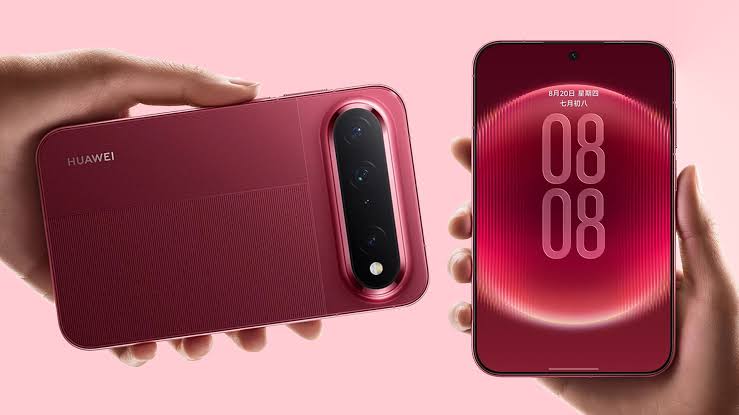
Huawei is taking another swing at smartphone design with the Pura X View, a non-foldable handset built around a noticeably wider display. Instead of following the tall, narrow proportions that have dominated modern phones for years, the new model uses a roughly 16:9.5 aspect ratio, giving it a shape closer to older smartphones while keeping the near-borderless look expected from current devices.
The Pura X View follows Huawei’s earlier Pura X and Pura X Max foldables, which also experimented with wider proportions. This time, however, the company is applying the idea to a conventional slab phone. That makes the device less of a folding-phone curiosity and more of a test of whether consumers might actually prefer wider screens again.
Huawei says the display reaches a 96.1% screen-to-body ratio, helped by bezels measuring just 1.05 mm. The panel has a resolution of 2,232 x 1,320 and a claimed peak brightness of up to 6,500 nits. Huawei has not yet officially confirmed the screen size, which is unusual given how central the display is to the phone’s design.
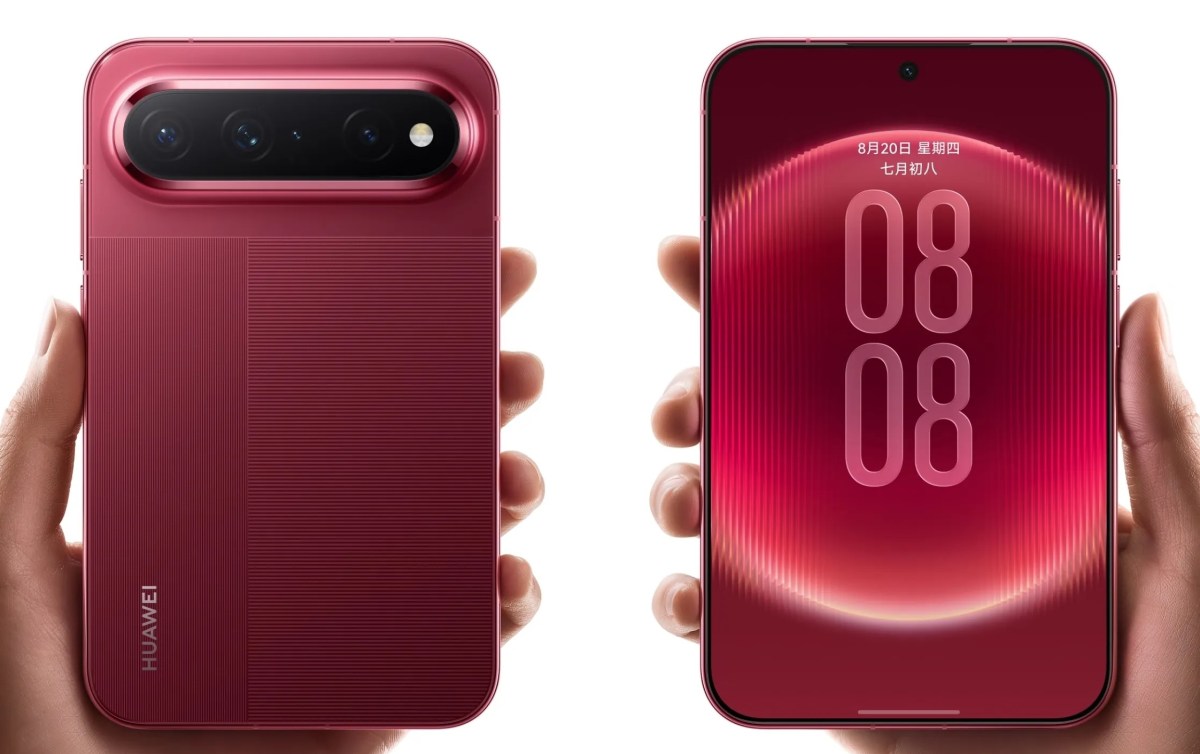
The dimensions are also notable. The Pura X View is 6.68 mm thick and weighs 201 grams, yet houses a 7,000 mAh battery. That combination reflects a broader shift among Chinese smartphone makers toward much larger batteries without dramatically increasing device thickness, helped in part by newer battery technologies.
Several key specifications remain unknown. Huawei has confirmed 12GB of RAM and storage options ranging from 256GB to 1TB, but has not detailed the processor. Earlier leaks pointed to a Kirin 9030S chip, a 6.39-inch display and three 50-megapixel rear cameras, although those claims should be treated cautiously. The same leak reportedly missed the final battery capacity, which raises questions about the accuracy of the remaining details.
Images of the device show a triple-camera system arranged horizontally across the rear. Huawei has not yet published the camera specifications, so comparisons with current flagship phones will have to wait.
The wider screen is arguably the more interesting part of the announcement anyway. Modern smartphones gradually moved away from 16:9 proportions as manufacturers pursued taller displays that were easier to hold while still increasing screen area. Huawei is effectively revisiting the older geometry, but without the thick top and bottom bezels that defined phones such as the Galaxy S7 Edge, Nexus 6P and early Pixel models.
Huawei also positions the format as better suited to video, though wider dimensions could have benefits for reading, multitasking and landscape-oriented apps as well. The trade-off is obvious: a wider phone may be less comfortable for one-handed use, something that will depend heavily on its final dimensions.
Pricing and full availability details are expected on August 28, with pre-reservations already open in China. A broad international release currently looks unlikely. The bigger question is whether Huawei has identified a genuine appetite for wider smartphones or simply created another niche design experiment. If rivals follow, the familiar tall smartphone silhouette may finally have some competition.