
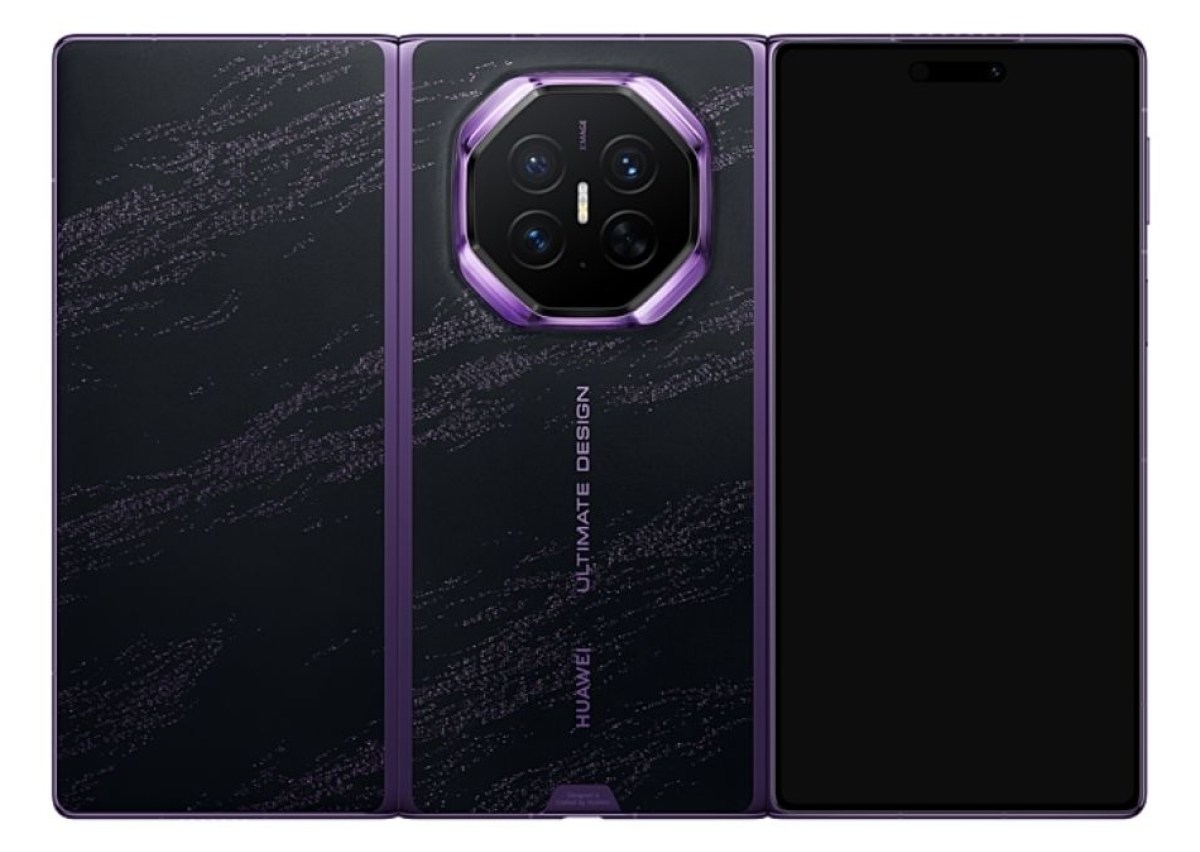
Huawei is preparing to take another swing at the still-experimental tri-fold smartphone category, with the Mate XT 2 now available for pre-order in China ahead of its official September 7 launch. Alongside opening reservations, Huawei has confirmed several colour and storage configurations while giving a clearer look at how its latest foldable differs from the original Mate XT.
The biggest change isn’t the colour palette or storage capacity, though. Huawei has redesigned the folding arrangement.
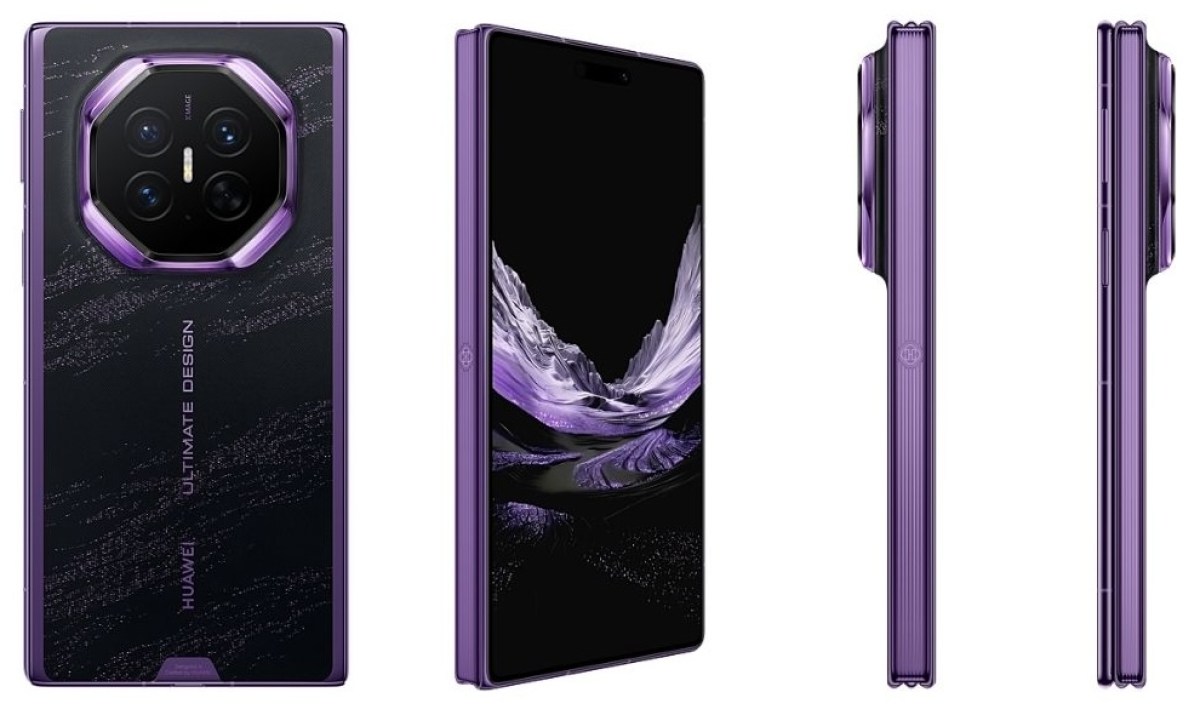
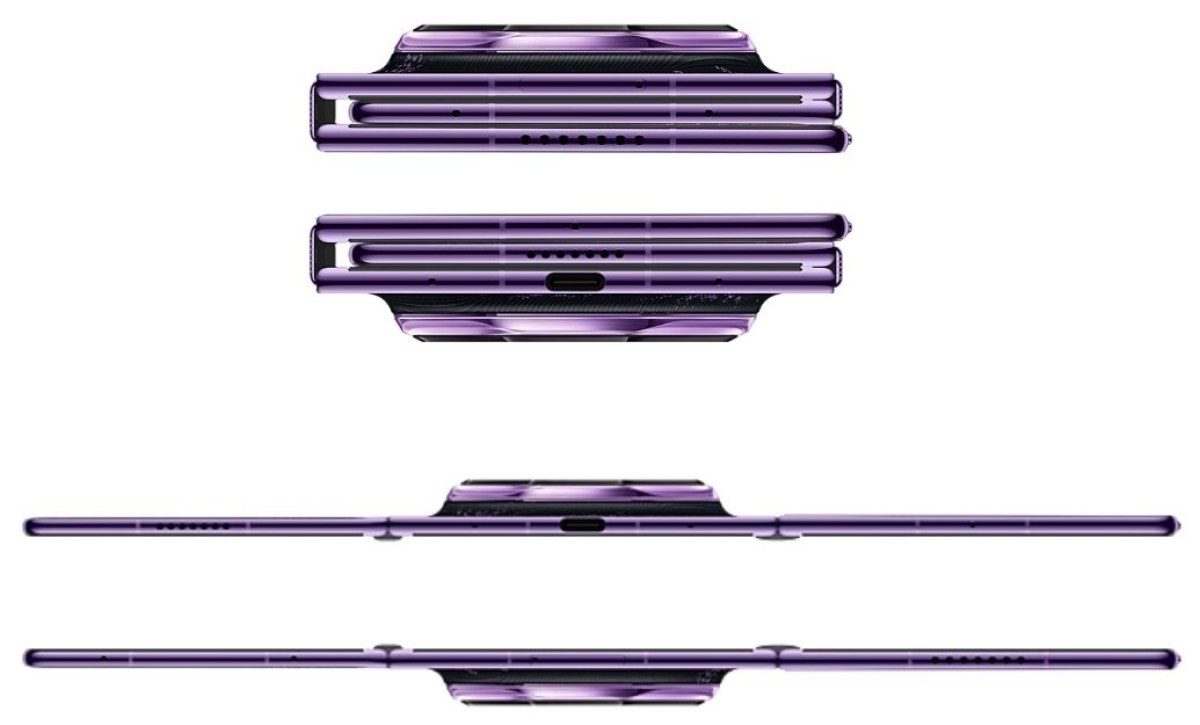
While the original Mate XT used a distinctive multi-folding mechanism that allowed its display to transform between conventional smartphone and tablet-like layouts, the Mate XT 2 adopts an inward-folding design and adds a dedicated cover display. That could make everyday use more conventional, allowing owners to access a standard exterior screen without unfolding the larger internal display.
Huawei has retained some visual continuity elsewhere. The rear carries an octagonal camera housing reminiscent of the first Mate XT, keeping the family resemblance despite the revised folding architecture.
In China, the Mate XT 2 will be offered in three colours: Dark Black, Pure White and a purple finish currently translated as Jin Purple. Buyers will have a choice between 16GB of RAM paired with either 512GB or 1TB of storage.
There are also more specialised configurations. Huawei is offering a privacy matte-display version with 16GB of RAM and 1TB of storage, while the range-topping 16GB/2TB model will include a stylus. Pricing for the different variants has yet to be detailed in the supplied information, making it difficult to judge how aggressively Huawei intends to position the new model.
Some of the more important hardware specifications remain unofficial. The Mate XT 2 is expected to use Huawei’s Kirin 9050 Pro chipset and reportedly carries a 6,000mAh battery. Its rear camera system is also rumoured to resemble the setup used by the Mate X7. Those details should be treated as unconfirmed until Huawei provides the complete specification sheet at launch.
The Mate XT 2 arrives at an interesting point for foldables. Tri-fold devices remain far more niche than conventional book-style foldables, partly because adding another hinge and display section introduces additional challenges around thickness, weight, durability and cost. The benefit is considerably more usable screen area without carrying a separate tablet.
Huawei’s decision to move towards an inward-folding format with a cover screen suggests practicality is becoming just as important as demonstrating what flexible displays can technically achieve.
September 7 should answer the remaining questions around pricing, dimensions, cameras and performance. Just as importantly for buyers outside China, Huawei has yet to establish whether the Mate XT 2 will receive the same kind of international availability as its predecessor.