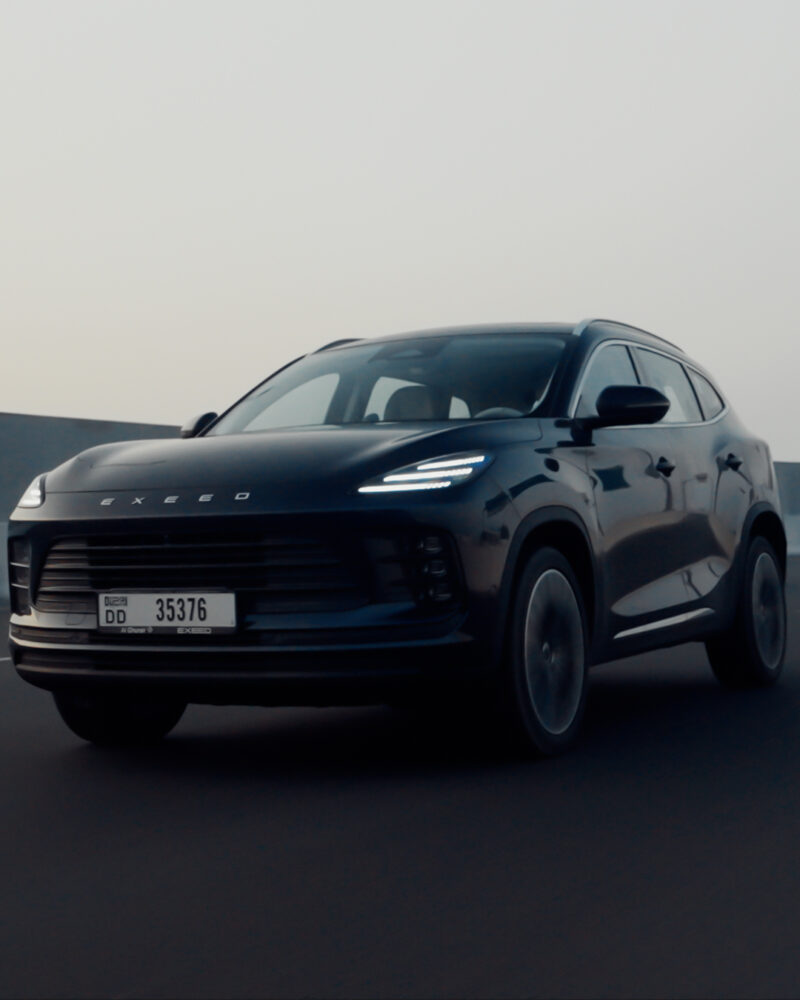

Huawei has wrapped up a photography project that sent a group of photographers across all seven emirates with its Pura 90s Series phones. It is both a showcase of the UAE and a carefully staged demonstration of what Huawei’s cameras can do.
The initiative, called “The UAE. A Closer Look.”, ran under Huawei’s XMAGE imaging brand. The Hamdan bin Mohammed bin Rashid Al Maktoum International Photography Award (HIPA) selected the photographers and coached them on composition and visual storytelling throughout. Tourism authorities in each emirate arranged access and logistics, so the project carries institutional weight beyond a typical smartphone ad.
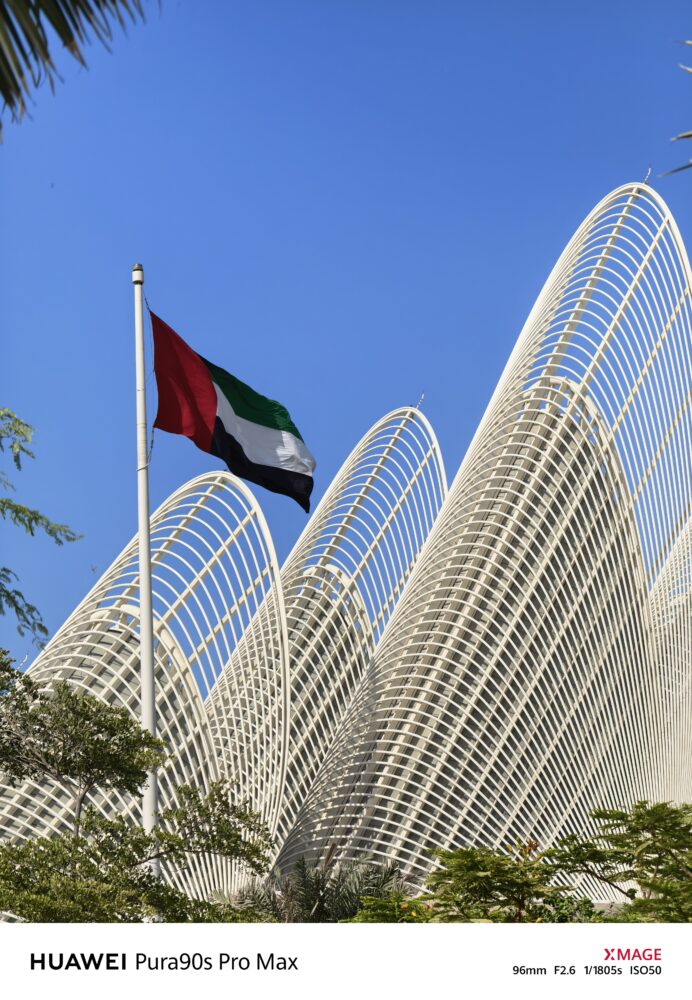
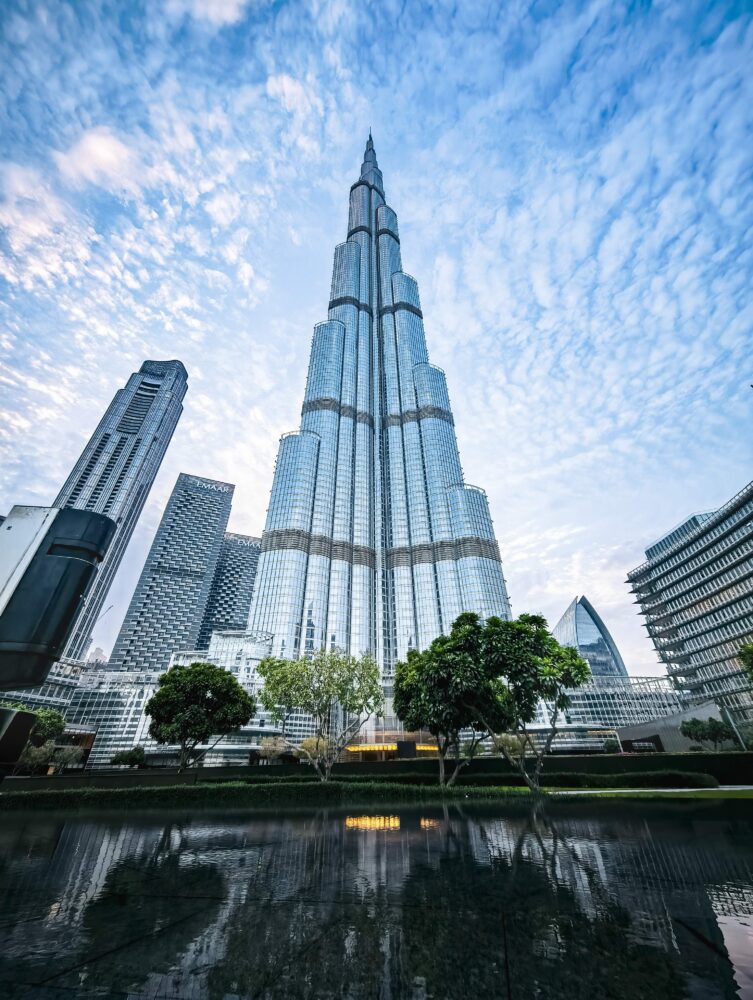
The route covered familiar and less-visited places. In Abu Dhabi, the photographers shot Sheikh Zayed Grand Mosque, Louvre Abu Dhabi and Zayed National Museum. In Dubai, they moved between the old wind-tower lanes of Al Fahidi and newer landmarks such as the Museum of the Future and Dubai Frame. Further afield were the Mleiha Archaeological Centre in Sharjah, Fujairah Fort, the Al Zorah mangroves, and the Masfout mountain area with its oases and historic towers. Ras Al Khaimah and Umm Al Quwain were also included, though fewer of their specific locations were named.
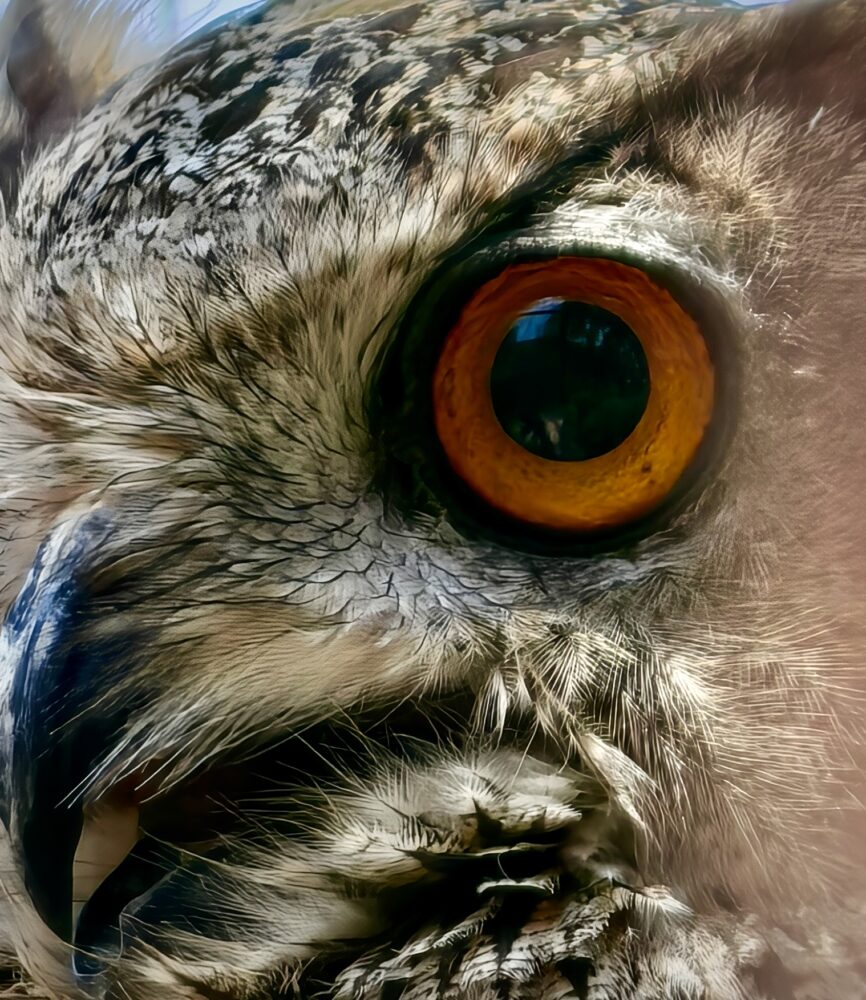
Every image was shot on the Pura 90s Series, and the hardware is clearly part of the pitch. The phones use a 200-megapixel telephoto camera with a large sensor, an HDR-focused main camera that Huawei calls Ultra Lighting, and a colour-accuracy system it brands True-to-Colour Camera 2.0. Uncompressed RAW capture gave the photographers room to edit afterwards. That matters when judging the results, because professionally edited RAW files show what the phone can do with skill and time, not what a typical user gets straight from the camera.
The approach is familiar. Apple has long used its “Shot on iPhone” campaigns to tie camera hardware to artistic credibility. Huawei has been building XMAGE as its own imaging identity since it ended its partnership with Leica in 2022. Working with HIPA, one of the region’s most prominent photography awards, gives that effort local credibility that a billboard couldn’t.
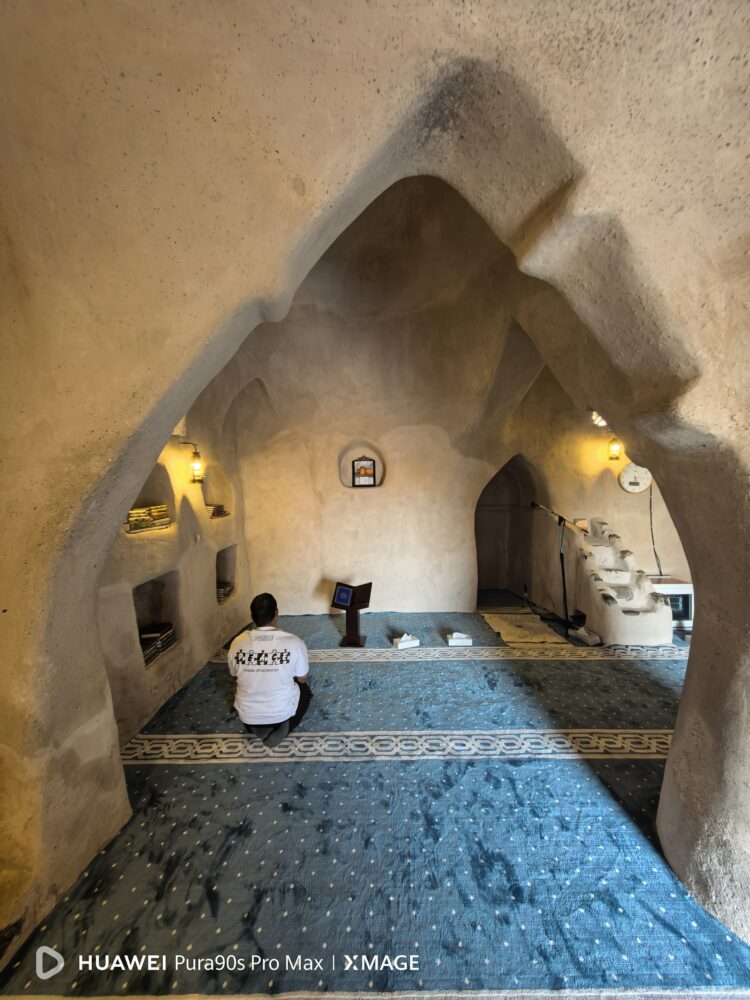
Huawei’s regional marketing team describes the project as the start of a wider community of UAE photographers using its devices. That points to future instalments, though no programme details have been announced.
What happens to the photos next is still unclear. There is no word yet on a public exhibition, a book, or how many photographers took part. Without that, the project serves as a polished tourism and marketing showcase, but not yet a lasting visual record of the country.