


The AR glasses market has been quietly bubbling away, waiting for someone to properly ignite it. Out of nowhere, HTC – yes, HTC – has decided it’s their moment. The company has unveiled the Vive Eagle, a pair of AI-powered AR sunglasses designed to compete directly with Meta’s popular Ray-Ban smart glasses. Only this time, there’s no luxury sunglasses partnership – HTC has built them entirely in-house.
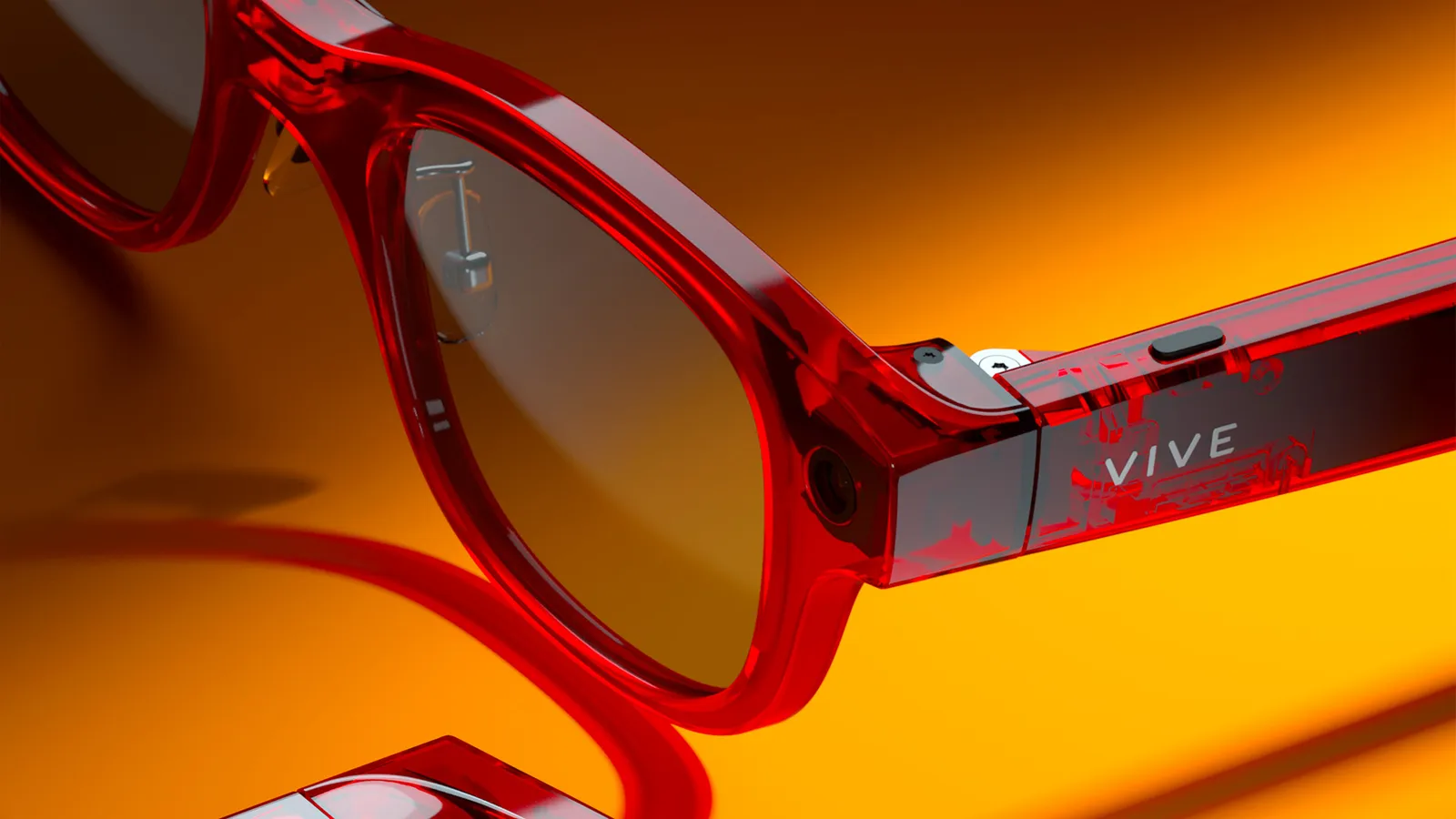
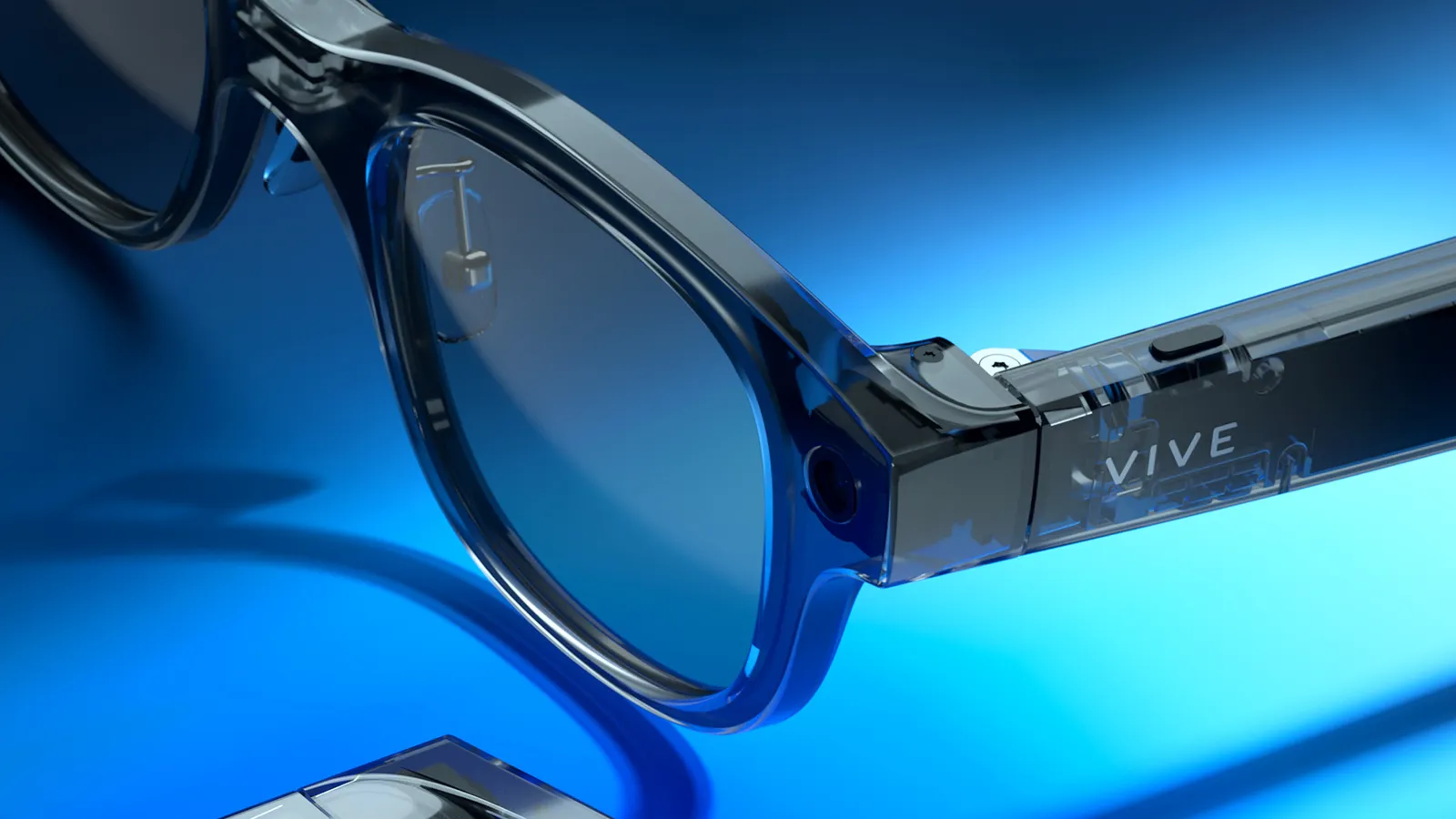
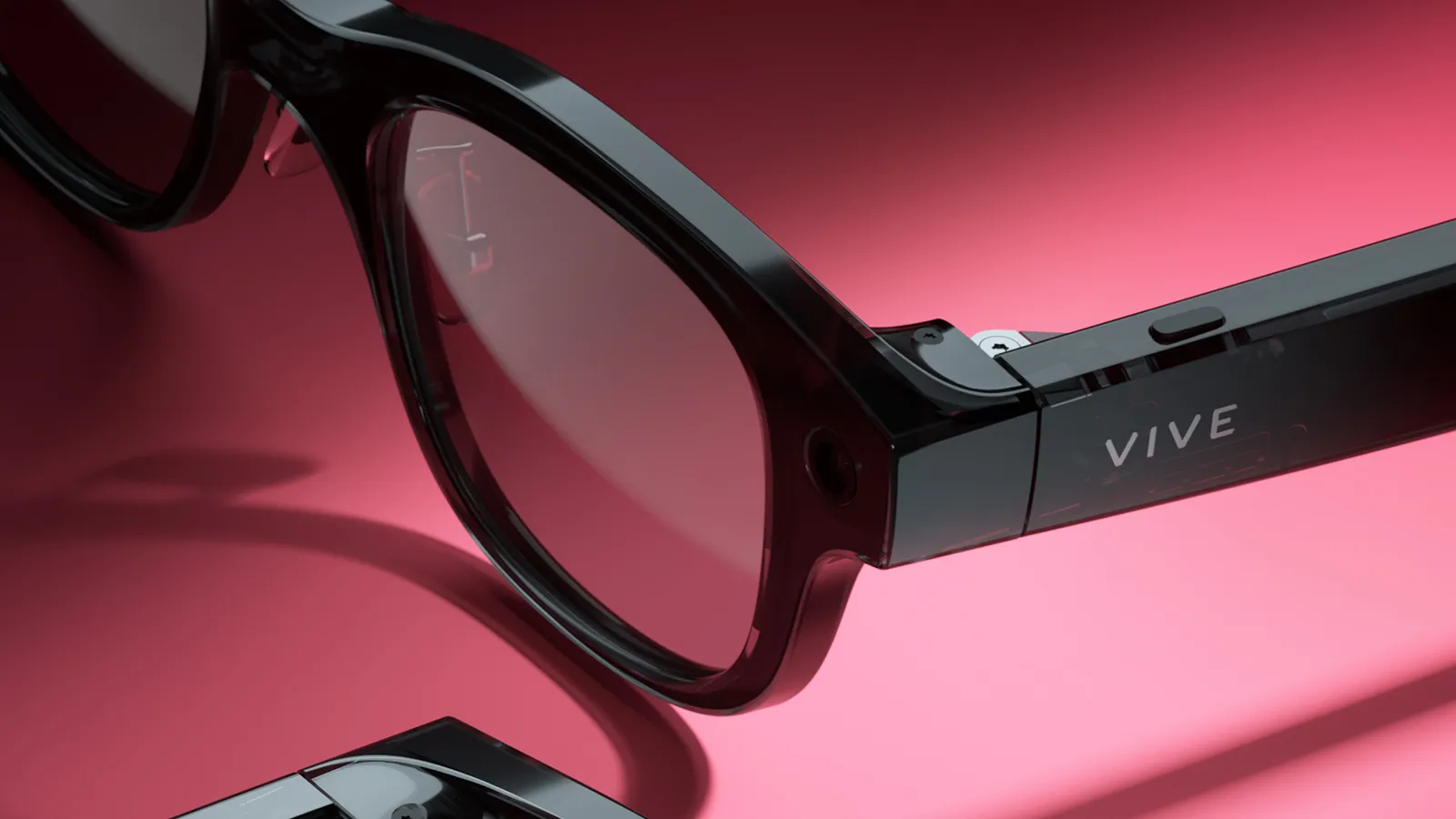
Design-wise, you’d be forgiven for thinking you’d seen them before. The Vive Eagle’s frame takes obvious style cues from Ray-Ban’s iconic shapes, right down to the 49g weight, matching Meta’s glasses almost gram for gram. Available in Berry, Black, Coffee, and Grey, each pair has a subtle transparency so you can peek at the inner components. They’re IP54-rated for dust and water resistance, so they’ll survive the average coffee spill or sudden rain shower.
Under the hood, things are a little more grounded. The Vive Eagle runs on Qualcomm’s Snapdragon AR1 Gen 1 chip – launched back in 2023 – and packs a 12MP ultrawide camera for first-person photos and videos at up to 1512 x 2016 resolution and 30fps. A capture LED lets people know when you’re recording, and if you try to block it, recording stops automatically.
Naturally, the glasses come with voice control. You can trigger Google Gemini completely hands-free, while ChatGPT integration is in beta. Saying “Hey Vive” lets you issue commands like taking photos. Vive AI handles real-time translation in 13 languages at launch – a handy travel trick – and HTC says all data stays on the device for privacy.
Battery life depends on how you use them: up to 36 hours on standby, 4.5 hours of music playback through the built-in speakers, or around 3 hours of voice calls via the integrated microphones.
For now, the Vive Eagle is a Taiwan-only launch, available for pre-order at NT$15,600 (roughly $520). That’s pricier than Meta’s smart glasses, and HTC hasn’t confirmed international availability. Still, with Meta’s next Ray-Ban update looming, it’ll be fascinating to see whether HTC’s sudden re-entry into the conversation is a comeback… or just a cameo.