
The Google Pixel 11 Pro reviews are out, giving us our first proper indication of whether Google’s latest flagship lives up to the hype. This isn’t a dramatic reinvention of the Pixel formula. Instead, Google has focused on refinements, including its Tensor G6 processor, camera improvements, a brighter display, faster charging and a new collection of AI-powered features.
The overall reaction is positive, but there’s a clear theme: the Pixel 11 Pro is an excellent smartphone, but not necessarily an exciting upgrade. The cameras remain among its biggest strengths, Google’s software continues to impress and several new AI features are genuinely useful. However, the higher starting price and relatively modest hardware changes make the upgrade argument more complicated, particularly for existing Pixel owners.
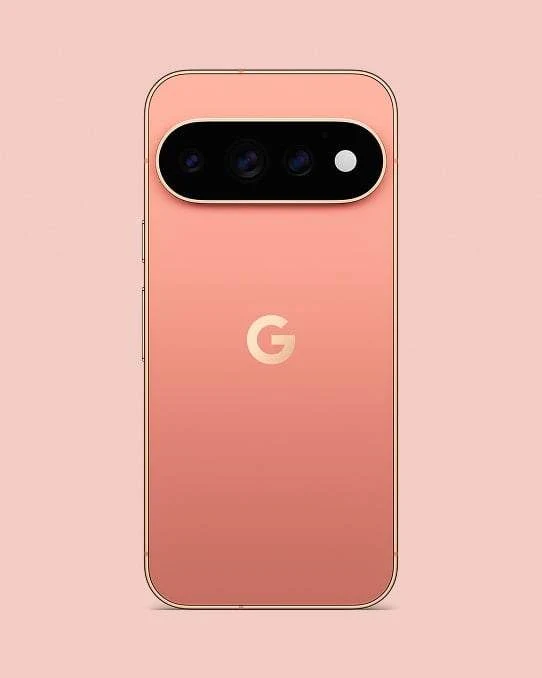
Design and display: familiar, polished and brighter
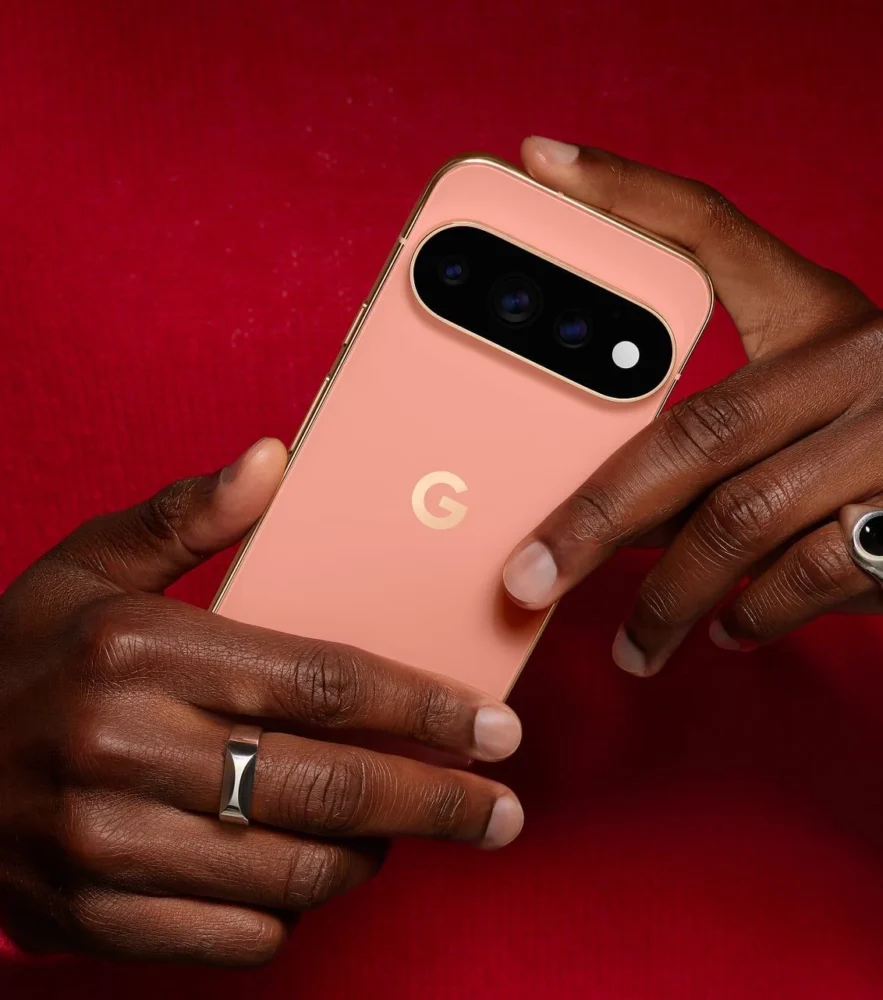
The Pixel 11 Pro follows the design language established by recent generations, and reviewers generally agree that it feels every bit like a premium flagship. The downside is that it doesn’t immediately feel like a dramatically new device, particularly alongside its predecessor.
The OLED display now reaches a claimed peak brightness of 3,600 nits, improving outdoor visibility and giving HDR content additional punch. It’s another example of the Pixel 11 Pro’s overall approach: refinement rather than revolution, but still a meaningful practical improvement.
Cameras: better hardware and more creative control
Photography continues to be one of the Pixel 11 Pro’s biggest strengths. The most important hardware change is the telephoto camera, which uses a larger sensor to improve low-light zoom photography and results at longer focal lengths. Google has also made Night Sight considerably faster, making low-light photography more convenient.
Two new features add more flexibility. Camera Looks lets users adjust characteristics including contrast, highlights, shadows, warmth, sharpness and grain, giving photographers more control over Google’s traditionally automatic computational photography.
Magic Capture, meanwhile, tackles the problem of deciding whether to shoot a photo or video. The phone captures what’s happening and uses AI to identify useful still images and video clips afterwards. There are limitations around stabilisation and extracted footage quality, but reviewers have generally responded positively to the idea.
Overall, the camera improvements are evolutionary rather than transformative, but the Pixel remains one of the strongest point-and-shoot smartphone cameras available.

Rambler and Google’s growing AI ambitions
One of the Pixel 11 Pro’s most praised new features has nothing to do with photography. Rambler is Google’s new approach to voice typing, designed to understand the messy way people actually speak. You can hesitate, repeat yourself or correct something halfway through a sentence, and Rambler attempts to turn it into clean written text.
It’s a relatively simple idea, but reviewers have been extremely positive because it’s the kind of AI feature that could genuinely become part of someone’s daily routine.
Google is also pushing Gemini deeper into the Pixel experience through Proactive Assistance. The idea is that the phone can understand what’s happening and suggest relevant actions automatically, such as offering to check your calendar while discussing availability.
When it works, it offers an intriguing glimpse at how smartphones could operate in the future. The problem is consistency. More complicated requests can be unpredictable and suggestions don’t always appear when expected, making Proactive Assistance feel like an early version of something Google will continue developing.
HiLight has received a similarly mixed response. Google has replaced the temperature sensor with a multicoloured LED incorporated into the rear flash, allowing the phone to communicate information through colours when placed face down. The idea has potential, but right now it doesn’t do enough to feel like a compelling reason to buy the phone.
Performance, battery and charging
The Pixel 11 Pro uses Google’s new Tensor G6 processor, with the company’s priorities remaining focused on machine learning, photography and AI rather than benchmark records.
For everyday use, performance appears excellent. Apps open quickly, animations are smooth and the phone feels every bit like a premium flagship. Demanding gaming remains the exception, with competing flagship processors likely to appeal more to players chasing maximum graphics performance.
Battery life is similarly good rather than groundbreaking. It should comfortably handle normal daily use, but Google hasn’t delivered the dramatic endurance improvements seen from some Android competitors.
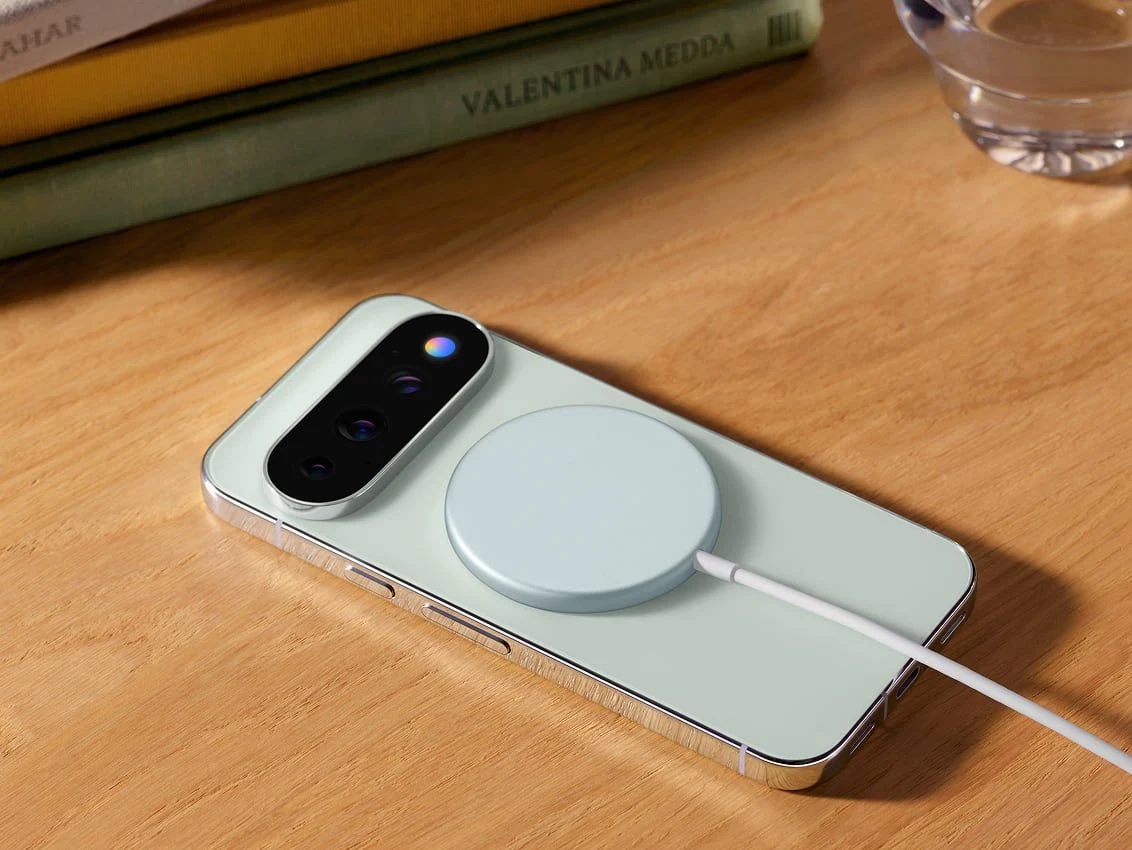
Charging is more interesting. The Pixel 11 Pro supports Qi2.2 magnetic wireless charging at up to 25W, with built-in magnets allowing chargers, stands and wallets to attach directly without requiring a specialised case.
The $1,099 price is difficult to ignore
Perhaps the Pixel 11 Pro’s biggest weakness is its $1,099 starting price. Google has doubled base storage from 128GB to 256GB, which helps justify some of the increase, but the entry-level model now comes with 12GB of RAM instead of the 16GB offered by its predecessor.
Twelve gigabytes is more than enough for most users, but increasing the price while reducing one specification is difficult to ignore when many of the other hardware improvements are relatively modest.
At this price, the Pixel 11 Pro is competing directly against the very best smartphones available, meaning buyers have every right to expect significant improvements.
Should Pixel 10 Pro owners upgrade?
For anyone coming from an older Pixel, there’s plenty to appreciate: an excellent display, highly capable cameras, improved zoom photography, Google’s latest AI features, magnetic wireless charging and one of the cleanest Android experiences available.
For Pixel 10 Pro owners, the argument is much weaker. The design is familiar, battery life hasn’t taken a huge leap, everyday performance was already excellent and the camera improvements aren’t transformative.
Several of the Pixel 11 Pro’s most interesting additions are software-driven too, raising the possibility that some could eventually appear on older Pixel devices. The Pixel 11 Pro is clearly the better phone, but whether it’s sufficiently better to justify replacing last year’s model is another question.
Google Pixel 11 Pro: the verdict
The consensus around the Google Pixel 11 Pro is fairly clear: this is a very good smartphone and a relatively modest upgrade, and those two things can be true at the same time.
Google improves an already successful formula with a better telephoto camera, brighter display, magnetic charging and increasingly sophisticated AI features. Interestingly, it’s the practical additions — Rambler, Camera Looks, faster Night Sight and Magic Capture — that appear to stand out more than heavily promoted features such as HiLight and Proactive Assistance.
That’s perhaps the biggest lesson from the Pixel 11 Pro. The best smartphone AI isn’t necessarily the feature capable of producing the most impressive demonstration. It’s technology that quietly makes something you already do easier.
For anyone upgrading from an older smartphone, the Pixel 11 Pro looks like one of the strongest Android flagships of 2026. Pixel 10 Pro owners, however, have much less reason to rush out and upgrade.
Ultimately, the Pixel 11 Pro doesn’t reinvent Google’s smartphone. It simply makes an already excellent one better — and whether that’s enough depends largely on the phone currently in your pocket.