

Acer marks 50 years since its founding in 1976 and 34 years of operations in the Middle East, a period during which the company has supplied computing hardware to markets undergoing rapid digital change. In the UAE and Saudi Arabia, where governments are investing heavily in artificial intelligence infrastructure, Acer positions itself as one of several vendors providing devices that could support these ambitions.
The Taiwanese firm began as a modest player in personal computing and gradually expanded into gaming systems, educational tools, and enterprise solutions. Its regional footprint dates back to the early 1990s, when it established distributor networks and service centers across the Gulf. Over time, these partnerships helped Acer maintain a steady, if not dominant, presence amid competition from Dell, HP, Lenovo, and increasingly capable local and Asian rivals.
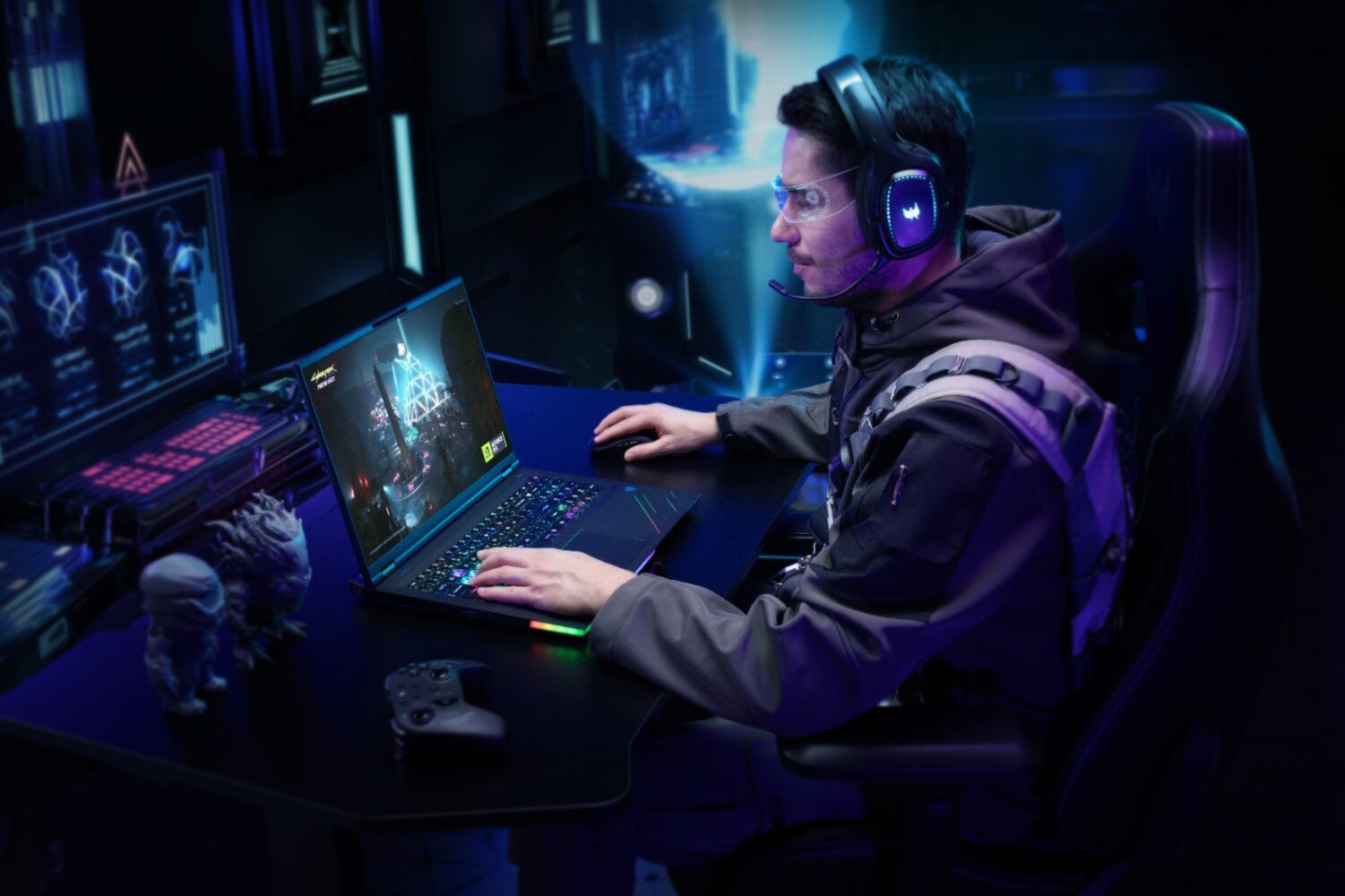
Today, the UAE’s National Strategy for Artificial Intelligence 2031 and Saudi Vision 2030 have placed advanced technology at the center of national economic plans. Both countries are building data centers, training AI talent, and encouraging adoption of intelligent systems in government, healthcare, education, and industry. In this environment, hardware providers like Acer offer laptops, desktops, servers, and peripherals that can run AI workloads or serve as endpoints for cloud-based intelligence. Yet the real drivers of progress remain the policy frameworks, local talent development, and massive sovereign investments rather than any single vendor’s product lineup.

Acer’s spokesperson for the Middle East noted the milestone and thanked long-term partners, distributors, and service teams for their role in sustaining operations through economic cycles and shifting technology trends. The company highlighted its intention to align product development with regional priorities, including AI-capable devices, more energy-efficient hardware, and expansions into areas such as electric mobility components, accessories, and networking gear. These moves reflect a broader industry pattern in which traditional PC makers seek new revenue streams as core computing margins remain under pressure and growth migrates toward software, services, and specialized AI silicon.
Critics might observe that anniversary announcements often serve more as corporate signaling than substantive shifts. Acer has faced the same challenges as many legacy hardware firms: commoditization of personal computers, rising competition from Chinese manufacturers, and the need to differentiate in a market where performance gains have slowed for average users. Its emphasis on sustainability and accessibility is consistent with wider industry rhetoric, though measurable environmental impact depends on supply-chain transparency and actual recycling rates rather than marketing claims.
Looking forward, Acer’s ability to remain relevant in the Middle East will hinge less on celebrating past decades and more on delivering reliable, competitively priced equipment that meets the practical requirements of AI-driven projects. Governments and enterprises in the region have grown sophisticated in their procurement; they prioritize total cost of ownership, service levels, and integration with open ecosystems over brand heritage alone. As the Gulf continues its push toward technological self-sufficiency, vendors like Acer will need to demonstrate tangible value beyond milestone press releases.