
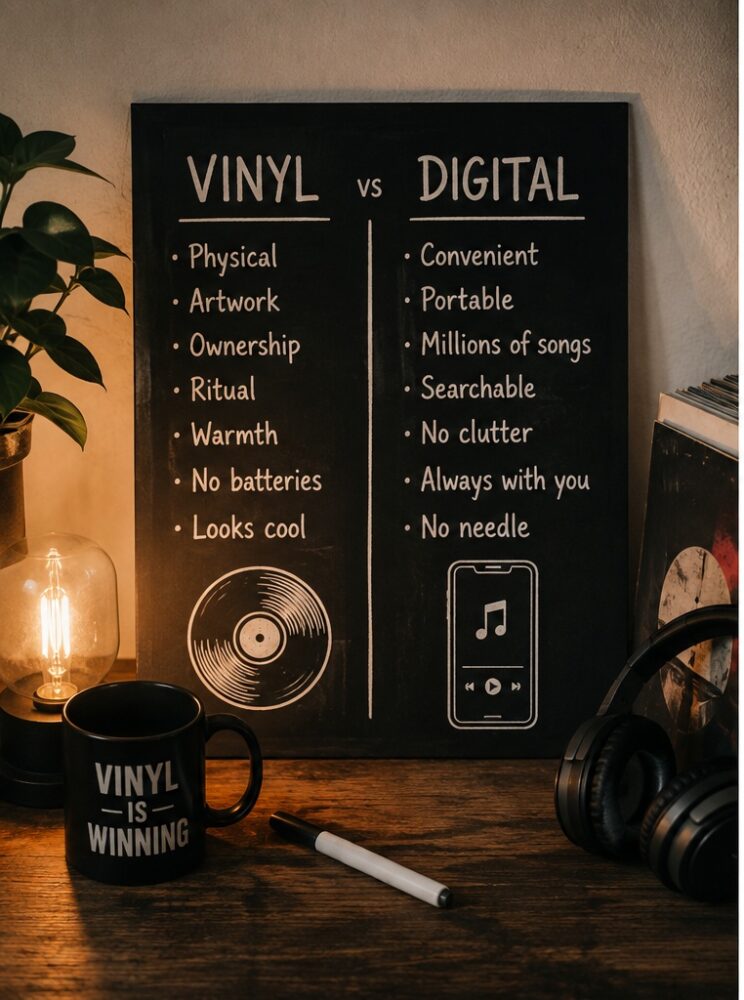
TL;DR: Digital wins for convenience, portability and technical consistency, but vinyl gives me something harder to quantify: ritual, ownership, artwork, mechanical geekery and focused listening. I use both, but when I really want to listen to an album rather than simply play music, I’m still reaching for the record.
I know what year it is. I know I can summon almost any album ever recorded with a few taps, without leaving the sofa, locating my glasses or remembering which shelf I put Kind of Blue on. Digital music is absurdly convenient, technically brilliant and one of those modern luxuries we’ve adopted so completely that explaining CDs to a teenager now feels like describing floppy disks or dial-up internet.
And yet, given the choice, I’ll still reach for vinyl.
Call me old school. Call me nostalgic. Call me the audio equivalent of someone who insists mechanical keyboards are better because the keys make satisfying noises. Guilty as charged. I like records precisely because they’re physical, inconvenient and slightly ridiculous. In a world where everything has been optimized to require approximately three milliseconds of human attention, putting on a record feels wonderfully rebellious.
But vinyl versus digital is more interesting than the usual “warm analogue magic versus soulless ones and zeros” argument. Both formats have genuine strengths, both have weaknesses, and neither side needs audiophile mythology to justify its existence. Digital wins plenty of battles on pure engineering. Vinyl wins others that don’t fit neatly onto a specification sheet.
And that’s where things get interesting.
Vinyl makes listening to music an event again
Streaming has transformed music into something dangerously close to electricity. It’s always there. I can have music playing while working, cooking, driving, gaming or pretending that reorganizing cables behind my desk counts as productive adult behaviour. That’s fantastic, but ubiquity has a strange side effect: sometimes I stop actually listening.
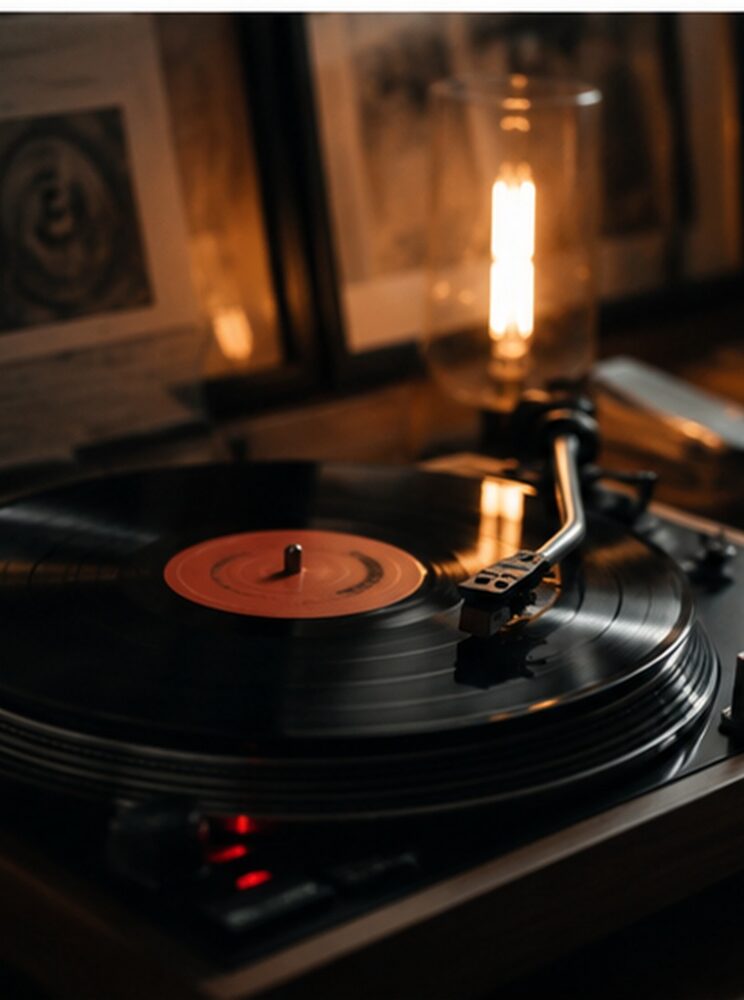
Vinyl demands participation. I choose an album, remove the record from its sleeve, put it on the turntable, lower the stylus and sit down. Eventually, I have to get up and flip it over because apparently my beloved format considers 20-ish uninterrupted minutes perfectly adequate before assigning me a side quest.
I love that.
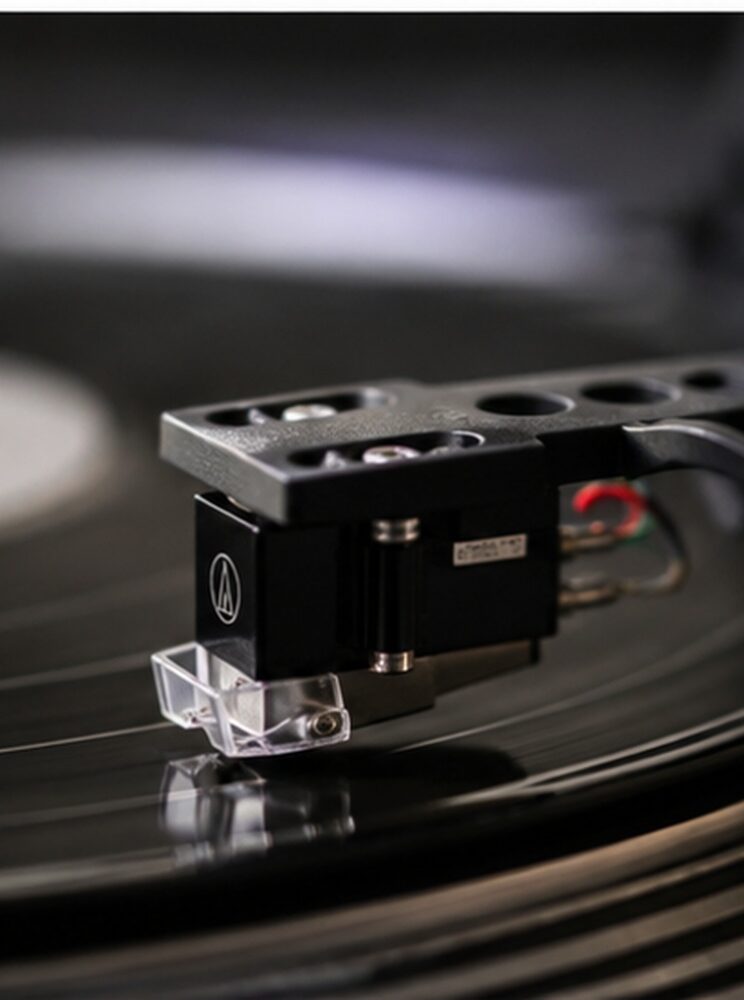
There is friction involved, but that friction changes my relationship with the music. I’m far less likely to skip a track because the intro hasn’t entertained me within seven seconds. Albums become albums again rather than containers from which algorithms harvest individual tracks. Sequencing matters, artwork matters, liner notes matter, and suddenly I’m engaging with something rather than merely consuming it.
Streaming gives me access to music. Vinyl encourages me to spend time with it.
Those are not quite the same thing.
No, vinyl isn’t technically superior to digital
This is where I risk having my Old-School Vinyl Appreciation Society membership revoked.
Properly produced digital audio is an extraordinarily capable format. It doesn’t suffer from surface noise, groove wear or mechanical imperfections. It can deliver excellent channel separation, wide dynamic range and extremely low distortion, and playing the same digital file for the thousandth time doesn’t gradually grind information away from it.
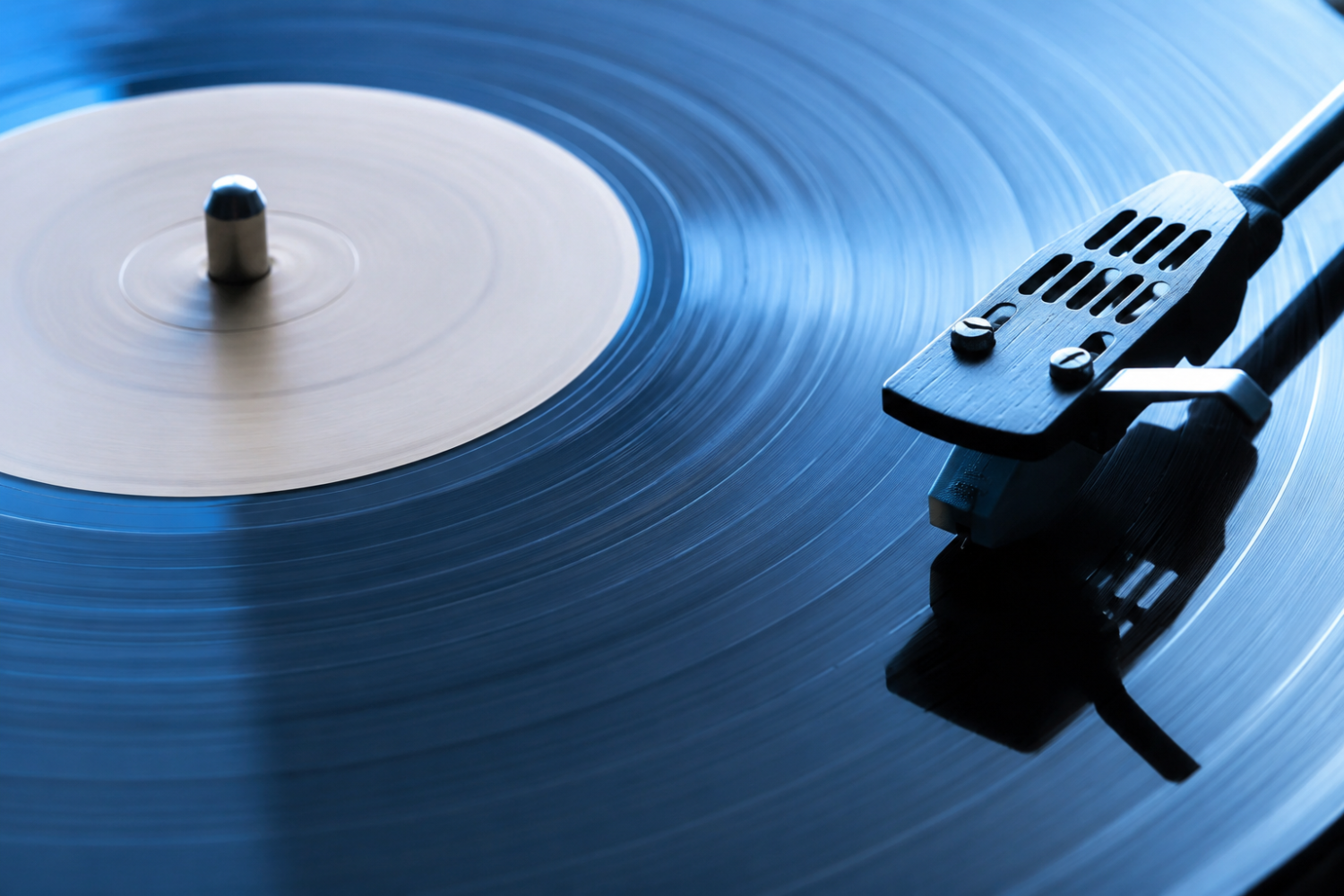
Vinyl has limitations baked into the format because a record is essentially an incredibly precise mechanical storage device. A stylus physically follows microscopic variations in a groove, which means turntable setup, cartridge quality, tracking, vibration, dust, record condition and mastering can all influence what reaches your speakers.
That’s simultaneously completely bonkers and absolutely magnificent.
A tiny needle dragging through a spiral groove can reproduce a full musical performance with startling fidelity. Think about that for a moment. Long before cloud servers, lossless codecs and multi-core processors, engineers figured out how to store music as microscopic physical geometry pressed into plastic.
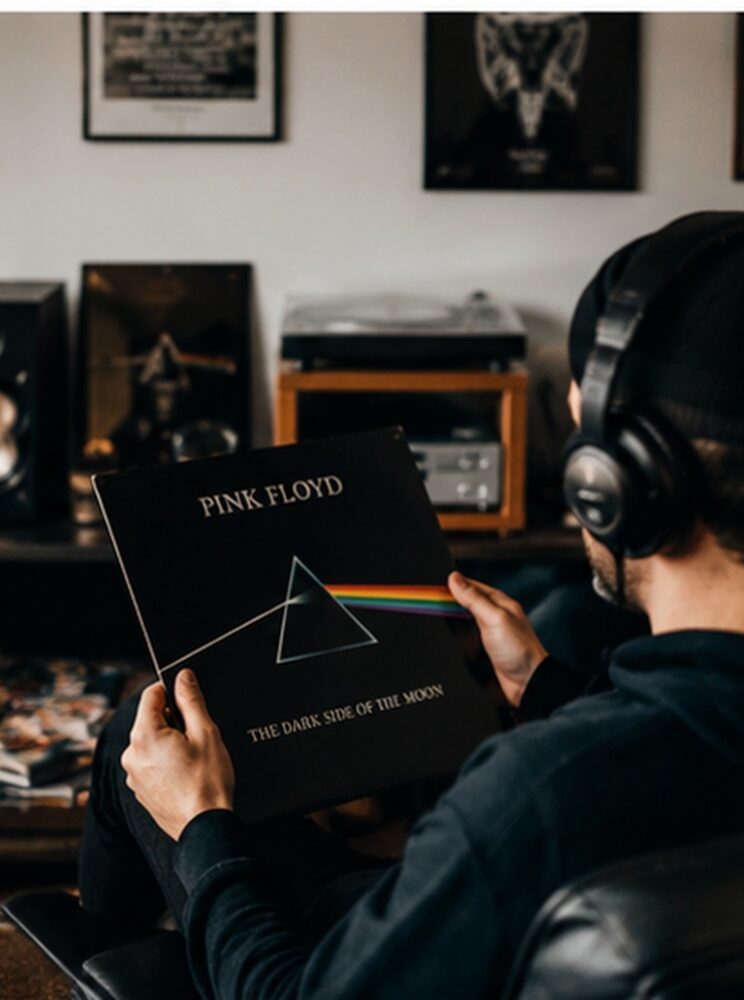
If that isn’t gloriously geeky, I don’t know what is.
But I wouldn’t tell someone that vinyl automatically provides “better sound.” It doesn’t. A great record on a well-configured system can sound wonderful, but so can a properly mastered digital recording. Mastering often matters enormously, and differences between releases can be more meaningful than simply arguing analogue versus digital.
The format badge alone doesn’t guarantee sonic enlightenment.
Digital audio is basically a cheat code
There is no sensible argument against the convenience of digital music.
I can carry a ridiculous music library on a phone that also serves as my camera, navigation system, gaming device, communications hub and portable machine for looking up actors halfway through movies. Streaming takes that further by making enormous catalogues available almost instantly.
For discovering music, digital is unbeatable.
Hear an unfamiliar artist mentioned somewhere? Seconds later, you’re listening. Find an interesting producer? You can disappear down a discography rabbit hole until 2am. Want to compare five different performances of the same piece? Done. Digital removes practically every barrier between curiosity and playback.
And modern lossless streaming makes the old assumption that streaming automatically means heavily compromised audio increasingly outdated. With capable equipment and suitable source material, digital playback can be superb.
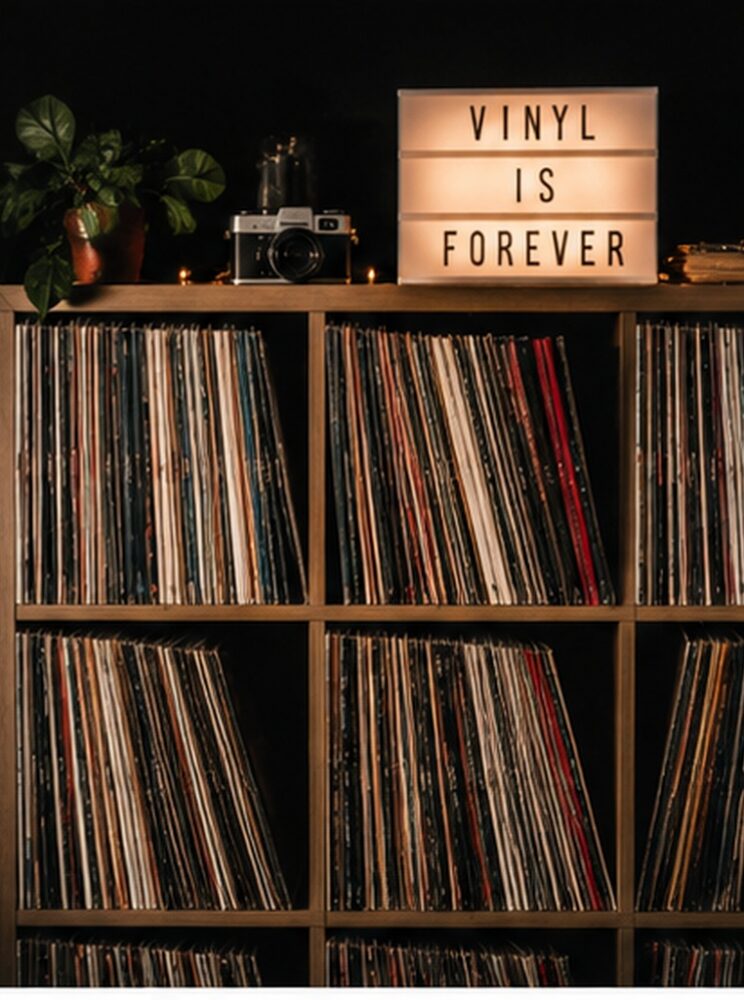
That’s why my affection for vinyl doesn’t require pretending digital audio is the villain. Digital isn’t Emperor Palpatine lurking behind Spotify playlists whispering, “Good… abandon your turntable.”
It’s simply a different way of experiencing music.
And frankly, I use both.
The “warm vinyl sound” deserves a little skepticism
Mention vinyl long enough and somebody will eventually use the word “warm.”
Audiophiles use “warm” so frequently you’d think turntables came with central heating.
There can absolutely be audible differences between vinyl and digital releases, but reducing everything to “analogue is warm, digital is cold” doesn’t explain much. What listeners describe as warmth can involve mastering choices, frequency balance, harmonic distortion, playback equipment, cartridge characteristics and countless other variables.
Two editions of the same album can sound different because they were mastered differently. Swap cartridges and your record playback can change again. Change speakers and you’ve altered something far more fundamental to the overall presentation.
That’s why I wouldn’t buy a turntable expecting some magical analogue filter to descend from the heavens and sprinkle every album with sonic fairy dust.
Buy vinyl because you enjoy vinyl.
If excellent sound is your only objective, there are far easier routes to it.
Vinyl hardware is half the fun
Now we’re entering dangerous territory for anyone susceptible to gear obsession.
A digital setup can be wonderfully geeky, of course. DACs, streamers, amplifiers, codecs, network transports and headphone chains provide enough rabbit holes to financially destabilize a small moon colony. But turntables add mechanical engineering to the equation, and that gives them an irresistible mad-scientist quality.
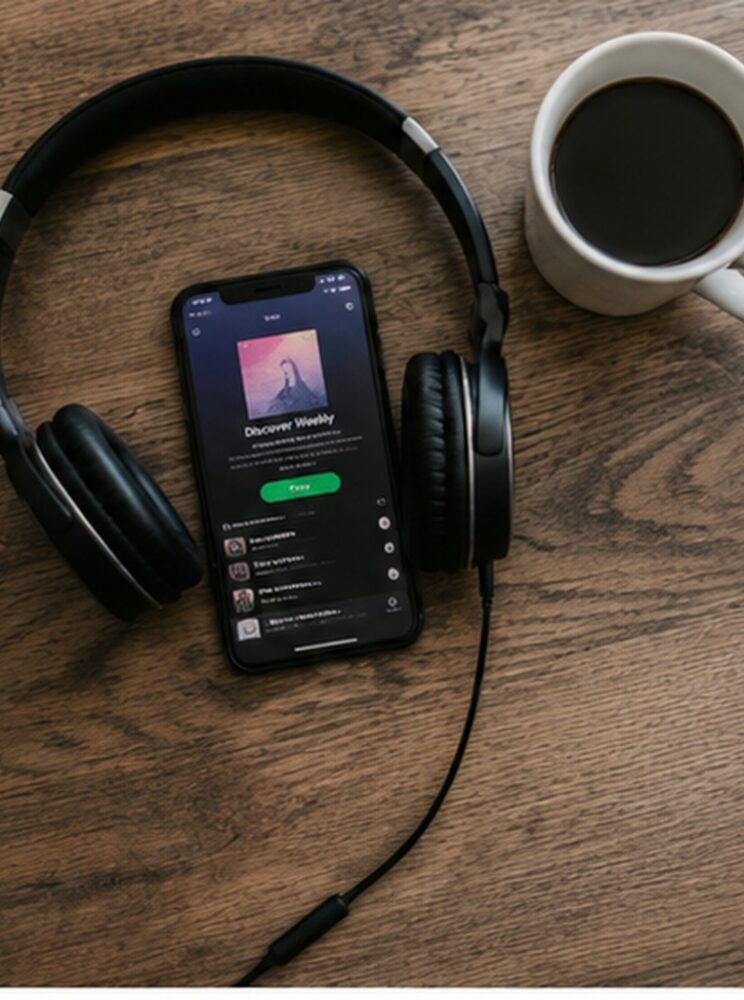
You’ve got the platter, tonearm, cartridge, stylus, motor, bearings, isolation and phono stage all participating in the seemingly straightforward task of playing music. Cartridge alignment matters. Tracking force matters. Turntable placement matters. Even keeping the record clean matters.
Is this more complicated than tapping Play?
Spectacularly. That’s why I like it.
A good turntable is one of those pieces of technology where you can actually see the process happening. The platter rotates, the arm travels across the record and the stylus traces the groove. There’s something satisfying about understanding the mechanical chain connecting a physical object to the sound filling the room.
Modern technology increasingly hides everything behind black boxes and touchscreens. Vinyl leaves some machinery exposed.
For a geek, that’s practically catnip.
But vinyl can turn into an expensive boss battle
Nostalgia should never be allowed to mug your wallet.
Getting into vinyl involves costs that digital listeners don’t necessarily face. You need a turntable, and depending on the model, potentially a separate phono stage. Then there’s the cartridge, cleaning equipment, storage and, naturally, the records themselves.
The upgrade path can also become dangerous.
You begin innocently enough thinking, “Perhaps I’ll buy a nicer cartridge.” Three YouTube videos and seventeen forum threads later, you’re researching platter mats manufactured from materials normally associated with spacecraft and wondering whether your furniture has sufficient vibration isolation.
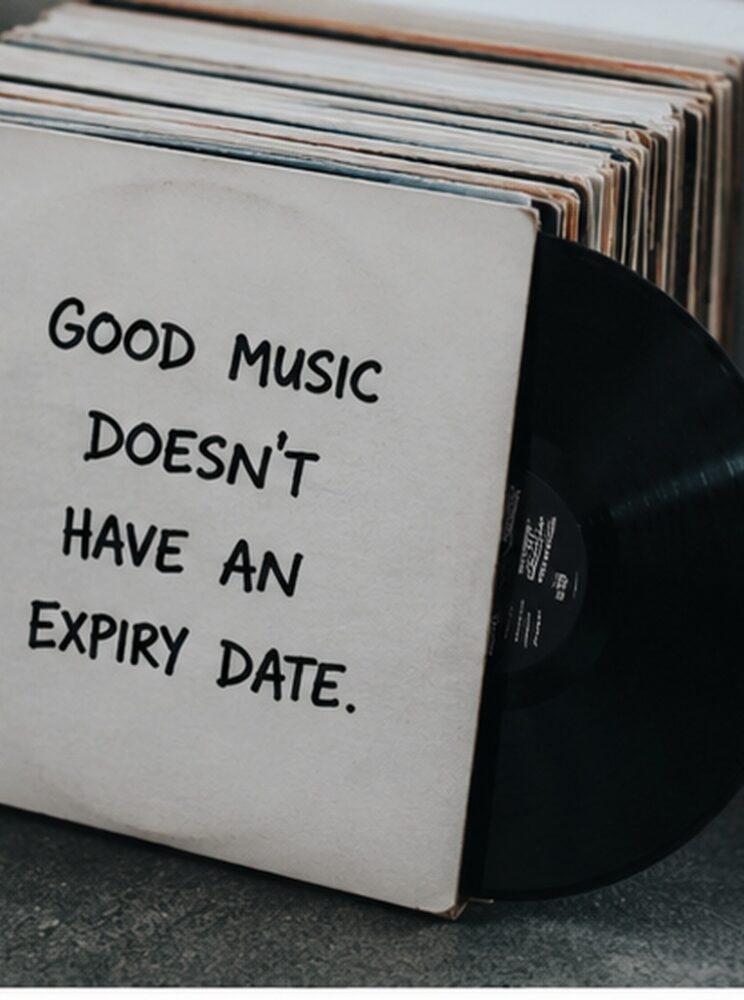
This is where perspective matters.
A competent turntable with a correctly installed cartridge feeding decent speakers can be hugely enjoyable. Spending increasingly absurd amounts doesn’t automatically produce proportionally larger improvements. If your speakers are mediocre or your room acoustics are dreadful, buying an exotic cartridge probably isn’t the Jedi training your system needs.
Prioritize the fundamentals before chasing audiophile accessories promising to realign your chakras through improved transient response.
Records give music something digital can’t replicate
Here’s the part specifications struggle to measure.
Ownership feels different.
A digital library can contain thousands of albums, but scrolling through thumbnails doesn’t give me the same feeling as browsing a shelf of records. Physical albums become objects connected to memories. You remember where you found one, who introduced you to another, which record you hunted for, or which album mysteriously keeps migrating to the wrong section because apparently alphabetical organization is beyond certain members of the household.
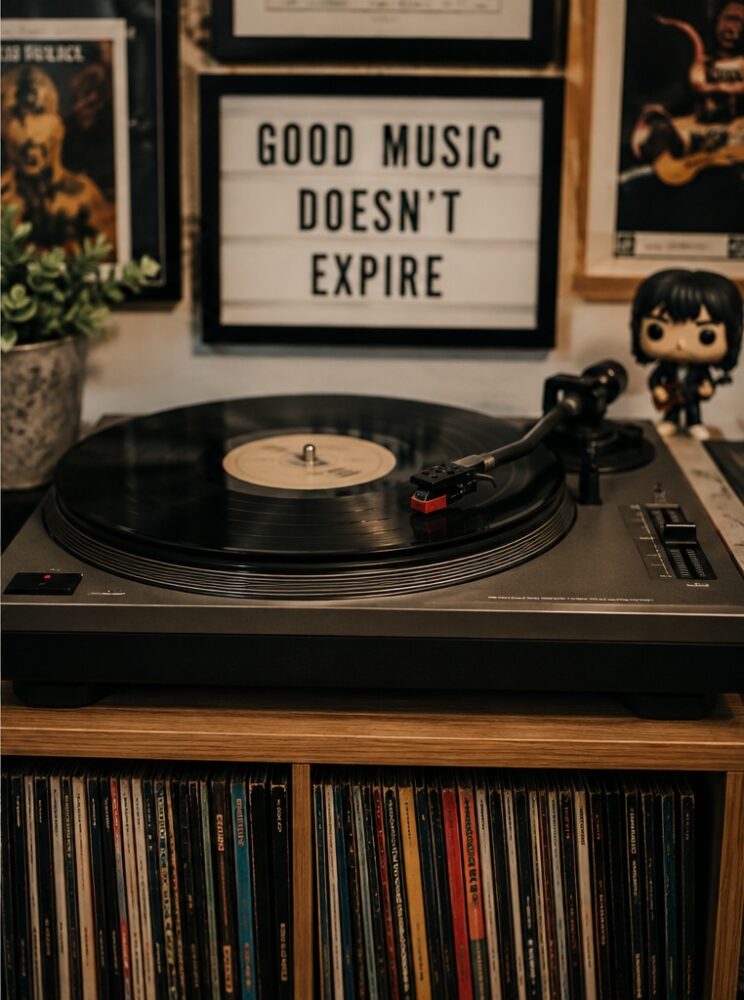
Album artwork also gets room to breathe.
Artwork designed for a 12-inch sleeve feels substantial. Gatefold packaging, printed inner sleeves, photography, lyrics and liner notes turn an album into something closer to an artifact. There’s a sense that you’re holding the complete release rather than simply accessing its audio component.
Yes, this is emotional rather than technical.
That’s the point.
Music itself is emotional. Pretending our relationship with it should be evaluated exclusively through measurements would be like reviewing Star Wars entirely on the aerodynamic efficiency of an X-wing.
Sometimes the experience matters more than the specification.
Digital wins when I actually need convenience
There are situations where even my vinyl-loving brain immediately surrenders.
I’m not installing a turntable in the car. I’m not carrying one onto an aircraft. I’m certainly not going jogging with one unless somebody finally releases the Technics SL-1200 Backpack Edition with active stabilization and a chiropractor subscription.
Digital music wins whenever portability matters.
It also wins for casual listening, discovering new artists, playlists and quickly jumping between albums. Search is instantaneous. There are no shelves to organize, no records to clean and no stylus to replace. A digital collection can follow you practically anywhere without requiring several IKEA units and structural reinforcement for the floor.
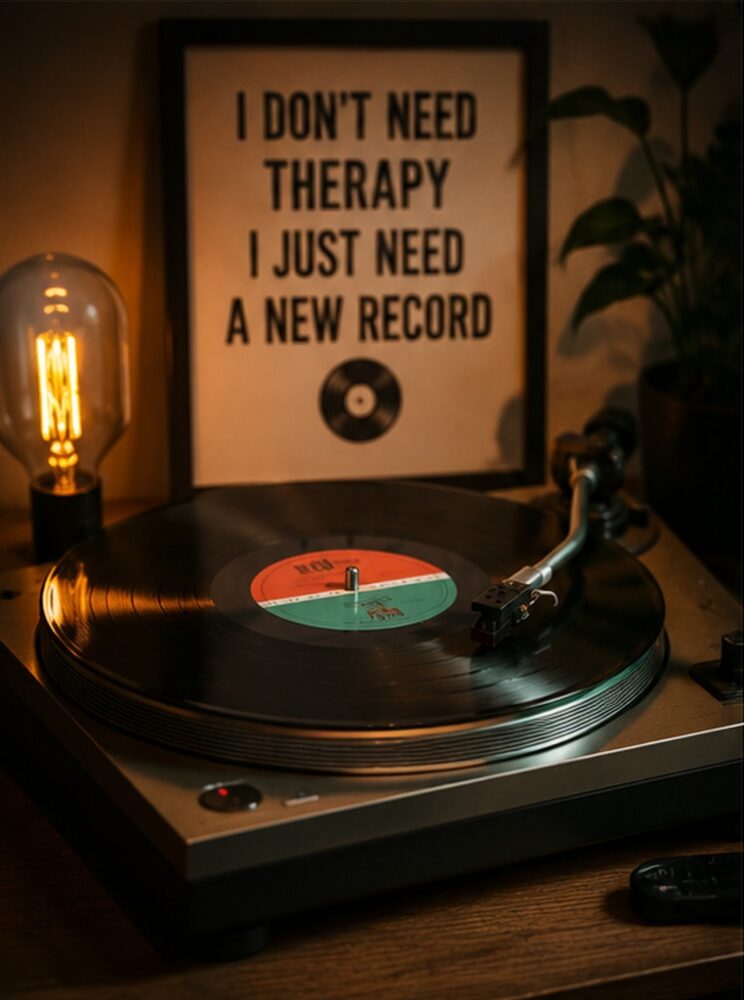
For many people, that’s enough to make digital the obvious choice.
And that’s perfectly reasonable.
If you want music rather than a music hobby, buying physical records can feel like deliberately selecting Hard Mode.
Vinyl makes me choose instead of scroll
This might actually be my favourite thing about records.
Digital abundance can create decision paralysis. Give me access to almost every album imaginable and suddenly I have absolutely no idea what I want to hear. I’ll browse recommendations, open playlists, skip tracks, investigate another artist and somehow spend 15 minutes choosing music without properly listening to any.
A record collection imposes boundaries.
I walk over to the shelf and choose from what I own. That limitation feels refreshing. Instead of wondering what among tens of millions of tracks might theoretically provide maximum entertainment at this exact moment, I pick something and commit.
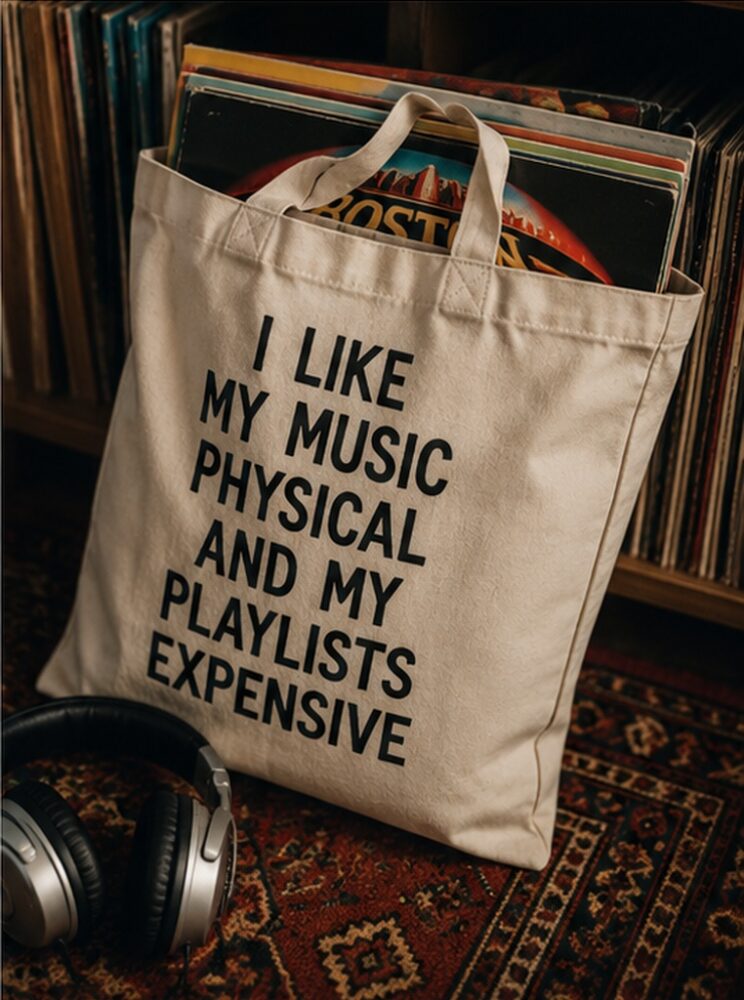
It resembles the difference between choosing a movie from a shelf and endlessly scrolling through streaming menus until you’ve consumed your entire available viewing time looking at thumbnails.
Sometimes more choice produces less enjoyment.
Vinyl fixes that problem with the technological sophistication of a cupboard.
Brilliant.
The real enemy isn’t digital — it’s bad listening
I don’t think vinyl versus digital needs a winner.
The more interesting divide is active listening versus passive consumption.
You can absolutely sit down with headphones, play a lossless digital album from beginning to end and give it your complete attention. That’s every bit as legitimate as putting a record on. Likewise, owning an expensive turntable doesn’t magically turn somebody into a more sophisticated listener.
The equipment is only part of the experience.
What vinyl does for me is create conditions that encourage focused listening. It slows everything down just enough. It makes choosing an album deliberate and skipping tracks inconvenient enough that I usually don’t bother.
Digital gives me freedom.
Vinyl gives me ritual.
I want both.
If you’re getting into vinyl, spend intelligently
The temptation when entering any enthusiast hobby is to buy the thing enthusiasts on the internet insist is the “minimum acceptable” setup. Ignore that mentality.
The best vinyl system is one you can afford, understand and enjoy without treating every listening session like an engineering examination. A decent turntable with sensible adjustability and a competent cartridge is a far better starting point than immediately chasing expensive boutique equipment.
Speakers deserve serious attention because they have an enormous influence on what you hear. Turntable placement and basic setup matter too. Correct tracking force and cartridge alignment aren’t glamorous purchases, but getting fundamentals right is more useful than buying accessories surrounded by suspiciously mystical marketing language.
And don’t build a collection because someone says certain albums are “essential.”
Buy records you actually want to play.
A shelf full of prestigious pressings you never listen to isn’t a music collection. It’s interior decoration with excellent mastering.
The Bottom Line
Digital audio wins the objective convenience war so comprehensively that the referee probably should have stopped the fight several rounds ago. It’s portable, searchable, incredibly flexible and capable of outstanding sound. For discovering music and listening anywhere, I’d never want to give it up.
But vinyl still wins my heart.
I like choosing a record. I like the oversized artwork, the physical collection, the turntable hardware and even the mildly ridiculous ritual of flipping sides. I like that listening requires just enough effort to stop music becoming another invisible background service running alongside email and notifications.
Most importantly, I don’t think enjoying vinyl requires believing it’s technically superior. That’s the trap. Vinyl doesn’t need to beat digital at specifications to justify itself any more than mechanical watches need to outperform smartphones at telling the time.
Sometimes inefficient technology survives because the inefficiency itself creates an experience.
So yes, I’ll keep streaming music. I’ll keep discovering artists digitally. I’ll happily enjoy all the absurd convenience modern audio provides.
Then, when there’s an album I really love, I’ll pull the record from the shelf, lower the stylus and listen the old-school way.
Crackle included.