TL;DR: Toy Story 5 is a triumphant return to form for Pixar’s flagship franchise, delivering its funniest and most emotionally resonant adventure yet by centering Jessie’s compelling arc and thoughtfully exploring technology’s role in modern childhood. With stellar animation, perfect voice work, inventive humor, and heartfelt depth, it balances nostalgia with fresh relevance, creating a must-see experience that delights across generations while leaving the door open for more stories. Pure Pixar magic that reminds us why toys—and the bonds they represent—still matter
Toy Story 5
Walking out of the theater after experiencing Toy Story 5, I felt that rare, unmistakable rush only Pixar can deliver—the kind where your inner child high-fives your adult self while wiping away a sneaky tear. Thirty-one years after the groundbreaking original lit up screens and redefined what animation could achieve, this latest chapter doesn’t just coast on nostalgia. It dives headfirst into the messy, beautiful chaos of modern childhood, where tablets glow brighter than flashlight forts and real connections feel harder to forge than ever. Yet at its core, Toy Story 5 reaffirms why these plastic heroes have captured our hearts for generations: they mirror our deepest fears of obsolescence while celebrating the unbreakable bonds of friendship and imagination.
As a lifelong geek who grew up quoting Woody’s “There’s a snake in my boot!” and still gets chills hearing Buzz’s Spanish mode, I approached this film with equal parts excitement and protective skepticism. Would it recapture the magic of the original trilogy, or feel like another cash-grab sequel stretching the rubber band one too many times? What I discovered was something far more rewarding—a story that evolves the franchise by shifting perspectives in ways that feel both fresh and deeply earned. Jessie steps into the spotlight with a vulnerability that hits harder than any previous entry, forcing us to reconsider how abandonment, loyalty, and adaptation shape not just toys, but the kids who love them. This isn’t recycled plot beats; it’s a thoughtful meditation on today’s digital-native generation, wrapped in Pixar’s signature blend of slapstick brilliance and soul-stirring empathy.
The animation remains a technical marvel, pushing boundaries in subtle yet breathtaking ways. From the hyper-detailed textures of well-loved toys showing every scuff and stitch to the dreamlike shifts into Bonnie’s imaginative play worlds, Toy Story 5 invites you to linger in every frame. It’s the kind of visual storytelling that rewards multiple viewings, where background gags reveal new layers and character expressions convey volumes without a single line of dialogue. Pixar has always excelled at making the inanimate feel profoundly alive, but here they’ve infused that life with a contemporary urgency that speaks directly to parents navigating screen-time battles and kids wrestling with online realities their parents never faced.
Jessie’s Journey: A Bold Leadership Shift That Pays Off Brilliantly
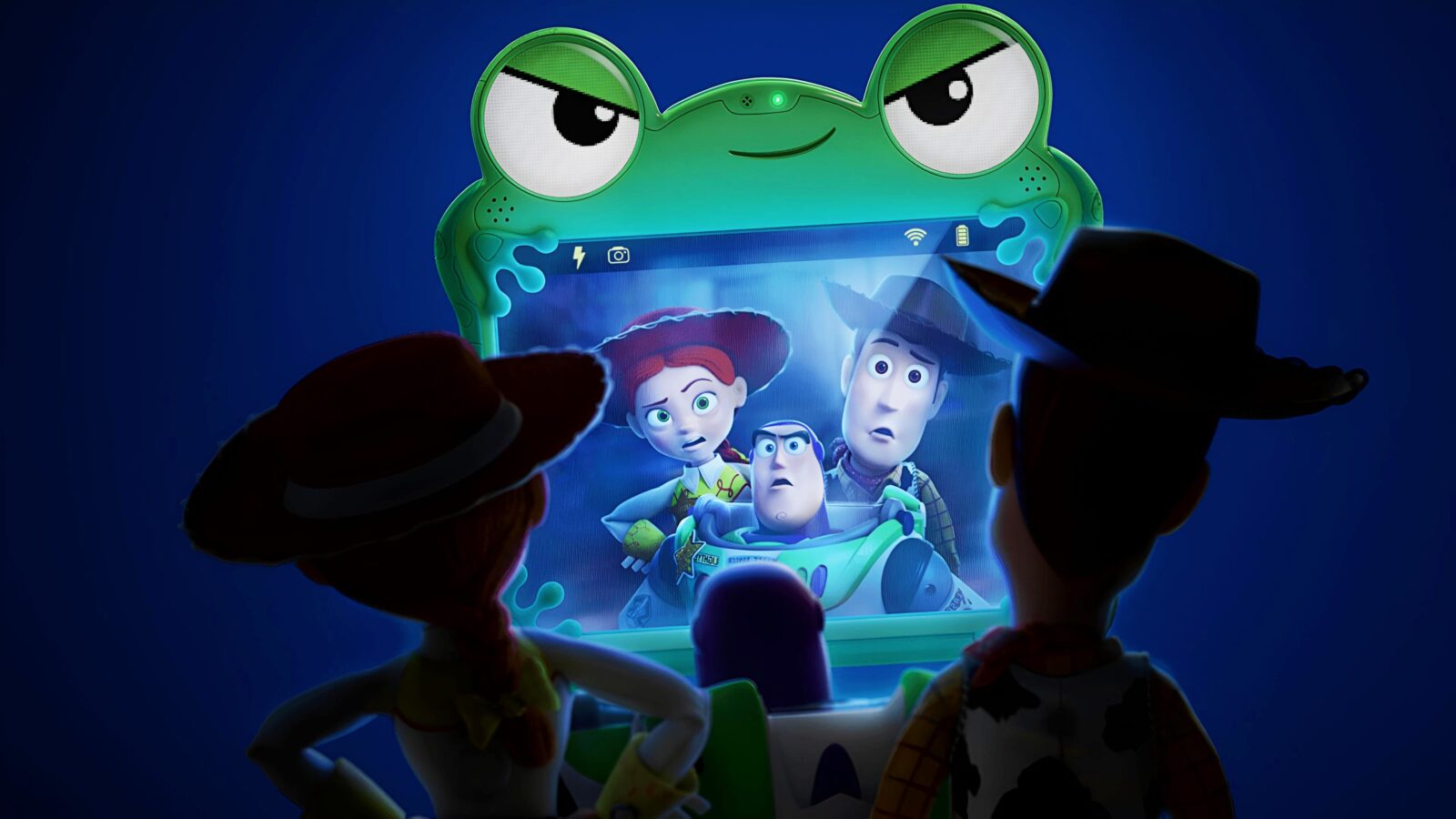
One of the smartest moves in Toy Story 5 is handing the narrative reins to Jessie. After Woody’s profound arcs across the earlier films explored letting go and finding purpose, and Buzz navigated identity crises with his trademark earnest charm, Jessie’s story of repeated abandonment—from Emily to Andy—brings a raw, untapped emotional depth. Her fierce protectiveness over Bonnie, combined with her budding (and long-teased) connection to Buzz, creates a dynamic that feels electric on screen. Watching her navigate the arrival of Lilypad, a new tech-infused toy that challenges everything the gang knows about being “needed,” unfolds like a heartfelt Western showdown reimagined for the tablet age—complete with high-stakes chases and quiet moments of doubt that resonate far beyond the toy box.
This character pivot isn’t mere window dressing; it recontextualizes the entire ensemble. Woody and Buzz still shine, but they support from the wings, allowing Jessie’s growth to illuminate fresh angles on familiar themes. The film handles technology not as a simplistic villain but as a complex force—offering genuine benefits like expanded creativity and connection while warning against disconnection from the tangible world. In one particularly poignant sequence, the toys confront the double-edged sword of digital play, capturing the real anxieties of modern parenting without ever preaching. It’s balanced, empathetic storytelling that trusts its audience, young and old, to grapple with nuance.
What elevates Toy Story 5 further is its willingness to explore Bonnie as a fully realized child rather than just Andy’s successor. We see her inner world unfold in whimsical, childlike animation styles that blur the line between reality and fantasy, turning playtime into cinematic spectacles. These moments aren’t filler—they’re the emotional engine driving the plot, revealing how toys serve as anchors in a child’s turbulent emotional landscape. The voice performances elevate everything: Joan Cusack brings new layers of fire and fragility to Jessie, while Tom Hanks and Tim Allen slip back into their iconic roles with the comfortable ease of old friends reuniting after years apart. The chemistry crackles, especially in the Buzz-Jessie interactions that finally deliver on decades of subtle romantic tension.
Humor, Heart, and High-Stakes Subplots That Steal the Show
Don’t let the emotional weight fool you—Toy Story 5 is Pixar’s funniest entry yet, packed with inventive gags that had the theater roaring. A standout Buzz-focused subplot veers into gloriously absurd territory, functioning like an extended comedic short embedded within the larger narrative. It delivers some of the biggest laughs through clever twists that play with the Space Ranger’s delusions and the toys’ ever-resourceful problem-solving. These sequences provide perfect counterbalance to the heavier themes, ensuring the film never feels bogged down while maintaining breakneck momentum once the setup concludes.
The return to a more intimate, lived-in setting after the grander scales of previous sequels works wonders. Bonnie’s home feels like a character itself—cozy, chaotic, and brimming with the everyday magic of childhood. New toys bring fresh energy and conflict, each with distinct personalities that expand the toy universe without overwhelming the core cast. The film’s pacing starts deliberately, layering introductions and subplots, but once it hits stride, it gallops forward with the unstoppable energy of a kid racing downstairs on Christmas morning. Whimsy abounds in the imaginative play sequences, where the animation style transforms to mirror a child’s unfiltered creativity, offering meta-layers that delight animation aficionados.
Even as it tackles timely issues like screen addiction and online hardships, Toy Story 5 never loses its sense of playful wonder. The empathy extended to every character—human and toy alike—creates a tapestry of connection that feels profoundly human. It’s the rare sequel that doesn’t just revisit old ground but builds upon it, asking what it means to stay relevant in an ever-changing world without discarding what made you special in the first place. For original fans now raising their own kids, it hits like a love letter across generations; for new viewers, it stands proudly on its own as an accessible gateway into this cherished world.
Balancing Nostalgia With Forward-Thinking Storytelling
Pixar has masterfully threaded the needle here, delivering multigenerational appeal through targeted nostalgia without alienating younger audiences. References to classic toy adventures land with satisfying warmth for longtime viewers, while the contemporary conflicts around technology feel ripped from today’s headlines in the most thoughtful way possible. The film celebrates physical play’s irreplaceable joy while acknowledging tech’s potential as a tool for independence and friendship—finding harmony rather than forced conflict. This even-handed approach makes Toy Story 5 feel essential rather than obligatory, proving sequels can still surprise when guided by genuine storytelling purpose.
Visually and technically, the film represents another leap forward. The detail work on the toys’ wear and tear tells silent stories of loyalty and adventure, while dynamic action sequences blend seamlessly with quieter, character-driven moments. Director Andrew Stanton and co-director McKenna Harris bring a confident vision that honors the franchise’s legacy while injecting bold new ideas. The score swells at all the right emotional beats, enhancing the cinematic scope even in domestic settings. At 102 minutes, it feels perfectly paced for its target audience, never overstaying its welcome yet leaving you wanting more adventures in this universe.
Ultimately, Toy Story 5 reaffirms why this franchise endures: it grows alongside its audience, tackling evolving challenges with heart, humor, and hope. It’s not afraid to make you laugh until your sides hurt or reach for tissues in the same breath. For anyone who’s ever cherished a favorite toy or worried about the pace of change, it offers profound comfort wrapped in irresistible entertainment.