
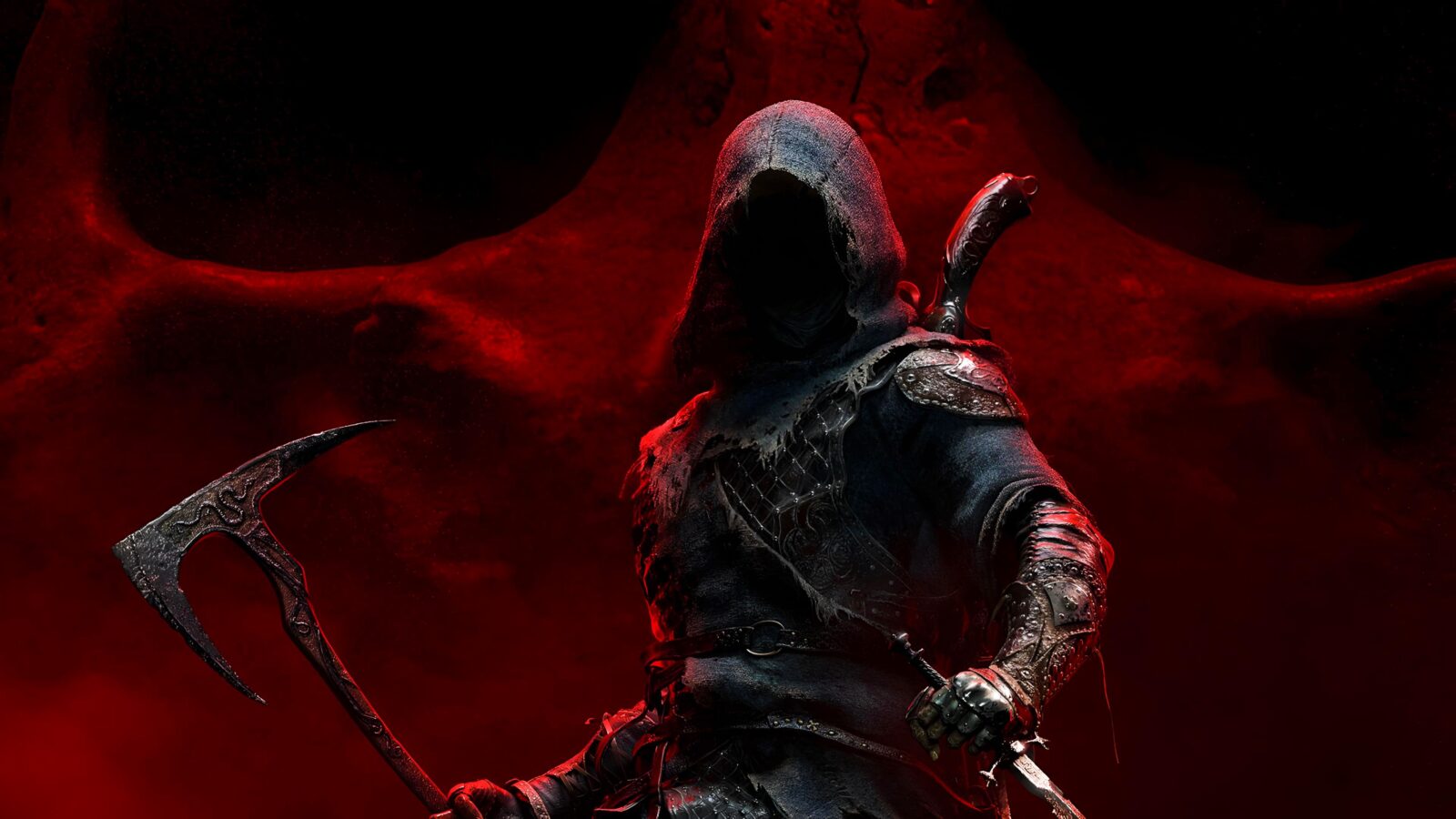
TL;DR: Mortal Shell 2 sharpens its predecessor with faster combat, deeper builds and much stronger player choice. Its world-building and technical roughness occasionally hold it back, but this is a substantial, satisfying Soulslike evolution worth considering for genre fans.
The original Mortal Shell had the sort of identity most Soulslikes would happily sacrifice a few thousand souls to acquire. Its body-swapping Shell system, Harden mechanic and oppressive fantasy atmosphere separated it from the growing army of games chasing FromSoftware’s shadow. The problem was that its best ideas often felt constrained by the game built around them. Mortal Shell 2 is Cold Symmetry returning to those ideas with considerably more confidence, expanding the world, loosening combat and giving players far more control over how they build and play their Harbinger.
What surprised me most is how substantial that transformation feels once combat starts. This is recognisably Mortal Shell, right down to returning Shells and its strange, hostile universe, but it is no longer fighting against its own systems quite so often. There is more freedom in battle, more flexibility in progression and considerably more incentive to experiment. Some technical roughness and underdeveloped world-building prevent the sequel from completely escaping its predecessor’s weaknesses, but when weapons start swinging and enemies start falling, Mortal Shell 2 makes a convincing argument that Cold Symmetry knew exactly which parts of its formula needed another pass.
Combat finally has room to breathe
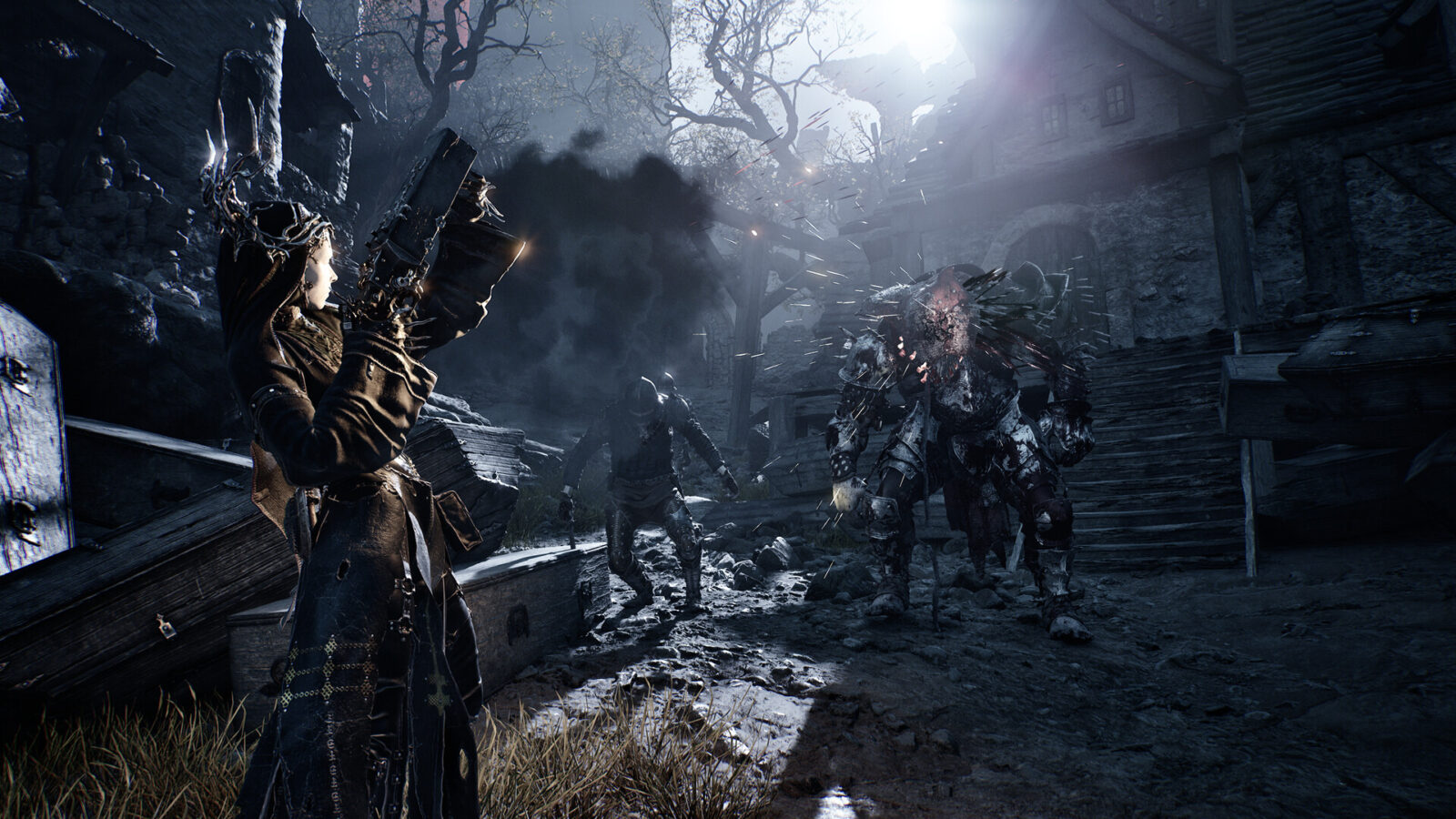
Removing stamina is probably Mortal Shell 2’s most immediately controversial decision, because stamina management is practically written into the Soulslike constitution at this point. Here, however, its absence works. The first game could push encounters into a familiar rhythm of attacking, retreating and waiting for a bar to give permission to have fun again. The sequel lets me concentrate more directly on positioning, enemy attacks, dodging and choosing when to commit. It doesn’t suddenly become a button-mashing action game; reckless aggression can still get you killed. What changes is the source of that tension.
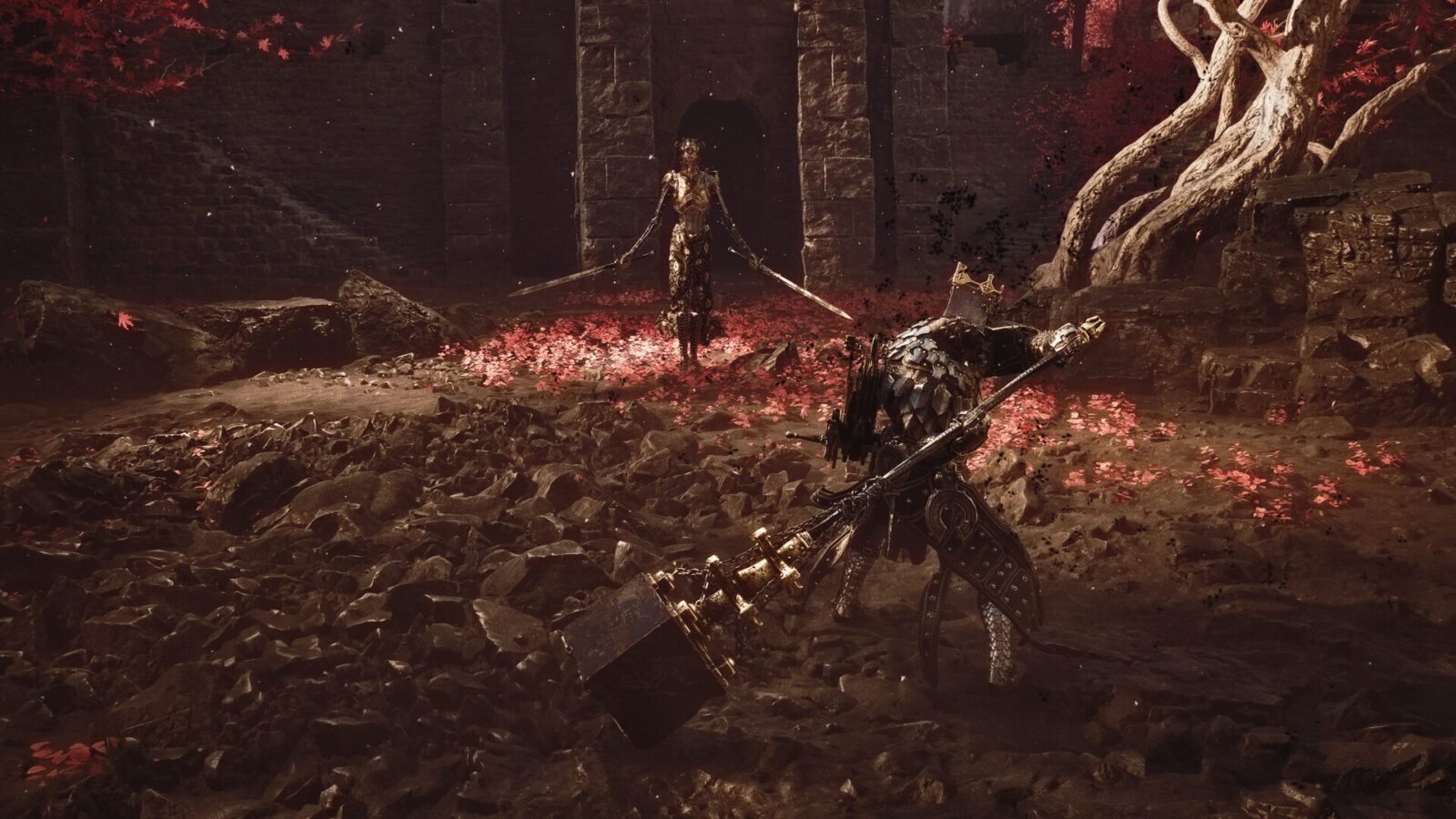
The result is combat that feels quicker and more responsive without throwing away the deliberate decision-making that gives the genre its bite. Hits carry satisfying visual and audio feedback, enemies respond convincingly to being struck, and executions give successful encounters a suitably brutal punctuation mark. I found that the lack of stamina actually puts greater emphasis on reading what is happening in front of me. I am not retreating because an interface element is empty; I am backing off because the enemy’s behaviour tells me that staying greedy is about to become an expensive life lesson.
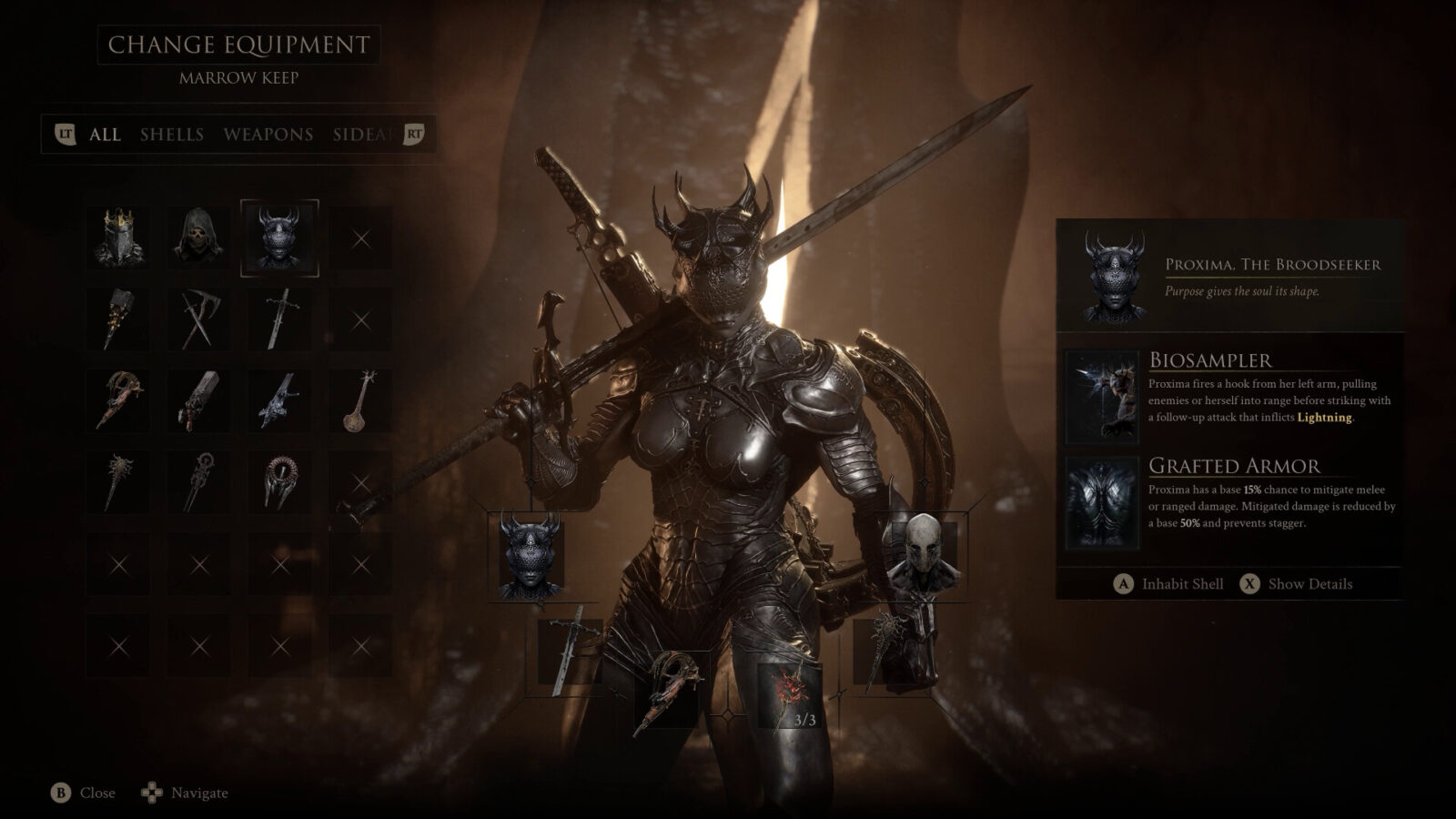
Defence has become more interesting too. The Harbinger can dodge, parry and make use of Shell-specific abilities, but the familiar Harden mechanic is no longer simply a universal constant. Seals now influence how defensive tools function and consequently allow players to reshape the rhythm of combat. The Untarnished Seal provides a more forgiving parry window and can inflict break damage, for example, whereas another Seal grants access to Hardening. That separation makes defensive choice part of character building rather than something sitting outside it.
It is an important distinction because Mortal Shell 2 feels strongest when its systems start interacting. A Shell is not merely a different health bar, a Seal is not just an accessory, and weapon choice is not happening in isolation. Together they determine how aggressively I can approach encounters, what defensive technique I favour and which risks make sense for a particular setup. The original game had the bones of this concept; the sequel finally puts some serious muscle around them.
Difficulty is a choice rather than an entrance exam
Cold Symmetry has also taken a refreshingly flexible approach to difficulty. The Slayer Seal dramatically reduces the challenge for players more interested in exploring the game than repeatedly being introduced to the nearest respawn point. During the pre-launch review period represented in the supplied material, equipping it disabled achievements. Standard play occupies the more traditional middle ground, while New Game+ increases enemy health and damage. Night Mode pushes the challenge further while increasing rewards.
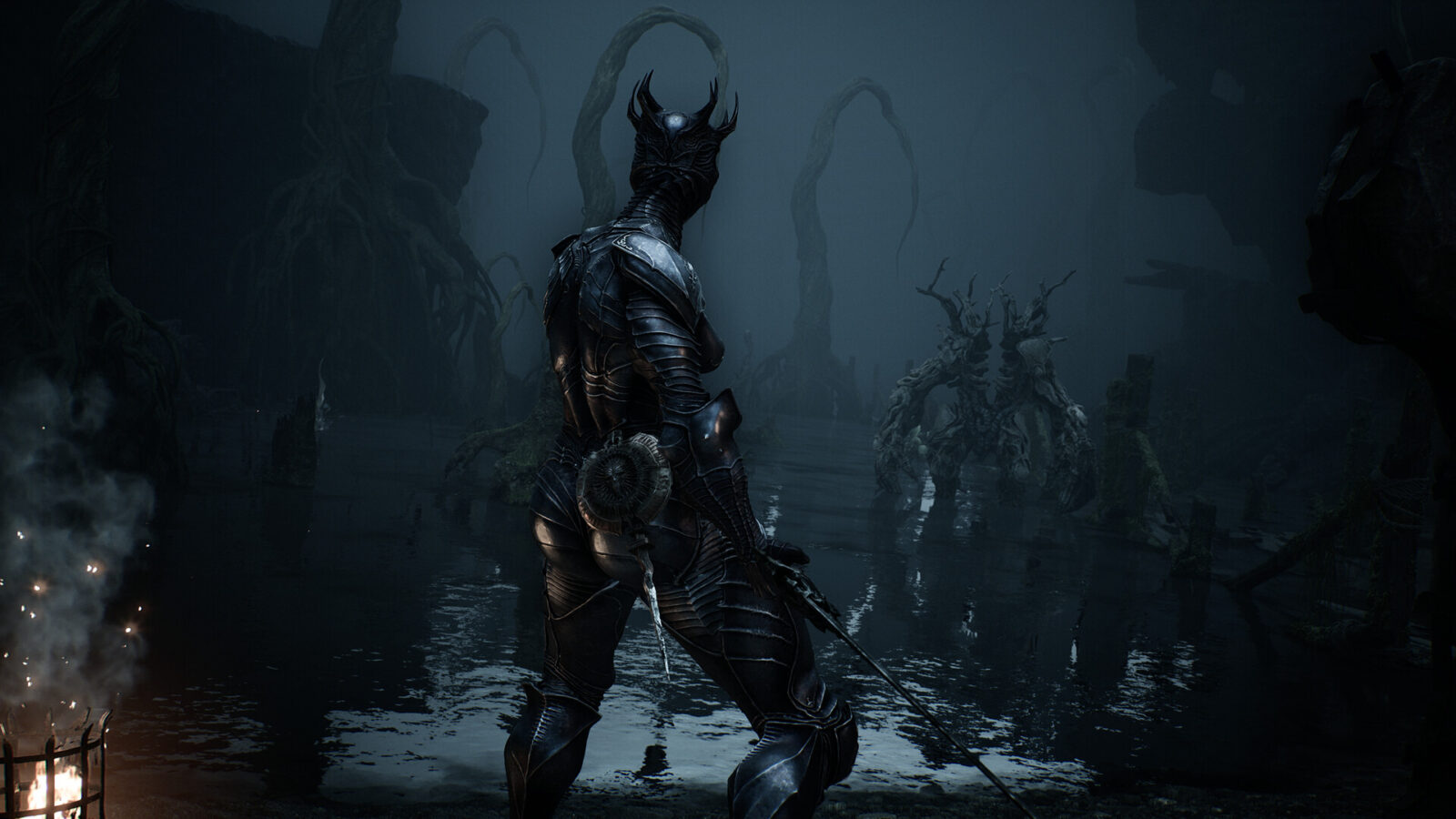
For a genre that sometimes treats accessibility as though someone suggested putting pineapple on Gwyn’s pizza, this flexibility makes sense. The important part is that the underlying combat remains built around enemy recognition, timing and positioning. Players wanting punishment can pursue it, while someone attracted by the Shell system, exploration or art direction has a route that doesn’t demand the same commitment. It also gives Mortal Shell 2 more replay value because difficulty can become another variable alongside character builds rather than a single static wall everyone is expected to climb.
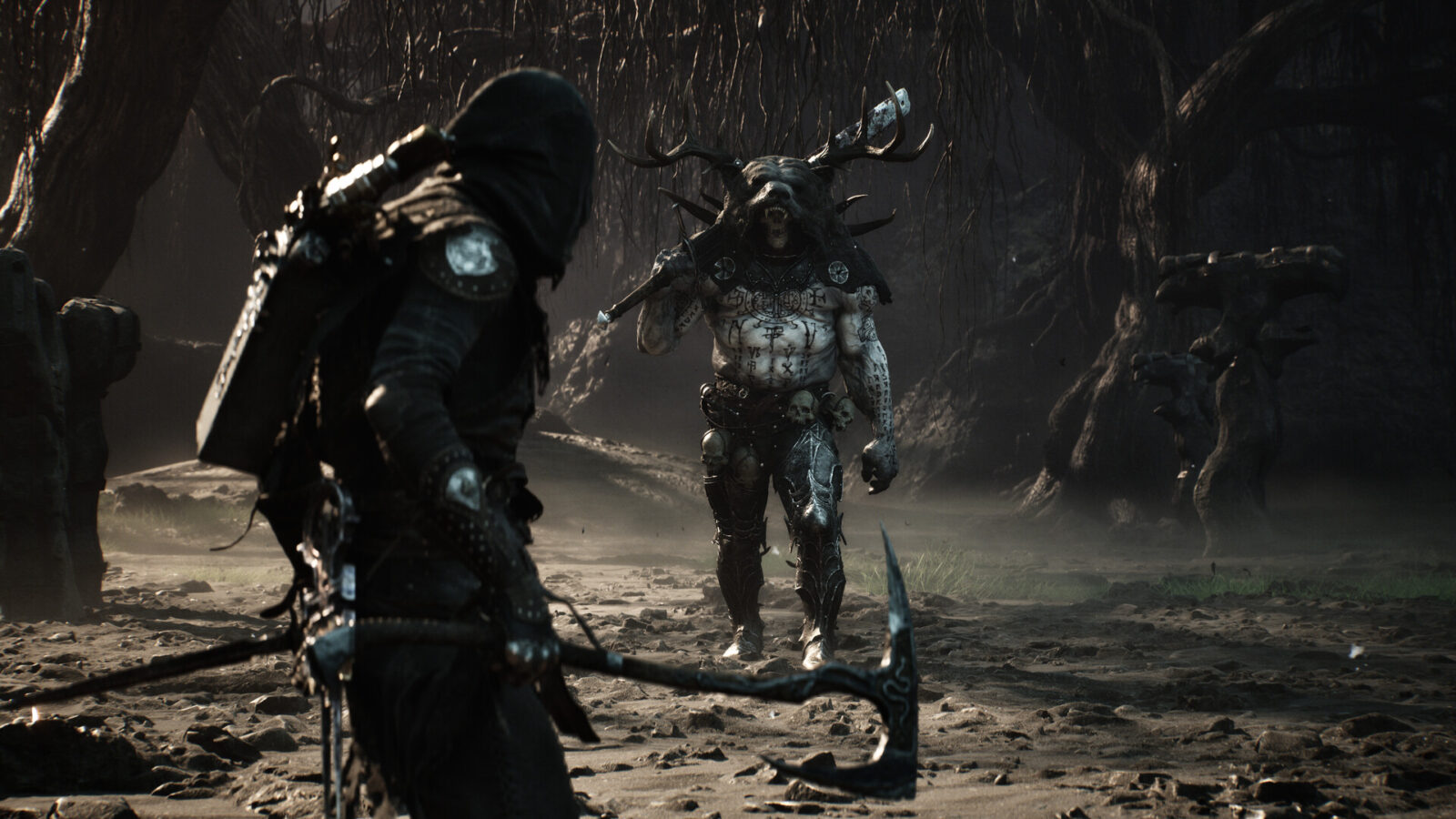
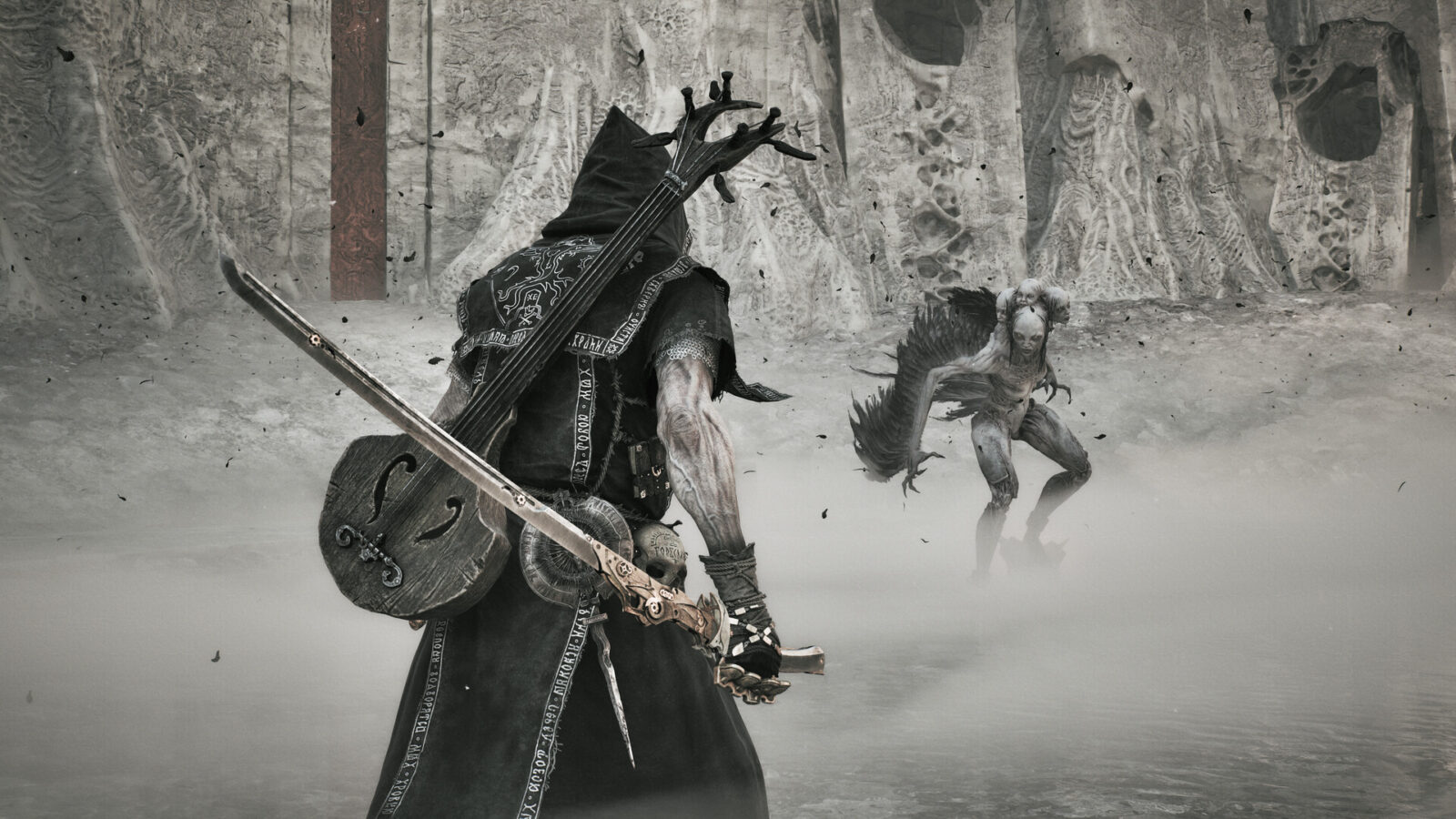
Enemy variety supports that approach nicely. The roster includes ranged attackers, flying threats, ambushers, explosive enemies and foes capable of strengthening their allies. Some enemies can even turn on one another, letting the Harbinger hang back and collect Gloom, the sequel’s Souls-style currency, from the resulting violence. Those encounters briefly give the environment a pleasing sense of unpredictability.
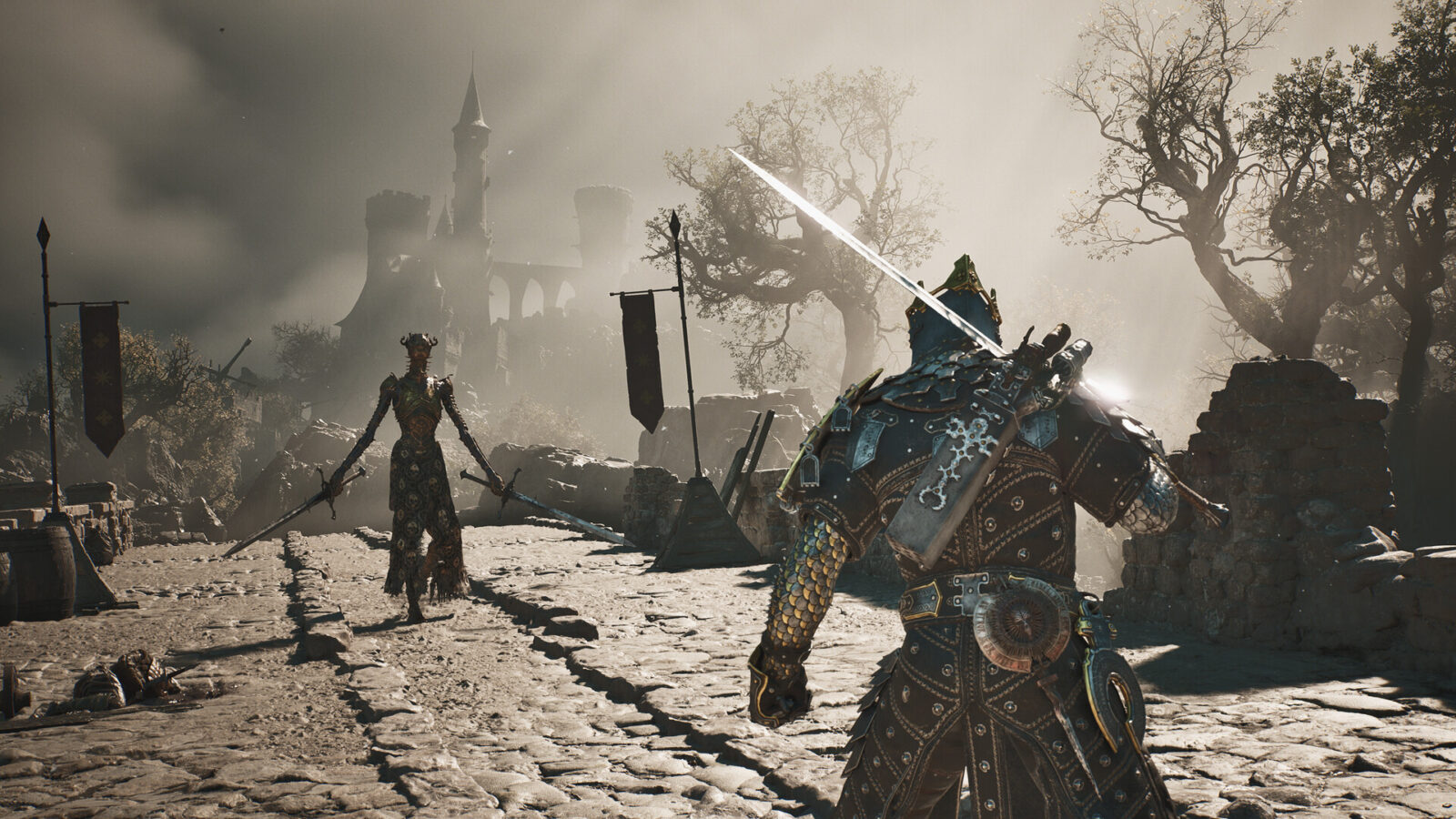
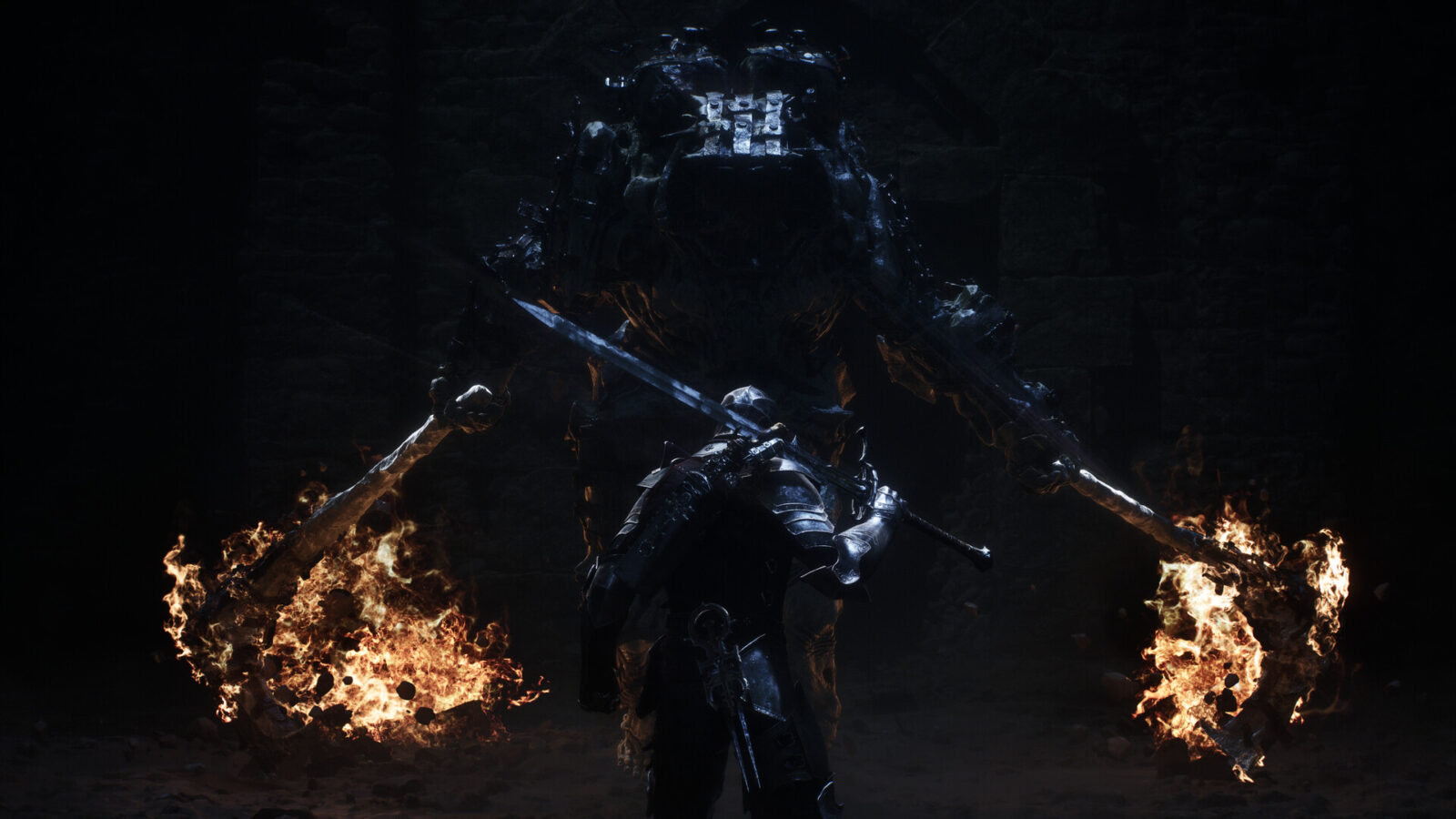
The downside appears once a strong build and the game’s combat language become familiar. Some encounters, including certain bosses, can become more about endurance than adaptation, with dodging and sustained damage eventually solving the equation. The combat system remains enjoyable enough to carry those moments, but the best Soulslike bosses force me to rethink habits I thought I had mastered. Mortal Shell 2 does not always apply that same pressure.
Shells now feel like builds, not costumes
The expanded Shell system is where the sequel’s RPG ambitions become clearer. There are twice as many Shells as in the original, with distinct abilities and a deeper levelling structure that gives each one more room to develop. Returning options have also been adjusted rather than simply copied across. Tiel remains suited to players who enjoy speed and evasiveness, while Eredrim and newcomer Gragu cater more naturally to players looking for a heavier approach.
Weapons have received similar attention. The melee arsenal has expanded, and ranged weapons are now properly integrated into the combat system rather than feeling disconnected from the main event. Tarstones add another customisation layer with modifiers that can affect elements such as weapon properties, critical-hit chance or damage, and coin acquisition. None of these systems is revolutionary by itself, but collectively they give experimentation a purpose.
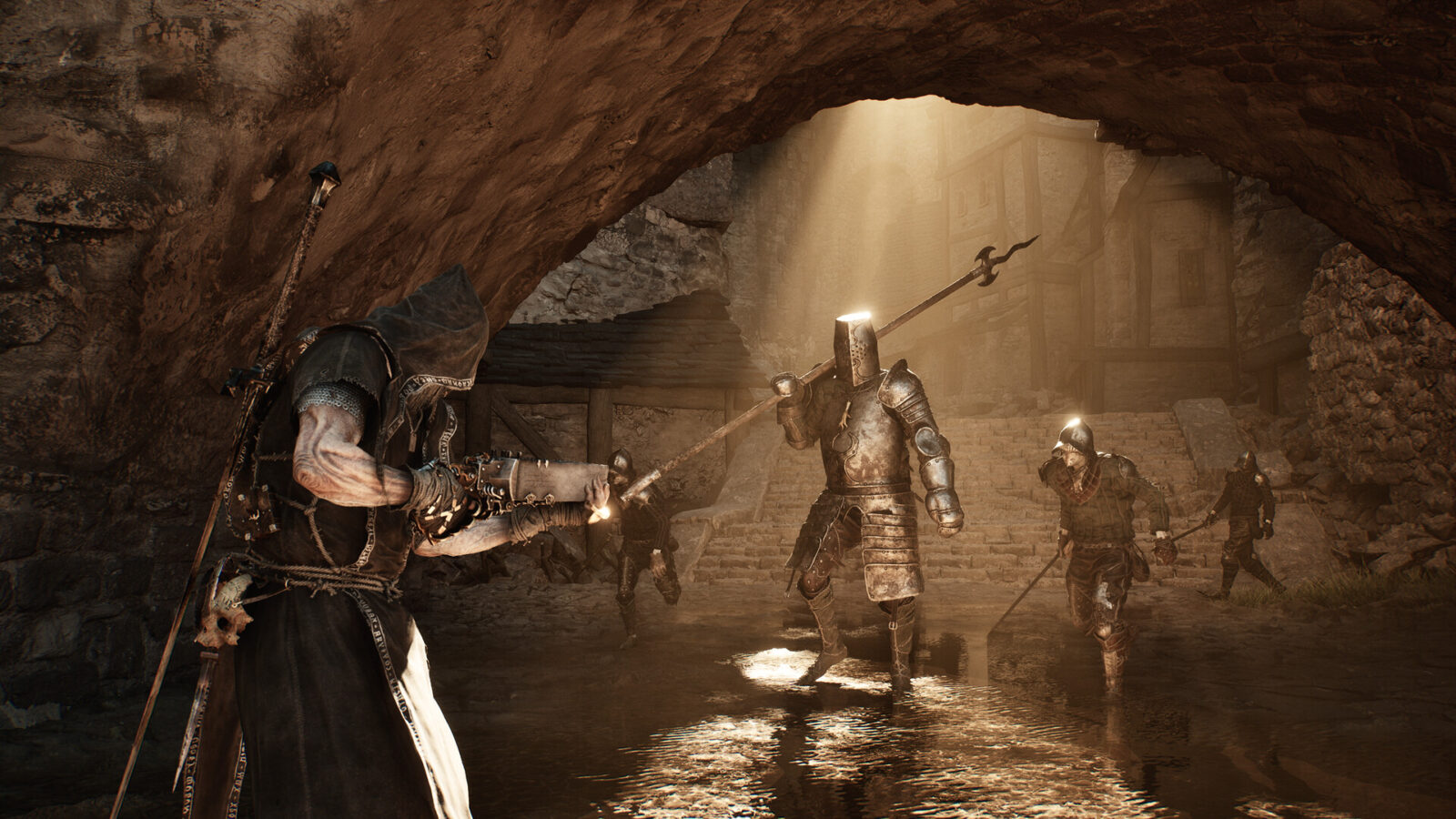
That matters enormously in a game built around inhabiting different bodies. The fantasy works better when changing a Shell meaningfully changes how I think about a fight instead of merely adjusting statistics. Between Shell abilities, Seals, weapons and Tarstones, Mortal Shell 2 gives players enough moving pieces to discover combinations that suit their preferred level of aggression and risk. New Game+ and Night Mode then provide obvious places to put those builds through another round of suffering.
Even inventory management has become less irritating. The first Mortal Shell required players to consume unfamiliar items to properly discover their effects, which was conceptually interesting but could become tedious. Items now provide a useful descriptor immediately, with further information revealed as more examples are found. It preserves a little of the original discovery system without constantly encouraging inventory gymnastics or ill-advised experimental consumption.
A bigger world that still feels strangely hollow
Exploration has undergone an equally dramatic expansion. Mortal Shell 2 presents a larger, more open and interconnected world containing optional areas, shortcuts, hidden spaces and occasional mini-boss encounters. Navigation can become confusing because the intended route is not always obvious, but getting lost is considerably easier to forgive when the environments offer more visual variety than the relentlessly muted landscapes of the original.
Greenery and waterfalls now sit alongside snowy caverns, ruins and gloomy dungeons, giving the journey a stronger sense of geographical progression. The art direction still carries the series’ grim, alien quality, but it has discovered that darkness does not require every colour slider to be dragged towards grey. That wider palette makes exploration more rewarding because new areas can establish their own character while remaining recognisably part of the same hostile fantasy.
Unfortunately, looking like a world and feeling like one are different achievements. Mortal Shell 2 struggles with the latter. Enemy groups sometimes seem positioned primarily because the player needs something to fight, and the environments do not consistently suggest a convincing existence beyond their gameplay function. Those moments where enemies attack each other hint at a more reactive ecosystem, but they also underline how static other stretches can feel.
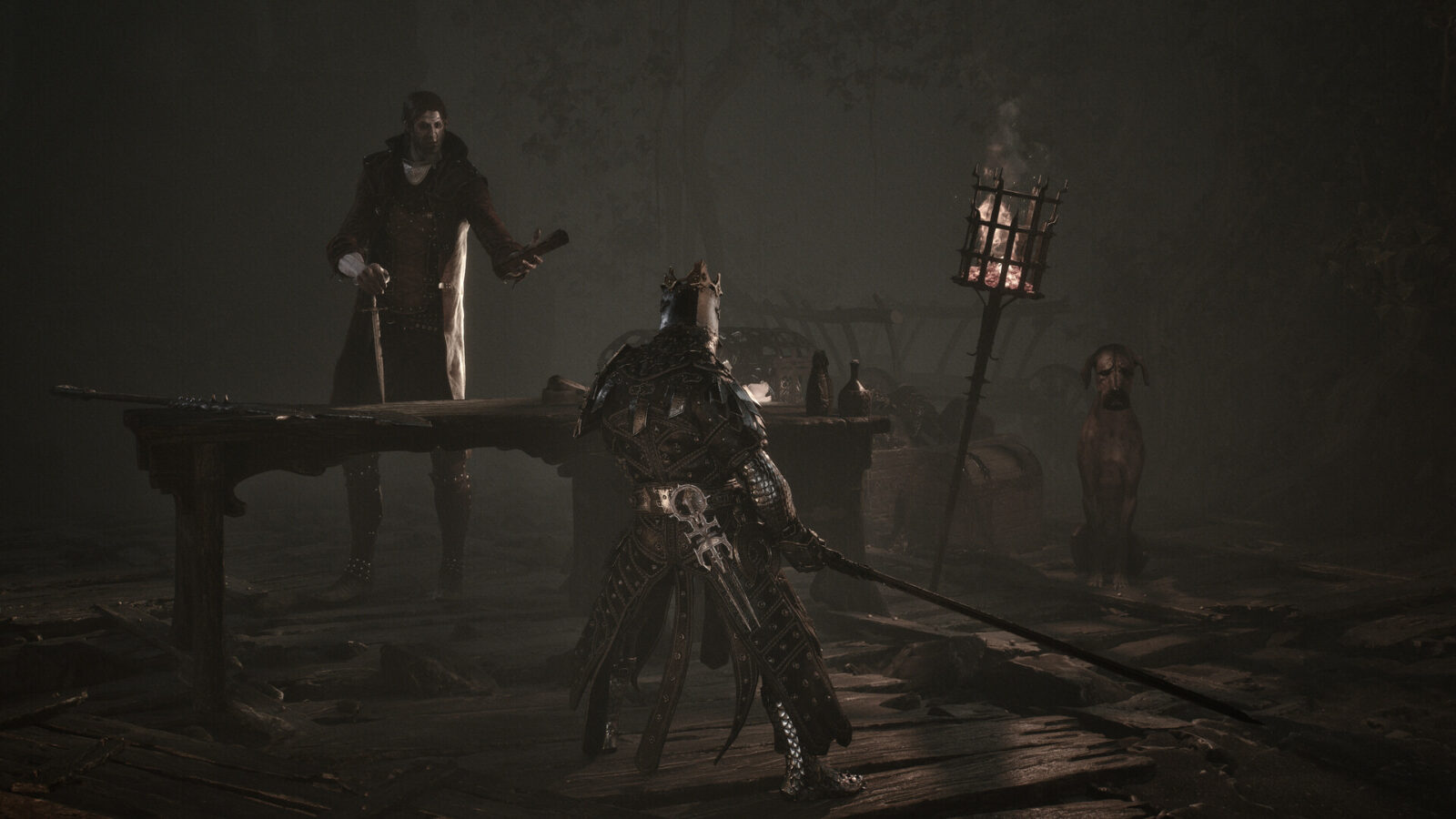
The narrative does not fully compensate. The central premise revolves around the Undermether, her Ova and the Harbinger inhabiting different Shells as part of that quest, while scattered notes provide fragments of additional context. There is nothing inherently wrong with withholding information; cryptic storytelling and this genre have been sharing an apartment for years. The issue is that ambiguity works best when it feels as though a detailed history exists underneath the surface. Here, some mysteries feel less deliberately concealed and more insufficiently developed.
Technical roughness interrupts an otherwise confident sequel
Mortal Shell 2 also arrived for review with some technical problems. Camera and lock-on behaviour could become awkward, particularly damaging in encounters where accurate targeting and timing are essential. Collision problems, soft locks and other glitches were also present, alongside occasions where an attack could miss despite an enemy apparently being positioned directly in front of the Harbinger.
These are not trivial complaints in a game where death is supposed to feel like the consequence of my decisions. A demanding combat system establishes an agreement with the player: punish mistakes, but make the rules dependable. A camera fighting for control or targeting behaving unpredictably weakens that agreement. Cold Symmetry had been responding to feedback during the open beta, and some issues were expected to be addressed through a day-one patch, so their long-term severity remains difficult to judge from the pre-release material alone.
Crucially, the problems do not erase what works. The fundamental combat loop is strong enough that returning to another encounter remains appealing, and the expanded progression systems give victories value beyond simply reaching the next location. Mortal Shell 2 feels like a developer examining its first attempt, identifying where friction created tension and where it merely created frustration, and becoming much better at telling the difference.
Final Verdict
Mortal Shell 2 is a major refinement of Cold Symmetry’s original formula. Faster combat and the removal of stamina make battles more immediate, while expanded Shells, multiple Seals, additional weapons, Tarstones and broader difficulty options give players substantially more authority over how they approach those battles. It retains the identity that made the first game interesting without treating every old mechanic as sacred.
Its weaknesses are harder to ignore outside combat. The larger world is beautiful and much more varied, yet it can feel strangely artificial, and its sparse lore does not always provide enough substance to make that emptiness intriguing. Technical problems involving targeting, camera behaviour and collision also create frustration in a game where mechanical precision matters.
Still, what worked for me outweighs those shortcomings. This is a more confident, flexible and satisfying interpretation of Mortal Shell, and its strongest improvements address fundamental problems rather than simply adding more content. Existing fans have plenty of reasons to return, players who bounced off the original may find this sequel considerably easier to appreciate, and Soulslike devotees looking for something familiar without being completely derivative should find a lot to dig into.