
TL;DR: Fields of Mistria combines satisfying farming progression with a wonderfully social town and restrained fantasy charm. Inventory friction and an occasional movement issue cause some annoyance, but its excellent character writing makes returning for another day remarkably tempting.
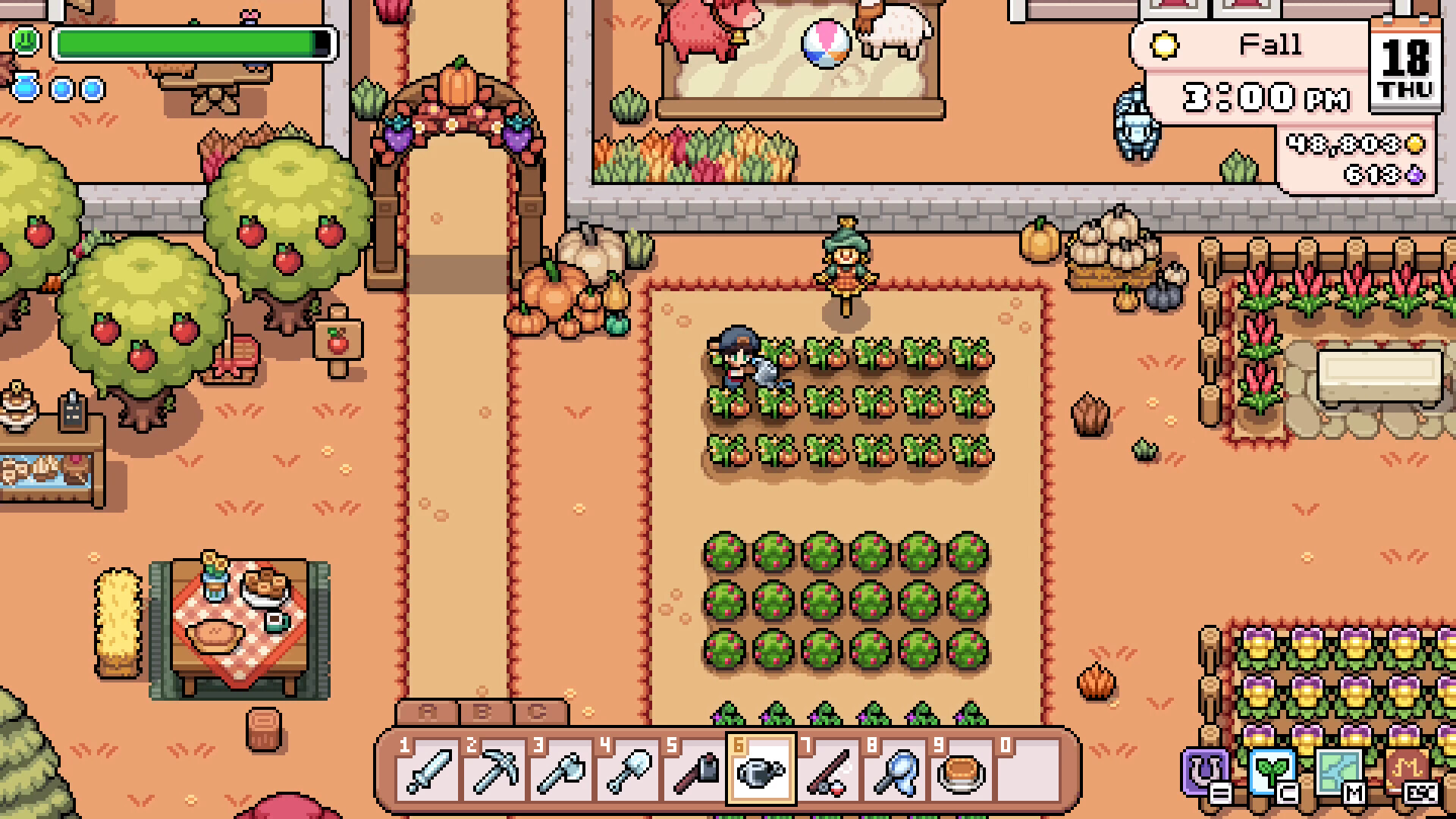
There is something immediately comfortable about Fields of Mistria. Its pastel pixel-art countryside, seasonal routines and crop-filled mornings clearly understand the appeal of farming sims from an earlier era, but NPC Studio isn’t content to simply recreate those memories with prettier pixels. Beneath the familiar rhythm of planting seeds, gathering resources and chatting with neighbours is a fantasy world filled with magic, mythology and just enough RPG progression to make another day on the farm difficult to resist.
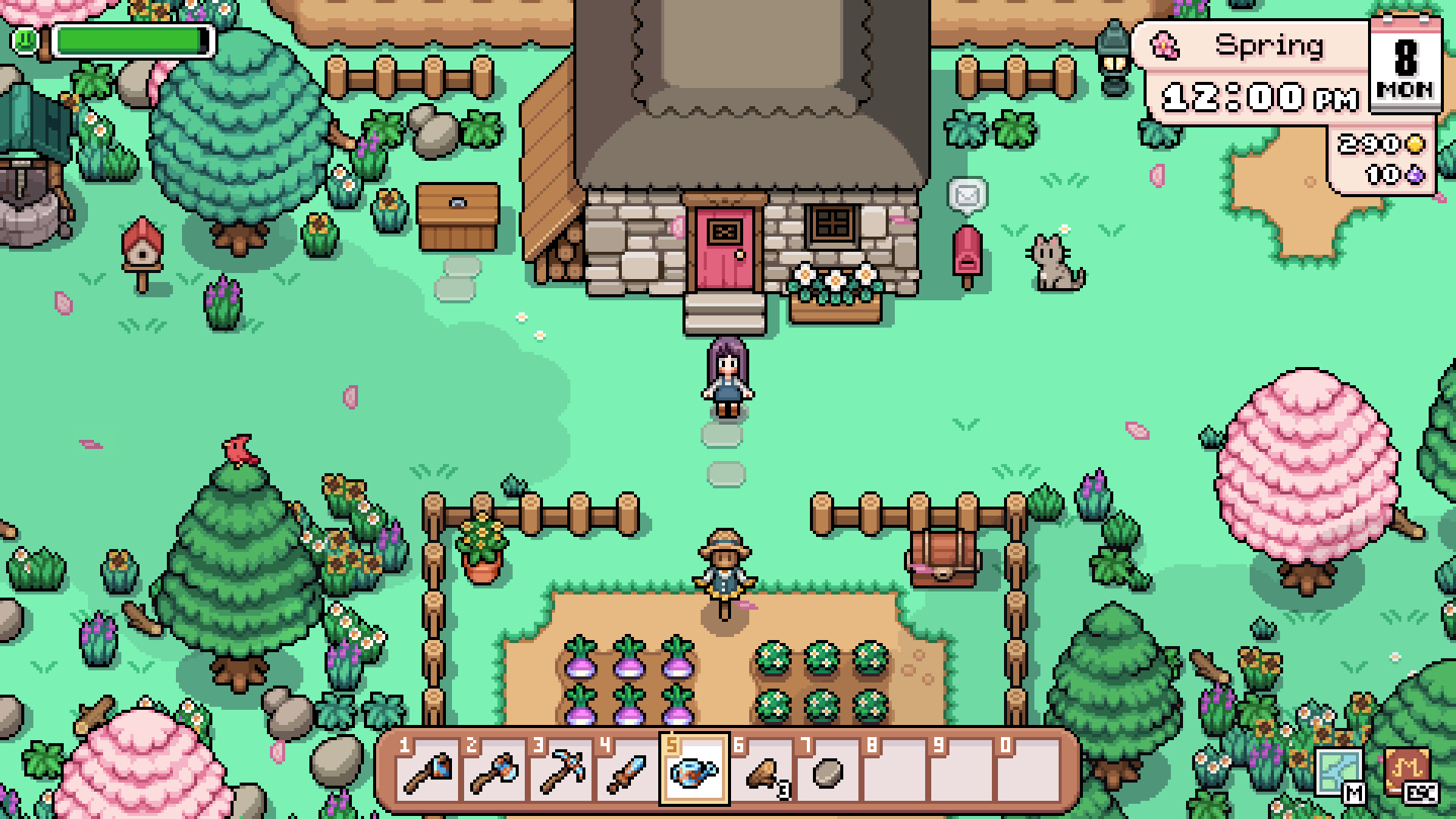
With the arrival of version 1.0, Fields of Mistria has become a considerably larger proposition, including additions such as the completion of its Town Repair storyline and marriage. There is still plenty here that takes time to uncover, so this is a review of the experience so far rather than an assessment of every late-game system. Even at this stage, though, the important part is already clear: Mistria works because farming isn’t the only reason I want to wake up the next morning. I also want to see what its residents are doing.
A farming sim where fantasy knows when to behave
Fields of Mistria takes place in a world where magic and mythical creatures are perfectly normal, yet it rarely lets those elements overwhelm its quieter agricultural life. That balance is one of its smartest decisions. One moment I’m dealing with crops, lumber and villagers; the next, something unmistakably magical reminds me that this isn’t simply another rural simulator with an anime portrait pack installed over it.
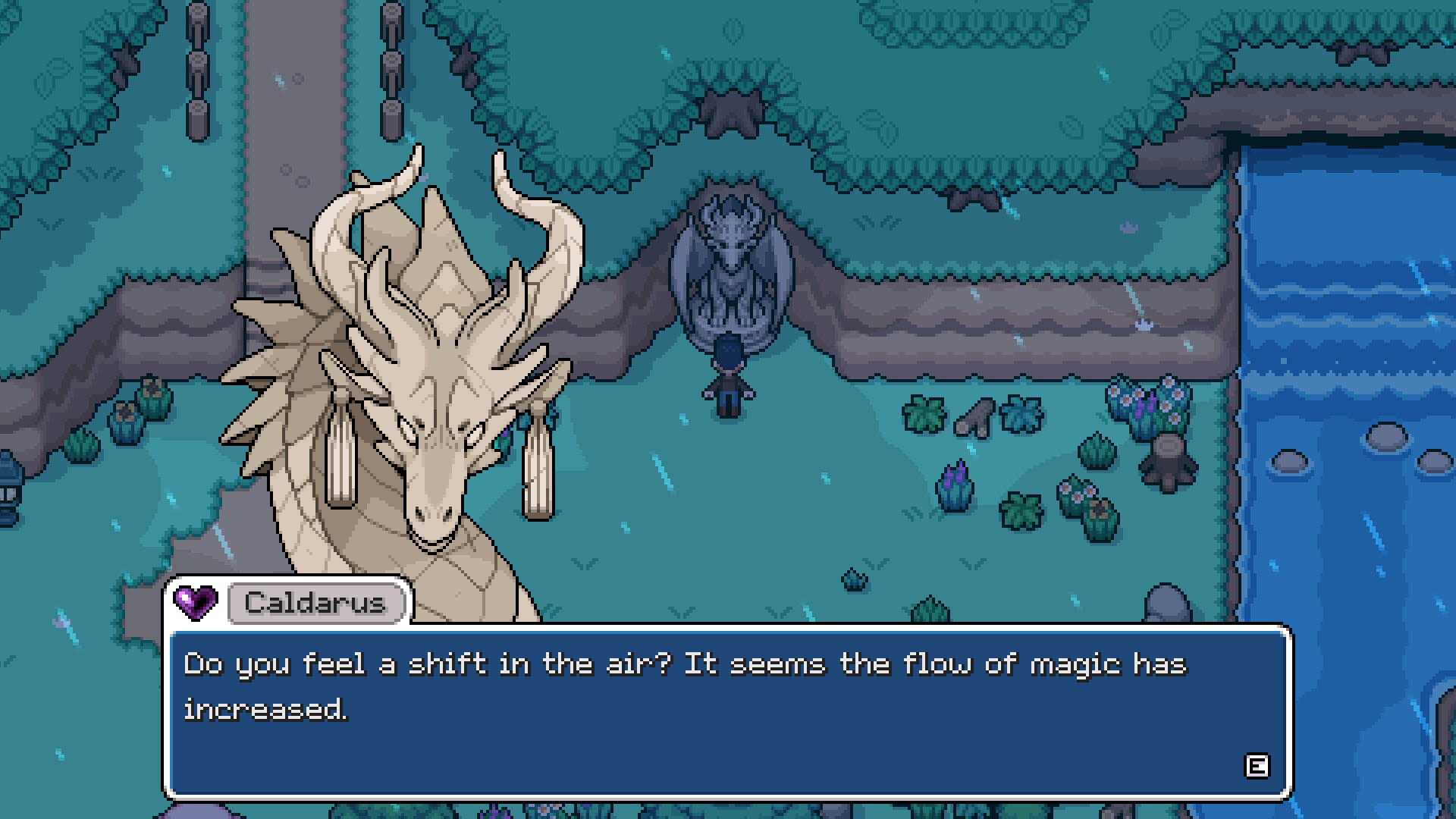
The result has some obvious similarities to Rune Factory, although Fields of Mistria feels less interested in constantly announcing its fantasy credentials. Magic exists alongside ordinary routines instead of replacing them. Caldarus, the dragon statue on the farm, becomes particularly important because spiritual currency can be offered to unlock useful upgrades. These include practical benefits such as occasionally recovering seeds while harvesting or restoring energy through watering. They are small bonuses individually, but they gradually reshape the daily routine and give progression a satisfying connection to the chores I’m already performing.
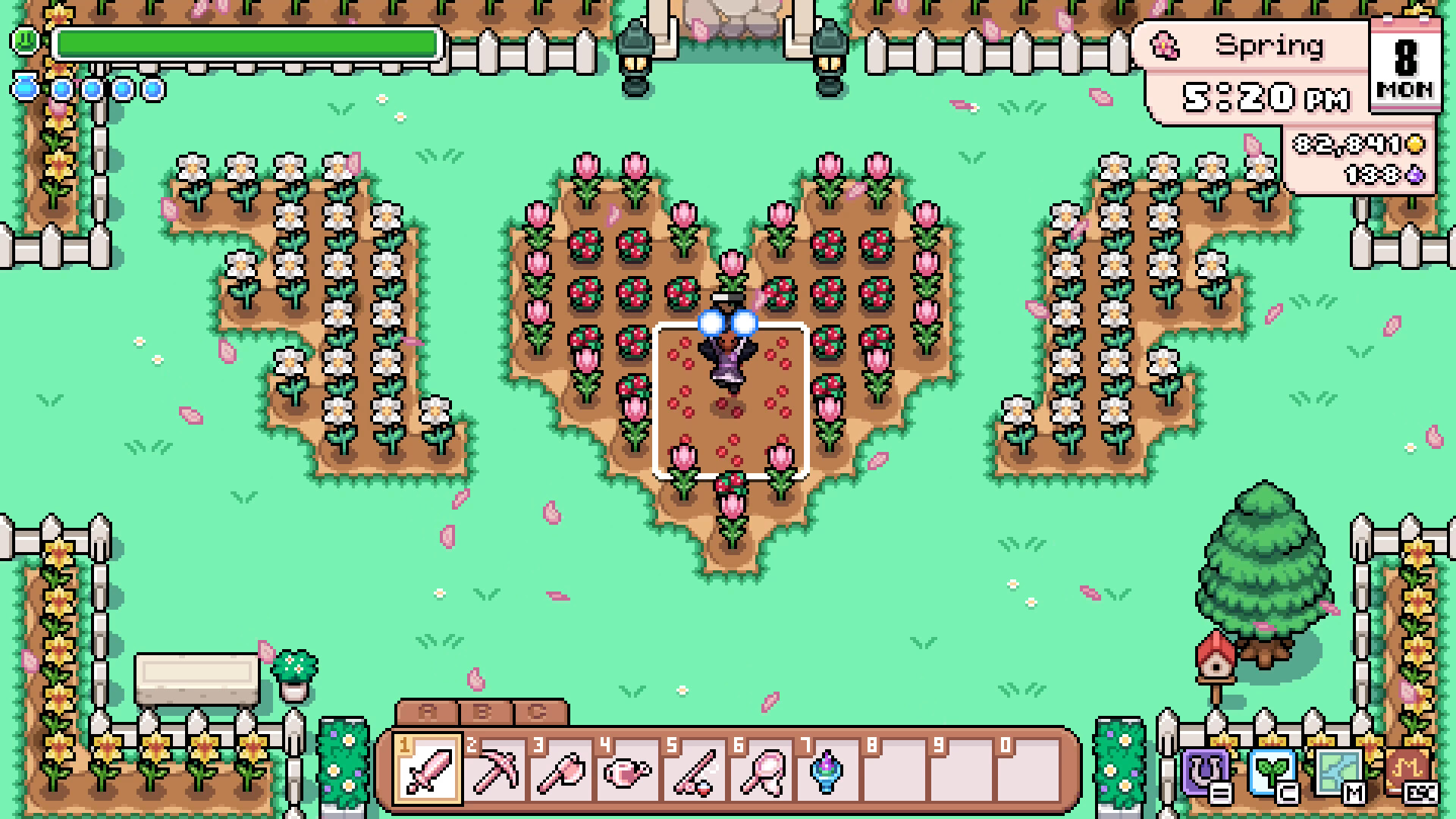
That distinction matters. Farming games live or die on repetition, and Fields of Mistria understands that repetition needs a sense of improvement. Planting, watering and harvesting remain recognisable activities, but character development makes those routines increasingly efficient. Rather than treating RPG progression and farming as two separate systems awkwardly sharing the same save file, the game lets one strengthen the other.
Starting small makes Mistria feel bigger
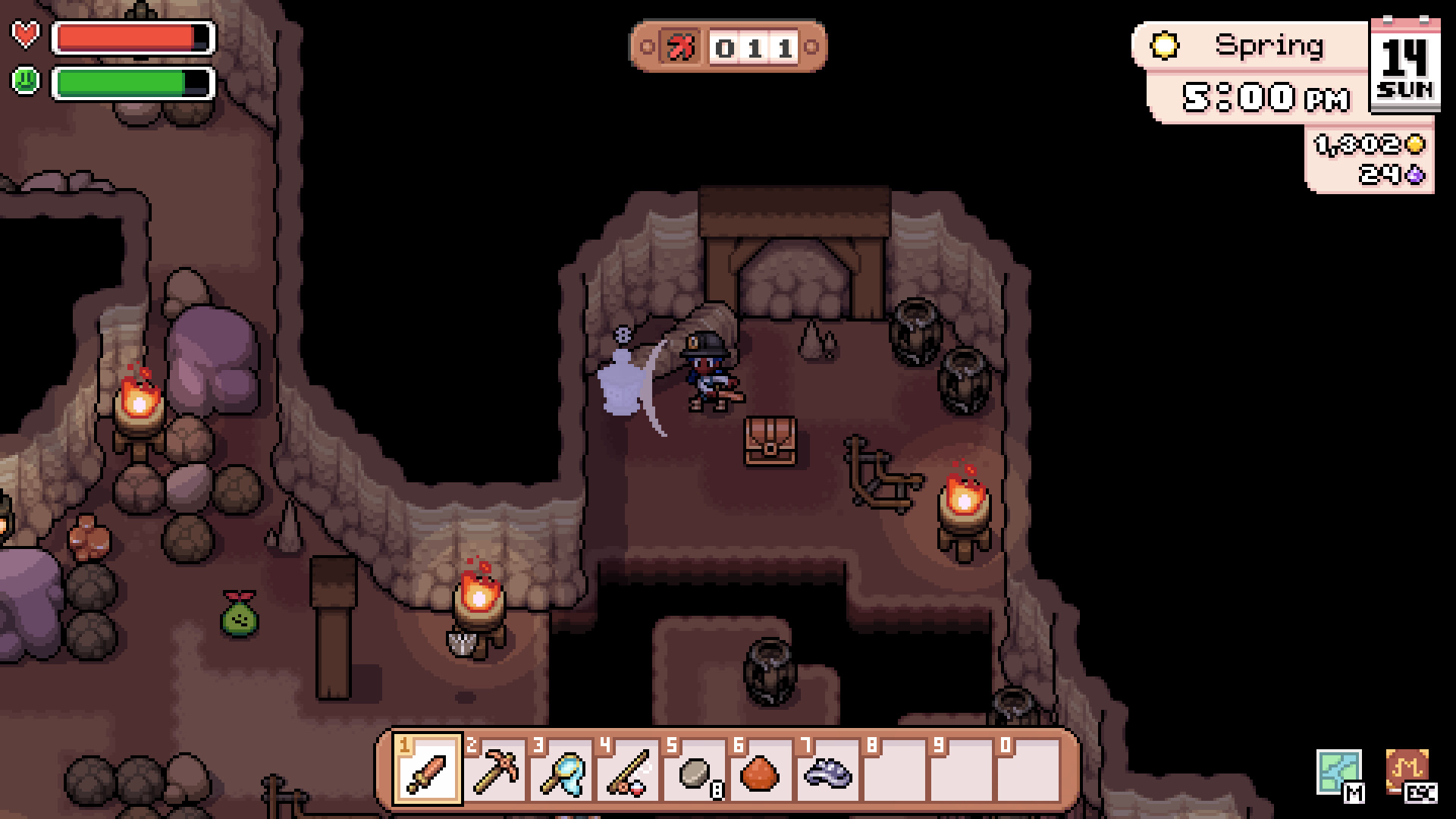
The early hours resist the temptation to throw every possibility at the player immediately. Money is limited, seeds aren’t something I can endlessly purchase, and the farm initially contains obstacles that require equipment to remove. Tools and capabilities arrive progressively rather than appearing as a complete agricultural Bat-belt from day one.
I found that restraint surprisingly important. The instinct in this genre is often to optimise immediately: plant the most profitable crops, maximise every energy point and turn a charming little homestead into an industrial turnip operation before the neighbours have learned your name. Fields of Mistria slows that impulse down. Because I couldn’t instantly execute the perfect money-making routine, there was more reason to explore, accept requests and actually pay attention to the town.
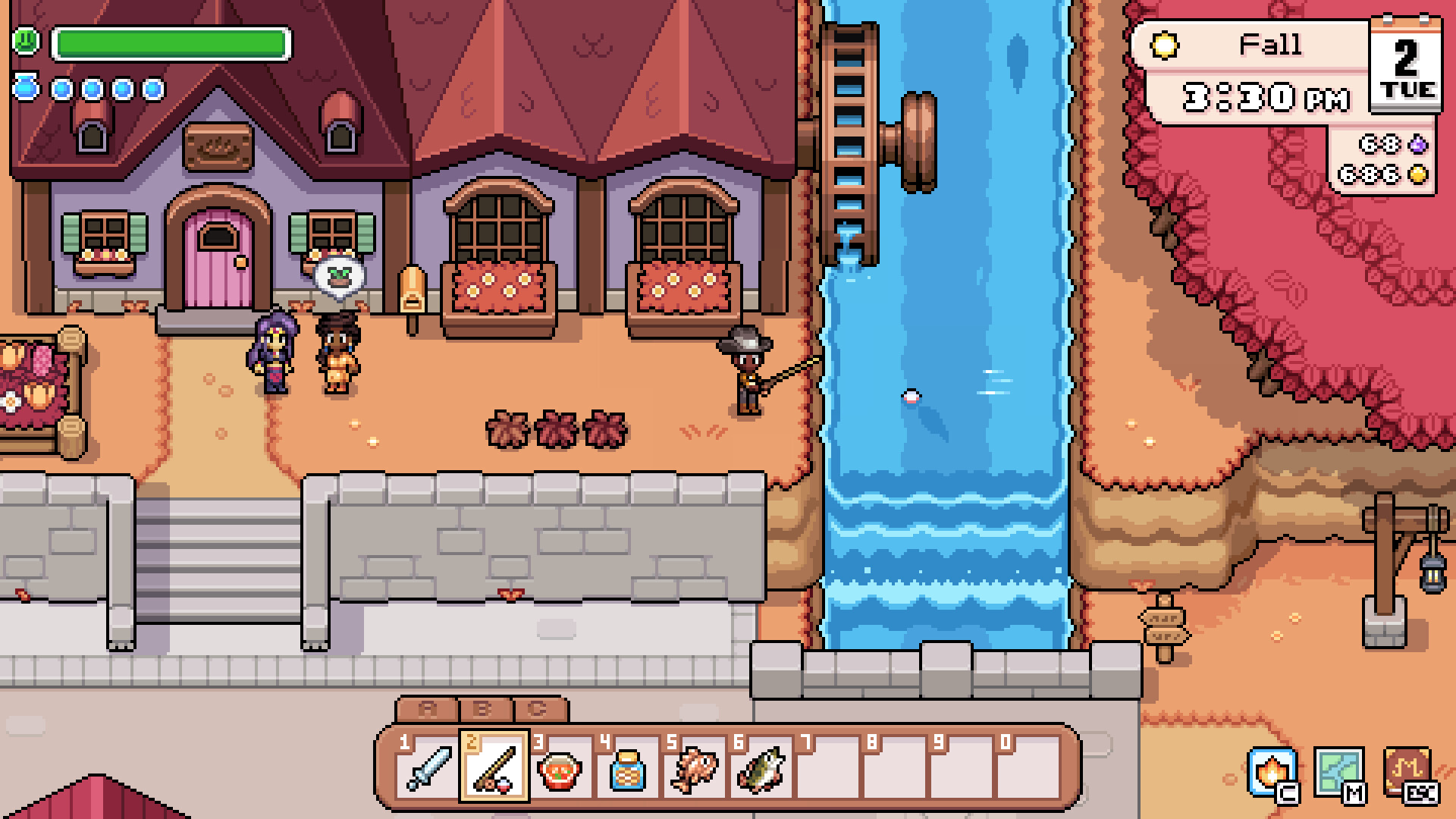
The basic farming loop is supported by fishing, bug catching, museum donations, cooking and crafting, giving each day multiple possible directions. None of these ideas will shock anyone familiar with Stardew Valley, Animal Crossing or the wider cosy-game universe, but novelty isn’t really the point. What matters is how naturally the activities feed the desire to develop both the farm and Mistria itself. There is usually something useful to collect, someone worth visiting or another modest objective nudging me away from doing the same job all day.
It also prevents the farm from becoming an isolated efficiency puzzle. Fields of Mistria wants the player to participate in a community, and its progression encourages exactly that.
The villagers are more than walking gift schedules
The strongest part of Fields of Mistria so far isn’t actually the farming. It is the people living around it.
Villagers in farming sims can easily become glorified appointment calendars. Find their favourite gift, locate them at the correct hour, fill a relationship meter and repeat until romance happens. Fields of Mistria certainly has relationship systems, but its writing does a much better job of making characters feel connected to one another rather than existing exclusively for the player.
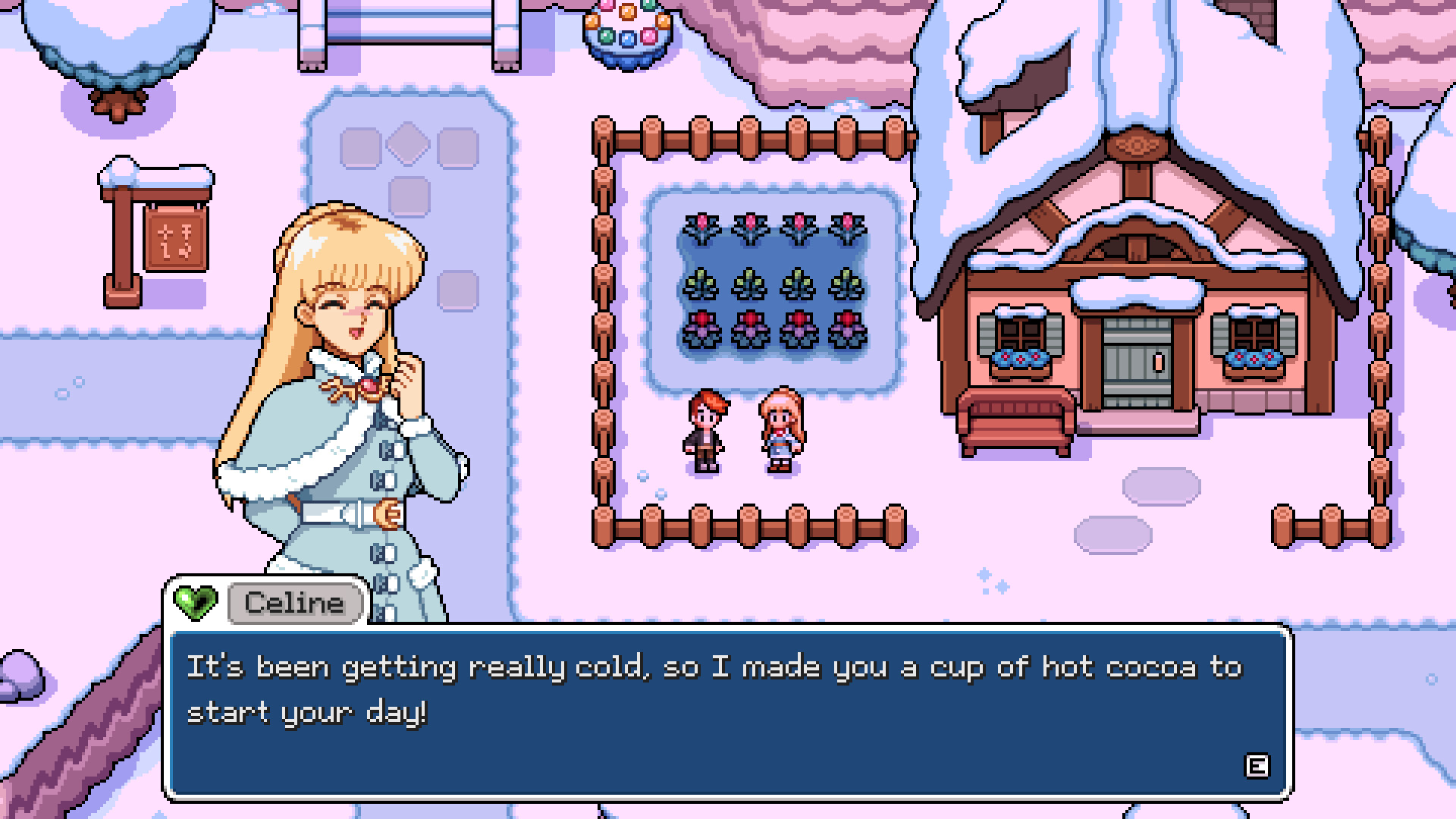
Shared history regularly comes through in conversations, and that creates the impression that I have arrived somewhere that existed before me. I’m the newcomer learning its social dynamics rather than the gravitational centre around which every NPC mysteriously orbits. Friday gatherings at the Sleeping Dragon Inn are especially effective because the villagers come together and interact socially. These communal moments help sell Mistria as a town rather than a collection of individual quest dispensers.
NPC Studio also gets plenty of mileage from recognisable character archetypes without allowing them to become their entire personalities. March, for example, has the prickly energy of a textbook tsundere, but contextual interactions give him more texture than that label suggests. His attitude can change depending on the situation, producing the kind of inconsistency that actually makes a character seem more human rather than poorly written.
Most importantly, I wanted to read the dialogue. That sounds like an absurdly low bar until you remember how quickly repetitive NPC chatter becomes the text-box equivalent of wallpaper in life sims.
Small requests become surprisingly useful storytelling
Villager requests initially look like conventional fetch quests, and mechanically many of them are exactly that. Fields of Mistria makes them worthwhile by frequently attaching little character moments to otherwise mundane errands. Being asked to find an item isn’t necessarily interesting. Discovering what that request reveals about the person asking for it can be.
That approach transforms basic objectives into an effective introduction to the community. Early progression naturally sends me toward people I might otherwise have ignored, meaning relationships emerge from playing rather than requiring a deliberate campaign of daily social optimisation. A request involving something as innocent as lilacs can even lead somewhere considerably stranger than expected.
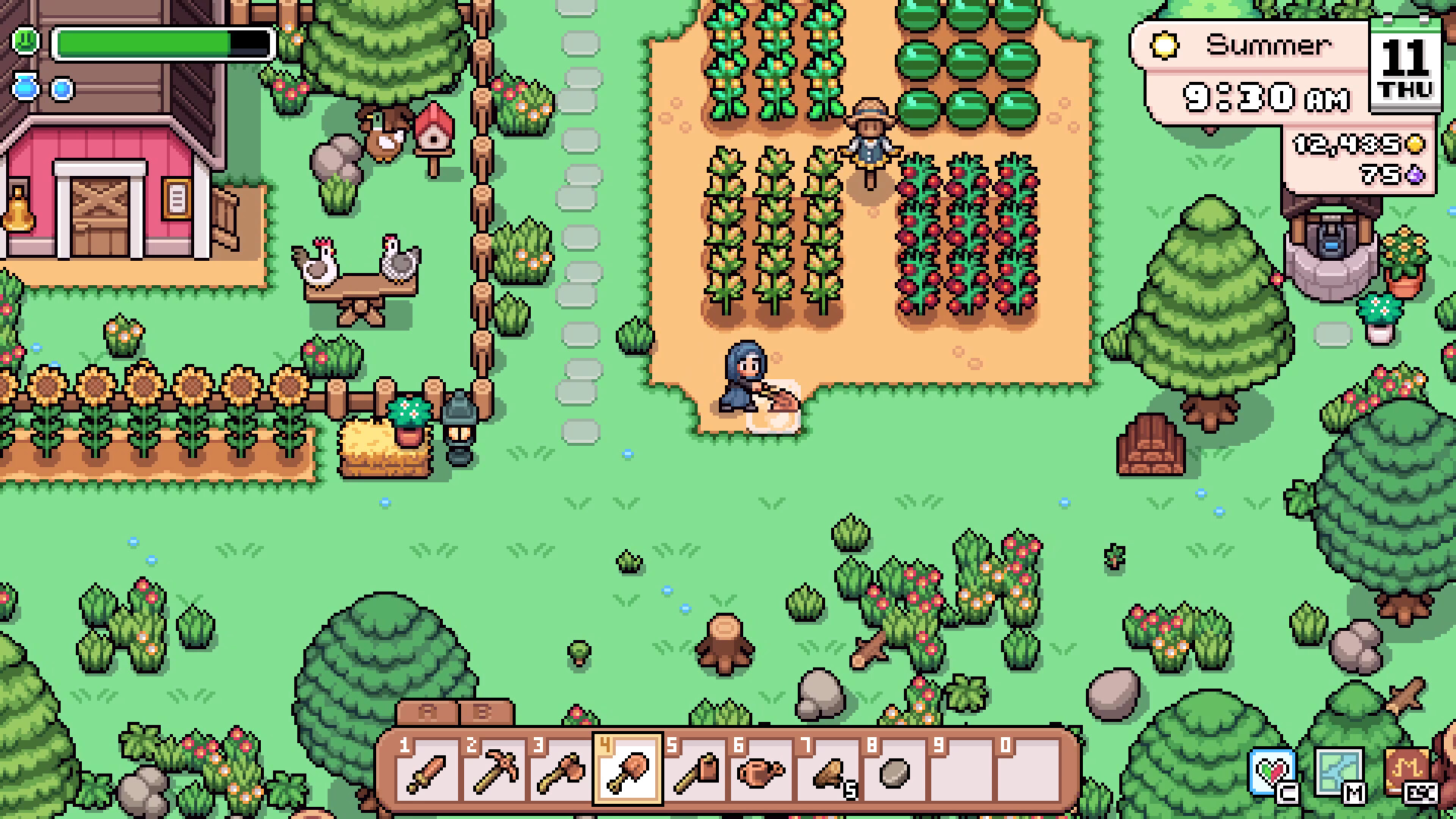
Characters can also acknowledge current objectives or point the player towards useful items, while conversations occasionally reference earlier events. These aren’t revolutionary simulations of artificial life, and it would be silly to pretend otherwise, but they strengthen continuity. The town remembers enough to stop feeling completely static.
It is the accumulation of these details that gives Fields of Mistria its personality. A single reactive conversation isn’t remarkable. Add contextual dialogue, established relationships, group gatherings and distinct personalities together, however, and the social side starts carrying almost as much motivational weight as the farm itself.
The clock keeps things moving, sometimes literally
Time management remains central to the experience. An in-game day can pass in roughly 12 and a half real-world minutes, although days can naturally take longer when conversations, menus and other interruptions are involved. That creates a brisk underlying tempo without necessarily making Mistria feel frantic.
The tension comes from deciding what deserves attention. Crops need handling, villagers have requests, resources are waiting to be gathered and exploration constantly competes with whatever supposedly sensible plan I had when leaving the farm. That familiar genre pressure works because Fields of Mistria offers enough appealing distractions that efficiency isn’t always the most interesting option.
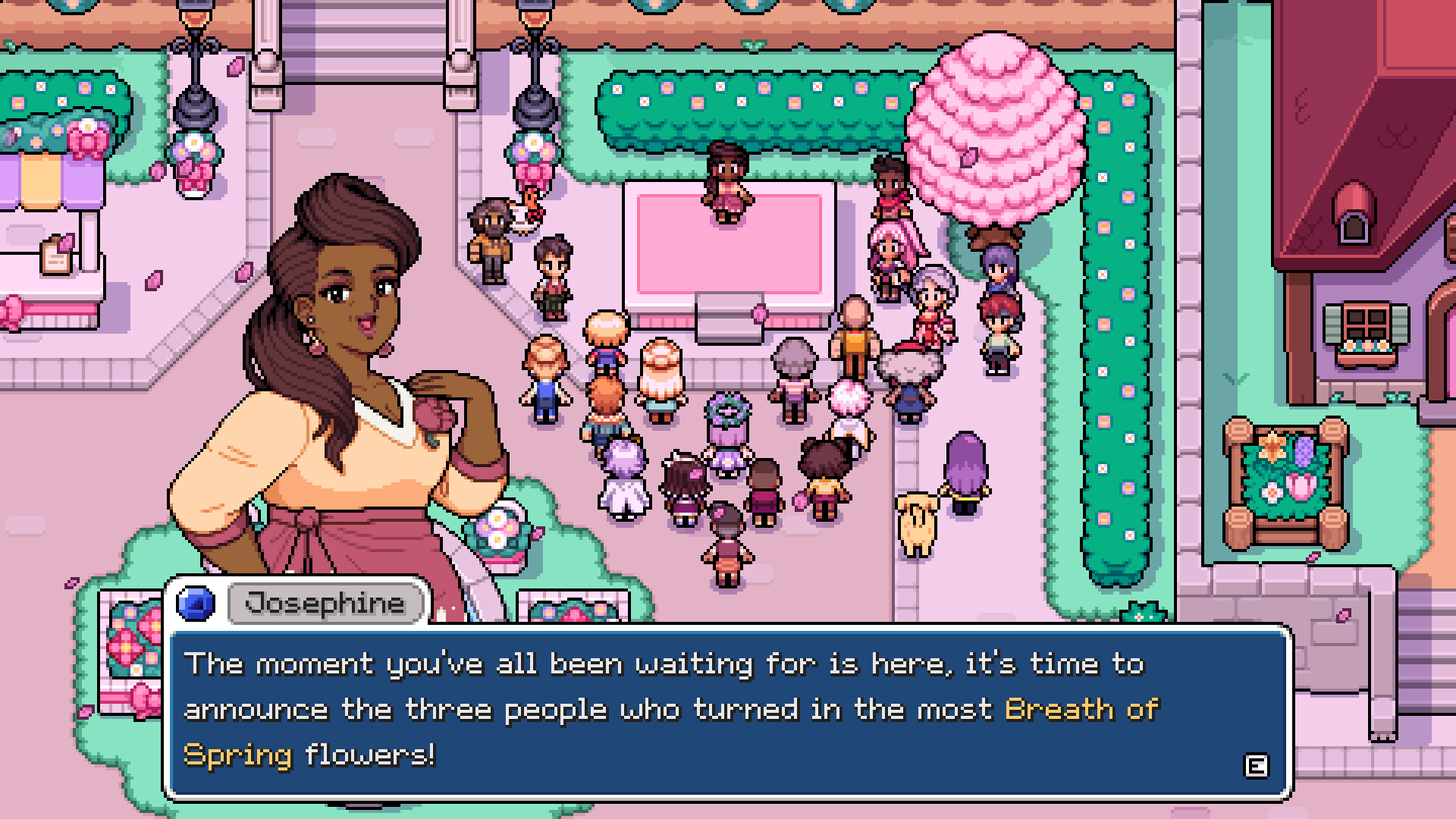
There are, however, some rougher edges. Travelling repeatedly between the farm and other destinations can become tedious, particularly before inventory capacity improves. Tools occupy valuable slots, making early storage restrictions more noticeable when collecting resources or completing errands. The limitation does encourage planning, but there is a point where planning starts looking suspiciously like inventory Tetris wearing muddy boots.
A more disruptive issue is an occasional movement problem that can cause the character to slow unexpectedly. Its exact trigger isn’t clear, which makes it difficult to account for. It hasn’t erased the enjoyment of exploring Mistria, but movement is something players perform constantly, so even an intermittent issue is more noticeable here than a glitch attached to some rarely used menu.
Pixel art gives Mistria its own identity
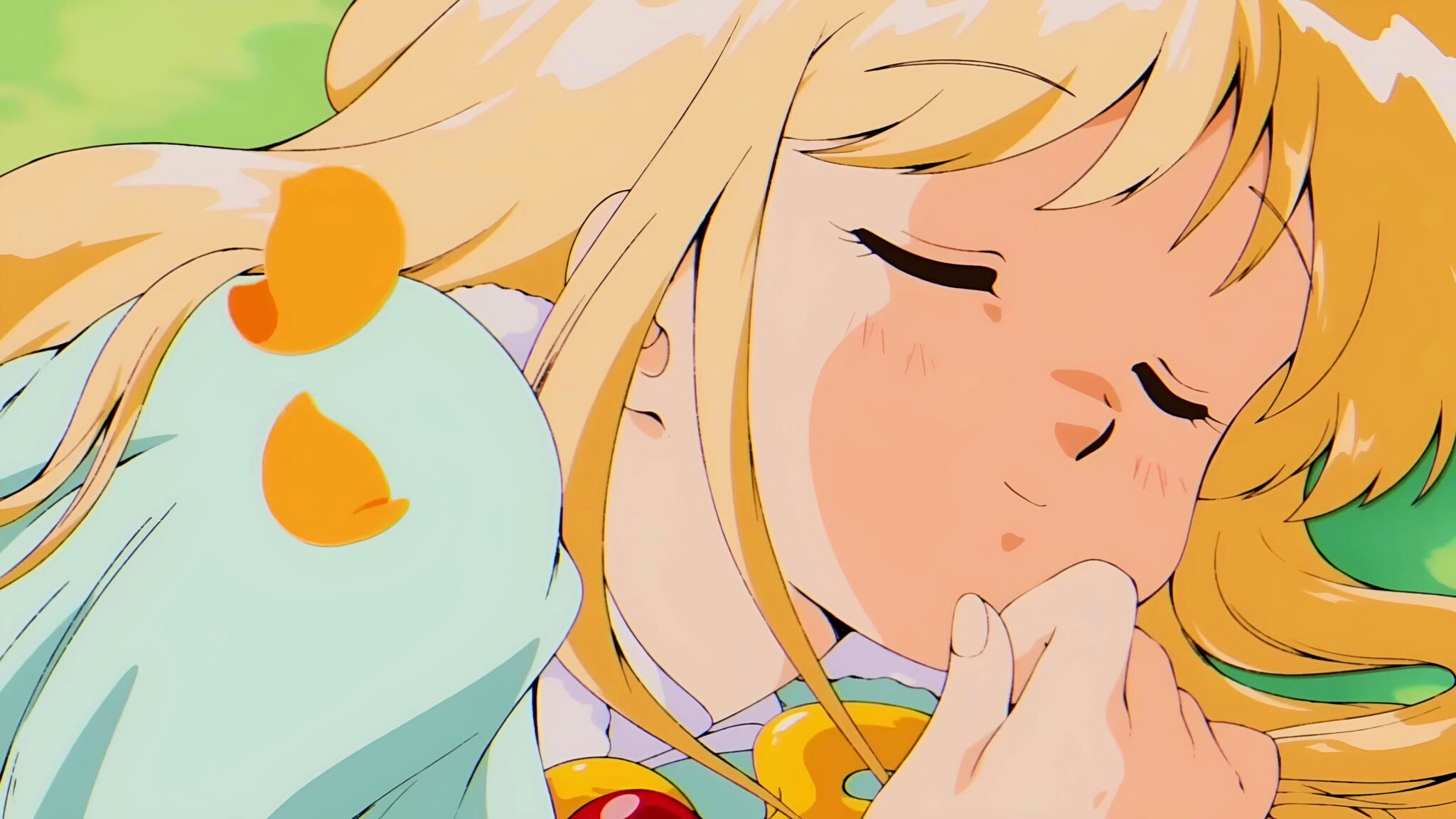
Fields of Mistria leans heavily into colourful pixel art and anime-inspired character design, and the combination fits its tone remarkably well. The palette is soft without making the world visually sleepy, while the fantasy touches give familiar rural spaces additional character. A bubbling witch’s cauldron inside the bathhouse, for instance, can suddenly remind you that magic is simply part of everyday life here.
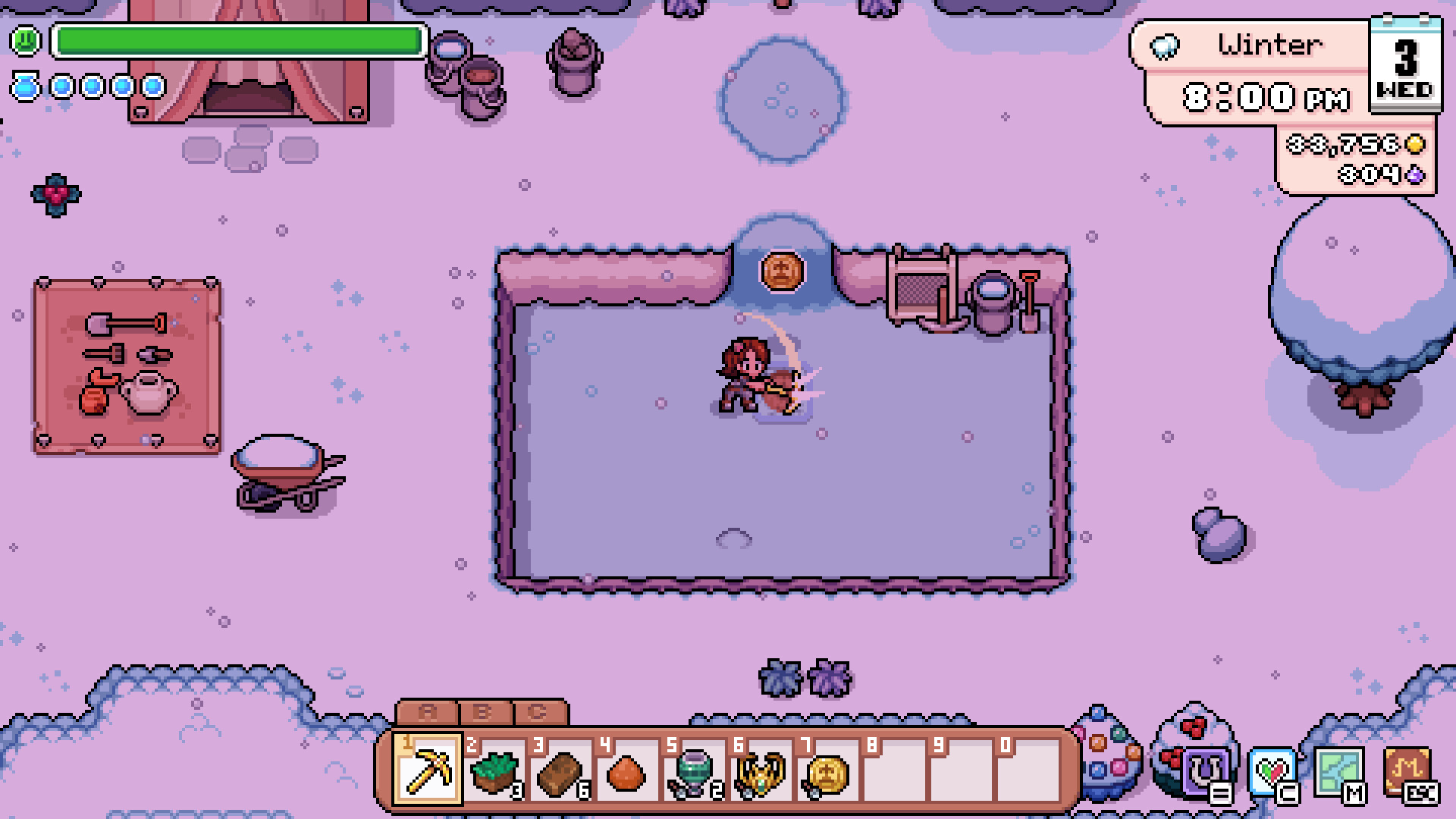
That restraint is what makes the art direction work. The game doesn’t need every screen to scream FANTASY in glowing runes. Ordinary farmland can remain ordinary farmland, allowing magical details to stand out when they appear. It complements the design philosophy elsewhere: Mistria is a farming community that happens to inhabit a magical world rather than a fantasy epic desperately looking for somewhere to plant carrots.
The character presentation is equally important because so much of the experience depends on conversation. Expressive portraits and clear archetypal designs make residents immediately readable, while the writing supplies the extra personality needed to stop them becoming anime cardboard cut-outs. Visually and narratively, the game understands the difference between using nostalgia as a foundation and relying on it as the entire building.
Version 1.0 feels like the beginning of a very long stay
The danger with any farming sim is that its opening charm can disguise a progression curve that eventually becomes monotonous. Fields of Mistria has enough interconnected systems to suggest considerable longevity, but some of its most substantial 1.0 additions naturally require significant progress before they can be properly judged.
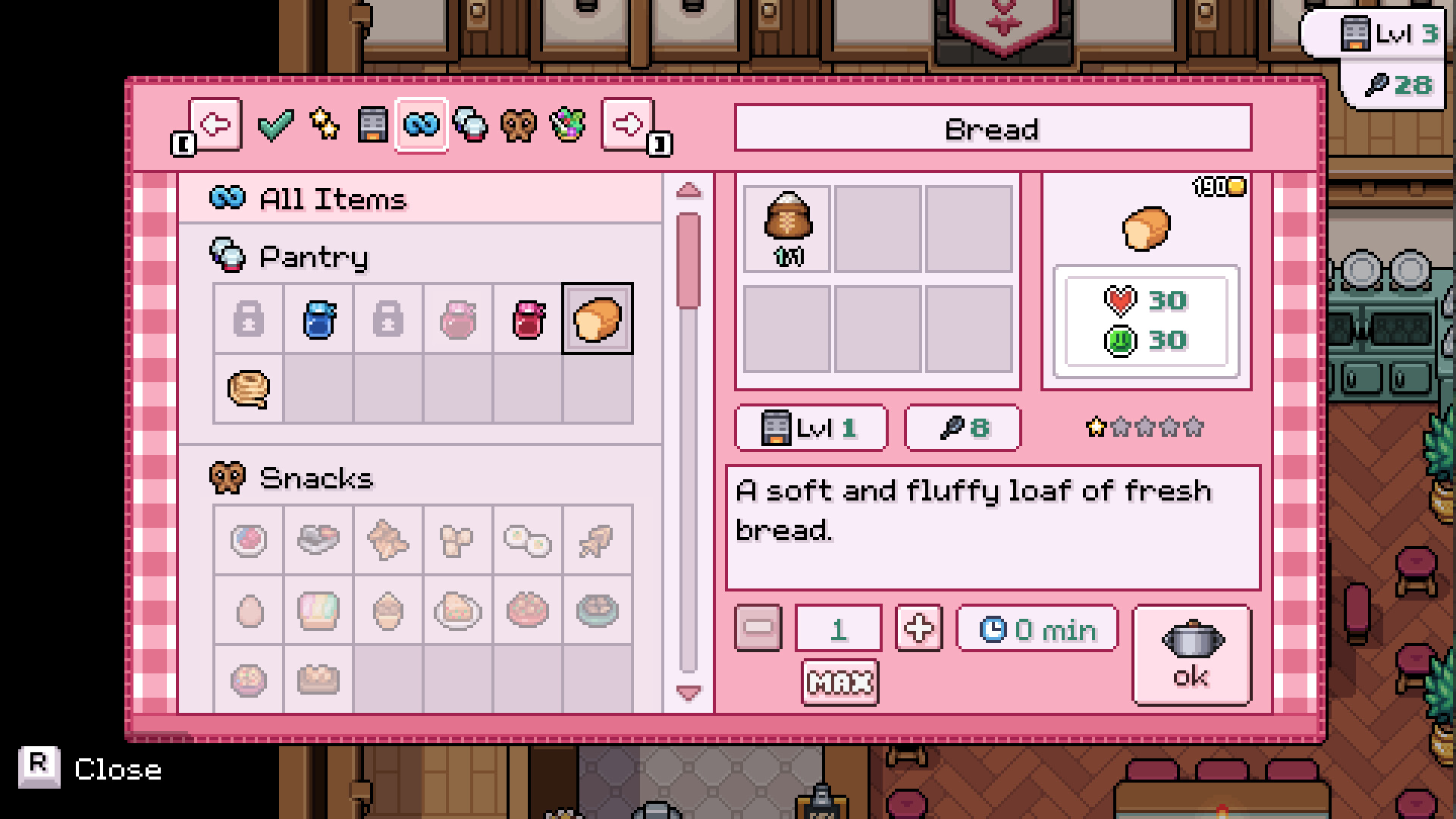
Marriage is now part of the game, while the Town Repair storyline can be completed, substantially expanding the destination awaiting long-term players. The relationship system also clearly expects investment over time rather than instantly handing over its major developments. That makes sense for a game built around seasons, routine and gradual attachment, even if it means the full quality of those later systems isn’t something I can fairly declare from the earlier stretch.
What I can judge is the reason to continue, and Fields of Mistria has that in abundance. Farming progression gives practical objectives, town development provides a larger purpose, and the residents create curiosity beyond mechanical rewards. I’m not simply waiting for bigger numbers. I want to discover more conversations, unlock more capabilities and see how Mistria changes as those systems open up.
That is exactly the hook a long-form life sim needs.
Verdict
Fields of Mistria already understands something that many farming sims spend dozens of systems trying to manufacture: a successful virtual home needs people and routines worth caring about. Its farming foundation is familiar, combining crops, resource gathering, fishing, bug catching, museum donations and broader crafting and cooking systems, but thoughtful progression keeps those activities tied to a satisfying sense of growth. The fantasy elements add flavour without hijacking the grounded pleasure of building a farm and helping a town recover.
The real highlight, though, is Mistria’s community. Characters interact with each other, bring shared histories into conversations and turn simple requests into opportunities for humour and storytelling. Group gatherings make the town feel socially connected, while reactive dialogue helps reinforce the idea that its residents aren’t standing around waiting for the protagonist to activate them.
There are irritations. Early inventory limitations make repeated journeys more cumbersome than they need to be, and the occasional unexplained slowdown while moving is an unwelcome interruption. More importantly, the scale of version 1.0 means some of its major long-term content, particularly marriage and the completed Town Repair storyline, needs considerably more time before the entire package can receive a definitive judgment.
Still, the fundamentals are exceptionally strong. Fields of Mistria takes a well-established farming-sim formula and gives it personality through smart pacing, appealing progression and villagers I genuinely want to know better. For players who miss the social warmth of classic Harvest Moon and Animal Crossing but want a gentle fantasy layer and more modern progression systems, Mistria is shaping up to be a very easy place to lose a calendar.