

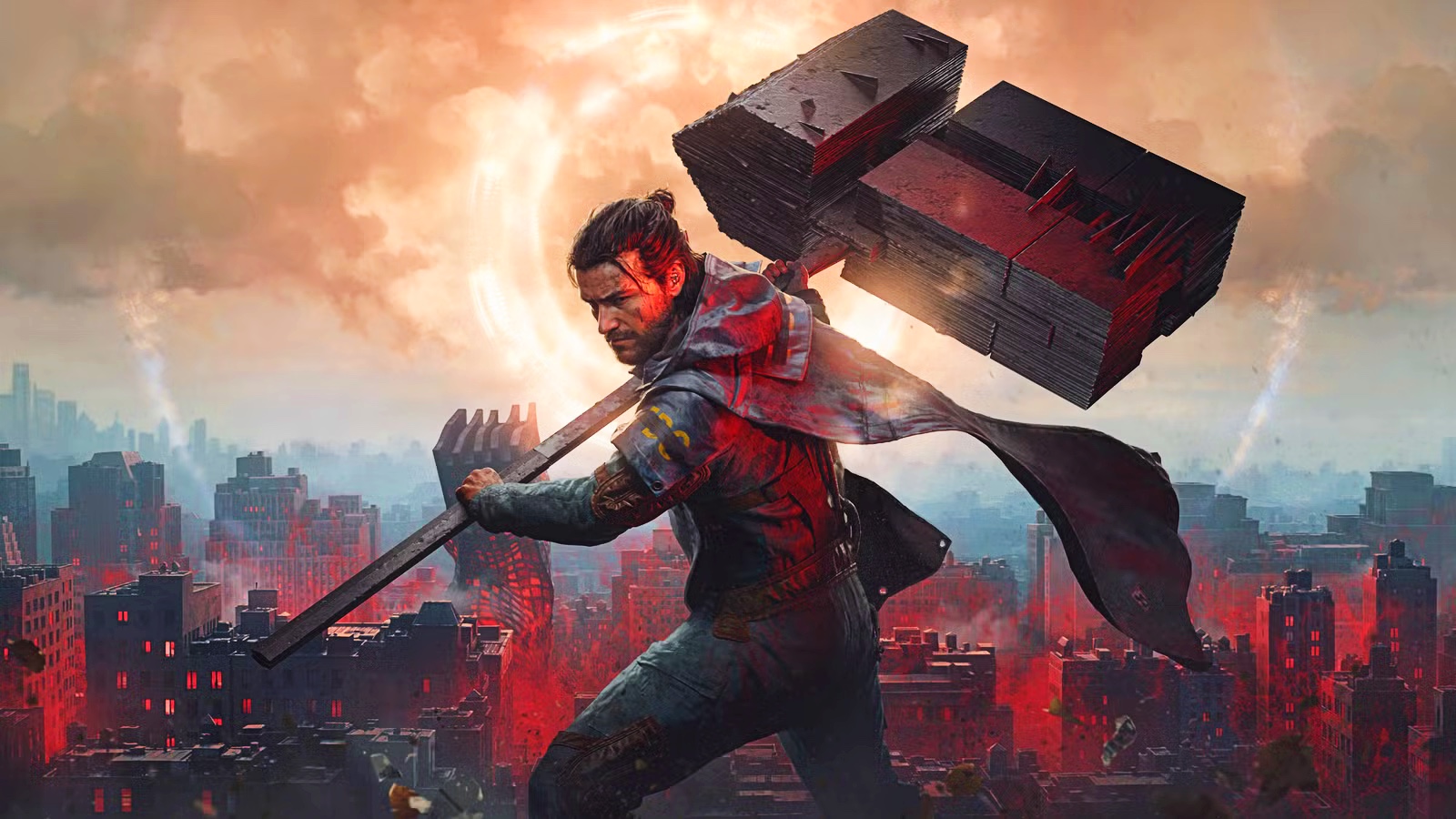
TL;DR: Control Resonant swaps the claustrophobic weirdness of the Oldest House for a more conventional New York setting, and while its combat progression, boss design and gravity-bending traversal are genuinely well built, the shift toward mainstream storytelling and setting leaves it feeling safer than the original.
Remedy Entertainment built its reputation on refusing to make games that feel like anything else on the market, and that reputation is precisely why Control Resonant lands as such a curious follow-up. The studio that gave us the fractured dream logic of Max Payne and the endlessly strange Oldest House now sends players sprinting across a version of Manhattan I’ve walked through in half a dozen open-world games already. What I found playing through it is a game with real strengths in its combat progression and its visual craft, wrapped around a structure that trades away the thing that made its predecessor so magnetic in the first place.
A Sequel That Steps Outside Its Own Best Idea
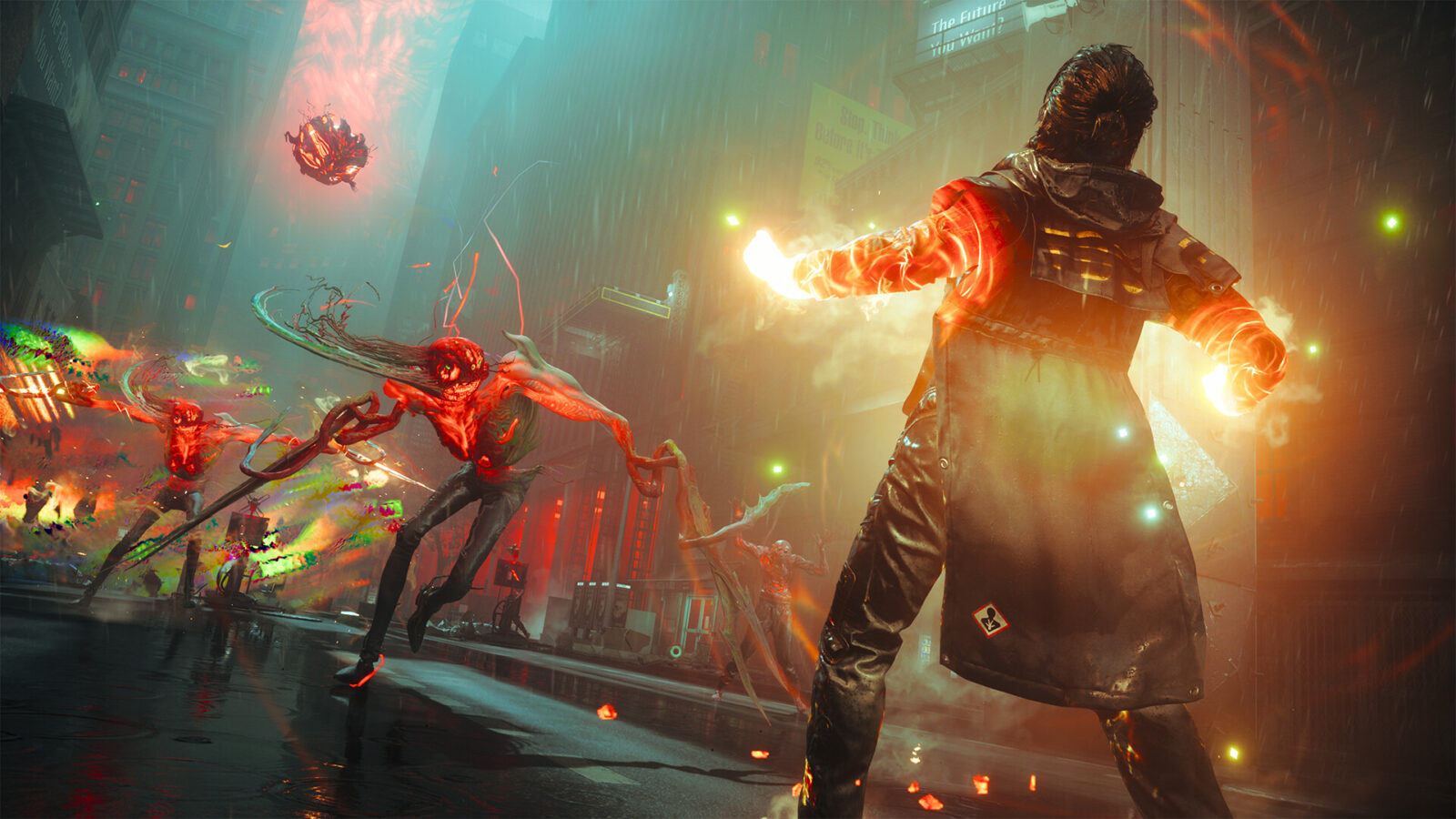
The original Control worked because almost the entire experience unfolded inside one impossible building, the Oldest House, a bureaucratic nightmare where hallways folded back on themselves and ordinary objects hid extraordinary threats. Resonant picks up with Dylan, brother to original protagonist Jesse Faden, waking from years of containment inside that same building only to find its paranormal contents have broken loose into the city outside. The moment the game sends you out through the doors and into downtown streets, something shifts. What worked for me in the earlier game was the sense that reality itself was untrustworthy in a space I couldn’t map onto anything familiar, and once Resonant swaps that interior dread for open city blocks, it starts resembling the same superhero-patrolled, faction-controlled New York that other franchises have already mined thoroughly.
That’s not a fatal decision, but it is a costly one. Remedy has spent decades cultivating a very specific unease, tracing back through Max Payne’s fractured narration to Control’s bureaucratic horror, and that unease depends heavily on unfamiliar geography. New York, however lovingly rendered, is not unfamiliar geography. The further I got into Resonant, the more I noticed myself comparing its rooftops and avenues to games with entirely different creative DNA, which is not a comparison Remedy has historically invited.
Supernatural Kung Fu That Levels Up, But Doesn’t Always Land
Combat in Resonant hands Dylan a shapeshifting weapon capable of reforming into a blade, a scythe or a hammer depending on the moment, and that weapon grows more capable as you invest in a progression system built around power and combo potential. Layered on top are secondary attacks, ranged options and passive abilities that open up as you continue fighting the paranormal force known as the Hiss. The combination gives fights a sense of escalation that feels earned rather than handed to you, and there’s real satisfaction in watching a once-limited toolkit expand into something genuinely versatile.
Where the combat struggles is in the feel of individual exchanges. I found the actual hit-to-hit combat blunter than I expected from a studio this capable, especially when set against something as precisely tuned as Onimusha: Way of the Sword, which prioritises surgical timing over sheer accumulation of abilities. Resonant’s fights are enjoyable in the way that any well-built progression loop is enjoyable, but they rarely produce the kind of standout, memorable encounter that makes you want to describe it to a friend afterward. The system rewards patience and build investment more than it rewards mastery of any single move, and that trade-off will land differently depending on what kind of combat you’re chasing.
Boss Fights That Reshape the Whole City Around Them
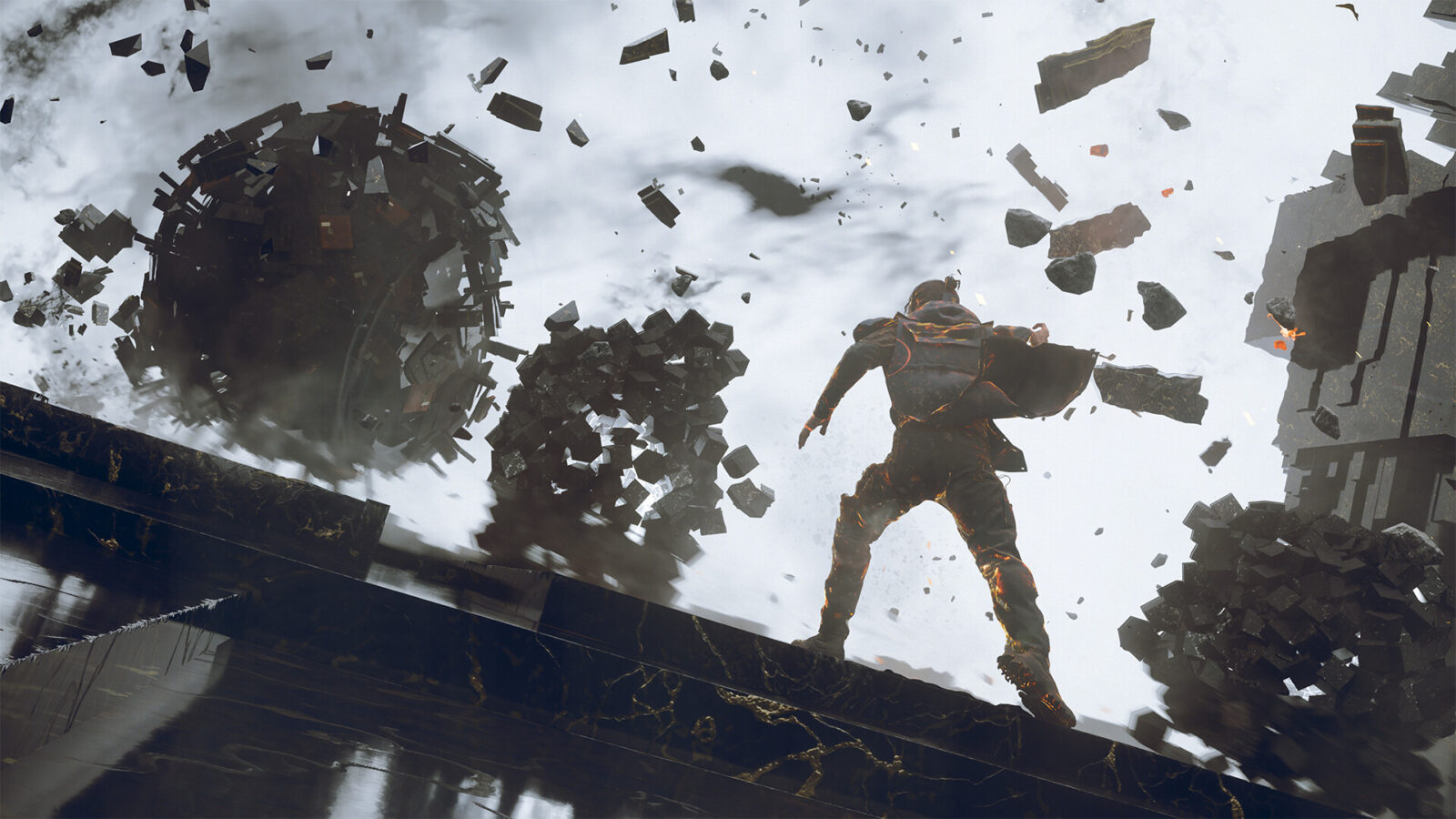
The Resonants themselves, the boss-tier threats scattered throughout Manhattan, are where Remedy’s gift for unsettling visual design gets room to breathe. Their designs lean into the kind of otherworldly horror imagery the studio has built its identity on, and I’d rather not spoil the specifics since discovering them is part of the appeal. What’s worth flagging without spoiling anything is that defeating a Resonant doesn’t just end an encounter, it actually changes the behaviour, strength and presence of other enemies across the city afterward. That’s a genuinely clever piece of systemic design, because it means the order in which you choose to tackle these optional bosses has consequences that ripple outward rather than resetting to a static baseline.
Combined with the freedom to approach missions, enemies and locations largely in whatever order suits you, this creates a structure that rewards curiosity. The main story missions are comparatively linear, but everything surrounding them is loose enough that two players could have meaningfully different runs through the same map depending on which Resonants they chase first.

Gravity-Bending Traversal Is the Game’s Real Party Trick
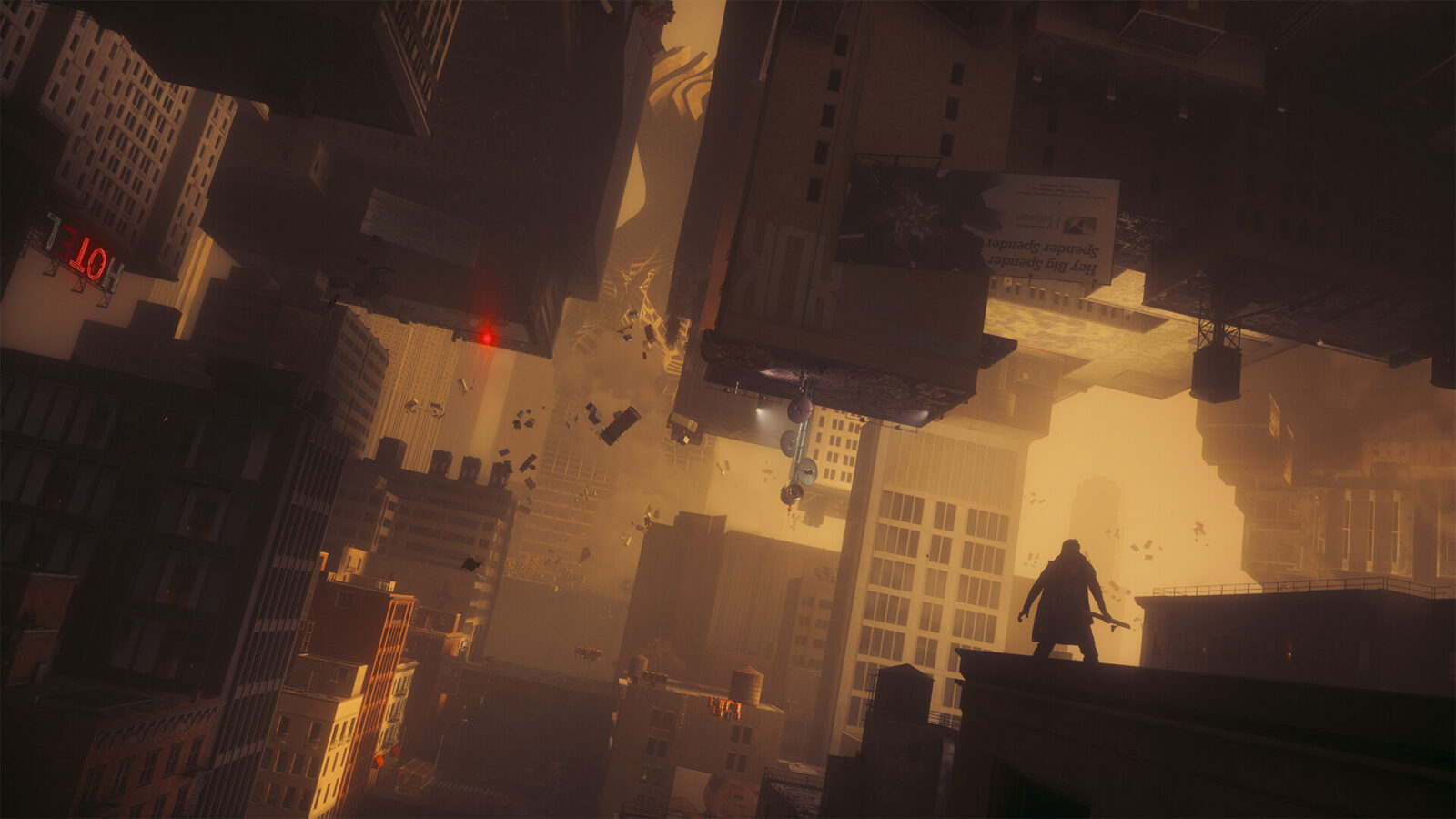
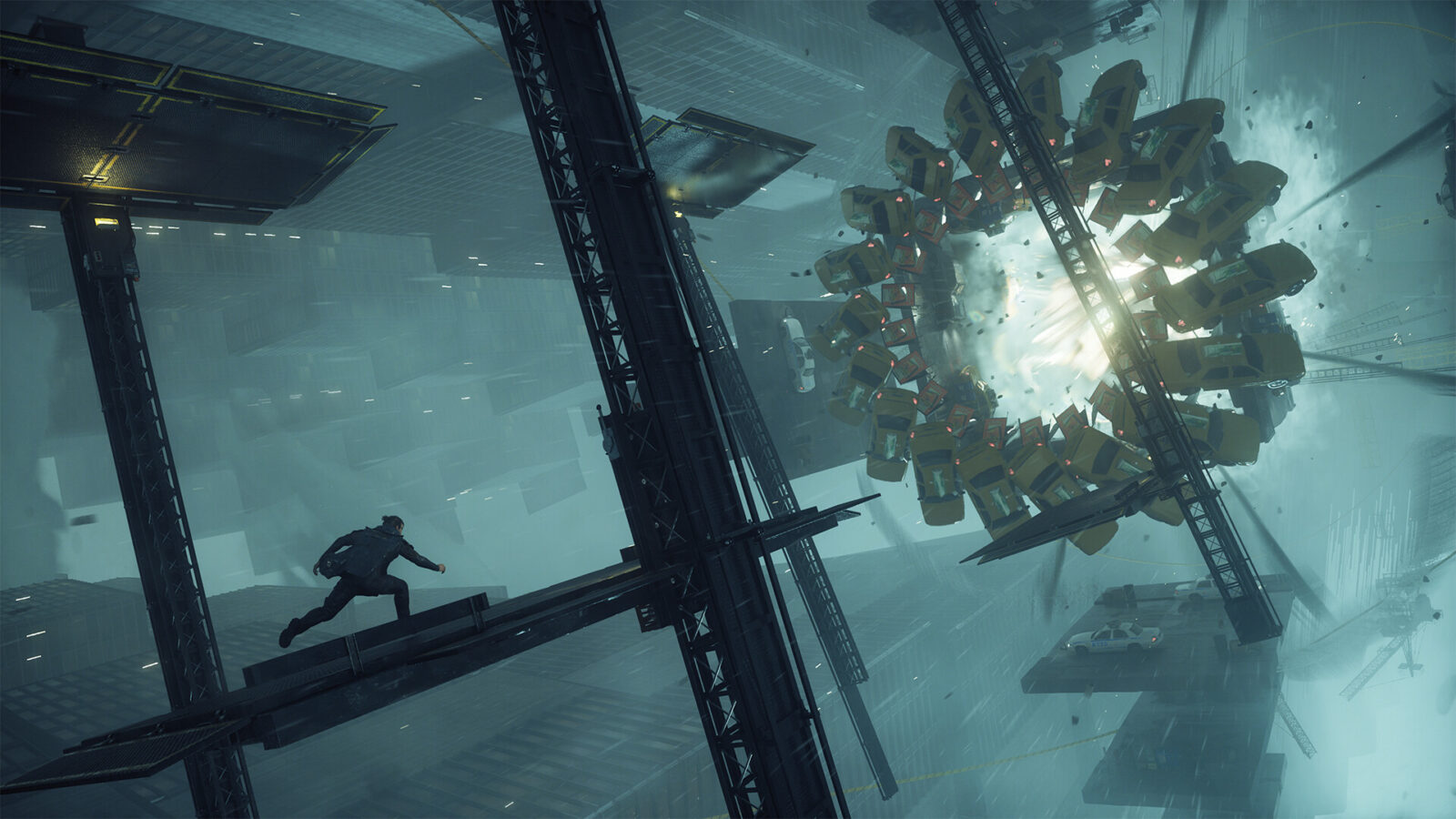
If there’s one system in Resonant that fully justifies the shift to an outdoor setting, it’s Dylan’s movement. Triple-jumping across rooftops feels good in the moment-to-moment sense that traversal in a superhero-adjacent game needs to feel good, but the standout ability lets you shift your gravitational grounding entirely, walking along streets that have been bent vertically in a way that immediately recalls Inception’s folding city sequences. Remedy leans into the absurdity of it rather than playing it straight, too. Shortly after unlocking that ability, your handler back at the bureau starts pumping EDM through the radio to soundtrack a run through a multistorey car park whose levels twist and fold at angles that shouldn’t be structurally possible.
It’s in moments exactly like that one where Resonant feels most like itself, and most like the Remedy that made Control such a distinctive experience in the first place. The grand story beats rarely reach that same height, but these smaller, stranger, more playful sequences consistently do, which says something about where this game’s real creative energy is concentrated.
A More Conventional Story Wearing an Unconventional Skin
Control told a story about distorted, oppressive reality closing in on Jesse from every direction, and it committed to that disorientation almost entirely. Resonant tells a more straightforward tale of a man working toward redemption, and while there’s an argument to be made that a character-driven redemption arc isn’t inherently worse than atmospheric dread, it is a very different kind of story than the one this world previously told. There are genuine moments of warmth in Dylan’s scenes with his bureau colleagues and his glimpses of his elusive sister, and those human beats give the cast some texture that the original occasionally sacrificed for mood. Still, the overall tonal shift toward something more easily digestible mainstream mirrors what’s happened with the combat and the setting: accessible, competent, and noticeably less hallucinogenic than what came before.

Verdict
Control Resonant is a well-made action-RPG with a combat progression system that rewards investment, a boss gallery with real visual imagination, and a traversal mechanic in its gravity-shifting movement that’s genuinely inventive and fun to use. Where it stumbles is in the decision to leave behind the claustrophobic, reality-bending interior that made the original Control feel like nothing else on the market, trading it for a more conventional open city and a more conventional redemption story. None of the individual pieces here are poorly made, but taken together they add up to a sequel that plays it safer than the strange, confident original it’s following. This is worth playing for fans of the first game who want to see where Dylan’s story goes and for anyone who enjoys ability-driven traversal and escalating combat systems, but go in expecting a more grounded, accessible experience rather than a repeat of Control’s disorienting high-wire act.