
TL;DR: Chad Powers season 2 turns its ridiculous quarterback-in-disguise premise into a surprisingly smart comedy about identity and second chances, powered by Glen Powell’s committed performance. It’s still wonderfully stupid, but now the stupidity comes with heart
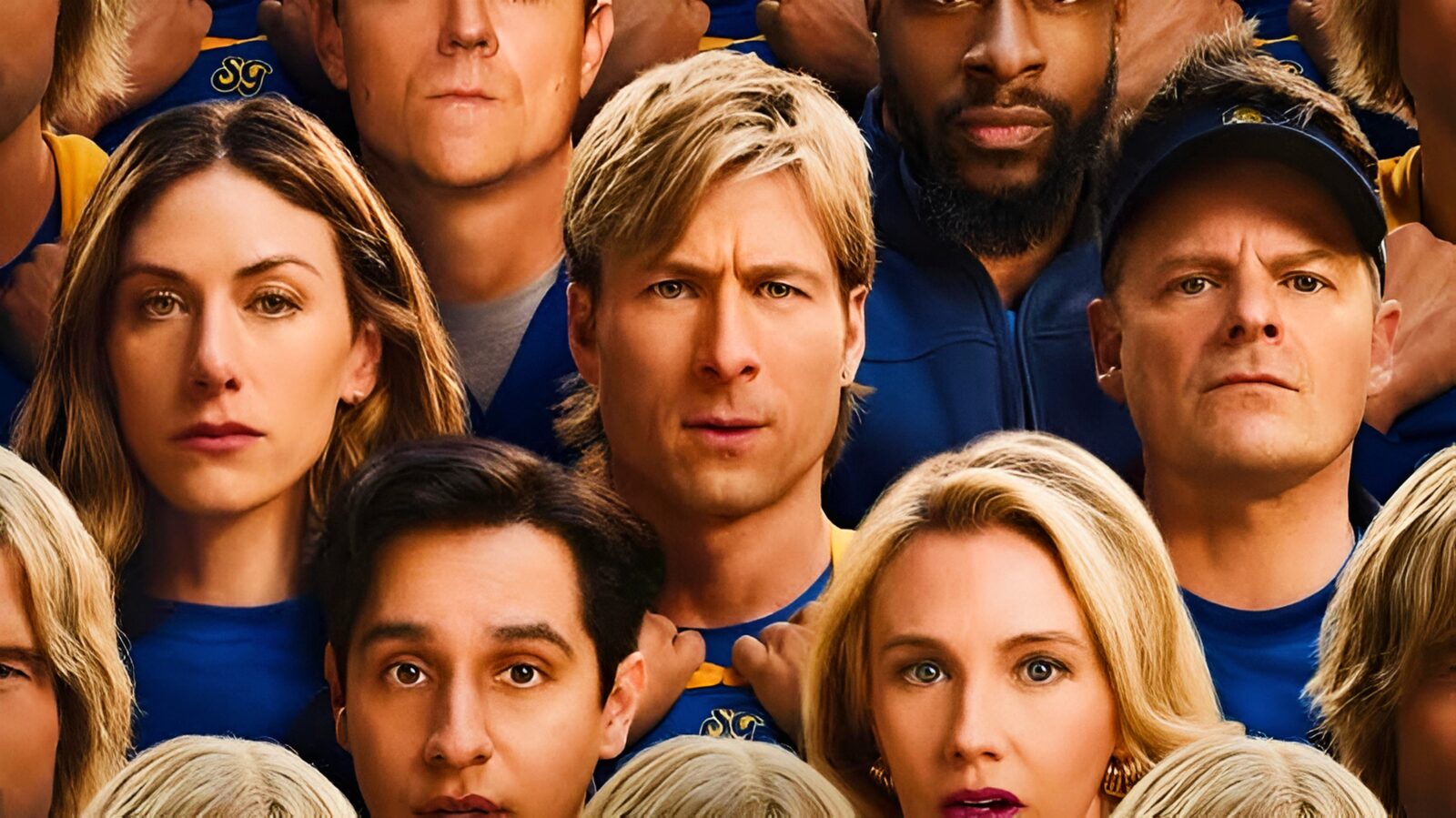
There are TV premises built for the long haul, and then there are premises that feel like they should explode somewhere around episode four. Chad Powers has always belonged proudly to the second category. Glen Powell plays disgraced former college quarterback Russ Holliday, whose spectacularly ruined football career eventually leads him to disguise himself as the spectacularly strange “Chad Powers” and sneak back onto the field with the South Georgia Catfish. Season one turned that ridiculous setup into something unexpectedly charming; season two now faces the harder challenge of proving there is an actual show underneath the prosthetics. Somehow, against the playbook, Chad Powers keeps finding room to run.
Chad Powers season 2 makes its ridiculous disguise matter
The central joke remains gloriously stupid. Russ is still maintaining an alter ego assembled from prosthetics, fake teeth, hair and enough questionable decision-making to get kicked out of any sensible character-creation screen. Season two even finds comedy in the physical unreliability of the disguise, including Chad’s troublesome nose, but the series understands that simply repeating “what if Glen Powell looked weird?” would run out of fuel quickly.
Instead, the disguise becomes increasingly interesting because Chad is no longer merely Russ’s ticket back into football. He is becoming an identity with relationships, expectations and consequences attached to him. The people around Chad respond to someone kinder, stranger and considerably easier to love than the arrogant Russ they might otherwise encounter. That creates a surprisingly effective question underneath all the silliness: if pretending to be somebody else allows you to become a better version of yourself, where exactly does the performance end?
Season two doesn’t suddenly transform into prestige television staring mournfully into the existential abyss. Thankfully, Chad Powers still knows it is a comedy about a football player hiding behind an absurd face. But giving the deception emotional weight stops the premise from becoming a sketch stretched beyond its natural lifespan.
Glen Powell sells both sides of the Chad Powers equation
Powell remains the show’s cheat code. Russ could easily become unbearable because arrogance and self-destruction are baked into the character, while Chad could become exhausting if his oddball personality were pushed too aggressively. Powell manages to make both identities feel like different expressions of the same damaged person rather than two disconnected comedy performances.
That distinction matters more this season. Beneath Russ’s swagger is someone whose confidence increasingly feels defensive, while Chad offers him permission to behave without carrying the baggage of his old reputation. Powell is particularly effective when the comedy gives way to vulnerability; the movie-star confidence is still there, but the cracks underneath it make Russ considerably more sympathetic without magically absolving him of his behaviour.
It also helps that Powell appears completely committed to looking ridiculous. There is no sense that Chad Powers is nervously protecting its leading man’s Hollywood image. The series happily weaponises it instead, which makes Russ’s vanity funnier and Chad’s bizarre appearance more endearing.
The secret is getting harder to keep, and that is exactly what season 2 needs
A series based around an impostor inevitably encounters the same narrative boss battle: people have to start discovering the truth. By the end of season one, mascot Danny (Frankie Rodriguez) already knew Russ’s identity and had become an accomplice, while assistant coach Ricky (Perry Mattfeld) had also learned what was happening. Season two therefore cannot simply reset the deception and replay the same close calls forever.
The introduction of a more aggressively suspicious Gerry, played by Colton Ryan, gives the story another source of instability. His determination to expose Chad adds pressure precisely when the central lie needs it most. More importantly, Gerry isn’t treated merely as a plot device wandering around waiting to shout “Aha!” at the appropriate moment. There is enough vulnerability underneath his increasingly reckless behaviour to keep the conflict human rather than mechanical.
That growing circle of knowledge also changes the show’s comedic rhythm. The question is becoming less about whether Russ can keep every plate spinning and more about what happens when different people know different versions of him. It is a smart evolution because permanent secrecy would eventually turn the series into the sitcom equivalent of an NPC endlessly walking into the same wall.
The comedy works because Chad is allowed to be genuinely weird
The show’s greatest comedic weapon remains Chad himself. His personality operates on its own frequency, producing bizarre excuses and strange philosophical observations that make him unpredictable without turning him into a random-joke dispenser. There is a childlike sincerity to the character that contrasts nicely with Russ’s performative swagger.
That balance also explains why the sweeter material generally lands. Chad Powers can be crude and knowingly stupid, but it isn’t cynical about everyone on screen. The Catfish environment is populated by oddballs who are funny because they care deeply about things, not because the series despises them. That gives the comedy warmth without sanding off its sharper edges.
The tone occasionally threatens to wobble when the show reaches for deeper meaning, particularly because there is only so much existential symbolism one can pile onto a fake nose before the metaphor starts wearing the audience instead. Yet season two mostly knows when to retreat back to nonsense. The emotional material works because it sits underneath the comedy rather than replacing it.
A sports comedy that is increasingly about identity rather than football
The football setting remains essential, but Chad Powers isn’t really asking viewers to invest solely in wins and losses. Russ’s comeback matters because football represents the life he destroyed and the version of himself he cannot stop chasing. Chad gives him access to that world again, but only by forcing him to experience it as somebody else.
That irony gives season two its most useful dramatic engine. Russ wants the validation that once defined him, yet the people around him may prefer the fabricated version of the man seeking it. His problem isn’t simply getting exposed; it is figuring out what remains when Chad’s personality starts revealing qualities Russ had buried beneath ego and insecurity.
Viewers looking for a straight sports series may therefore find the football machinery less important than expected. Anyone willing to embrace a character comedy wearing shoulder pads, however, should find plenty here. Chad Powersunderstands the genre well enough to use competition, teamwork and comeback mythology while simultaneously poking at the macho nonsense surrounding them.
Verdict
Chad Powers season 2 survives the biggest threat facing any high-concept comedy: its own premise. Glen Powell continues to make Russ Holliday simultaneously frustrating, funny and unexpectedly vulnerable, while Chad has evolved beyond a prosthetic punchline into the mechanism through which the series explores identity, insecurity and second chances. The expanding secret inevitably limits how long the original setup can continue unchanged, and some of the deeper ideas occasionally threaten to outrun the wonderfully stupid comedy surrounding them.
Still, this is a warmer and more thoughtful series than its fake teeth and football chaos initially suggest. Fans of season one should appreciate that the show is developing rather than simply repeating itself, while newcomers attracted purely by Powell’s movie-star charisma may be surprised by how willingly he throws that charisma into the comedy blender. Chad Powers remains ridiculous, but season two proves there is enough heart behind the mask to keep cheering.