TL;DR: Episode 8 of Cape Fear unleashes a whirlwind of family betrayals, shocking discoveries, and powerhouse acting that answers key mysteries while ramping up the tension for a thrilling finale. Max Cady’s schemes reach new depths of evil, with Amy Adams shining brightest as the Bowdens fight for survival amid literal and figurative storms. A bonkers, must-watch chapter that blends horror, drama, and dark humor into an unforgettable ride.
Cape Fear
In the swirling vortex of modern streaming thrillers, few shows manage to ratchet up the tension quite like this Apple TV+ series, where every episode feels like stepping deeper into a funhouse mirror of family secrets and calculated revenge. Episode 8, bearing the evocative title that whispers of divine timing in its original Spanish phrasing, doesn’t just push the envelope—it rips it to shreds and scatters the pieces across a storm-lashed landscape of betrayal. As someone who’s followed the Bowden family’s descent into chaos from the very first frame, I found myself glued to the screen, heart pounding in rhythm with the escalating orchestral swells that underscore Max Cady’s relentless psychological warfare. This hour doesn’t merely entertain; it immerses you in a cinematic fever dream where moral boundaries dissolve like sugar in rain, leaving you questioning every alliance and every shadowed glance.
The brilliance here lies in how the narrative layers personal trauma with larger-than-life confrontations, turning what could have been standard revenge fare into something profoundly unsettling and oddly exhilarating. Picture yourself in that backyard pool scene, the water’s surface calm before the storm of discovery hits—it’s the kind of visceral shock that lingers long after the credits roll, evoking classic horror beats from films that blend gore with genuine emotional weight. Yet the episode never feels gratuitous; instead, it uses these moments to peel back the facade of suburban normalcy, exposing the raw nerves of a family pushed to its absolute limits. Max’s influence permeates every interaction like a virus, twisting intentions and amplifying fears until the line between hunter and hunted blurs into oblivion. What emerges is a masterclass in sustained dread, where quiet revelations hit harder than explosive action sequences, proving once again why this series stands out in a sea of formulaic procedurals.
Diving into the heart of the episode, the Bowdens’ world crumbles in ways that feel both inevitable and shockingly inventive, with floating horrors in unexpected places serving as grim punctuation marks to their unraveling lives. The discovery of those dismembered remains transforms a routine swim into a nightmare sequence that rivals some of the most memorable cinematic body discoveries, forcing characters and viewers alike to confront the full extent of one man’s vendetta. It’s not just about the visual punch—though that lands with grotesque precision—but the way it cements Max’s role as the puppet master orchestrating decades of misery. Families in these stories often fracture under pressure, but here the breaks feel authentic, born from years of suppressed secrets and half-truths that bubble up like evidence from the depths.
As the parents navigate police scrutiny and internal doubts, their decisions spiral into a cascade of desperate measures that any parent might recognize in their darkest what-if moments. The choice to swap evidence or withhold truths isn’t portrayed as heroic cunning but as the flawed, human panic of people realizing their carefully constructed lives were built on sand. This episode excels at showing how suspicion infects relationships, turning intimate conversations into minefields where one wrong word could detonate everything. Watching the dynamics shift between spouses and siblings offers a mirror to real-world family tensions amplified through a thriller lens, making the drama resonate on a deeper level than mere plot mechanics.
The younger generation’s involvement adds layers of heartbreaking complexity, as youthful idealism collides with the brutal machinery of adult conspiracies. Their actions, impulsive yet steeped in loyalty, highlight the collateral damage of Max’s long game, evoking those coming-of-age tales where innocence gets sacrificed on the altar of survival. It’s this multi-generational scope that elevates the material, weaving personal growth arcs into the larger tapestry of retribution and redemption—or the lack thereof.
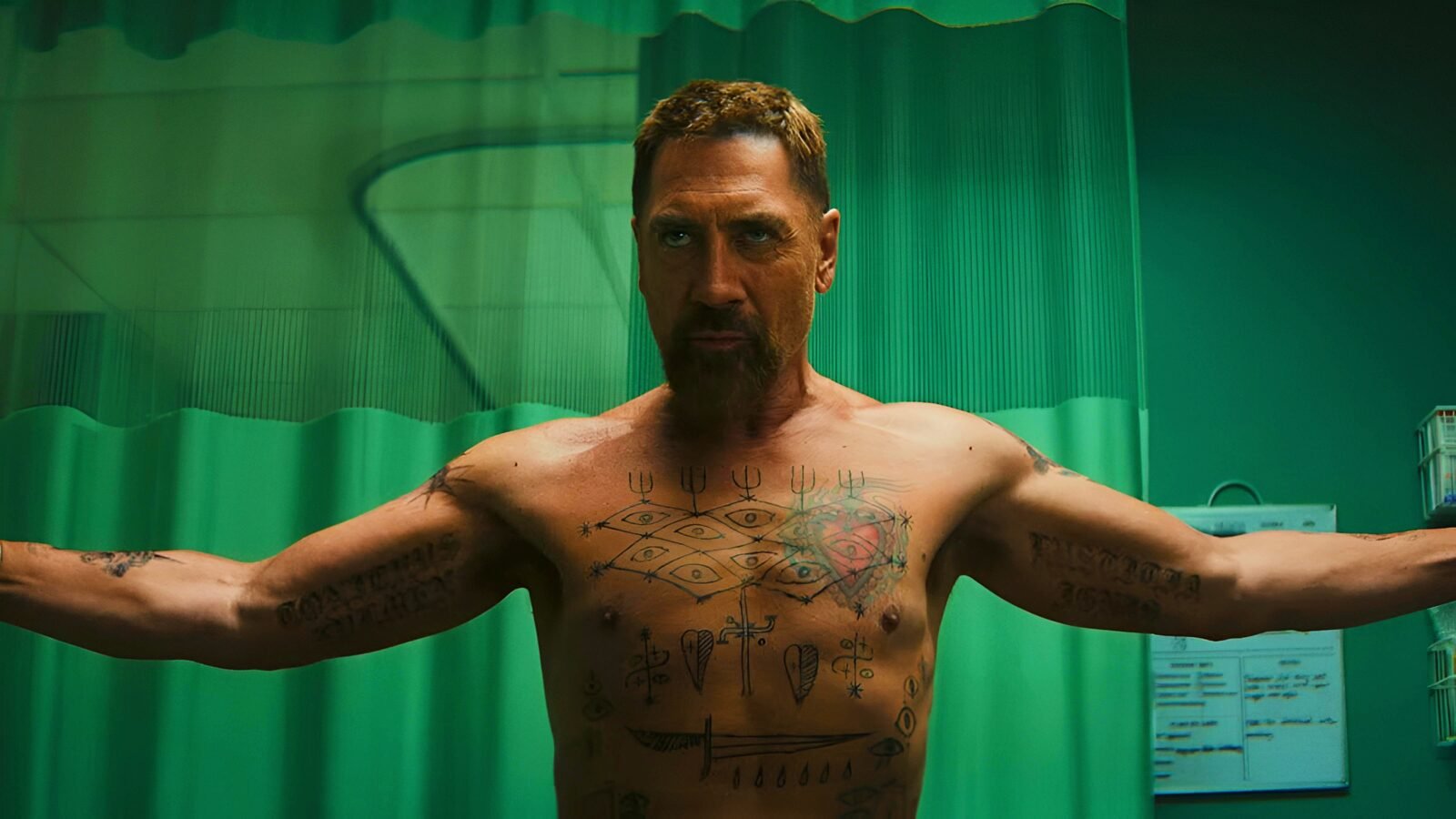
At the center of this whirlwind stands Max Cady, a character whose presence looms like a storm cloud, equal parts magnetic and monstrous, embodying the archetype of the charming predator we’ve seen in countless tales yet rendered fresh through nuanced scripting and powerhouse delivery. His seizures and visions aren’t mere plot devices; they humanize the villain just enough to make him terrifyingly relatable, hinting at fractures in his own psyche that mirror the destruction he wreaks. The episode’s confrontations crack open his motivations with surgical precision, revealing a man driven not by simple malice but by a profound need to mirror his own pain onto others. This depth transforms him from a stock antagonist into a force of nature, the kind that geek culture celebrates in its most compelling antiheroes.
Amy Adams delivers what feels like career-highlight work here, channeling a spectrum of emotions that shift seamlessly from quiet despair to volcanic fury. Her portrayal captures the exhaustion of a woman who’s carried invisible burdens for years, only to have them explode in real time, and it’s the kind of performance that makes you lean forward, hanging on every micro-expression. The scene where she confronts Max in his vulnerable state crackles with electricity, blending vulnerability and strength in a way that feels earned rather than contrived. Supporting turns, from the psychiatric ward spirals to jailhouse outbursts, add texture and authenticity, reminding us that great ensemble work amplifies the leads without stealing focus.
These performances ground the more outlandish elements, ensuring that even as bodies surface and guns misfire, the emotional core remains rock solid. It’s the kind of acting that lingers, prompting late-night discussions about nature versus nurture and the cycles of trauma that define so many great stories in film and television.
Thematic Depths and Cinematic Flourishes
What truly sets this installment apart is its willingness to embrace the melodramatic while anchoring it in thoughtful explorations of justice, memory, and the illusion of control. Blackouts and forgotten nights serve as potent metaphors for repressed histories, inviting viewers to ponder how much of our identities are shaped by what we choose—or are forced—to forget. The hurricane bearing down during key moments isn’t subtle symbolism, but it works beautifully, externalizing the internal tempests ripping through the characters’ souls. In true geek fashion, it echoes epic quests where protagonists venture into the eye of the storm, armed with nothing but resolve and a few ill-gotten tools.
The use of technology, from cloud-stored photos to location pings, cleverly updates classic cat-and-mouse tropes for our connected age, adding a layer of modernity that feels organic rather than gimmicky. These elements heighten the paranoia, making every device a potential betrayer in a narrative already overflowing with human duplicity. The episode’s pacing, with its mix of quiet interrogations and sudden bursts of violence, creates a rhythm that’s hypnotic, pulling you along like a river current toward an uncertain delta.
Humor flickers in the absurdity of certain escalations, a light touch that prevents the darkness from becoming overwhelming, much like the sardonic asides in beloved genre classics. It’s this balance that makes the viewing experience so addictive, blending chills with occasional chuckles that arise naturally from the characters’ increasingly ridiculous predicaments.
As the hour hurtles toward its conclusion, the setup for the remaining episodes crackles with potential, leaving threads dangling like live wires in the rain. Revelations about past relationships and parentage inject fresh urgency, reframing earlier events in a harsher light and promising fireworks in the finale. The Bowdens’ collective incarceration and institutionalization paint a picture of total systemic collapse, yet there’s an undercurrent of defiance that suggests resilience might yet prevail. This episode doesn’t resolve everything, wisely choosing to deepen mysteries while answering just enough to satisfy without deflating the tension.
The final sequences, with their storm-swept urgency and raw confrontations, serve as a launching pad that feels cinematic in scope, evoking those blockbuster climaxes where personal stakes collide with elemental forces. It’s the kind of television that rewards rewatches, revealing new nuances in character motivations and directorial choices each time. For fans of intricate plotting and character-driven suspense, this chapter delivers in spades, solidifying the series as a must-watch for anyone craving substance beneath the shocks.
The way it culminates simmering arcs while igniting new ones demonstrates masterful storytelling craft, the sort that keeps communities buzzing with theories and speculations long into the night.
Verdict
Cape Fear Episode 8 stands as a pivotal turning point that rewards patience with its predecessors by unleashing a torrent of answers, visceral shocks, and stellar performances that propel the narrative into uncharted territory. Through its blend of grotesque discoveries, emotional gut punches, and unflinching character work—particularly Adams’ tour de force—the episode cements the show’s reputation for delivering high-stakes drama that lingers in the mind like a half-remembered nightmare. It may not overflow with nonstop action, but its focus on psychological unraveling and family bonds under siege makes it one of the most compelling hours yet, a testament to the power of patient buildup paying off in spectacular fashion. This is thriller television at its most immersive, inviting viewers to question their own perceptions of justice and revenge while entertaining them thoroughly along the way.