
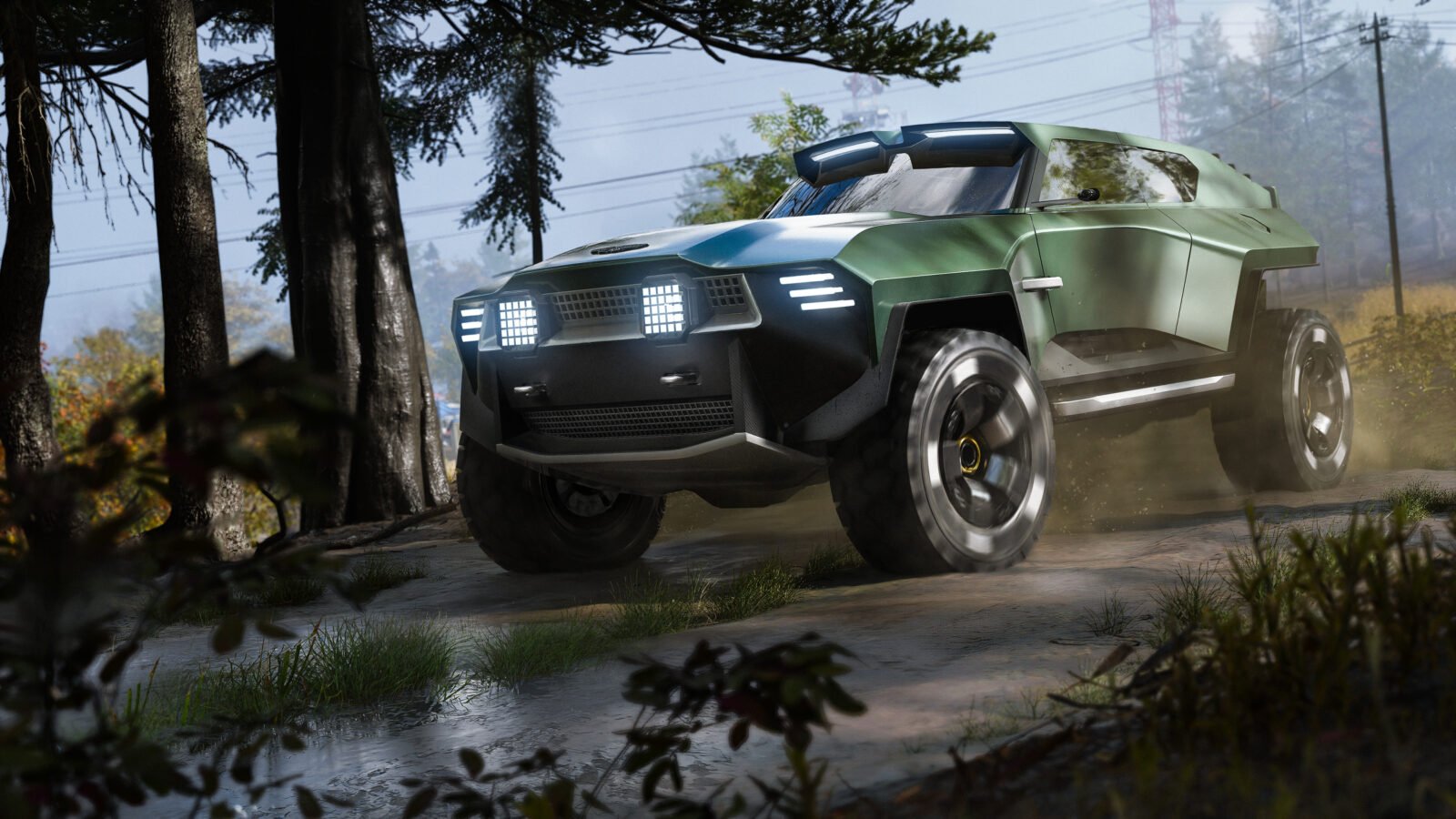
Aston Martin has partnered with Infinity Ward to introduce the Dreadnought, a bespoke tactical SUV concept vehicle appearing in Call of Duty: Modern Warfare 4 and Warzone. The collaboration brings the luxury automaker’s design language into the popular first-person shooter series, creating an in-game asset that blends high-performance aesthetics with fictional combat capabilities.
Developed jointly by Aston Martin’s design team and the game’s developers, the Dreadnought reinterprets the brand’s signature styling for a virtual battlefield environment. It features aggressive lines, advanced armor elements, and adaptive systems imagined for combat zones, positioned as an all-wheel-drive machine capable of navigating the game’s intense scenarios. The vehicle incorporates details like the marque’s Chiltern Green paint, aiming to maintain visual authenticity even within the exaggerated context of Modern Warfare.
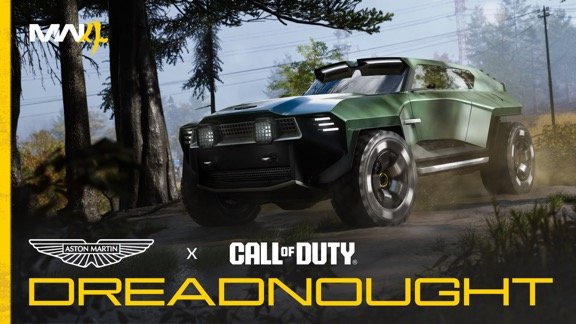
Aston Martin Chief Creative Officer Marek Reichman described the project as an unrestrained amplification of the brand’s identity, highlighting the attention paid to details that echo the company’s real-world vehicles. Such crossovers between automotive luxury and gaming have become more common in recent years, as brands seek younger audiences and deeper cultural relevance. Previous partnerships, from exotic cars in racing sims to limited-time appearances in battle royales, have shown mixed results—some enhance immersion through careful integration, while others feel like overt product placement that pulls players out of the experience.
In Modern Warfare 4’s DMZ mode and Warzone, players will encounter the Dreadnought at specific points of interest shortly after launch. A full-size physical version is also on display at Fanatics Fest NYC this week, offering attendees a tangible look at the concept before its digital debut. Promotional materials, including official photography and downloadable assets, accompany the reveal, underscoring the marketing intent behind the collaboration.
From a broader perspective, this partnership reflects the evolving relationship between entertainment franchises and luxury brands. Call of Duty has long served as a cultural touchstone with massive reach, making it an attractive platform for visibility. Yet the Dreadnought raises familiar questions about authenticity in virtual spaces: how much of the vehicle’s “supercar performance” translates meaningfully to gameplay mechanics versus cosmetic appeal? While it may appeal to fans who enjoy spotting high-end brands in unexpected contexts, its long-term impact will depend on whether it adds genuine variety to vehicle handling and strategy or functions primarily as a flashy limited-time draw.
Gaming tie-ins like this continue a tradition that dates back to early product placements in titles from the 1990s onward, now amplified by sophisticated rendering and real-time integration. For Aston Martin, it extends brand storytelling into interactive media; for players, it offers another layer of spectacle amid familiar combat loops. The Dreadnought ultimately illustrates how virtual worlds have become extensions of real-world marketing strategies, for better or worse.