
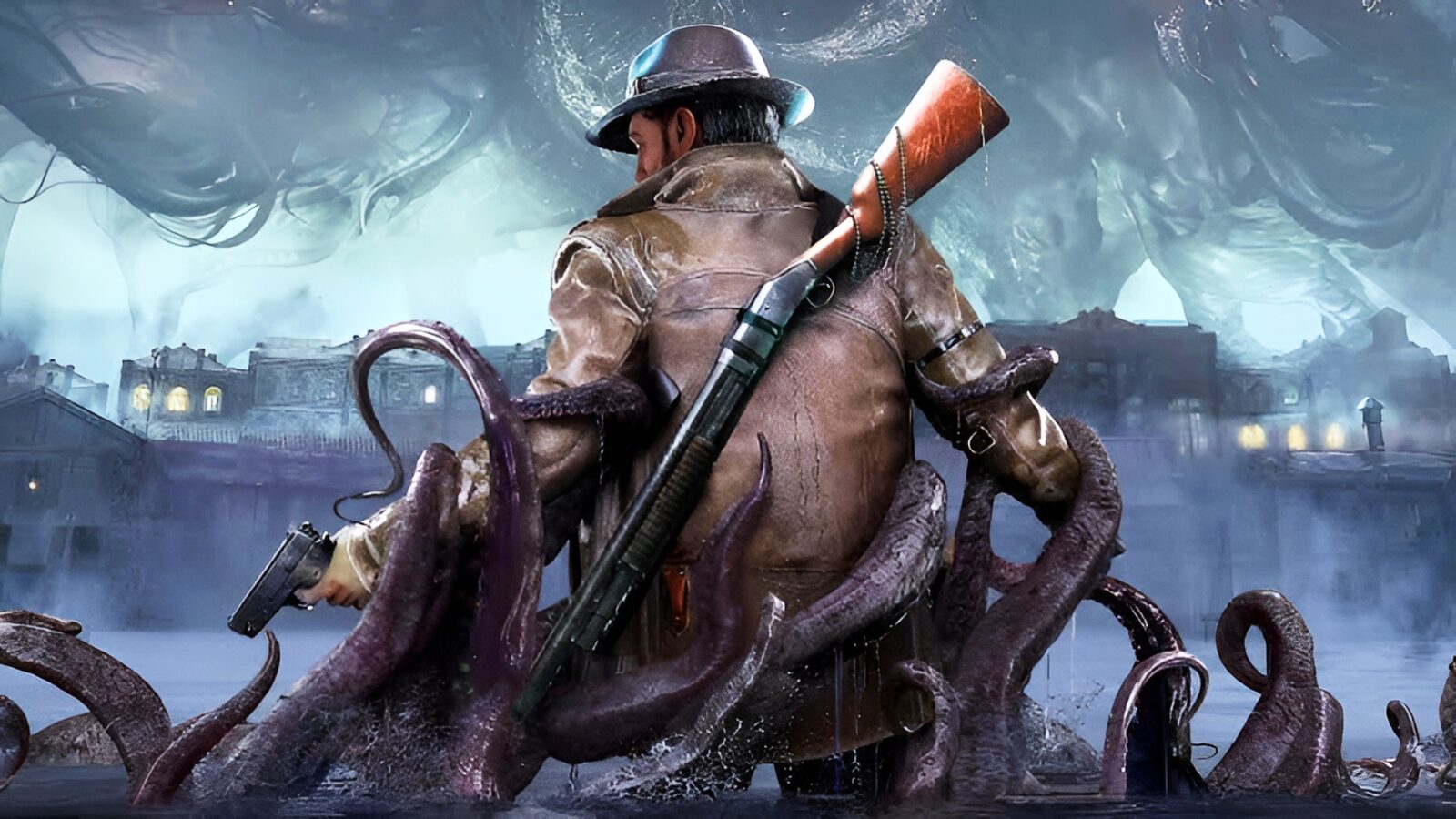
TL;DR: The Sinking City 2 successfully transforms Frogwares’ series into tense Lovecraftian survival horror. Excellent resource management and clever enemies outweigh weaker bosses and an uneven finale.
The Sinking City 2 represents a dramatic change of direction for Frogwares. The original leaned heavily into open-world investigation and detective work, with combat often feeling like something you endured between mysteries. This sequel reverses those priorities and dives straight into survival horror, complete with limited resources, inventory management, safe rooms, puzzles and environments designed around careful exploration.
The influences are obvious, particularly modern Resident Evil and Silent Hill, but The Sinking City 2 isn’t satisfied with simply copying their homework. Its Lovecraftian setting gives familiar survival-horror mechanics a wonderfully unpleasant personality, and the result is a game where deciding not to shoot something can be just as important as pulling the trigger.
Arkham has bigger problems than flooding
The story follows occultists and lovers Calvin Rafferty and Faye Bennett after a dream ritual goes horribly wrong. Calvin wakes while Faye remains trapped in an unnatural sleep, sending him into Arkham in search of a cure. Unfortunately, the city is dealing with a supernatural flood and the collection of aquatic nightmares that arrived with it.
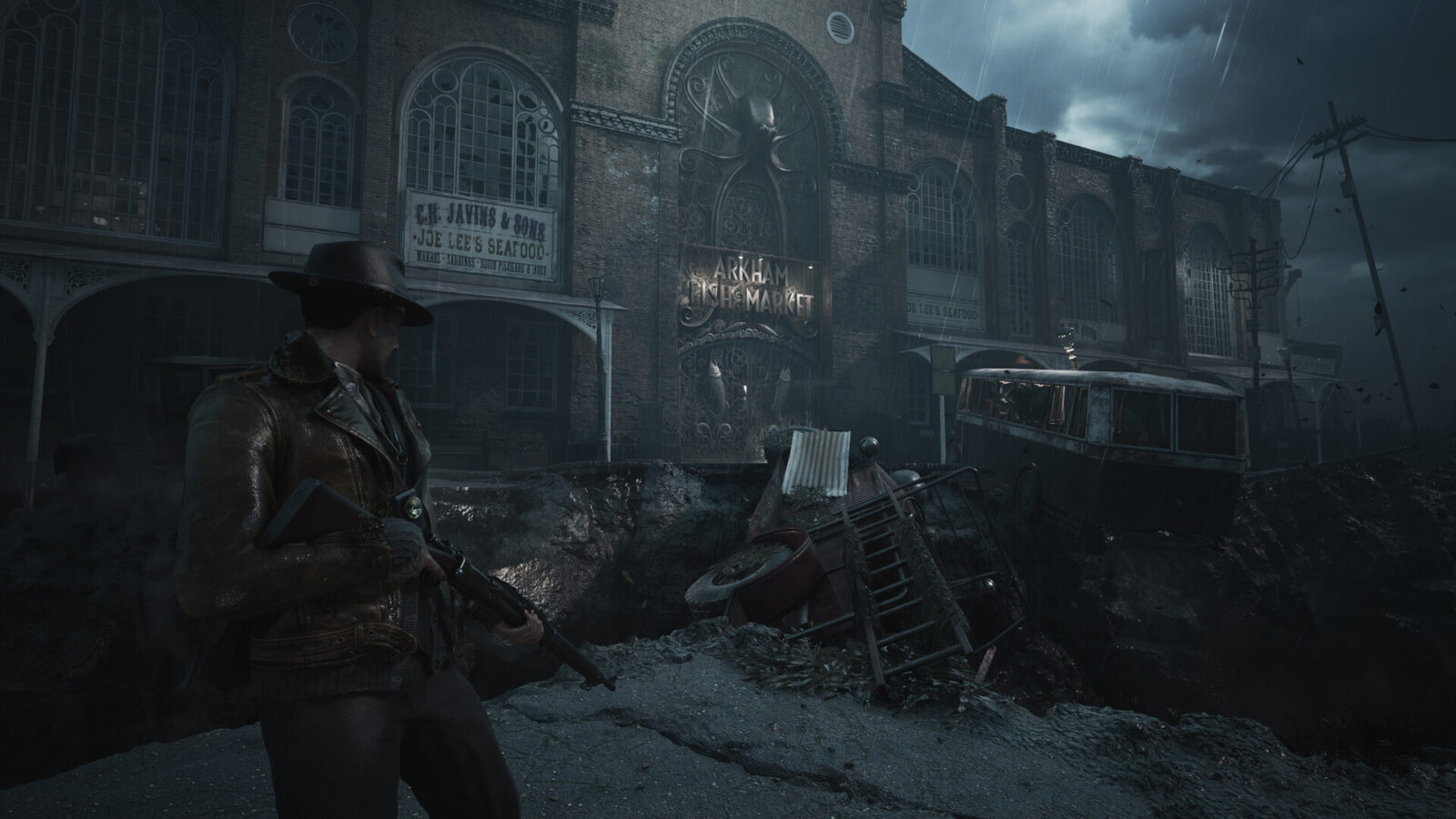
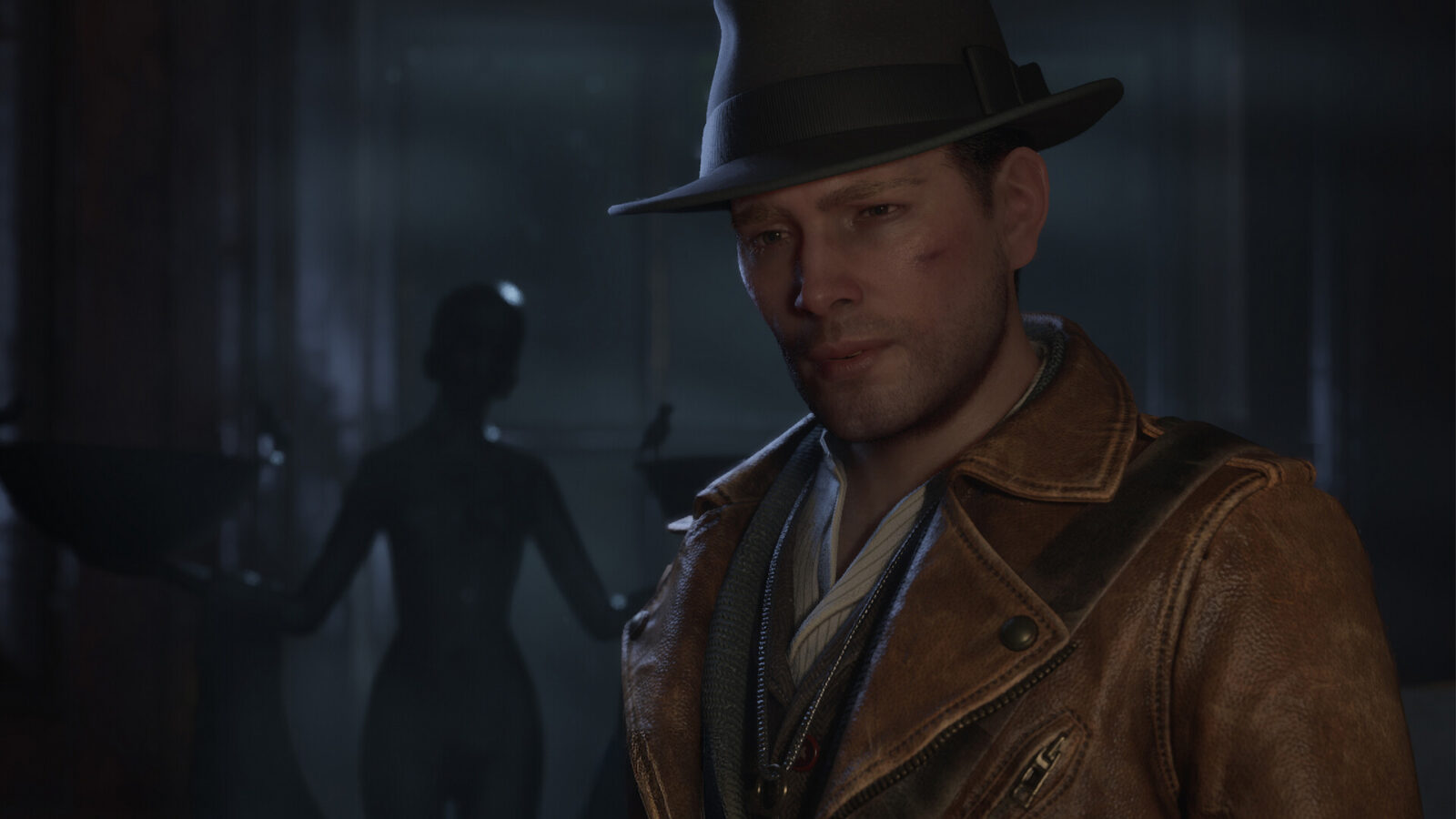
Calvin and Faye’s relationship gives the story an effective emotional foundation without overwhelming the horror. Calvin also isn’t the usual reluctant protagonist desperately trying to understand why reality has collapsed around him. He approaches Arkham’s increasing weirdness with a grim curiosity that fits the game’s tone.
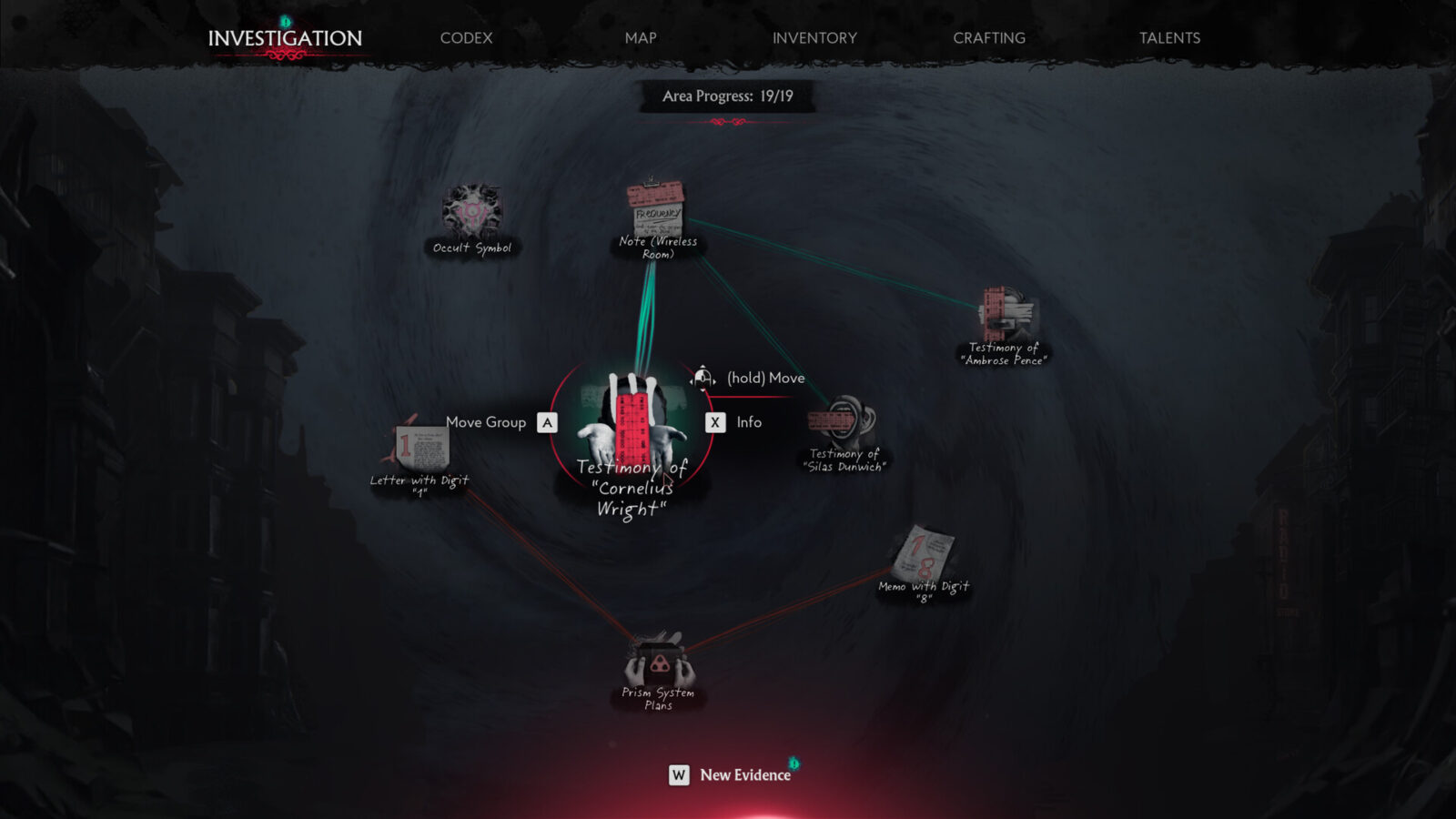
Investigation hasn’t completely disappeared either. Optional puzzles can involve collecting clues from written material and connecting information through a detective-style mind map. It’s considerably lighter than the first game’s investigative systems, but it preserves a little of the series’ identity within its new survival-horror structure.
The Slither make every corpse a problem
Combat is where the sequel’s transformation becomes immediately obvious. Frogwares has built its enemies around the Slither, grotesque parasites capable of reanimating corpses.
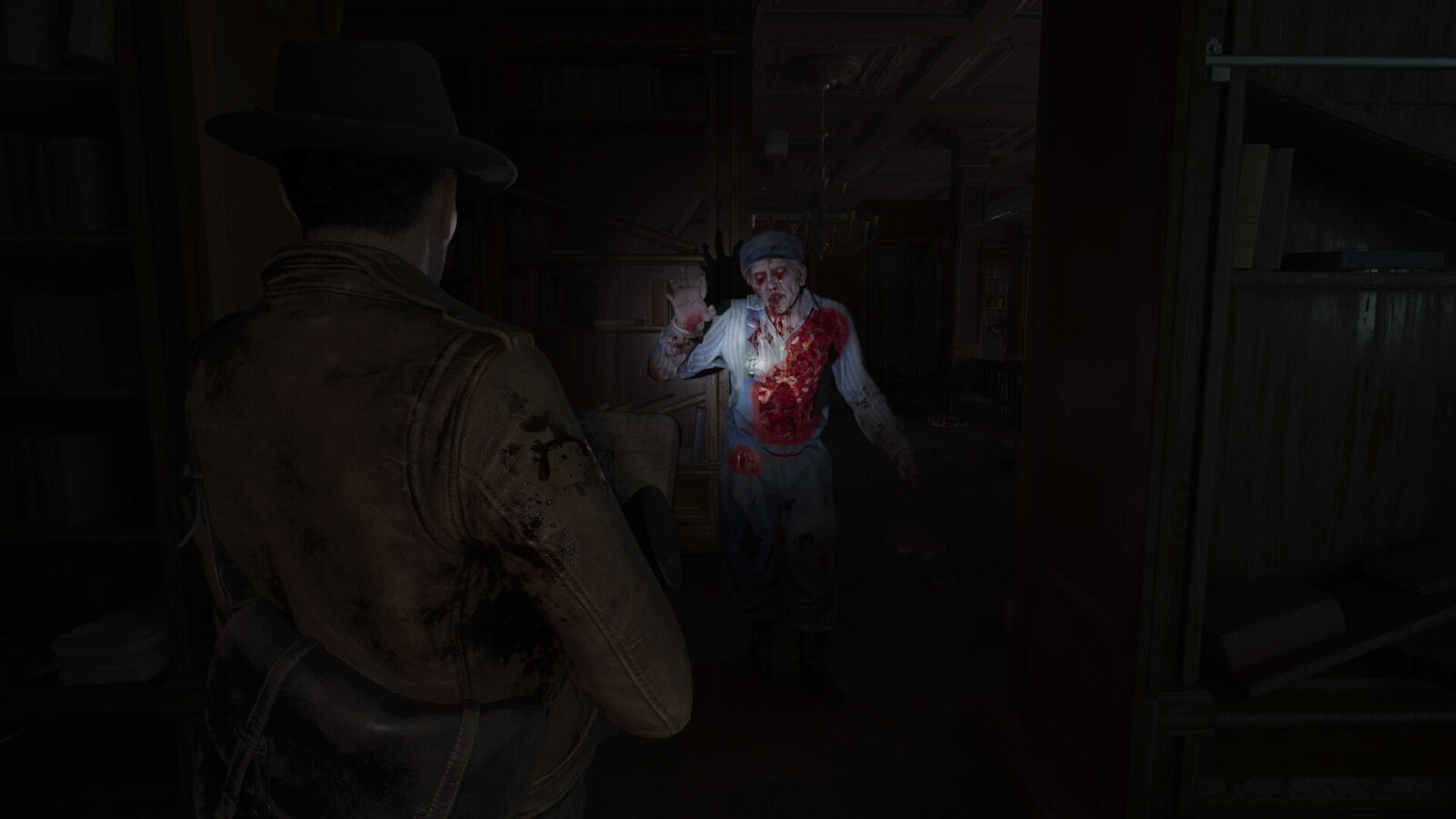
More importantly, headshots aren’t necessarily the answer. Infected enemies develop vulnerable growths across different parts of their bodies, forcing me to identify and target weak points instead of automatically aiming between the eyes. Those targets can be difficult to hit when enemies start moving aggressively, making even basic encounters dangerous.
The Slither themselves can also emerge from defeated hosts and potentially move into another corpse. Calvin’s stomping melee attack can crush creatures on the ground, while shooting enemies in the legs can create opportunities to finish them without spending additional ammunition.
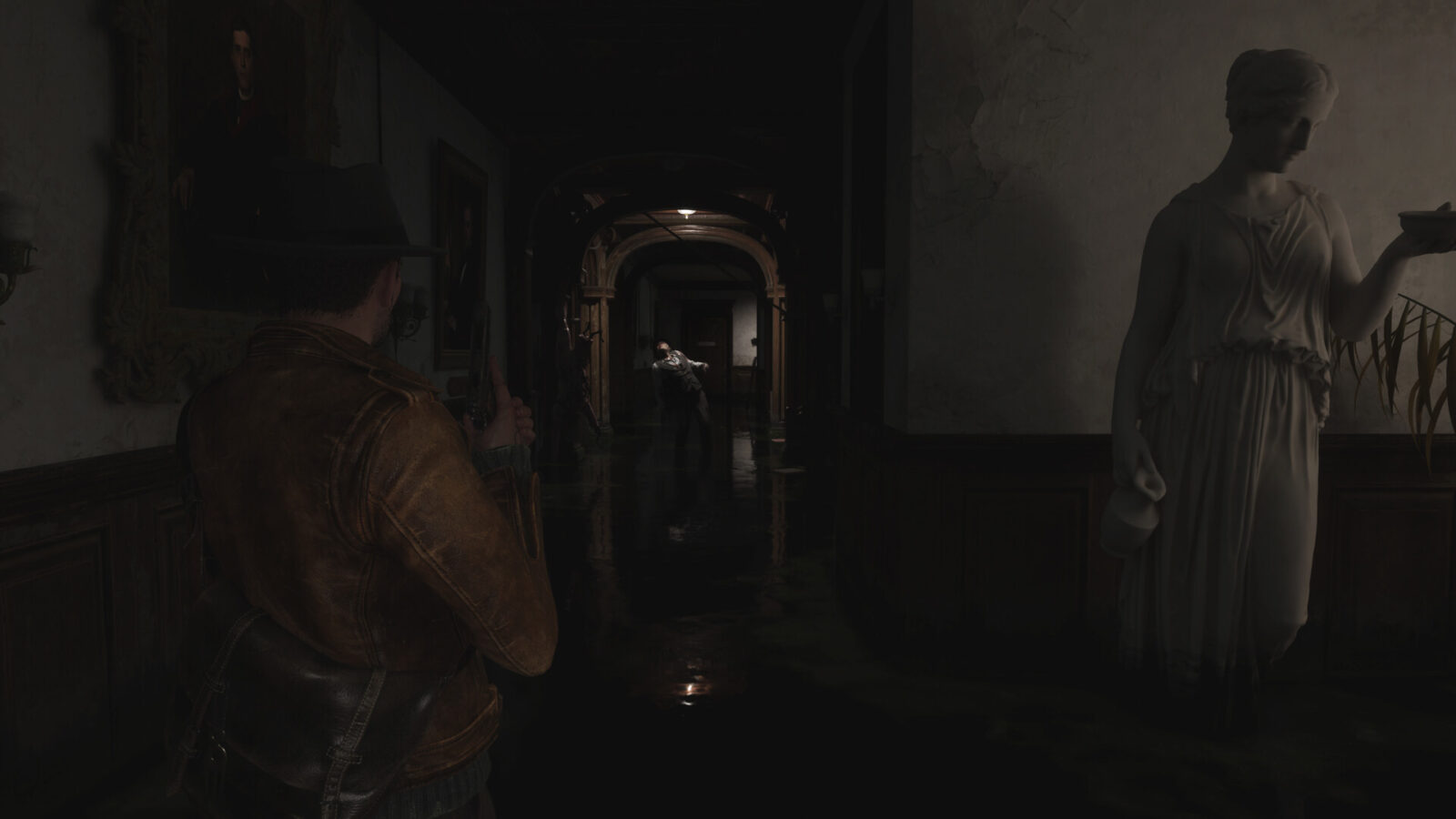
It’s a clever system because killing something doesn’t always provide immediate relief. A room full of bodies can remain threatening, and figuring out what is actually dead becomes part of surviving it.
Every bullet comes with an invoice
The real star of The Sinking City 2 is resource management. Ammunition and healing items share crafting materials, meaning creating one can leave you short on the other. Limited inventory space adds another layer of pressure, particularly when exploring larger areas far from safety.
That economy changes how I approach combat. Just because an enemy can be killed doesn’t mean it should be. Sometimes avoiding a creature is smarter than spending precious ammunition clearing a room I’ll barely revisit.
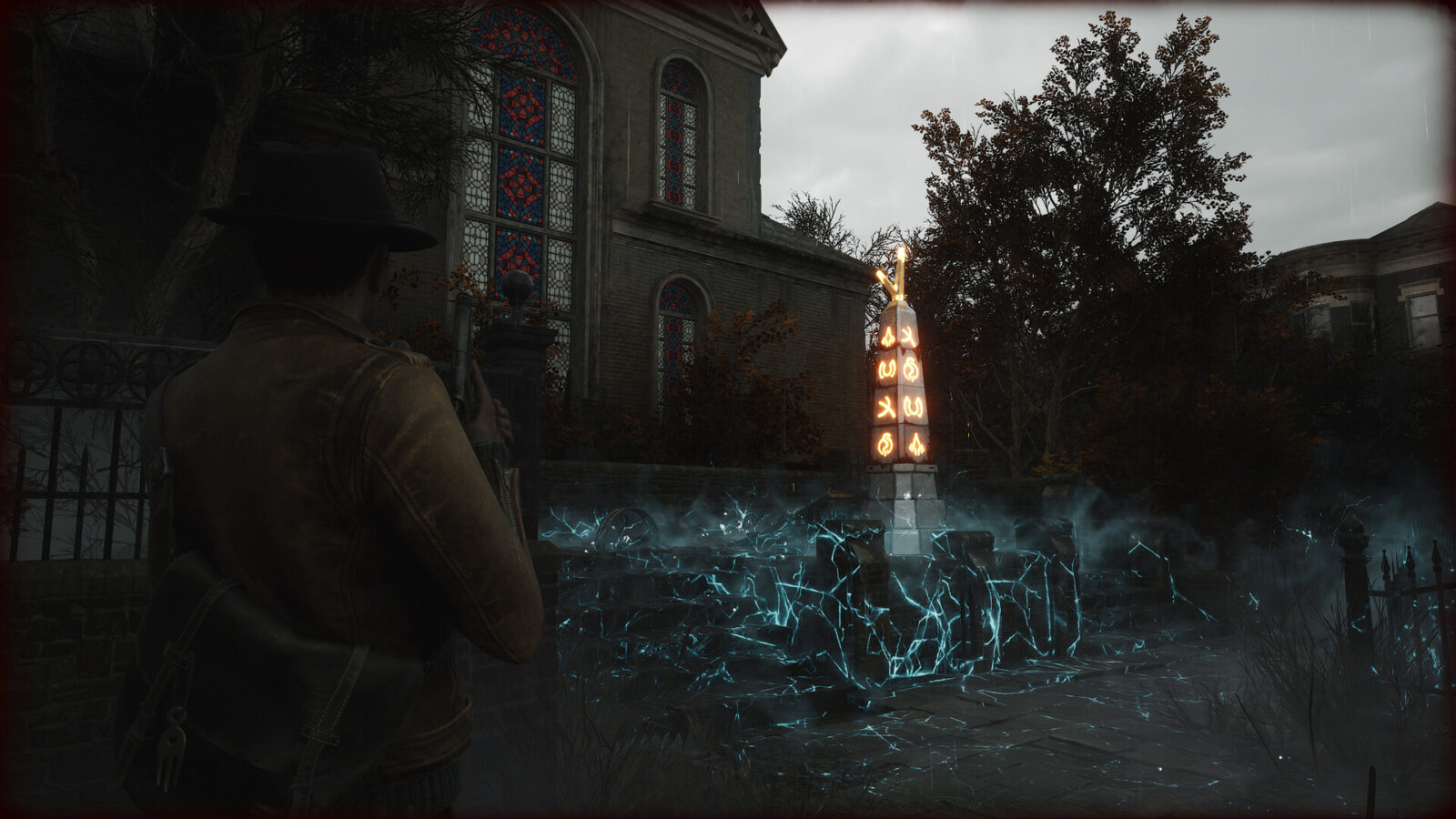
Exploration makes those decisions more complicated. Arkham’s substantial areas contain puzzles, keys and optional upgrades, including inventory expansions and additional weapons. Going off the critical path is therefore genuinely valuable, but grabbing everything often requires returning through previously explored territory.
Frogwares cleverly refuses to guarantee that those return journeys will remain safe. Enemies can appear, environmental conditions can change and familiar routes can become dangerous again. It turns backtracking into tension rather than repetition.
Survival horror with a Lovecraftian accent
The structure will immediately feel familiar to Resident Evil players. Safe rooms provide temporary relief, item boxes allow supplies to be stored, and maps help track explored areas and unfinished business. Locked routes gradually open as puzzles are solved and important objects discovered.
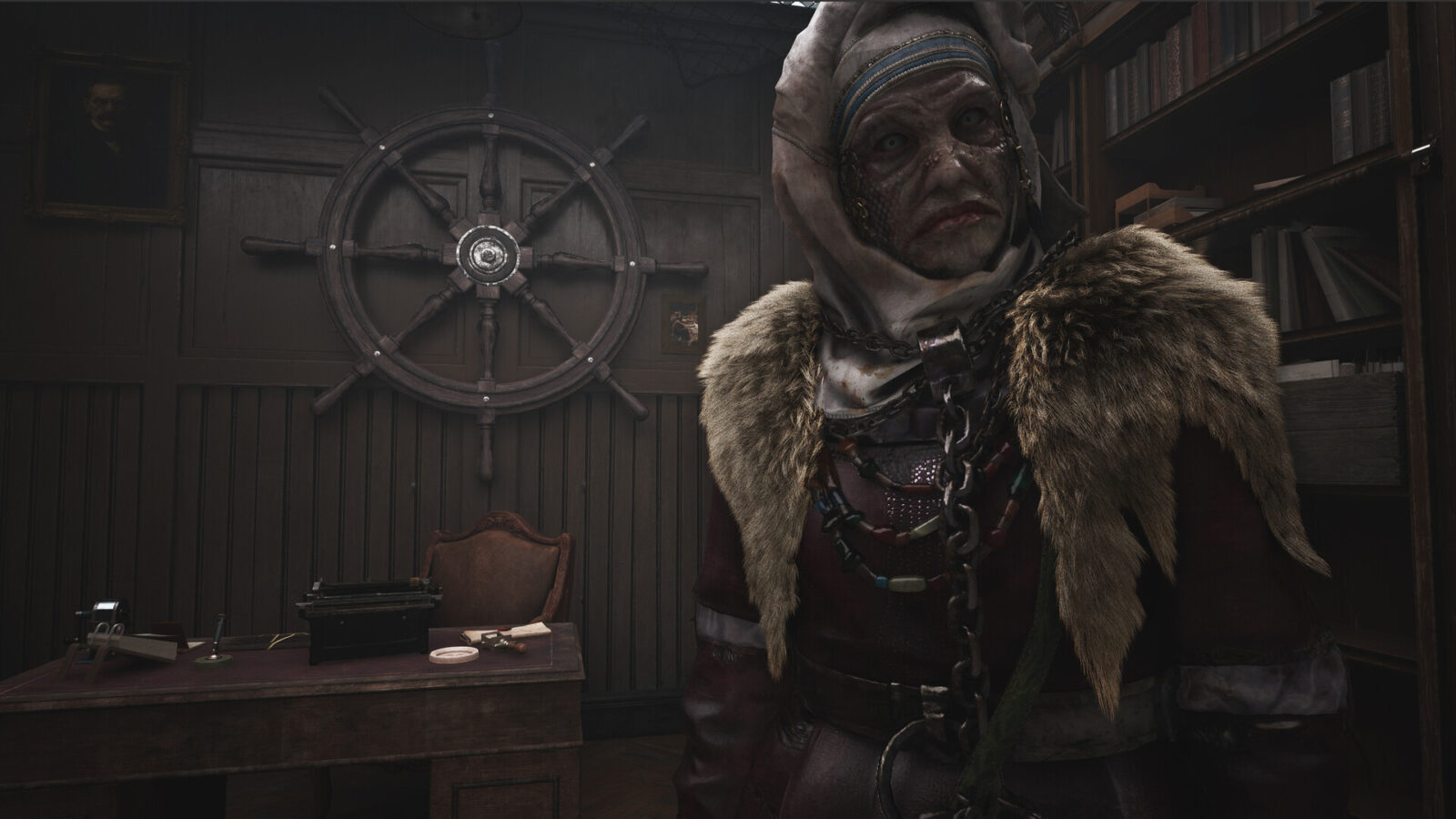
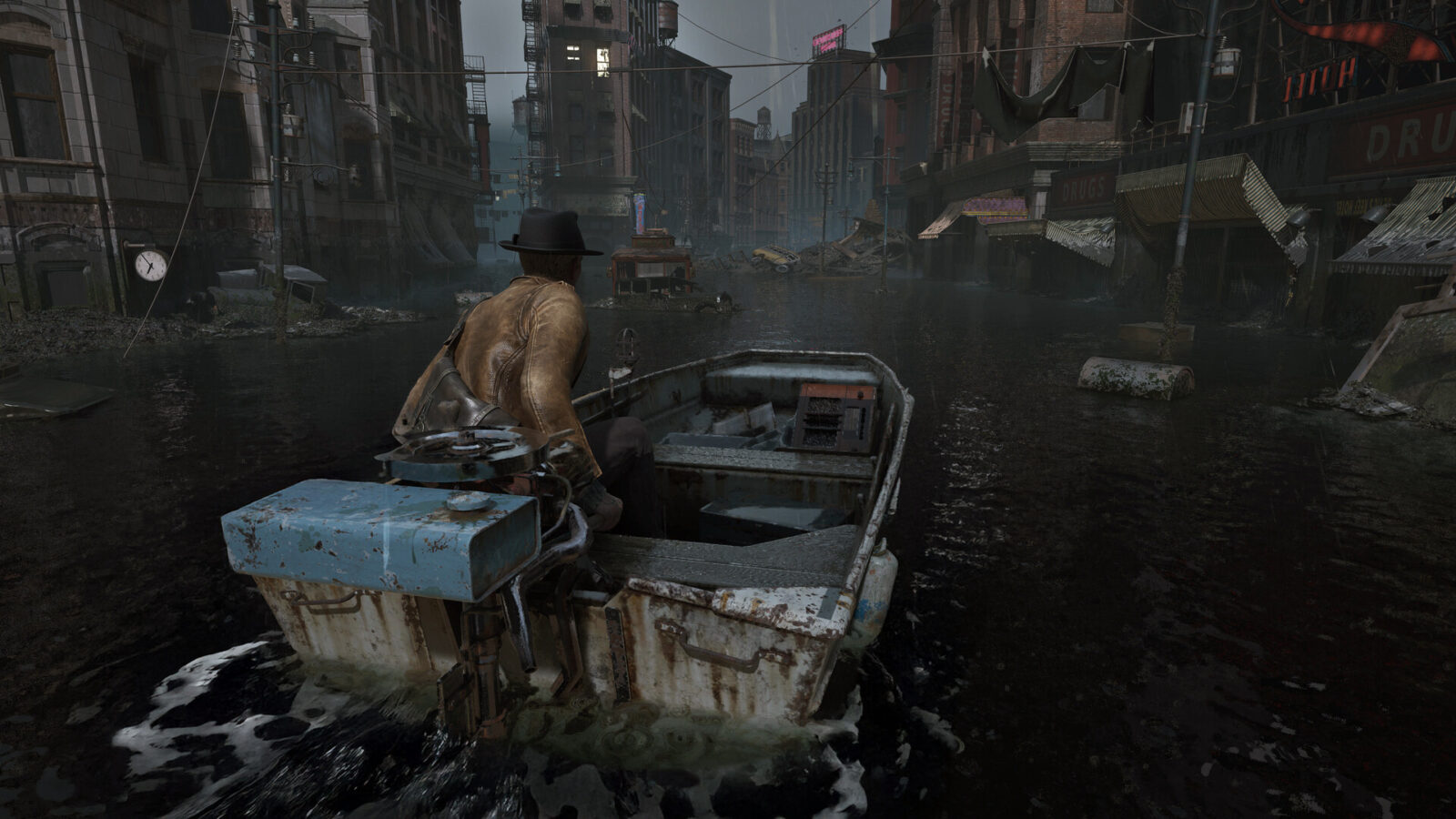
Yet Arkham isn’t built around one enormous interconnected location. The adventure moves through distinct areas with their own concepts. Early sections involve navigating flooded streets by boat and raising floodgates, while later locations introduce completely different environmental ideas, including a hospital with grotesque biological locking mechanisms.
That variety keeps the game visually and mechanically interesting, although it comes at the expense of cohesion. Areas occasionally feel separated from one another, and some promising ideas disappear surprisingly quickly. The boat, in particular, feels like something that could have been developed further.
Still, I’d rather see Frogwares retire a mechanic early than stretch it across another five hours simply because somebody spent six months programming it.
Exploration is scarier than the boss fights
The Sinking City 2 is at its strongest when I’m cautiously exploring with limited ammunition and no idea what’s waiting beyond the next door. Unfortunately, its mandatory combat gauntlets and bosses don’t maintain that same tension.
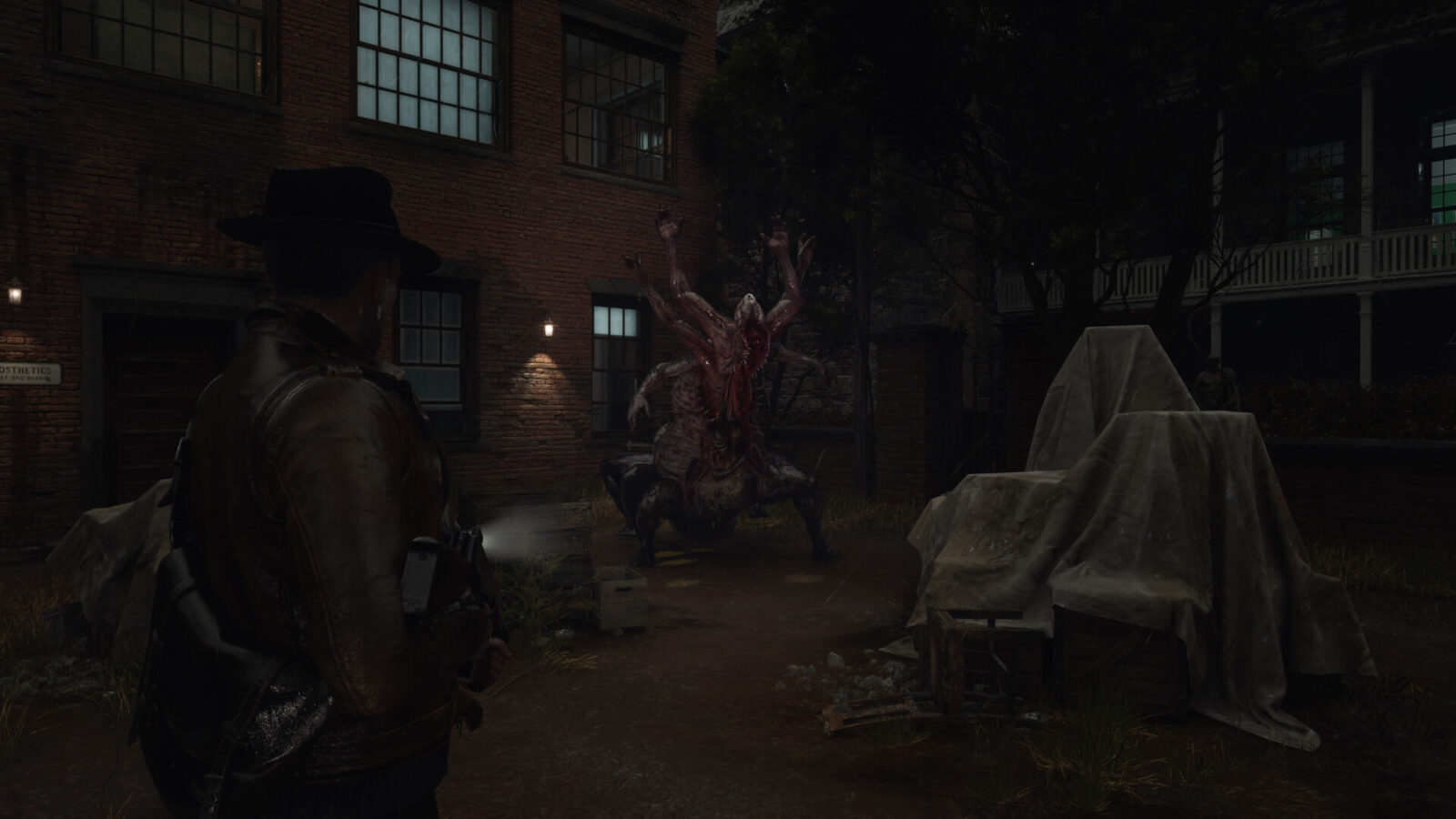
These encounters tend to provide resources to keep the action moving, which weakens the survival economy that makes ordinary exploration so effective. When ammunition is scarce, every missed shot hurts. When an arena keeps supplying what I need, the question changes from “Can I afford this fight?” to “How quickly can I finish it?”
The closing portion similarly struggles to maintain the uncertainty of the middle hours. That’s hardly unusual for survival horror; eventually players understand the monsters, acquire better equipment and become comfortable with the rules. But The Sinking City 2 is so effective when making me feel vulnerable that its more action-heavy moments stand out as noticeably weaker.
A far more confident sequel
Visually, Frogwares makes excellent use of biological horror. Waterlogged creatures, infected corpses and organic structures make Arkham feel contaminated rather than simply abandoned. The shifting weak points on enemies are particularly effective because the grotesque visual design directly communicates gameplay information.
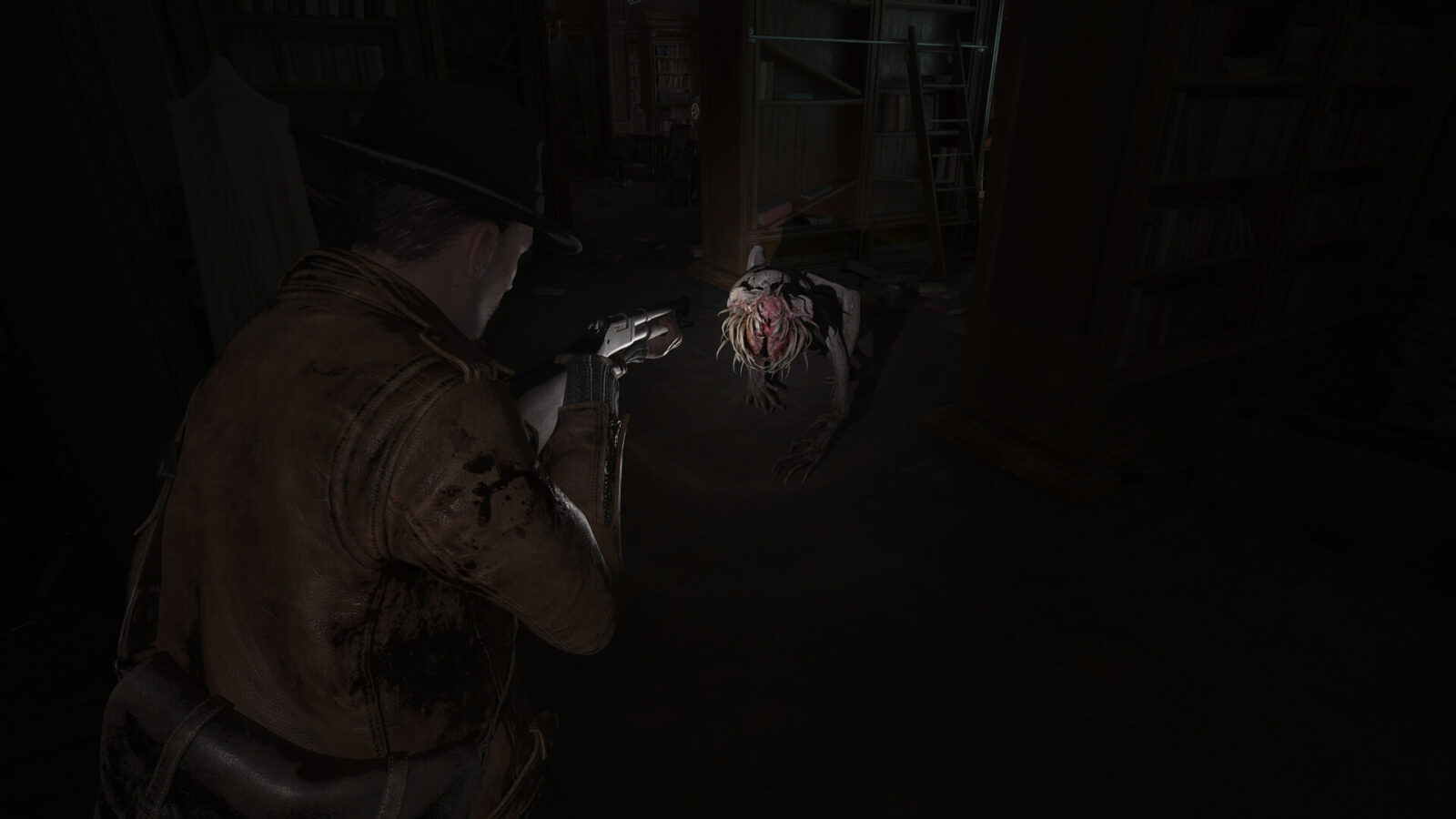
Sound plays an equally important role. Creature noises can warn of nearby danger without revealing exactly where it is, which becomes considerably more stressful when returning through an area I previously considered safe.
Most importantly, the sequel feels mechanically coherent. Combat, exploration, crafting and inventory management constantly interact. Finding supplies matters because combat consumes them; avoiding combat matters because exploration requires supplies; exploring matters because upgrades improve your chances of surviving later encounters.
That interconnected design is exactly what the original game’s combat lacked.
Verdict
The Sinking City 2 is a bold reinvention that finds Frogwares far more comfortable working within survival horror than I expected. Its Slither enemies provide a smart twist on familiar zombie encounters, resource scarcity makes combat meaningful, and unpredictable backtracking keeps Arkham dangerous even after I’ve learned its layout.
There are weaknesses. Bosses and combat gauntlets sacrifice some of the tension created by the resource economy, individual areas can feel disconnected, and the final stretch isn’t as effective as the game’s strongest middle sections. Players hoping for another investigation-heavy sequel should also understand that detective work is now a supporting element rather than the main attraction.
For survival-horror fans, however, this change of direction works. The Sinking City 2 understands that horror isn’t created by simply throwing monsters at the player. It’s created by putting three bullets in my inventory, something horrible in the corridor and making me decide whether getting past it is worth two of them.