TL;DR: Planet Zoo 2 adds aviaries, aquariums, fully modelled interiors and a demanding economy to Frontier’s zoo sim, making it the studio’s strongest management game yet. Wildlife reserves and water tools need more depth, but the core is excellent.
Frontier has spent years refining its management sims, and Planet Zoo 2 is the most grounded of them. Planet Coaster sells spectacle and Jurassic World Evolution sells fantasy, while this series is about real animals, many of them endangered, and the people who look after them. The sequel puts conservation at the centre of the experience rather than treating it as a side feature. Overall, the PC version I’m reviewing is the most complete zoo builder Frontier has made, though not every new idea has been developed to the same level. It also isn’t a total reinvention. If you’ve spent time with the original Planet Zoo, you’ll know how to build enclosures, hire staff and keep animals happy within minutes.
Familiar habitat, far more toys in the toybox
The core routine hasn’t changed much since the first game. You shape enclosures, staff the park, manage animal welfare and keep guests moving between exhibits and food stalls. I see that continuity as a strength, because the original’s systems were already detailed, and the sequel adds depth instead of throwing the rulebook away. The decoration and detailing options have grown a lot, but a working zoo doesn’t require you to learn all of them. Newcomers can run a functional, profitable park without becoming expert set designers. Veterans who already lose whole weekends to rock placement get plenty of new tools to play with.
Over 130 species, and the roster feels generous
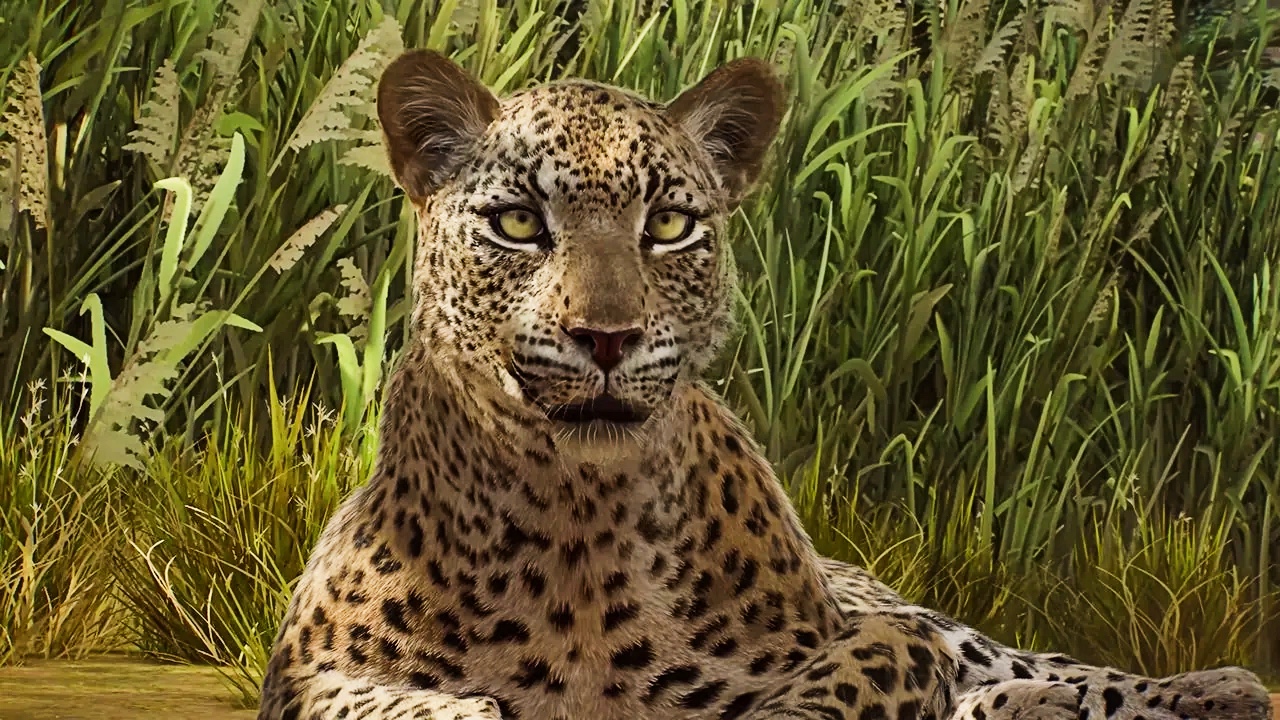
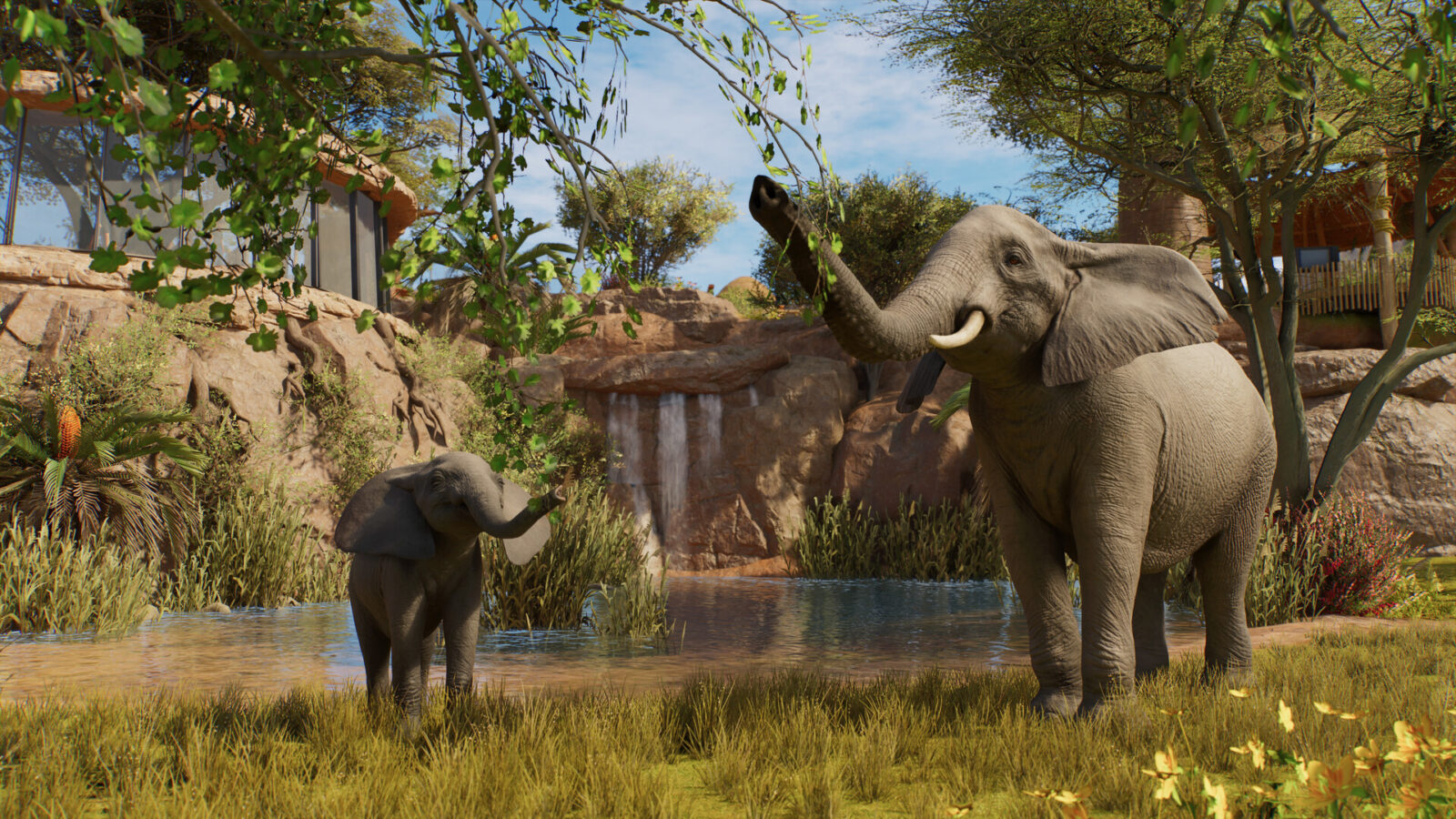
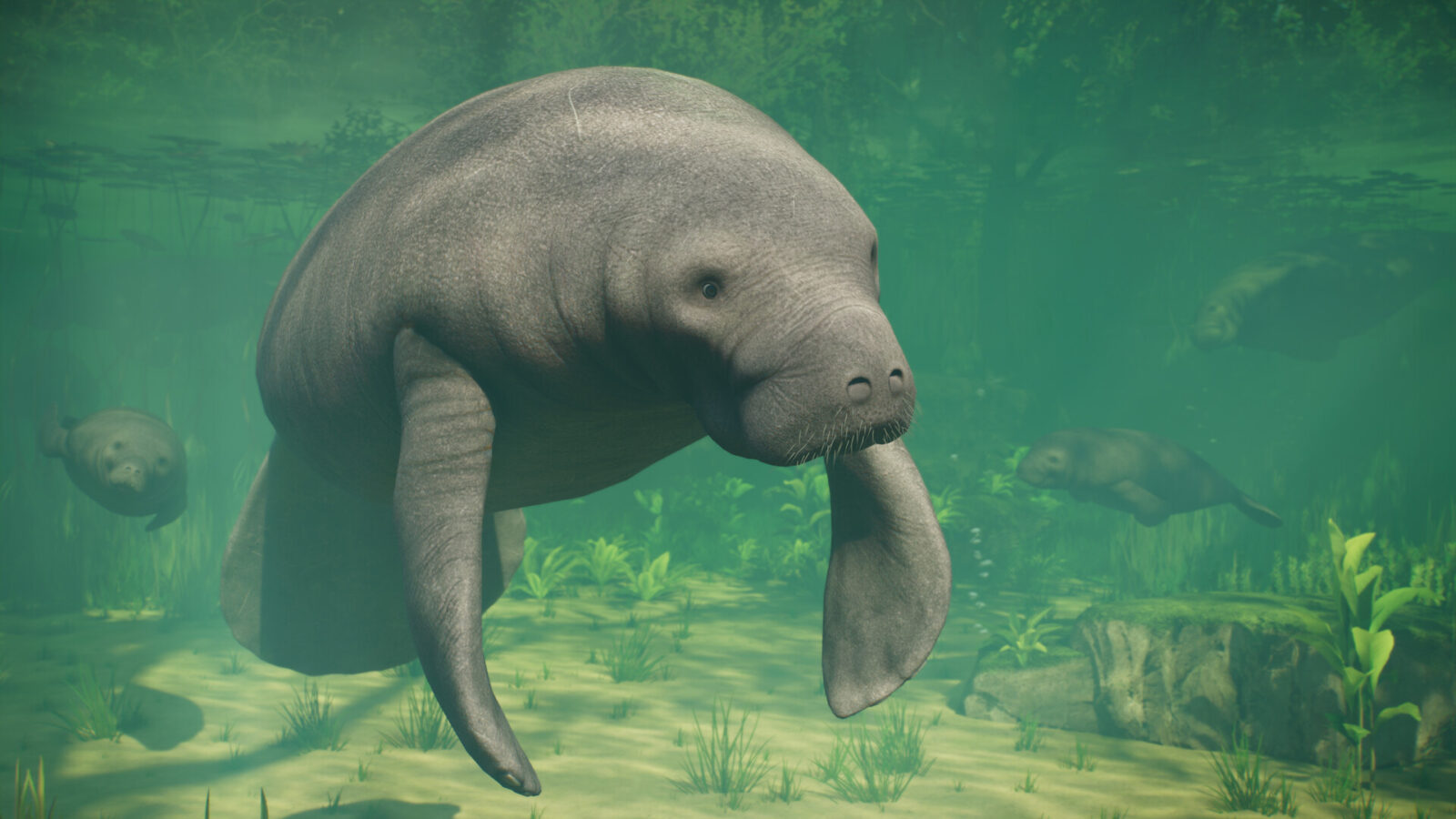
The animal list is a highlight. There are more than 130 species, ranging from large enclosure animals to smaller exhibit-based creatures that live in terrariums with simpler requirements. Only around half the roster can eventually be released into the wild, which matters once you engage with the conservation loop. The lineup never feels thin or padded with near-duplicates, and that variety drives the whole game. Different species need different habitats, temperaments and social setups, so each new animal brings a new planning problem as well as a new model. A big roster in a management sim is only valuable if the animals behave differently, and this one does.
Aviaries and aquariums are the sequel’s headline feature
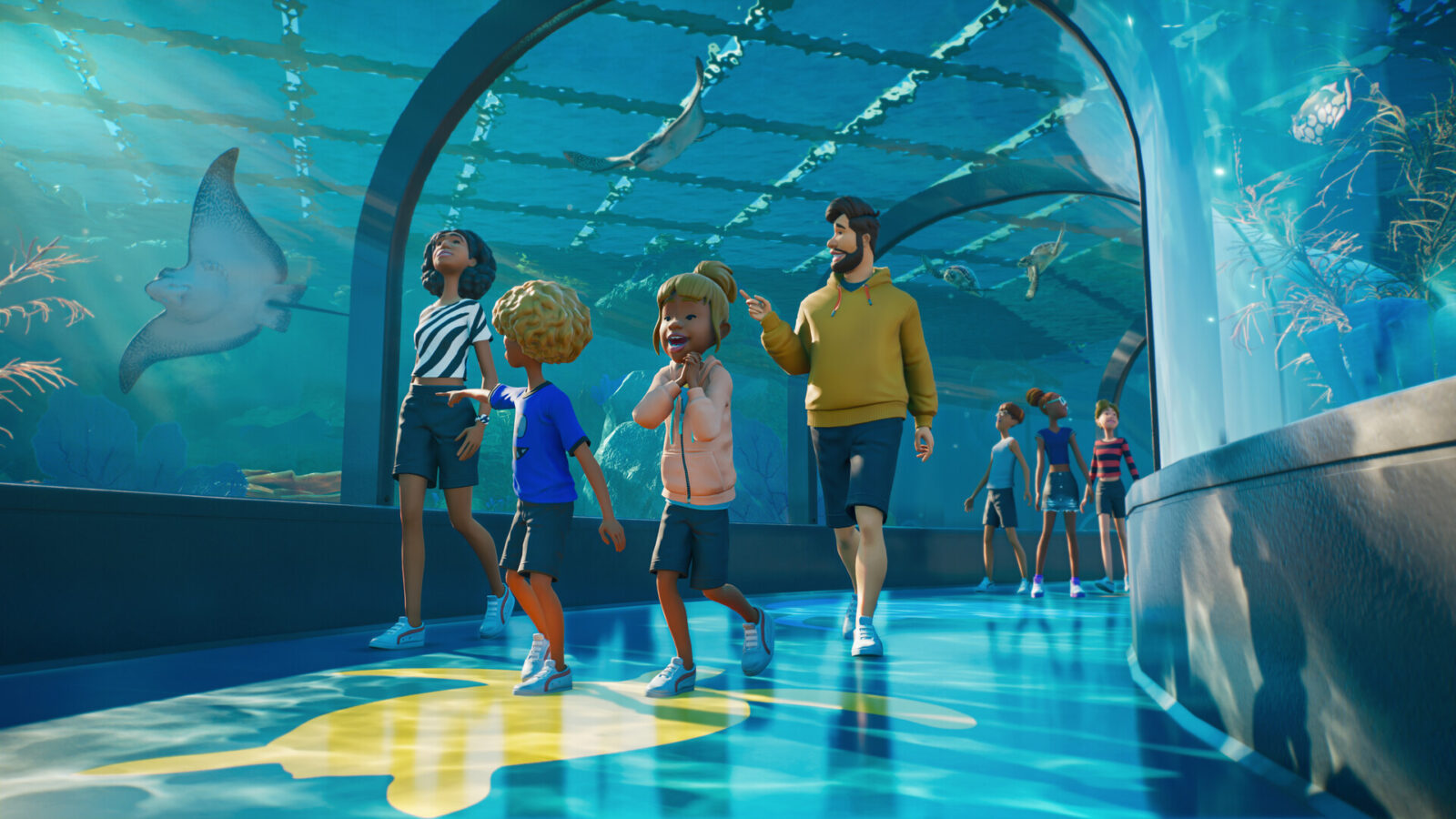
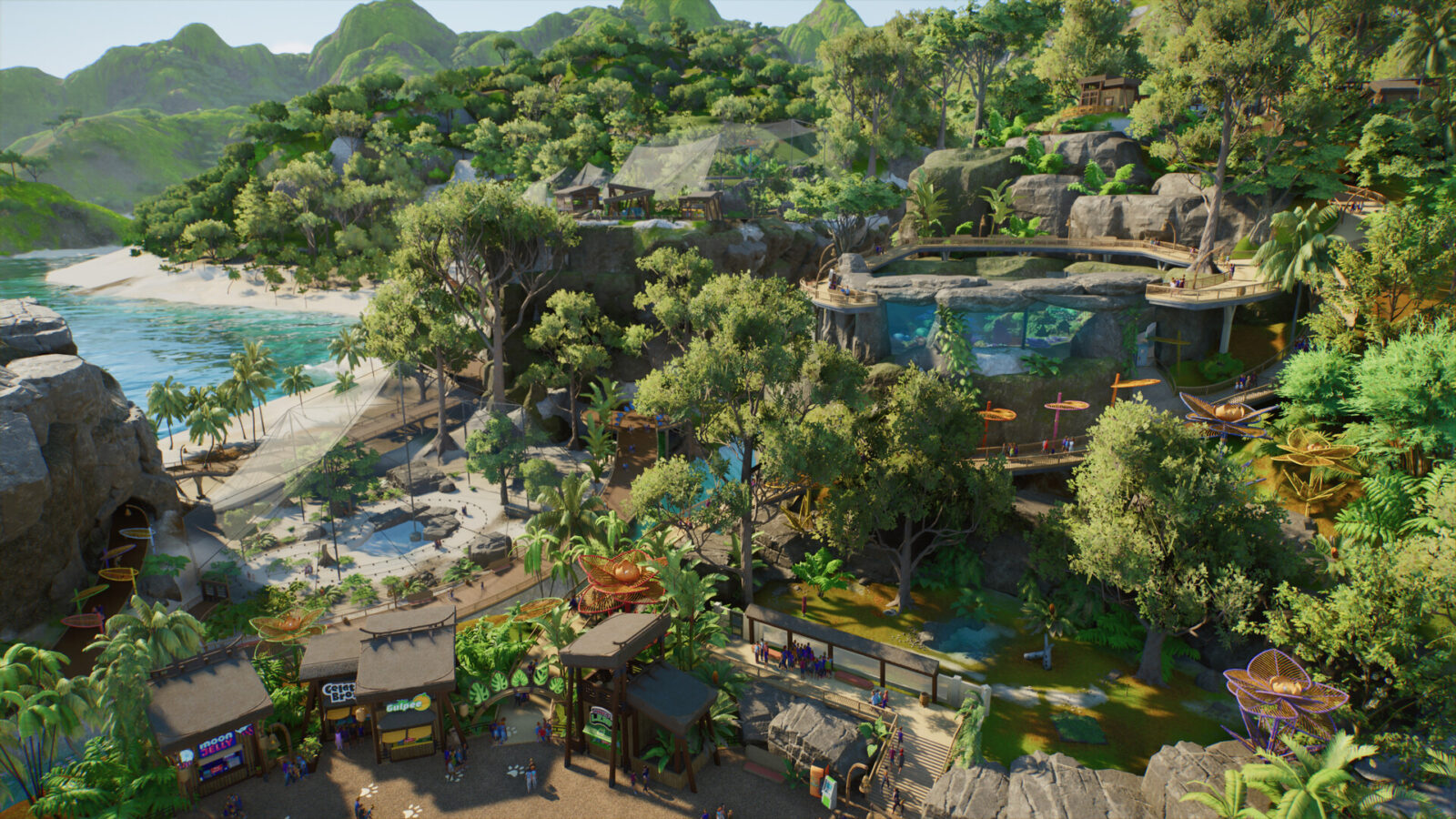
Aviaries and aquariums are the biggest new addition that changes how you play rather than how the park looks. What I like most is the amount of control. You aren’t snapping together large prefab modules. You can shape these habitats freely, set their appearance and, for aquariums, adjust their depth. Glass tunnels through aquarium exhibits are as satisfying as you’d expect, and a zoo made entirely of underwater walkways is possible if you choose species that can live together. Compatibility still applies, so predators and prey sharing a tank will go badly. Water temperature and salinity add another layer. Mixing freshwater and saltwater exhibits means building two separate filtration networks, an infrastructure problem that rewards planning ahead instead of placing tanks wherever there’s space.
An economy that actually pushes back
Planet Zoo 2 is a real economic simulation, and that sets it apart from Frontier’s other recent park builders. Planet Coaster 2 made money almost meaningless once a park got going. Here, keeping the zoo solvent takes work. Guests react to ticket prices and won’t put up with paying a lot for a weak experience, so overcharging for a thin collection doesn’t produce easy profit. Add six staff types to manage plus the interacting needs of guests and animals, and there’s plenty to juggle before breeding and conservation enter the picture. For players who think financial pressure is part of the appeal, this matters, because every expansion feels like a decision instead of a formality. If you’d rather avoid all that, sandbox mode lets you switch off nearly everything, including staff happiness, animal ageing and money.
Fully modelled interiors put the backstage on show
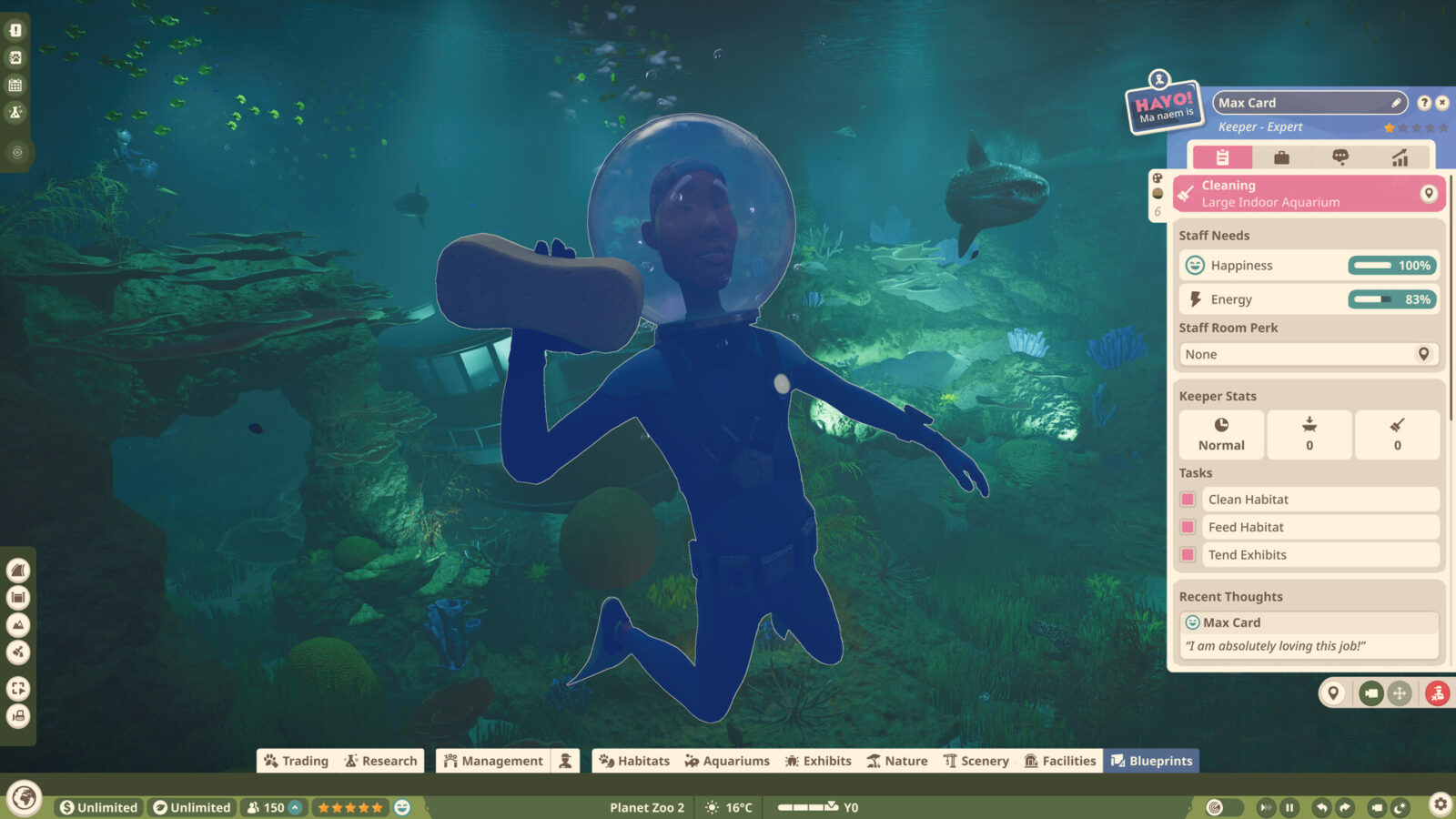
Almost every building now has a fully modelled interior that guests and staff can use. You can design a staff break room inside and out, and adjust the kitchens where animal meals are prepared. This matters most in gift shops and restaurants, which are now modular. The seating and shelf displays you place change how many diners a venue can hold and what it sells. That turns interior decoration into a management decision, which is a smart way to make creative players and spreadsheet players care about the same building. If you lack the patience or talent for that level of detail, Steam Workshop support returns, so you can download decorations or whole buildings made by the community’s dedicated builders.
Where Planet Zoo 2 management gets too easy
Not every system holds up. The Sustainability rating depends only on which power generators and waste bins you install, and the greener choices have no real downside. You can hit five stars before opening and never think about it again, which wastes a theme the rest of the game handles carefully. A sustainability system that asked you to trade cost against environmental impact would fit the conservation focus much better. The other parts of the reputation system do give you meaningful targets, so this weakness stands out. It’s a small issue, but it’s the kind that makes a careful sim feel uneven.
A campaign that works best as a showroom
The campaign is essentially a long tutorial, and it does that job adequately. It’s most useful for showing what the new building tools can do before you open sandbox or franchise play. The characters still lean toward a cheerful, children’s-TV delivery, though they’re less overtly silly than last time, which helps. There’s a light plot about exposing a large corporation that markets itself as eco-friendly while damaging fragile ecosystems. That greenwashing angle suits the game’s themes, even if it won’t stay with you after the credits. Treat the campaign as a guided tour, not the reason to buy the game.
Wildlife reserves are a strong idea with thin management
The other major addition is wildlife reserves. These are separate maps where you paint biomes instead of building enclosures, then raise the reserve’s rating by adding suitable plants and reintroducing native species. Taking animals that started in your zoo and returning them to a living landscape gives the conservation theme a concrete payoff. You can drive around the reserve in a cart and photograph the animals, which is relaxing in its own way. The management behind it is shallow, though. Animals carry many tags for the ecological niches they fill, but building and maintaining an ecosystem doesn’t demand much. Removing invasive plants is a single bulldozer click, and there are no rangers or botanists to hire. You manage everything with god-like powers, which goes against the realism the zoo side works hard to build.
Nature brushes impress, water tools frustrate
The new nature brushes are excellent. One tool lets you paint mixed canopy and understory vegetation, and you can make your own brushes. It’s a real time-saver for anyone who has placed trees one by one in older Frontier games. The water tools are much weaker. You can change surface texture, colour and opacity, but every body of water has a fixed height and must sit in a trough. A convincing river running downhill isn’t really possible without fiddly workarounds, which is a strange gap in a game where aquatic habitats are a headline feature.
Conservation Credits tie the whole loop together
What makes reserves worth visiting is how they connect to the rest of the game. Photographing released animals earns Conservation Credits, the secondary currency needed to adopt some higher-tier endangered species. You can also put zoo money into conservation projects, which convert cash into Credits steadily when you have no animals ready for release. This links the economy, breeding and the reserves into one cycle. A profitable zoo funds conservation, conservation unlocks rarer animals, and rarer animals draw more guests. That cycle is what drives long-term play, and it makes even the shallower parts of the reserve system feel worthwhile.
Verdict
Planet Zoo 2 is a confident sequel that improves almost everything the original did well. The roster is large and varied, aviaries and aquariums are flexible enough to change how you lay out a zoo, and the economy creates real pressure. Fully modelled interiors make shops and restaurants matter both creatively and commercially, and Conservation Credits give the conservation theme a clear mechanical purpose. Its weaknesses are just as clear. Wildlife reserves need more management depth, the Sustainability rating is too easy to max out, and the fixed-height water tools are a surprising limitation in a game this focused on water habitats. The campaign is pleasant but mostly a tutorial. If you enjoyed the first Planet Zoo, or you want a park builder that challenges your finances as well as your creativity, this is easy to recommend. If you want deep ecosystem simulation in the reserves, expect a good first version that needs more work.