
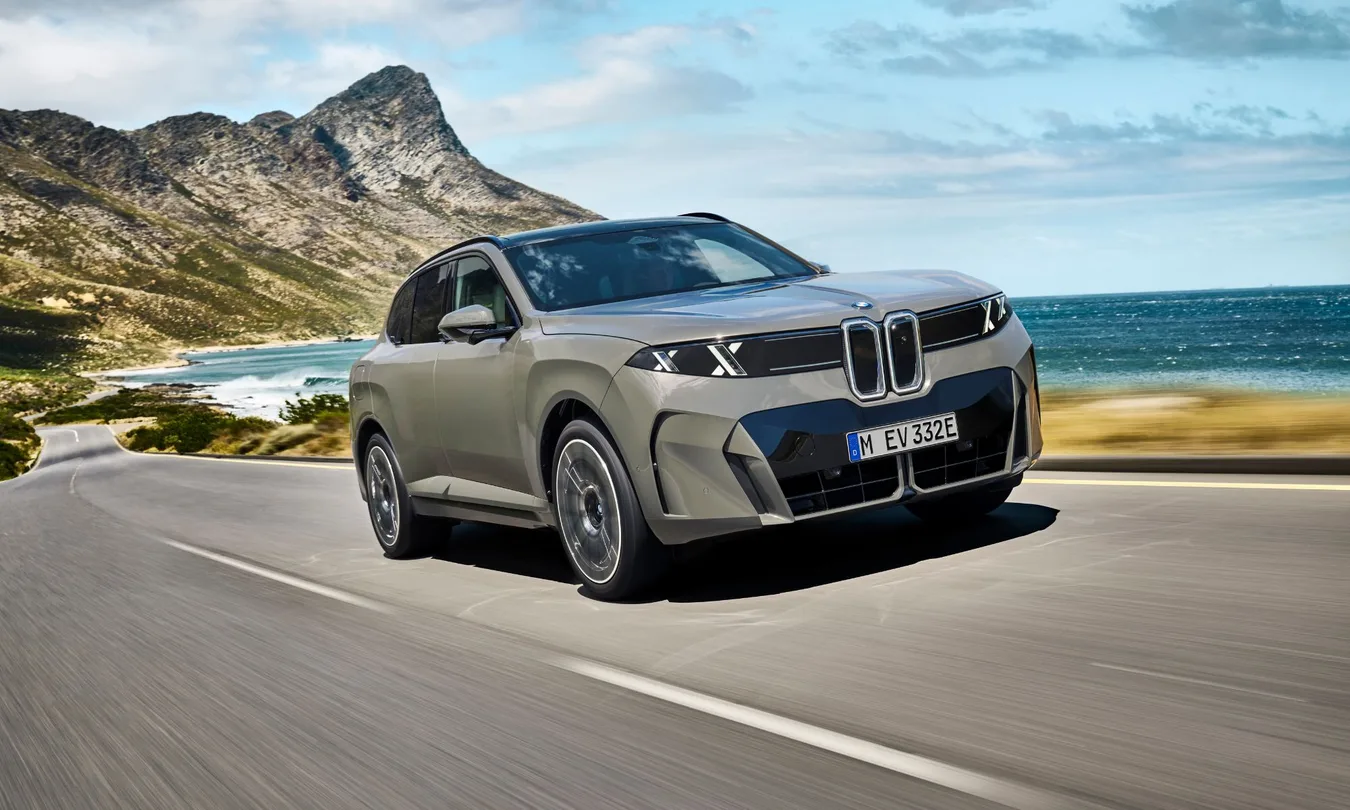
BMW has introduced the fifth-generation X5 with an unusually wide array of powertrain choices, reflecting a pragmatic response to uncertain market demands in the luxury SUV segment. The updated model features revised styling inspired by the brand’s newer design direction, a thoroughly modernized interior, and options ranging from conventional combustion engines to fully electric and eventual hydrogen variants. Rather than committing exclusively to one propulsion path, BMW is hedging its bets across petrol, diesel, plug-in hybrid, battery-electric, and hydrogen formats under the same vehicle nameplate.
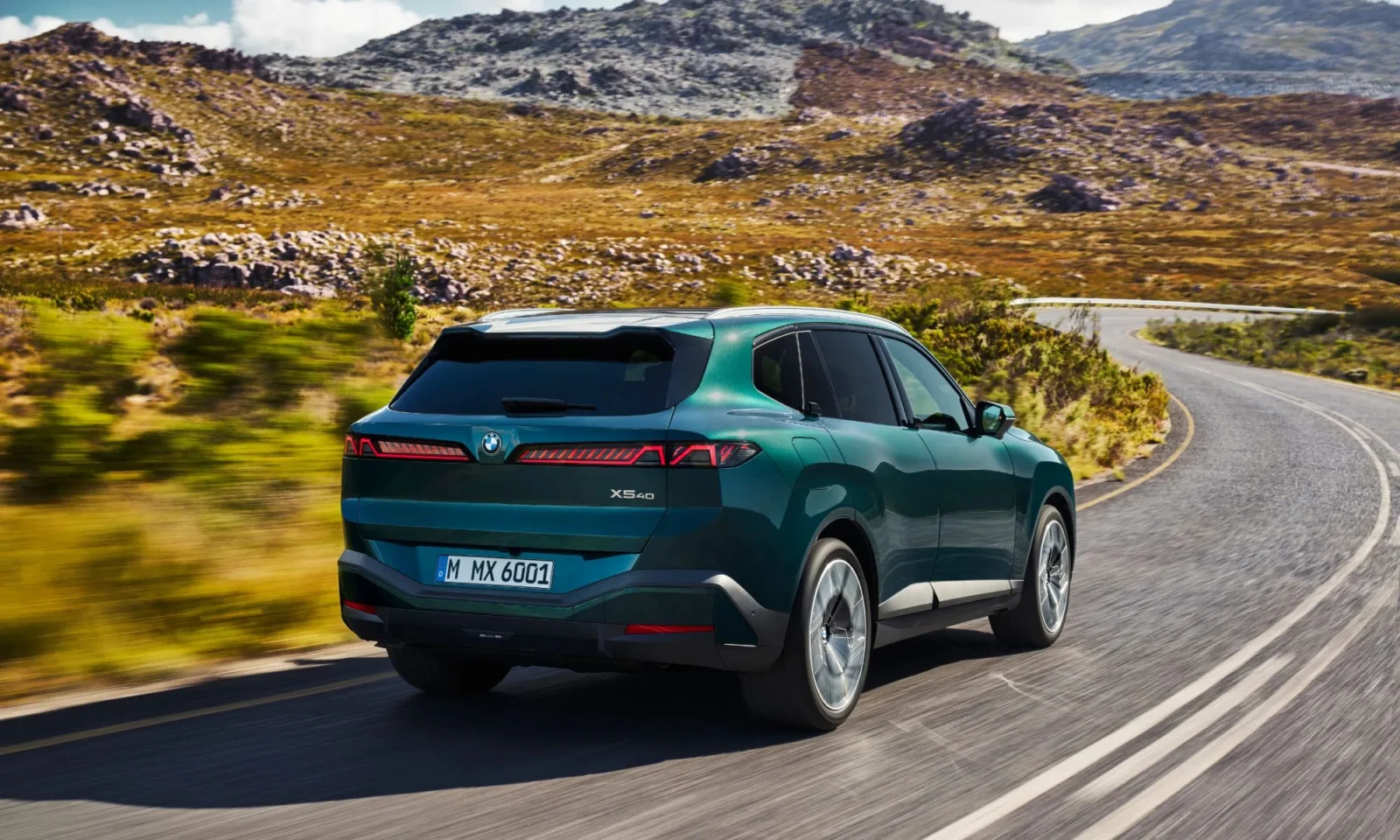
Externally, the new X5 maintains its recognizable proportions while adopting a taller, more upright kidney grille with illuminated detailing and distinctive “double-X” LED lighting elements that combine multiple functions. Flush door handles, pronounced wheel arches, and wheel sizes up to 23 inches contribute to a more substantial presence. At the rear, slimmer lights and updated bumper styling complete the refresh. These changes align with broader industry shifts toward bolder front-end graphics, though they remain evolutionary rather than revolutionary in a competitive field crowded with similarly imposing luxury crossovers from Mercedes, Audi, and Porsche.
The real differentiation comes from the powertrain strategy. Buyers will eventually select from five distinct options, including the debut of an all-electric iX5 equipped with BMW’s latest 800-volt architecture. Early estimates suggest up to 435 miles of range and rapid charging capability reaching 460kW, figures that sound competitive on paper but will require real-world validation against rivals like the Mercedes EQE SUV or upcoming Audi models. A hydrogen-powered version is slated for later introduction, adding another layer of technological experimentation that echoes past industry attempts at alternative fuels with mixed commercial success.
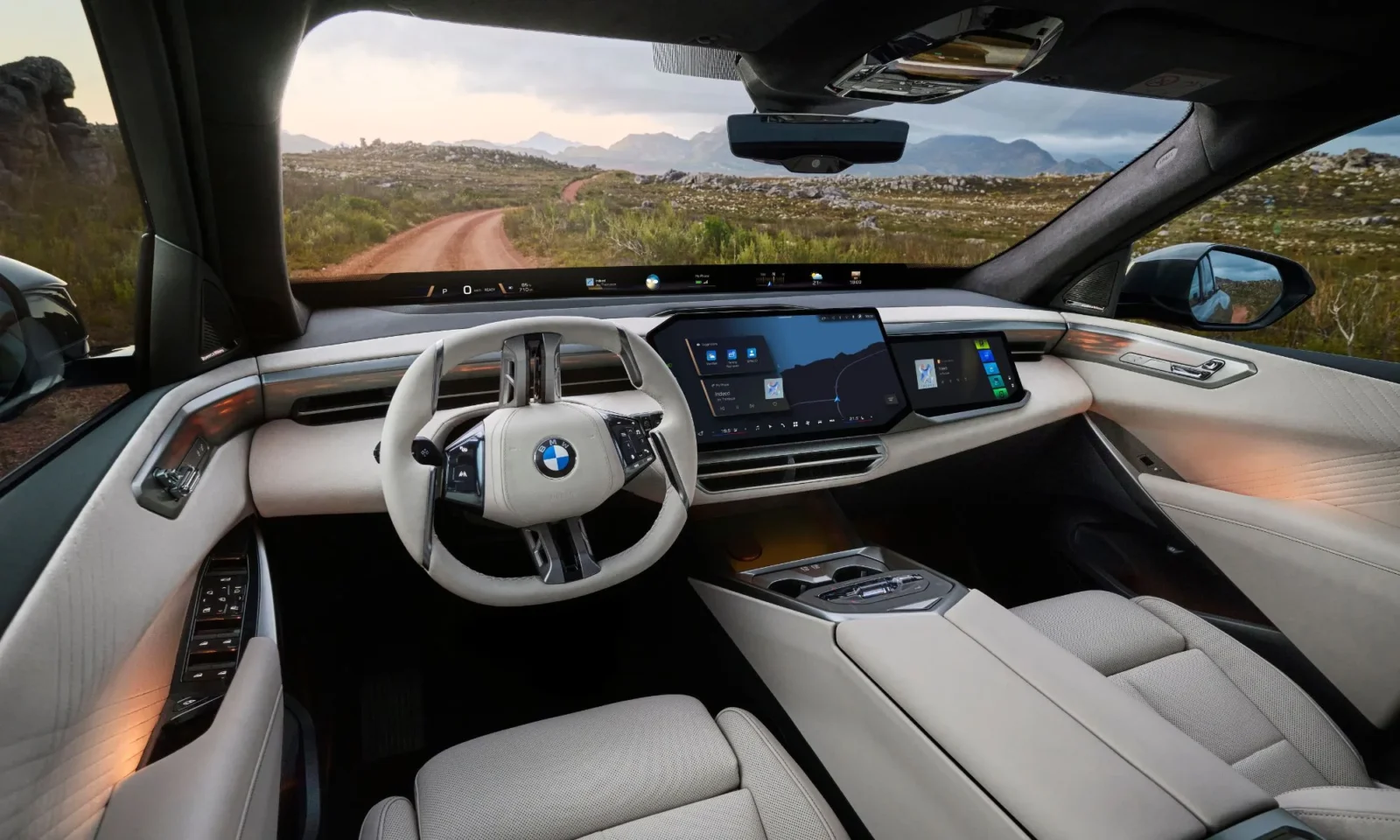
Inside, the cabin receives a significant overhaul centered on a panoramic display setup and a large central touchscreen running the latest operating system. Upgraded materials and ambient lighting aim to elevate the luxury feel, while an AI assistant promises more intuitive interaction. These features address long-standing expectations for seamless technology integration in premium vehicles, yet they also introduce complexity that some owners may find overwhelming compared to simpler, more reliable interfaces in previous generations. The inclusion of a passenger display further caters to rear-seat or front-passenger entertainment needs, a growing priority in family-oriented luxury SUVs.
This multi-powertrain approach stands out at a time when many manufacturers are accelerating full electrification timelines, sometimes at the expense of customer readiness. BMW’s decision to keep combustion and hybrid options alive acknowledges slower-than-expected EV adoption in key markets, infrastructure gaps, and varying regional regulations. It offers flexibility but also risks fragmenting development resources and confusing potential buyers who must navigate an expanding menu of choices, each with different ownership experiences, costs, and long-term support considerations.
Production is scheduled to begin later this year, with deliveries phased in from late 2026 into early 2027. The iX5 is positioned as a flagship for BMW’s next wave of electric vehicles, while the overall X5 range underscores the brand’s commitment to customer choice over forced transitions. In practice, success will depend on how well each variant delivers on performance, efficiency, and reliability rather than the breadth of options alone. The luxury SUV market continues to reward vehicles that balance innovation with usability, and the latest X5 will be judged on those terms across its diverse configurations.
bmw x5 expands powertrain choices for new generation
bmw adopts flexible strategy with fifth generation x5
what multiple powertrains mean for new bmw x5
bmw x5 redesign embraces petrol ev and hydrogen options
luxury suv market tested by bmw x5 versatility