


Nothing continues its steady push into affordable audio with the upcoming launch of the Nothing Ear (3a) wireless earbuds. Set to arrive on July 7 at 11:00 BST, the new model arrives as a budget-minded follow-up to the brand’s previous entry-level earbuds that earned solid reviews in 2024 for delivering respectable performance without premium pricing.
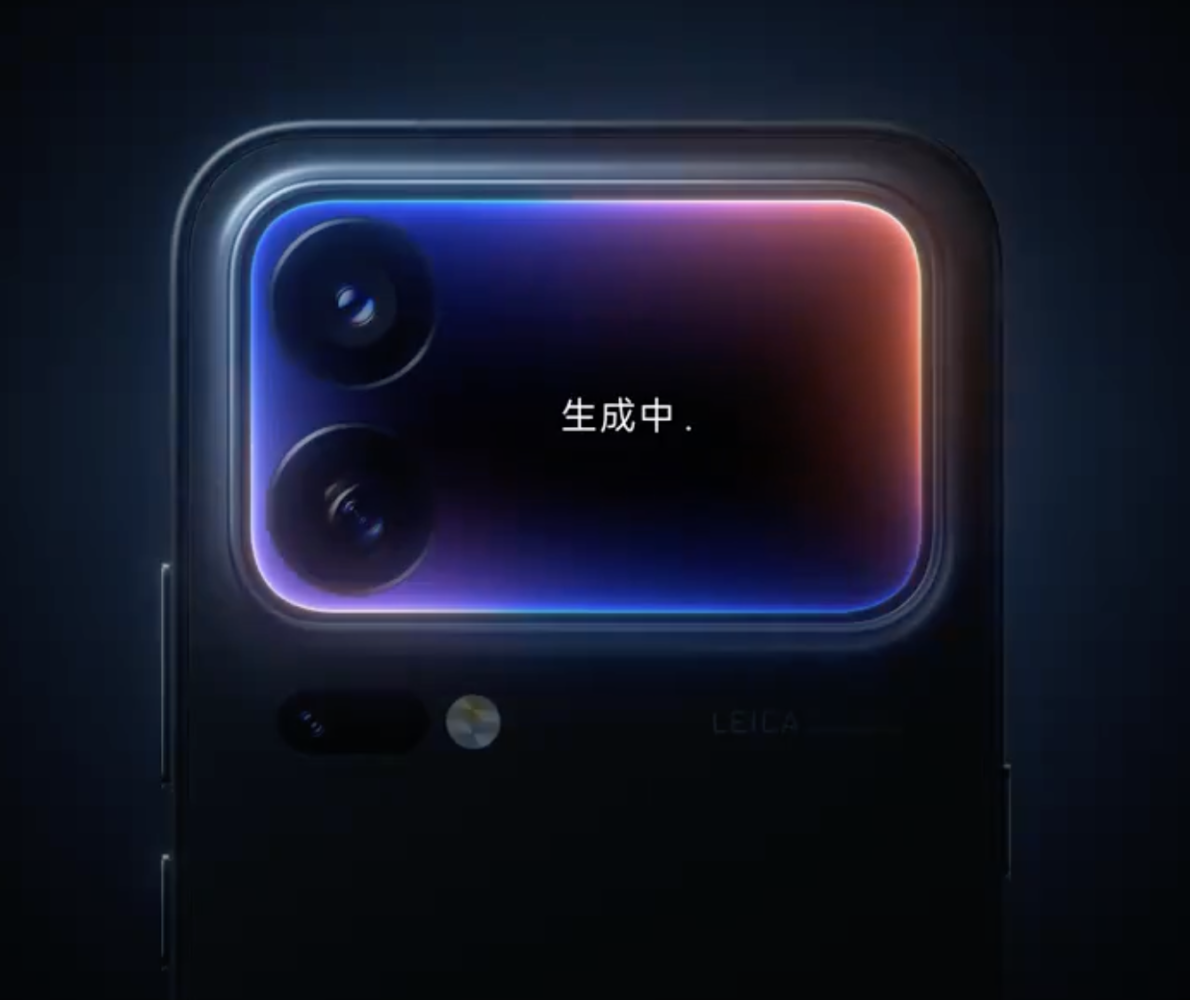
The teaser shared on social media reveals little beyond the four color options: black, white, pink, and yellow, matching the palette of Nothing’s recent Headphone (a). The promotional image itself was reportedly captured using the upcoming Nothing Phone (4b), a detail that reinforces the company’s integrated ecosystem approach across phones and audio gear. While exact specifications remain under wraps, earlier leaks point to a price around $99, positioning the Ear (3a) as an accessible option in a crowded wireless earbuds market.
Nothing has carved a niche with distinctive transparent designs and straightforward software features that appeal to users seeking personality over subtle minimalism. Its earlier budget earbuds stood out for balancing comfort, battery life, and sound quality at a competitive level, often outperforming generic alternatives in the sub-$100 range. Yet the wireless audio space remains fiercely contested, with established players like Sony, Samsung, and Google offering frequent updates and deeper integration with their respective ecosystems. At this price point, the Ear (3a) will need to deliver noticeable improvements in call quality, noise cancellation, or customization to justify attention amid broader market fatigue around incremental earbud releases.
The timing feels strategic. Nothing’s audio lineup has expanded rapidly alongside its phone efforts, now even reaching retail shelves like Best Buy. This growing availability could help the brand move beyond its core enthusiast audience. However, without substantial new features or performance gains, the Ear (3a) risks blending into the sea of capable budget options flooding the market. Consumers have grown accustomed to strong value in this segment, where $99 often buys reliable ANC, decent spatial audio, and long battery life.
Design consistency across Nothing’s products remains one of its stronger assets, creating a cohesive aesthetic that differentiates it from more corporate competitors. The colorful variants may attract younger buyers or those who appreciate playful hardware, though color alone rarely drives long-term satisfaction. Much will depend on real-world testing once units ship, particularly regarding fit, microphone performance, and app stability—areas where budget earbuds have historically shown more variability.
Overall, the Nothing Ear (3a) represents another step in the company’s effort to build a recognizable identity in consumer electronics through accessible, characterful products. Whether it advances beyond its predecessors or simply maintains the status quo will become clearer after launch. For now, it joins a growing list of mid-year audio releases that highlight how quickly the budget segment evolves.