

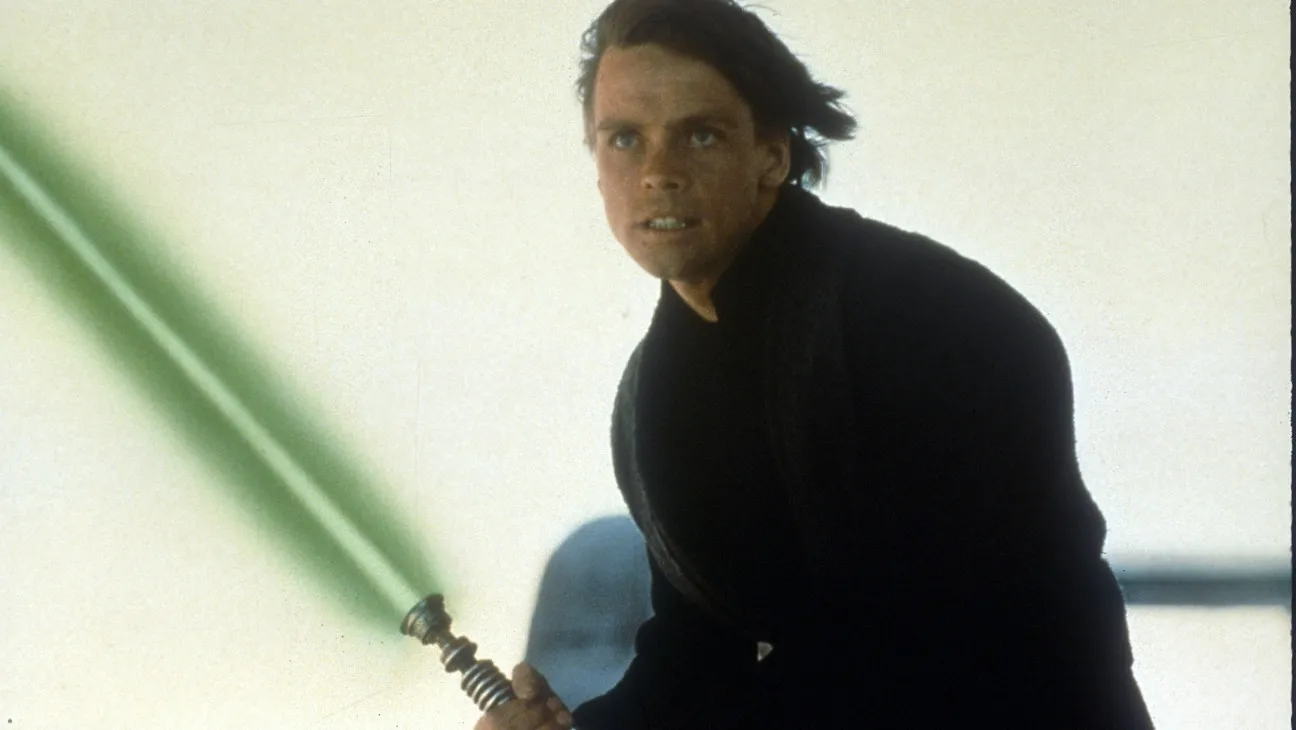
The Mandalorian and Grogu has quietly repositioned one of Star Wars’ more divisive entries, Return of the Jedi, as a foundational piece for the franchise’s current direction. While George Lucas shaped the original trilogy and the prequels that followed, not every film landed with equal impact. Return of the Jedi, released in 1983, has long been regarded as the weakest of the first three movies. Its elements, from the cuddly Ewoks to the repeated Death Star plot and the extended Jabba’s palace sequence, drew criticism even at the time for softening the darker tone established in The Empire Strikes Back.
Decades later, The Mandalorian and Grogu arrives as a direct follow-up in the timeline, set just a few years after the events of Episode VI. Unlike The Force Awakens, which jumped ahead by three decades, this new film examines the immediate consequences of the Empire’s fall. It addresses questions the original movie largely skipped: how the New Republic established itself, what became of scattered Imperial forces, and the power vacuums left in criminal organizations like the Hutt Cartel. In doing so, it treats Return of the Jedi not as a tidy endpoint but as a starting point for exploring regime change and lingering instability in the galaxy.
This connection runs deeper than chronology. The Mandalorian and Grogu draws clear structural and stylistic parallels to Return of the Jedi. Its third act echoes the Jabba palace rescue sequence almost beat for beat, complete with a trapdoor execution attempt and a confrontation involving Hutt characters. Organized crime, giant creatures, and themes of legacy and generational handover feature prominently. Grogu’s bond with Din Djarin even mirrors elements of Luke and Yoda’s relationship in the original film, reinforcing ideas about mentorship and the young caring for the old. These choices reflect a deliberate effort to recapture the practical-effects, adventure-driven feel of the original trilogy rather than relying solely on modern spectacle.
Yet the film does not escape the franchise’s ongoing challenges. Star Wars has struggled with consistency since Disney’s acquisition, oscillating between nostalgia and new directions. The Mandalorian and Grogu’s box office performance has been uneven so far, raising familiar questions about audience fatigue. Its strengths lie in grounding the story in the messy aftermath of victory, a perspective rarely explored in feature films despite appearances in comics and television. This approach offers a more thoughtful examination of what happens after the celebration ends, even if it sometimes prioritizes familiar beats over bolder risks.
For a franchise built on epic conflicts, this focus on Return of the Jedi’s shadow makes sense. Upcoming projects, including Ahsoka season 2 and other Mandoverse stories, continue mining similar territory of Imperial remnants and post-war recovery. Whether this signals a sustainable path remains to be seen. Return of the Jedi was never the most acclaimed chapter, but its expanded relevance today highlights how Star Wars continues to rework its past to navigate the present. In a crowded entertainment landscape, that measured look backward may prove more enduring than constant reinvention.