

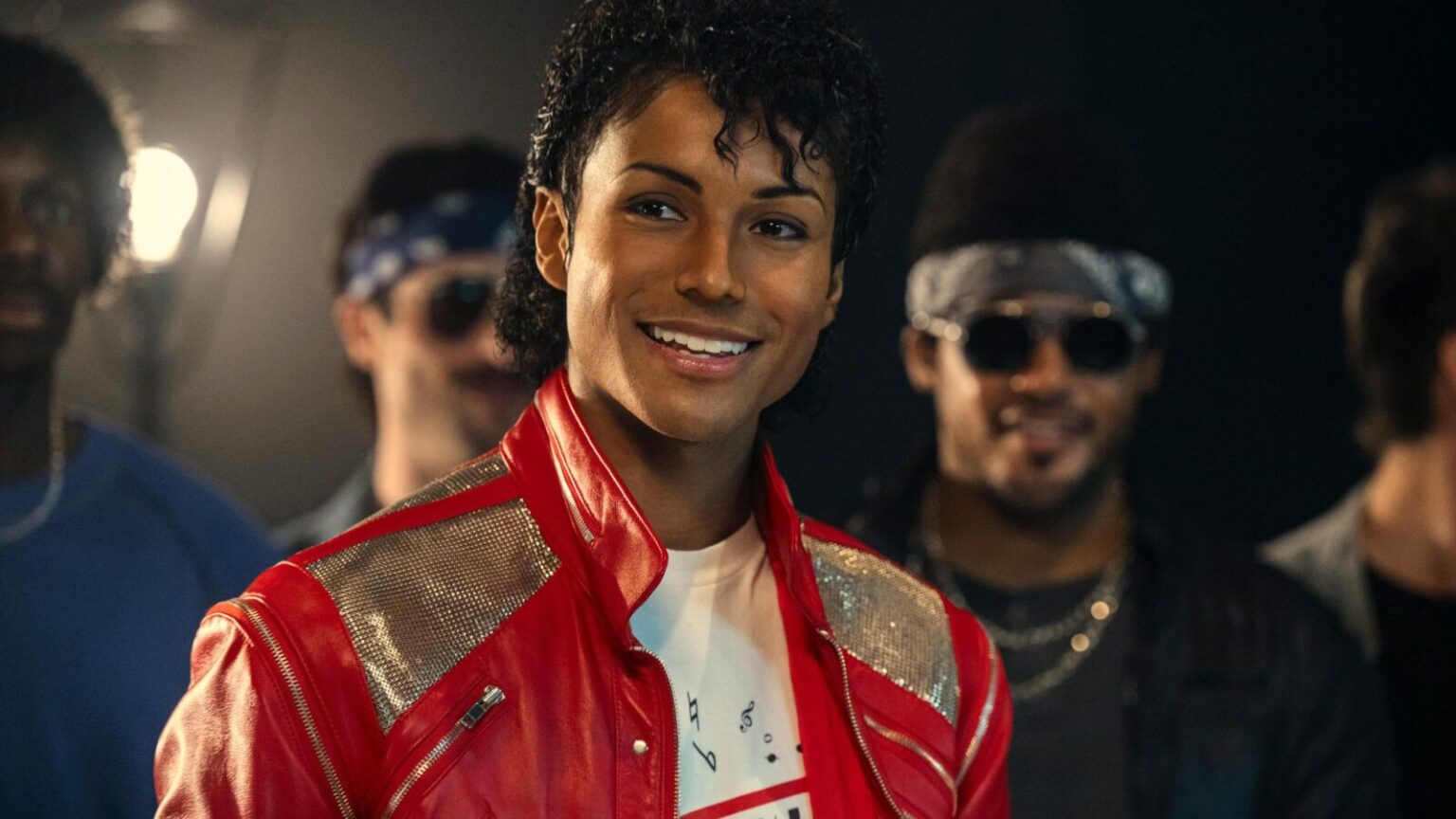
The Michael Jackson biopic Michael continues to demonstrate strong commercial pull in its second weekend at the box office, sliding to second place domestically while adding more than $50 million in the United States. That brings its domestic total to roughly $180 million. Globally, the film has reached $424 million against a reported $200 million budget, placing it ahead of the previous second-highest grossing music biopic and narrowing the gap toward Bohemian Rhapsody‘s roughly $900 million record from 2018.
Directed by Antoine Fuqua and starring Jaafar Jackson as Michael Jackson, the movie opened to mixed critical reception but has connected solidly with audiences. Critics have given it a 39 percent score on Rotten Tomatoes, while audiences have responded with a 97 percent approval rating. The contrast echoes patterns seen in other high-profile biopics that prioritize emotional spectacle and fan service over unflinching examination of their subjects. Production reportedly faced significant hurdles, including a last-minute rewrite of the third act after legal concerns surfaced, yet the final product has still found its audience.
For context, the 2022 Elvis Presley film directed by Baz Luhrmann earned $283 million worldwide and received stronger reviews, including an Oscar nomination for Austin Butler. That film also navigated the complexities of its subject’s life, though Sofia Coppola’s 2023 film Priscilla offered a sharper counterpoint on the personal costs involved. Michael has drawn criticism for appearing to downplay or sanitize allegations of child abuse against Jackson, a choice that has divided viewers but apparently not deterred the core fanbase driving its performance.
The film’s trajectory suggests Lionsgate may have a viable franchise on its hands. A sequel covering the later chapters of Jackson’s career now seems probable, capitalizing on the established audience appetite for music-driven dramas. Yet the long-term cultural conversation around such projects remains complicated. Music biopics have become reliable box-office performers because they tap into nostalgia and familiar hit songs, but they also risk reducing complex, often troubled lives to highlight reels. Michael follows this template closely: strong production values, energetic recreations of iconic performances, and a lead actor who physically embodies the role, but with limited space for deeper scrutiny.
At this pace, Michael has a credible shot at crossing the $1 billion global threshold, though sustaining momentum through the summer will depend on word-of-mouth and repeat viewings rather than opening-weekend hype alone. The movie’s success reinforces how Jackson’s music and persona continue to resonate commercially decades after his death, even as public discourse around his legacy stays contentious. Whether this translates into a lasting cultural artifact or simply a profitable nostalgia play is something time—and perhaps the rumored sequel—will clarify.