
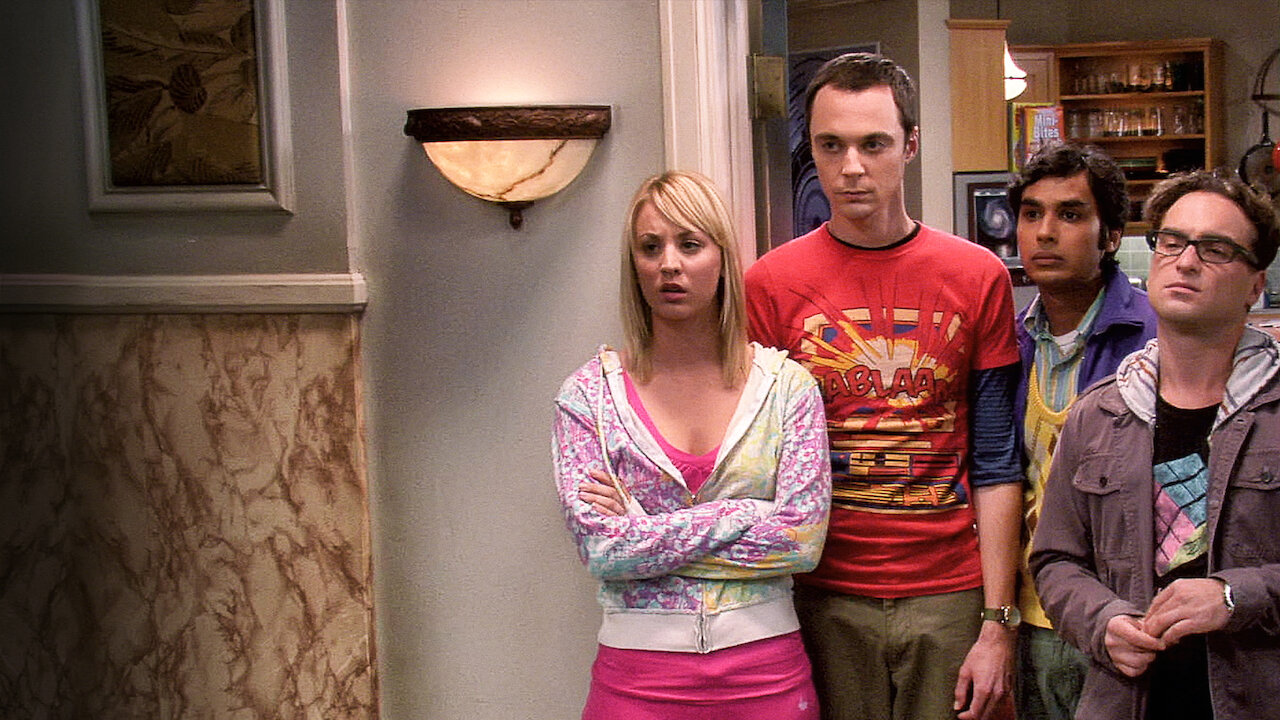
The Big Bang Theory franchise is set to expand once more with Stuart Fails to Save the Universe, a sequel series scheduled to premiere in July 2026. Rather than continuing on CBS alongside the long-running universe of prequels and spinoffs, the new show will stream exclusively on HBO Max, marking the first time a core extension of the original sitcom has bypassed traditional network television.
Kevin Sussman returns as Stuart Bloom, the comic-book store owner who evolved from recurring guest to integral part of the original ensemble. Joining him are Lauren Lapkus, Brian Posehn, and John Ross Bowie. Created and executive produced by Chuck Lorre, Zak Penn, and Bill Prady, the series centers on Stuart attempting to navigate a larger sci-fi scenario involving a device originally built by Sheldon and Leonard. How deeply the core cast from The Big Bang Theory will participate remains unclear. Jim Parsons and Johnny Galecki have not commented publicly, while Kaley Cuoco and Kunal Nayyar have expressed openness to cameos should the call come.
This move arrives after the franchise gradually drifted from its Pasadena roots. Young Sheldon began as a prequel focused on the boy genius but increasingly functioned as a broader family drama centered on the Coopers. Georgie & Mandy’s First Marriage continued that shift, leaving many longtime viewers hungry for stories involving the original group of scientists and their partners. Stuart Fails to Save the Universe appears positioned as an attempt to reconnect with that core while introducing a more genre-bending, sci-fi comedy tone. Whether this hybrid approach satisfies fans who miss the original dynamic or simply stretches the universe further will be one of the more interesting questions when it arrives.
The decision to debut in summer, while CBS shows like Georgie & Mandy’s First Marriage are on hiatus, feels strategic. Streaming releases are not bound by fall-to-spring network calendars, allowing the producers to test a different release window and potentially capture attention when broadcast competition is lighter. Early first-look images have already surfaced, suggesting marketing will ramp up quickly in the coming weeks.
For a franchise that ran for 12 seasons and spawned successful prequels, this sequel represents both opportunity and risk. The original series thrived on its tight ensemble chemistry and grounded observational humor. Introducing sci-fi elements through Stuart’s lens could either refresh the formula or feel like an awkward pivot. Past attempts to expand successful sitcoms have produced mixed results; some extensions recapture the magic, while others highlight how much depended on the specific alchemy of the first cast and writing room.
Still, the appetite for more Big Bang Theory stories clearly persists among a dedicated audience. By handing the lead to a well-liked supporting character and leaning into genre play, the creative team is trying something distinct rather than repeating the same setup with younger versions of familiar faces. Success will likely hinge on whether Stuart’s perspective can carry the weight and whether any returning elements from the original series enhance rather than distract from the new direction.