

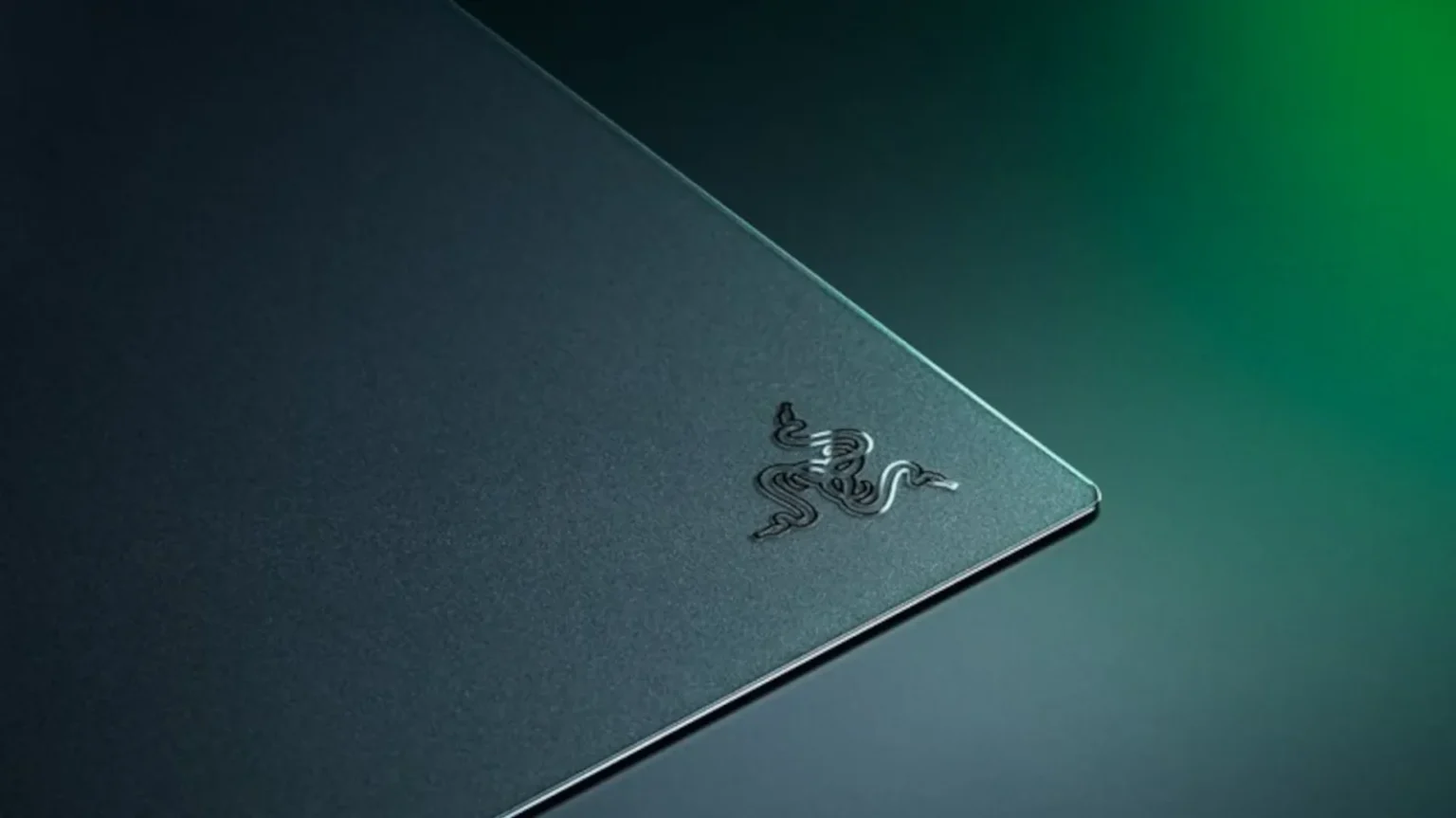
The Razer Atlas Pro arrives as a notably slim addition to the growing category of glass mouse mats aimed at serious gamers. Measuring just 1.9 millimetres thick from top to bottom, including its rubberised base, it claims the title of the world’s thinnest solid glass gaming surface. The glass layer itself sits at 1.1 millimetres, roughly a third the thickness of many conventional glass pads that hover around 3 millimetres.
This emphasis on minimal height stems from a straightforward idea: a lower profile can reduce wrist extension and strain during extended sessions. Gamers who spend hours tracking precise movements often report discomfort from thicker mats that force the hand into awkward angles. By shaving away material while retaining a grippy underside, the Atlas Pro attempts to deliver a more natural posture without sacrificing stability on the desk. Whether this translates to meaningful long-term ergonomic gains remains to be seen in everyday use, but the physics make intuitive sense.
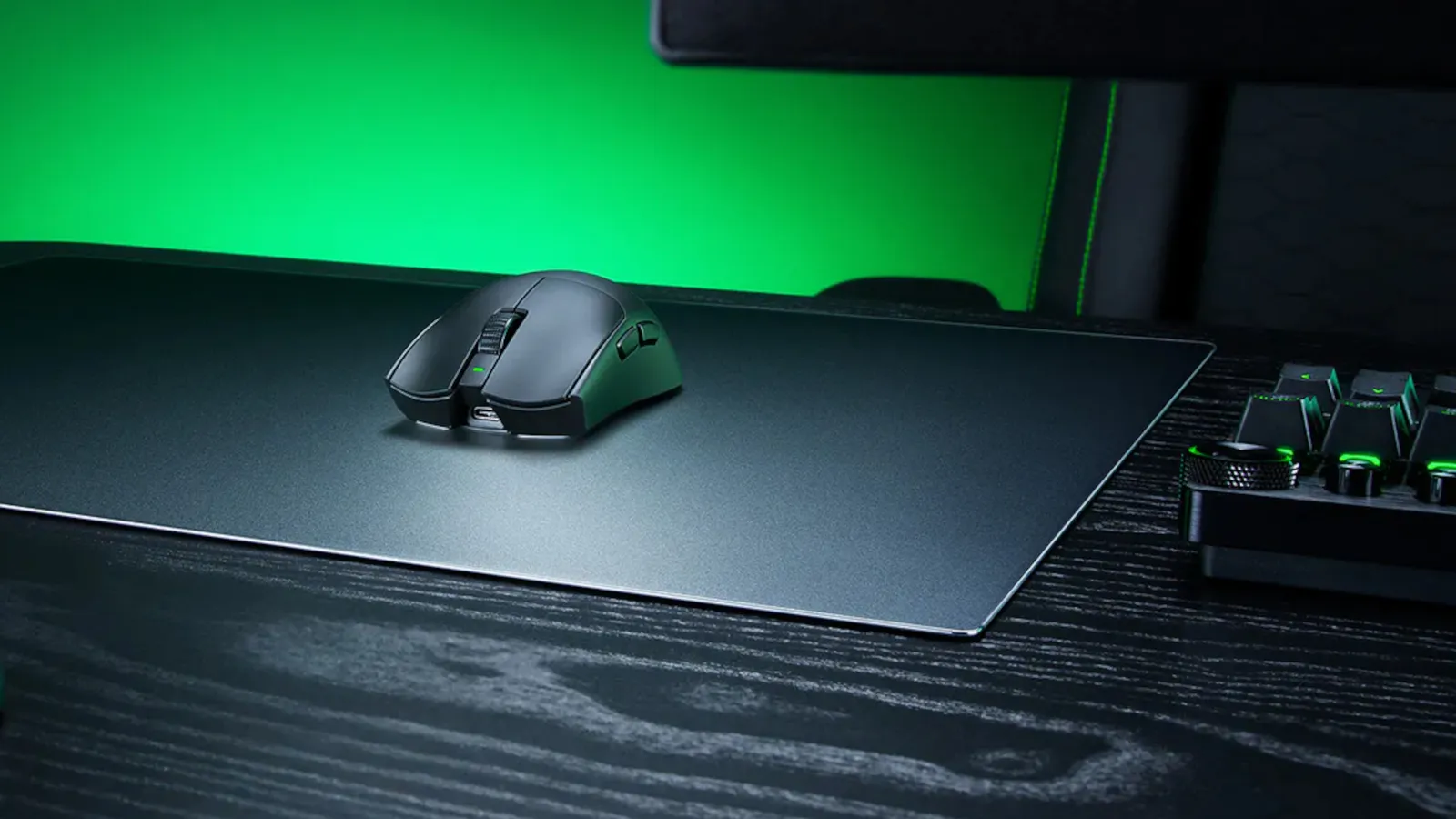
Glass surfaces have gained traction in gaming peripherals for their smooth, low-friction finish. Unlike fabric or hybrid cloth mats that can develop inconsistent glide over time, glass offers consistent, effortless movement that many players associate with faster and more accurate cursor control. The Atlas Pro builds on this with a 9H hardness rating, which should provide decent resistance to scratches from everyday wear or accidental knocks. A protective coating further simplifies cleaning, addressing one common complaint with glass mats that tend to show fingerprints and dust.
Still, thinner does not automatically mean superior in every scenario. Previous glass mats, while thicker, often felt more planted and less prone to flex or edge lift. At this reduced depth, questions linger about durability if the mat encounters drops or heavy pressure, especially given the premium asking price of $129.99. That positions it as a considered investment rather than an impulse buy, particularly when basic cloth alternatives cost a fraction of the amount and hybrid options already deliver strong performance for most users.
Razer positions the Atlas Pro as a refinement of its earlier glass offerings, available now in black and white finishes. The design prioritises minimalism, aiming for a clean aesthetic that blends into modern setups without drawing undue attention. For competitive players chasing marginal gains in tracking consistency or those simply tired of wrist fatigue, the combination of thinness and glide could prove compelling. Yet it also highlights how accessory makers continue to push boundaries in a mature market, where incremental improvements sometimes carry outsized costs.
In the broader context of gaming peripherals, this launch fits a pattern of escalating specialisation. Mouse mats have evolved from basic foam pads in the 1990s to engineered surfaces today, reflecting the precision demands of modern titles and high-refresh-rate displays. Whether the Atlas Pro represents a genuine step forward or another niche product for enthusiasts will depend on how it holds up under prolonged real-world testing. For now, it stands as an interesting option for those willing to pay for a thinner, smoother experience, even if the practical benefits may prove subtle for casual users.