
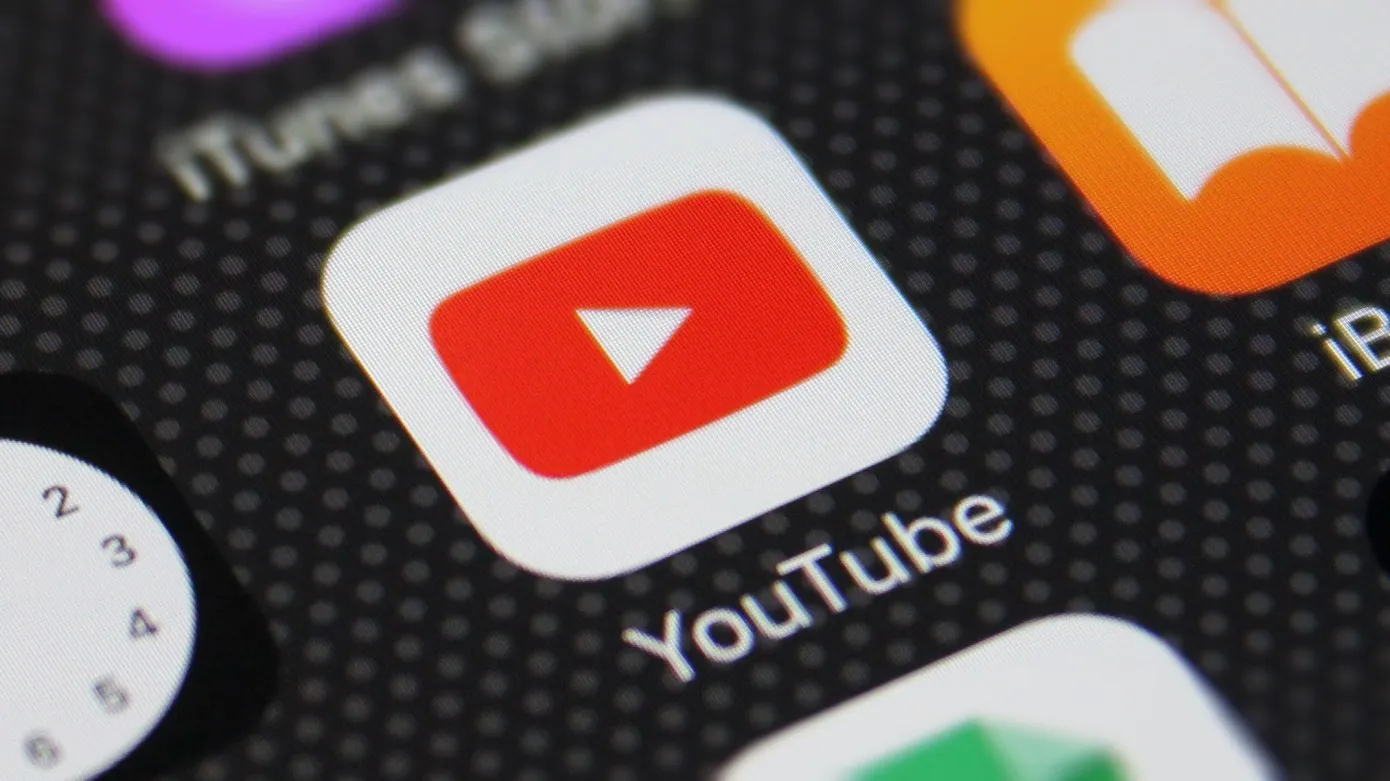
YouTube has begun rolling out a new AI avatar tool that lets creators generate short videos featuring a digital version of themselves without needing to film fresh footage. The feature, first teased by YouTube CEO Neal Mohan in January, is now available globally for users aged 18 and older, excluding Europe for the time being.
Setup is straightforward and needs to be done only once. Through the main YouTube app or the YouTube Create app, users record a short selfie video of their face while reading a few prompted lines to capture their voice. YouTube then builds a photorealistic avatar that can be used to create Shorts up to eight seconds long. Multiple clips can be stitched together for longer sequences.
To use the tool, creators tap the Create button, select the Gemini spark icon, choose “Create video,” and look for the “Make a video with my avatar” option. It is also accessible through the Remix menu under Reimagine.
YouTube has added several safeguards. The selfie and voice data are used solely for the creator’s own avatar—others cannot generate content with someone else’s likeness. Users can delete their avatar at any time, and the system will automatically remove inactive avatars after three years, though any existing videos made with the avatar remain until manually deleted.
All content generated this way carries visible AI disclosures along with SynthID and C2PA watermarking to help viewers identify it as synthetic. These measures reflect YouTube’s broader push to integrate AI tools while attempting to maintain transparency around generated media.
The rollout comes as part of Google’s larger effort to expand AI-assisted creation across its platforms, building on earlier introductions of Veo-powered video generation. For many creators, the appeal lies in speed and convenience—quickly producing Shorts for consistent posting without daily filming. At the same time, the eight-second limit and current restrictions outside Europe suggest the tool is still in its early stages.
As with any AI likeness feature, questions remain about long-term control, potential misuse, and how audiences will respond to increasingly realistic synthetic performances. YouTube’s watermarking and deletion options offer some reassurance, but the technology’s rapid evolution means these guardrails will likely need ongoing refinement.
For now, the AI avatar provides another option in the expanding toolkit for Shorts creators who want to maintain a personal presence with less on-camera time. Full availability should reach more users within days as the phased rollout continues.