
Spotify is adding more interactivity to its AI-powered DJ feature, allowing Premium users to make real-time music requests using voice commands. The update, currently in beta, adds a new layer of personalization to a tool designed to learn and adapt to individual listening habits over time.
Initially launched as a passive feature that curates playlists based on your music preferences, Spotify DJ now lets users shape the experience more directly. Want mellow indie tracks for a late-night wind-down or high-energy beats for a workout? As long as you’re comfortable speaking aloud, you can now guide the DJ in that direction with a simple voice prompt.
Spotify says the AI can interpret a wide variety of request types, combining genre, artist, mood, or activity-based suggestions into a session tailored to the moment. Phrases like “Play me some tracks for a midday run” or “Give me something emotional to cry to” are just a few examples of how users might steer the experience. The DJ then blends those inputs with your listening history to generate an updated mix.

There are, however, some limitations. Voice is currently the only input method for requests—meaning users will need to speak aloud to their device, which may not be ideal in public or quiet spaces. There’s no option yet for text-based requests, and the feature does not extend to non-music content like podcasts or audiobooks. Additionally, Spotify DJ is only available in English and is limited to roughly 60 of the platform’s 180+ global markets.

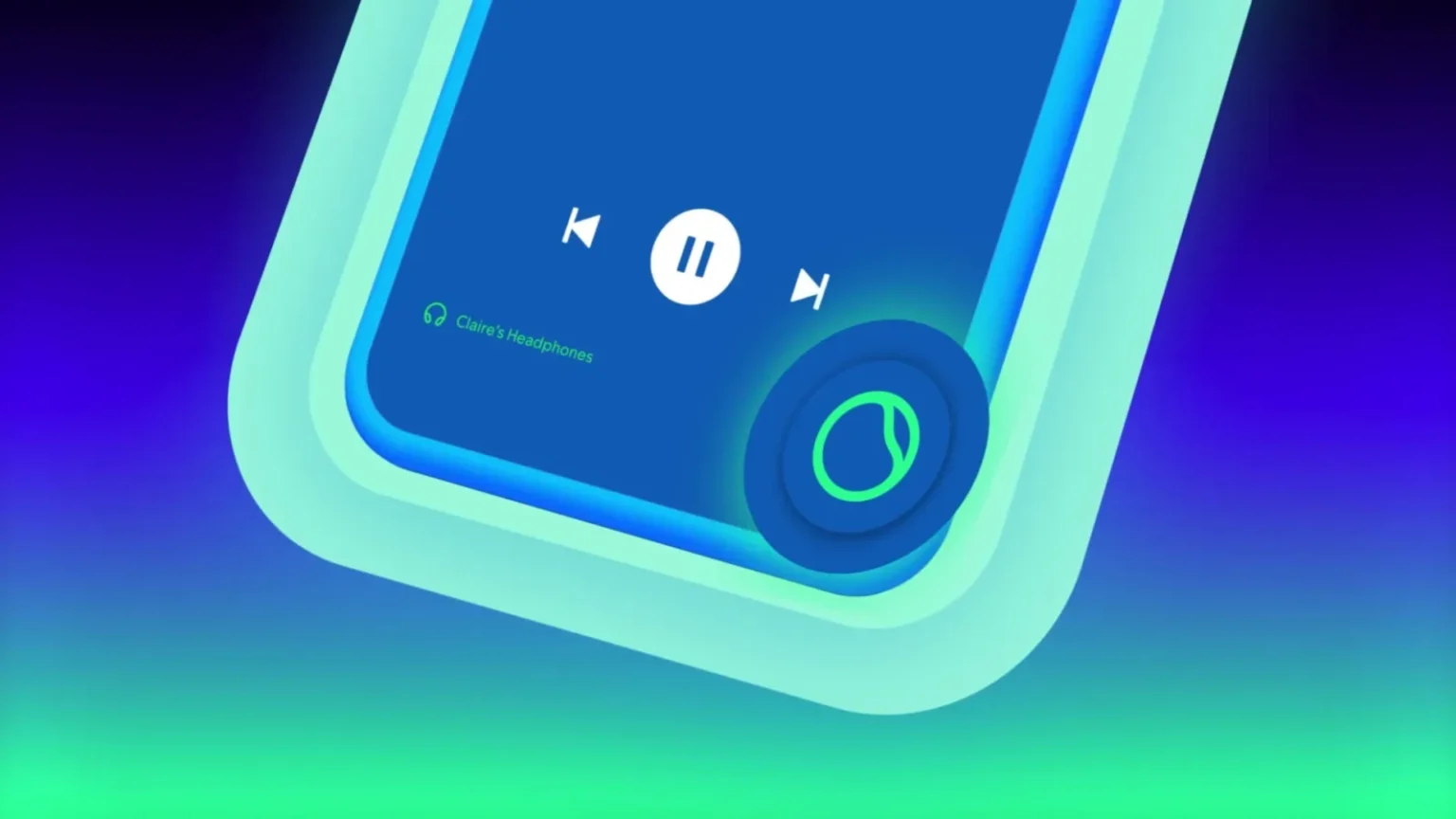
Accessing the DJ is straightforward for those in supported regions with a Spotify Premium subscription. Typing “DJ” in the app’s search bar pulls up the feature. To issue a request, users hold down the DJ button until a beep sounds, then speak their command. While it adds a conversational element to playlist curation, its voice-only nature may restrict how widely it’s used.
Still in beta, the request functionality is part of Spotify’s broader strategy to deepen user engagement through AI. Whether the DJ evolves into a core part of daily listening or remains a novelty will likely depend on how seamlessly it blends convenience with contextual accuracy—and whether Spotify can expand access and interaction options beyond voice alone.