
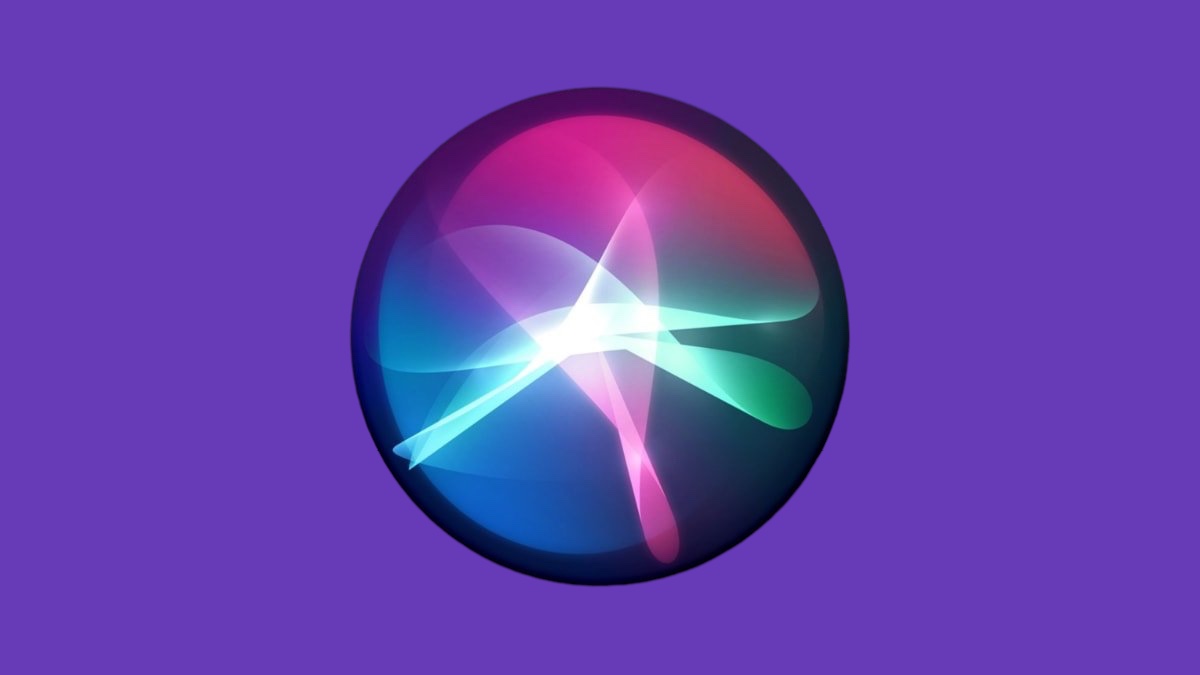
Apple is reportedly preparing to give iPhone users in the European Union the option to replace Siri with third-party voice assistants as their device’s default, a move that reflects the growing impact of regulatory pressure on the company’s tightly controlled ecosystem.
This potential shift is said to be part of Apple’s broader efforts to comply with the European Union’s Digital Markets Act (DMA) and Digital Services Act, both of which aim to curb anti-competitive practices among major tech platforms. According to reports, Apple is working behind the scenes to support alternative digital assistants on iOS, including the ability to fully designate them as the system default—bypassing Siri entirely.
If implemented, this would mark a significant departure from Apple’s long-standing model, where Siri has been deeply integrated into the core iPhone experience. Instead of merely handing off commands to external services through Siri, users could initiate interactions directly with third-party assistants such as Google Assistant or potentially AI-based tools like ChatGPT or DeepSeek.
Apple currently allows Siri to relay certain commands to services like ChatGPT, but this process keeps Siri in the loop as an intermediary. The proposed change would eliminate that extra step, offering a more seamless experience for users who prefer alternatives. While the concept appears to be under development, there is no firm timeline for its rollout. Apple’s track record suggests that any concessions of this kind are likely to follow sustained regulatory pressure rather than proactive user-focused enhancements.
This possible move fits within a broader pattern of Apple adjusting its practices in response to EU legislation, which has already forced the company to support third-party app stores and enable sideloading in certain circumstances. As these legal frameworks continue to evolve, Apple’s traditional approach to ecosystem control is being tested more than ever.
Whether users will ultimately benefit from this increased flexibility depends on the implementation. Allowing a default change is one thing; ensuring that third-party assistants have the same level of access and system integration as Siri is another. Still, for users who have long favored rival platforms or AI tools over Siri’s capabilities, the option to make that preference official may be a welcome step forward—if and when Apple fully commits.