
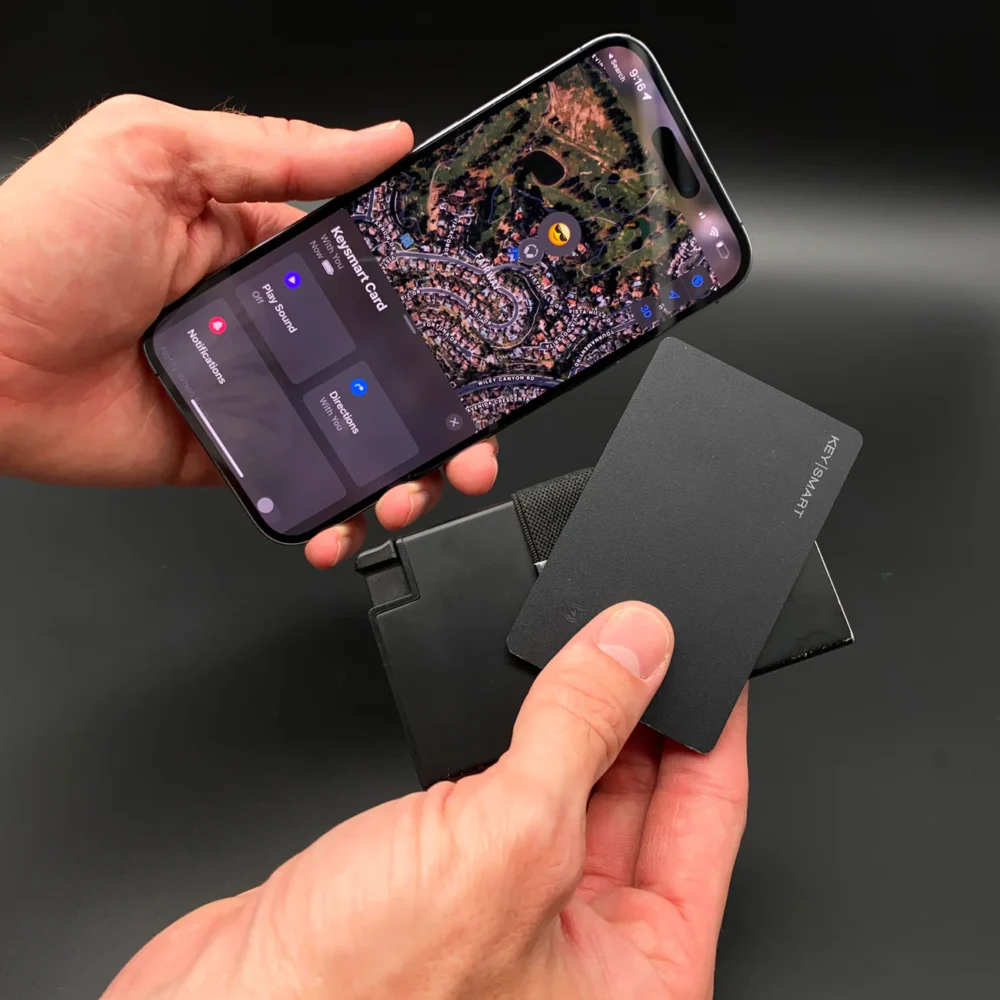
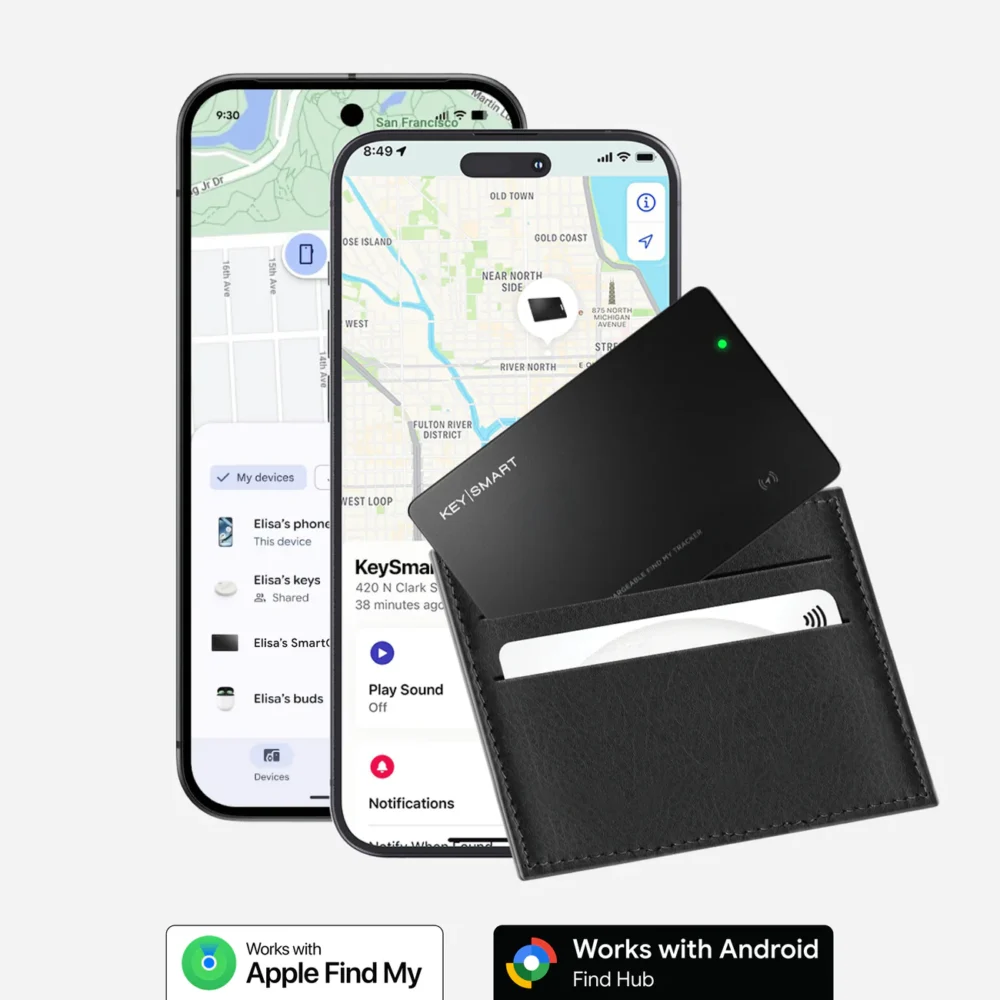
KeySmart has announced the SmartCard (Gen 3), an ultra-thin wallet tracker designed to work with either Apple’s Find My network or Google Find Hub in a single device. The new model marks the company’s first dual-network card, aiming to bridge the gap between iOS and Android ecosystems without requiring separate hardware.
The SmartCard (Gen 3) maintains the credit-card-style design that has made wallet trackers popular, measuring just 1.8mm thin — roughly the thickness of two stacked credit cards. It is built to sit flat in a wallet while providing full tracking functionality through whichever ecosystem the user selects during setup. The device can later be reset and paired with the alternate network if the user switches mobile platforms.
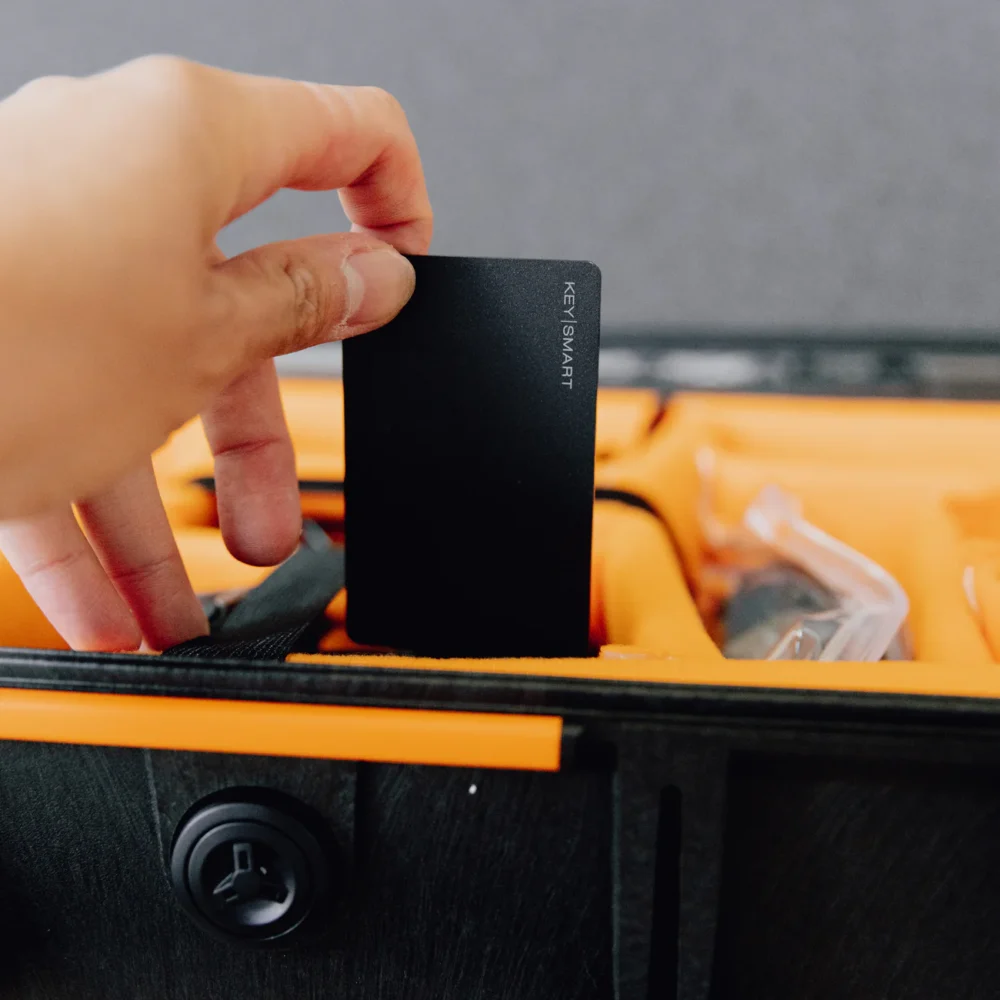
Powering the tracker is KeySmart’s Atlas Gen 3 chipset. The company describes it as a redesigned processing architecture that is twice as fast as previous versions while reducing power consumption by approximately 30%. That efficiency enables an estimated 11 months of battery life per charge. Instead of disposable batteries, the SmartCard recharges wirelessly via any standard Qi charging pad.
Durability has also been upgraded. The SmartCard (Gen 3) carries an IPX8 waterproof rating, meaning it is protected against water exposure during everyday travel and use. This adds resilience for users who keep the card in wallets, bags, or luggage that may encounter spills or wet environments.
Key features include:
- 11-month battery life with Qi wireless recharging
- Atlas Gen 3 chipset with lower power draw and faster processing
- Selectable support for Apple Find My or Google Find Hub
- Resettable pairing for platform switching
- 1.8mm ultra-slim profile
- IPX8 waterproof protection
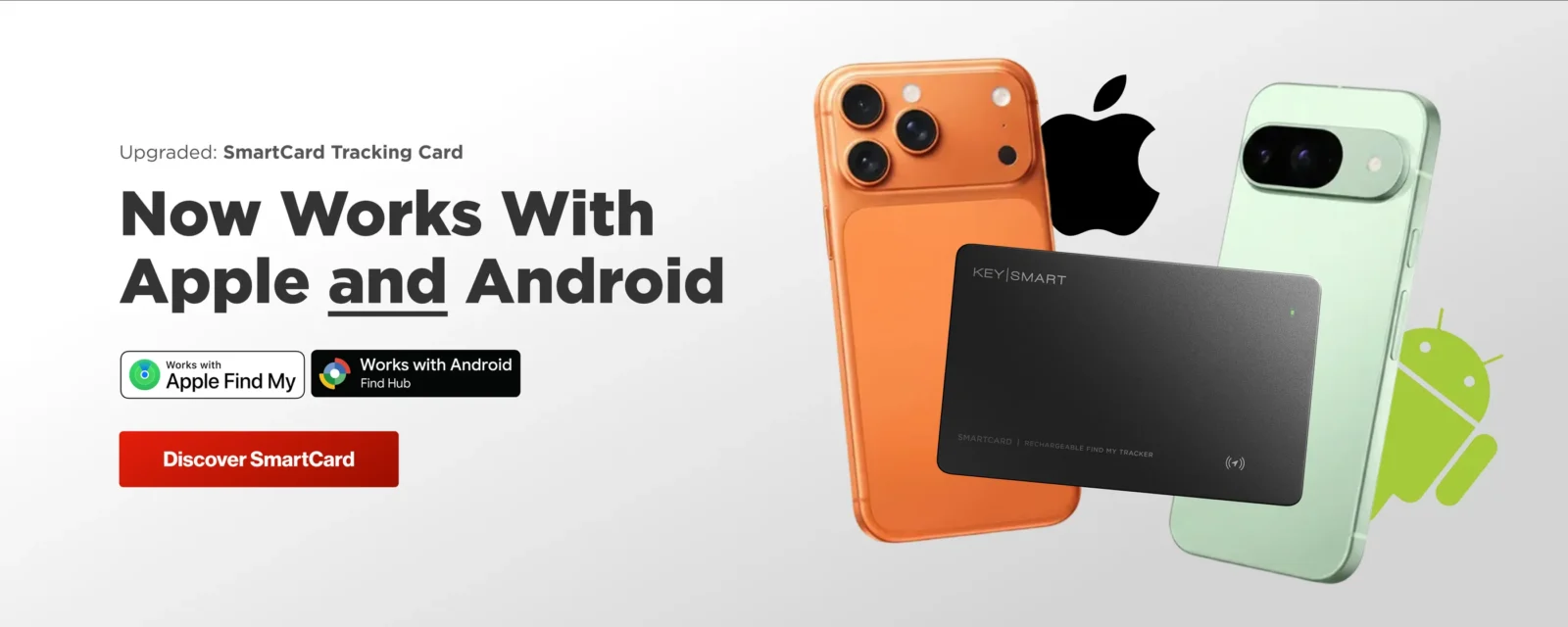
The KeySmart SmartCard (Gen 3) is available now with a retail price of $39.99, with discounted bundles offered for multi-pack purchases. The launch reflects a growing shift toward ecosystem-flexible tracking accessories, allowing users to keep their hardware even if they change phones — a practical approach in a market traditionally split between Apple and Android exclusivity.