
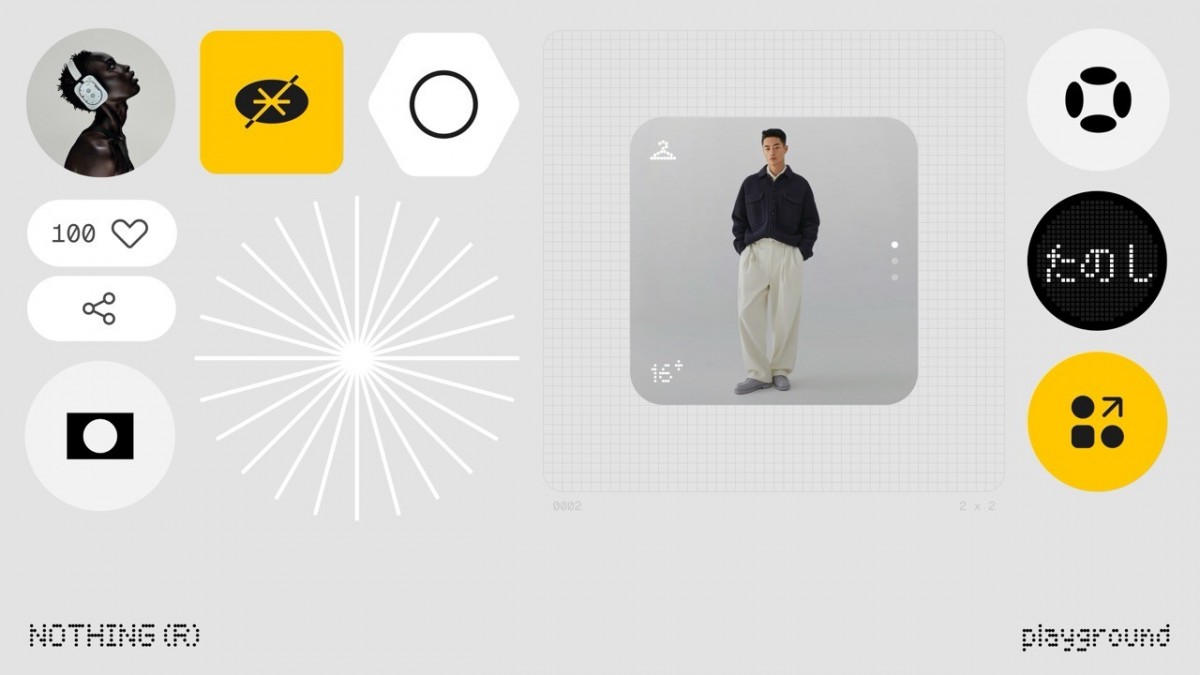
Back in October, Nothing introduced Essential Apps, a system built around AI-generated mini-apps and widgets that are created through simple text prompts. These apps live directly on the device rather than in the cloud and can be shared with other users through Nothing’s Playground community. The idea is to let people create small, practical tools without traditional development work, while keeping them tightly integrated with the phone’s operating system.
The company has now started rolling out Essential Apps Beta, following an earlier alpha phase that was limited to a small group of testers toward the end of 2025. With the beta release, access is expanding gradually via a waitlist, with new users being added in controlled batches. This slower rollout reflects an attempt to test performance and reliability at scale before opening the system more broadly.
Create apps shaped exactly around your specific needs and context.
— Essential (@essential) February 10, 2026
That's what Essential Apps are.
You describe what you need. AI builds it. It appears on your phone's home screen, ready to use.
One billion apps for one billion people.
Beta starts today on Nothing Playground. pic.twitter.com/tgqi0aq64r
For now, the beta is limited to the Nothing Phone (3). According to the company, this is because the device has sufficient performance headroom to run multiple Essential Apps simultaneously while the platform is still being refined. Support for other Nothing and CMF devices is planned, provided they are running Nothing OS 4.0 or later, but that expansion will come later in the beta cycle.
At this stage, Essential Apps support a relatively small but focused set of permissions: location access, read-only calendar data, and contacts. Within those boundaries, users can already build tools such as location-based reminders, agenda-style widgets, meeting countdown timers, or quick-access contact shortcuts. The limited permission set also highlights where the platform is not yet ready. Access to features like the camera, microphone, network requests, notifications, vibration, calling, and Bluetooth is planned but not currently available.
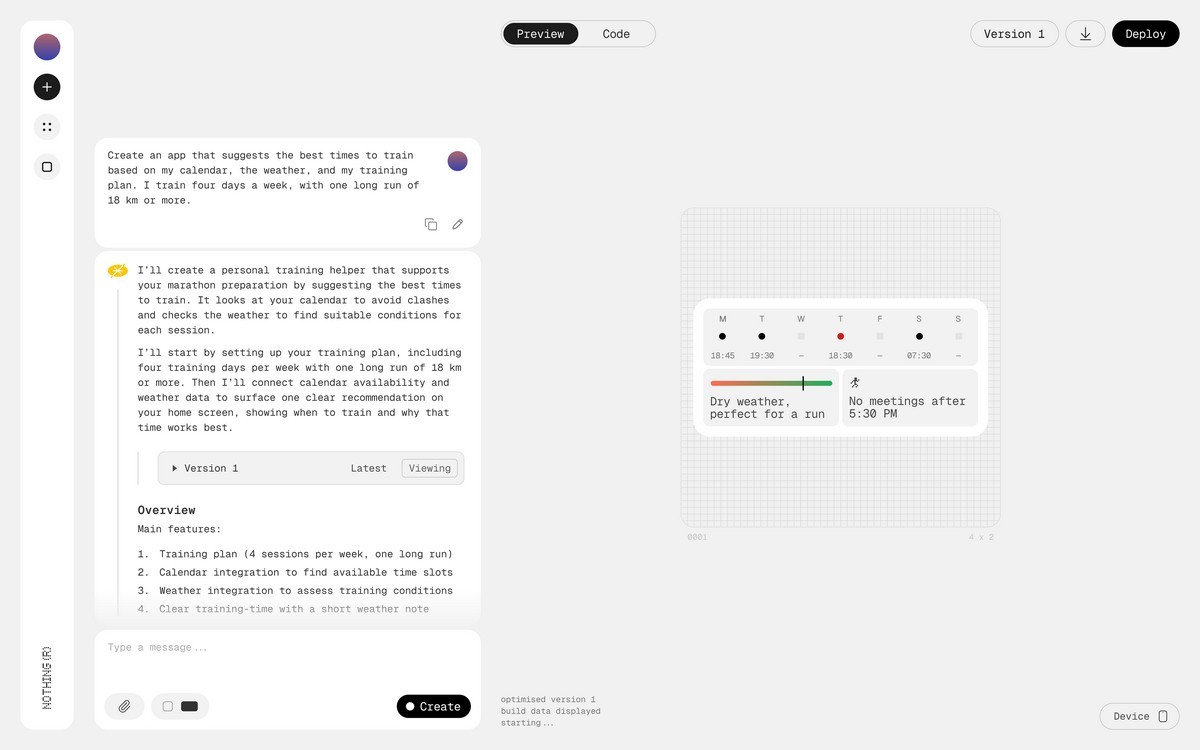
Nothing has also outlined near-term updates. A system update expected in late February is meant to introduce activity recognition, usage statistics, additional sensor data, and a first-party weather API. The creation process itself is designed to be incremental: users describe what they want in plain language, the system generates the app, and later edits only affect the specific components being changed. Nothing says this approach should help apps remain stable and improve in reliability over time.
Essential Apps are expected to reach a public release later this year, once deeper system integrations are finalized and device compatibility is confirmed. During the beta period, the platform is set to expand gradually, adding more system access, broader design options, and support for a wider range of devices. Whether Essential Apps become a widely used feature or remain a niche experiment will likely depend on how quickly those promised capabilities arrive and how well they perform outside a controlled beta environment.