
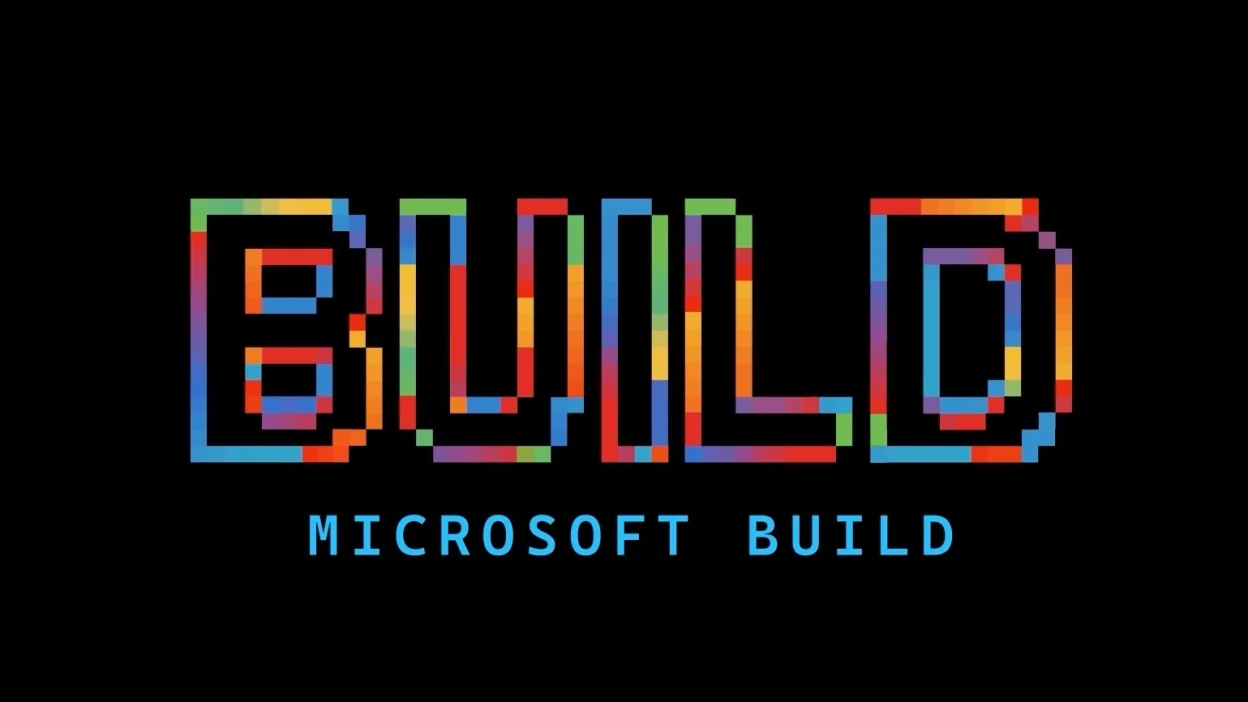
Microsoft is steadily building its own artificial intelligence capabilities, unveiling a series of in-house models at Build 2026, including a new flagship offering called MAI-Thinking-1. This marks another step away from heavy dependence on external partners like OpenAI, following a recent renegotiation of their partnership that loosened some ties. After introducing initial proprietary models last year, the company is now expanding its portfolio with tools focused on reasoning, media generation, transcription, voice, and coding assistance.
MAI-Thinking-1 is positioned as a medium-sized model trained from scratch on clean data, without relying on distillation from third-party systems. Microsoft claims it performs comparably to leading competitors on key software engineering benchmarks. While such assertions sound promising, benchmark results often fail to capture real-world reliability, particularly in complex, ambiguous tasks where context and edge cases matter most. The model’s emphasis on reasoning suggests an attempt to address shortcomings in earlier AI systems, yet the broader industry has seen many similar claims that later required significant refinements once deployed at scale.
The remaining announcements round out a more practical toolkit. MAI-Image 2.5 and its flash variant handle text-to-image generation and editing, areas where Microsoft has lagged behind specialists like Midjourney or DALL-E. MAI-Transcribe-1.5 promises five times the speed of competing options, potentially useful for meeting notes or content workflows, though accuracy across accents and noisy environments remains a common pain point for these tools. MAI-Voice-2 adds support for 15 new languages and expanded voice options, with a faster version slated for release soon. Finally, MAI-Code-1-Flash targets developers through integration with GitHub Copilot and Visual Studio Code, aiming for efficient inference in everyday coding tasks.
This push reflects Microsoft’s strategic evolution. Long reliant on OpenAI’s technology for much of its AI infrastructure, the company is now investing in independence amid rising costs and competitive pressures. The announcements arrive against a backdrop of massive industry spending on model training, where returns have proven uneven. Earlier efforts, from Cortana to initial Azure AI services, showed mixed adoption, often excelling in narrow applications but struggling for widespread everyday impact. Questions persist about how these new models will integrate meaningfully into Windows and enterprise software without adding complexity or privacy concerns for users.
Critics might note that while Microsoft touts these as advancements, many features build incrementally on existing capabilities rather than delivering breakthroughs. The focus on specialized models highlights a maturing market where general-purpose systems give way to task-specific ones, yet this fragmentation can burden developers and organizations with integration challenges. Energy consumption and environmental costs of running such models at scale also warrant ongoing scrutiny, especially as claims of efficiency rarely account for full lifecycle impacts.
Overall, Microsoft’s latest models signal serious commitment to in-house AI development, potentially strengthening its position in enterprise and developer ecosystems. Their practical value, however, will depend less on launch hype and more on consistent performance, seamless integration, and adaptability once in users’ hands. As the AI landscape grows more crowded, execution and measurable outcomes will separate incremental progress from genuine differentiation.