

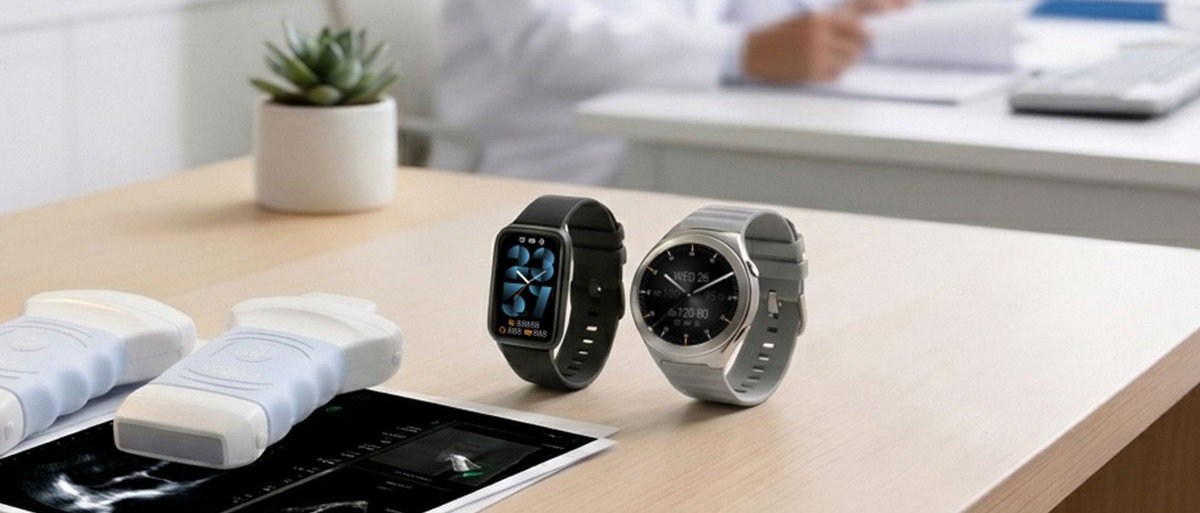
Asus has introduced the VivoWatch 6 Plus at Computex, adding another option to the increasingly crowded smartwatch market focused on health tracking. The device features a 1.43-inch AMOLED display protected by sapphire crystal glass and housed in a titanium case, materials chosen for their durability and premium feel rather than any groundbreaking innovation.
The watch includes blood pressure monitoring and electrocardiogram capabilities alongside sleep breathing movement detection and gait analysis. According to the limited details released, these functions aim to provide insights into chronic disease risks and longer-term health patterns. The company positions the device as offering real-time feedback that could guide daily wellness decisions, though such claims remain typical in this segment and often depend heavily on user consistency and clinical validation.
This launch fits into Asus’s ongoing efforts in wearable technology, which have seen modest evolution rather than dramatic shifts over recent years. The VivoWatch line has traditionally emphasized health metrics, competing against more established players like Apple and Samsung, whose devices have refined similar sensors through multiple iterations. Blood pressure and ECG features, once rare in consumer watches, have become more standard, yet questions persist about their medical-grade accuracy outside controlled environments. Many users still turn to dedicated medical equipment for critical readings, highlighting the gap between convenient tracking and professional diagnostics.
The titanium construction suggests attention to build quality and lightness, important considerations for all-day wear, while the AMOLED screen should deliver clear visuals even in varied lighting. However, with so few specifications shared so far, including battery life, software platform, or exact sensor details, it is difficult to assess how the VivoWatch 6 Plus truly differentiates itself. The announcement image shows two designs, with the round model presumably representing the new Plus variant, but confirmation awaits further details.
In a market where health monitoring has driven much of the growth in wearables, Asus faces stiff competition. Devices from larger ecosystems benefit from seamless integration with phones and broader app support, areas where smaller efforts sometimes struggle. Gait analysis and breathing tracking add layers to sleep and activity monitoring, echoing trends seen in recent generations of fitness-focused watches, yet their practical value often comes down to how actionable the resulting data proves for average users rather than enthusiasts.
Pricing and full availability have not been disclosed, leaving potential buyers waiting for clearer comparisons on value. As health tracking continues evolving from basic step counting to more sophisticated biometric analysis, the VivoWatch 6 Plus represents a measured step forward for Asus, prioritizing solid hardware foundations over flashy promises. Whether it delivers meaningful improvements in everyday health insights will depend on real-world performance once more comprehensive reviews emerge.
For now, the announcement underscores the steady push toward comprehensive wellness tools in consumer electronics, even as challenges around data accuracy, privacy, and long-term user engagement remain relevant across the industry.