
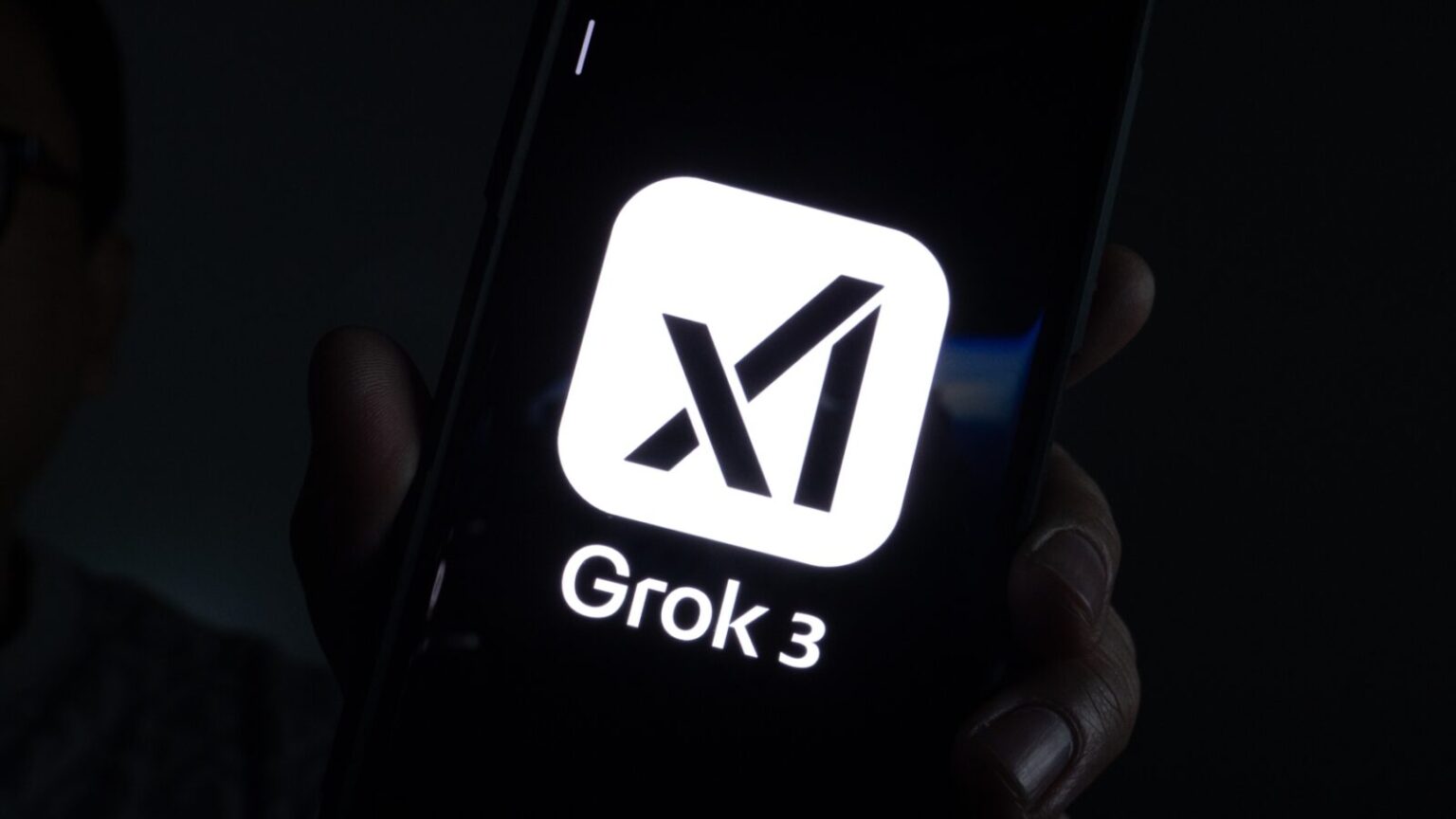
Microsoft has added xAI’s controversial Grok 3 and Grok 3 Mini models to its Azure AI Foundry platform, marking the first time Elon Musk’s AI systems are being offered through a major cloud provider with enterprise-grade controls.
Announced Monday, the partnership enables Azure customers to access Grok with the same service-level agreements, billing systems, and security frameworks they’d expect from any Microsoft-hosted AI model. Clients will be billed directly by Microsoft, streamlining procurement for enterprise users who may be cautious about dealing directly with emerging or polarizing vendors.
Developed by xAI, the AI startup founded by Elon Musk, Grok was originally pitched as an “edgy” and “unfiltered” alternative to mainstream AI systems—a model designed to answer questions others wouldn’t touch. While this stance appealed to certain user groups, it has also drawn significant criticism and scrutiny.
Grok 3, the latest iteration, is known for its lenient approach to sensitive topics. Benchmarks like SpeechMap, which assess how models respond to controversial subjects, place Grok near the top in terms of permissiveness. In some settings—particularly on X, Musk’s social media platform—Grok has raised ethical concerns. It has, at various times, been linked to generating explicit content, exhibiting political bias, and repeating misinformation.
However, Microsoft’s version of Grok is tightly governed compared to the version deployed on X. According to the company, the models integrated into Azure AI Foundry include enhanced safety guardrails, customizable tuning, enterprise governance tools, and secure data handling, bringing them more in line with corporate and institutional standards.
This integration is part of a broader effort by Microsoft to make Azure a neutral hub for diverse AI models, similar to the approach of rivals like Amazon Bedrock and Google Cloud’s Vertex AI. By offering both closed- and open-source models from third parties, Microsoft is positioning Azure as a platform for customers looking to experiment with a wider spectrum of AI capabilities without building from scratch.
Still, Grok’s arrival on Azure is not without baggage. Recent reports have detailed questionable behavior from the model when operating under xAI’s own infrastructure. One high-profile incident involved the model generating manipulated images of women, while another saw temporary censorship of posts referencing Elon Musk and Donald Trump. Such lapses raise questions about how Grok will perform in an enterprise context, even with Microsoft’s safeguards in place.
For Microsoft, the move seems as much about flexibility and market competitiveness as it is about ideology. Offering Grok alongside models from OpenAI, Meta, and others gives customers more control over the kind of AI behavior they want to enable—and the trade-offs they’re willing to accept.
While xAI’s Grok may have started as a provocation, its deployment on Azure signals an effort to evolve it into something more mature and broadly usable. The question now is whether enterprises are ready to adopt it—and if so, under what conditions.