
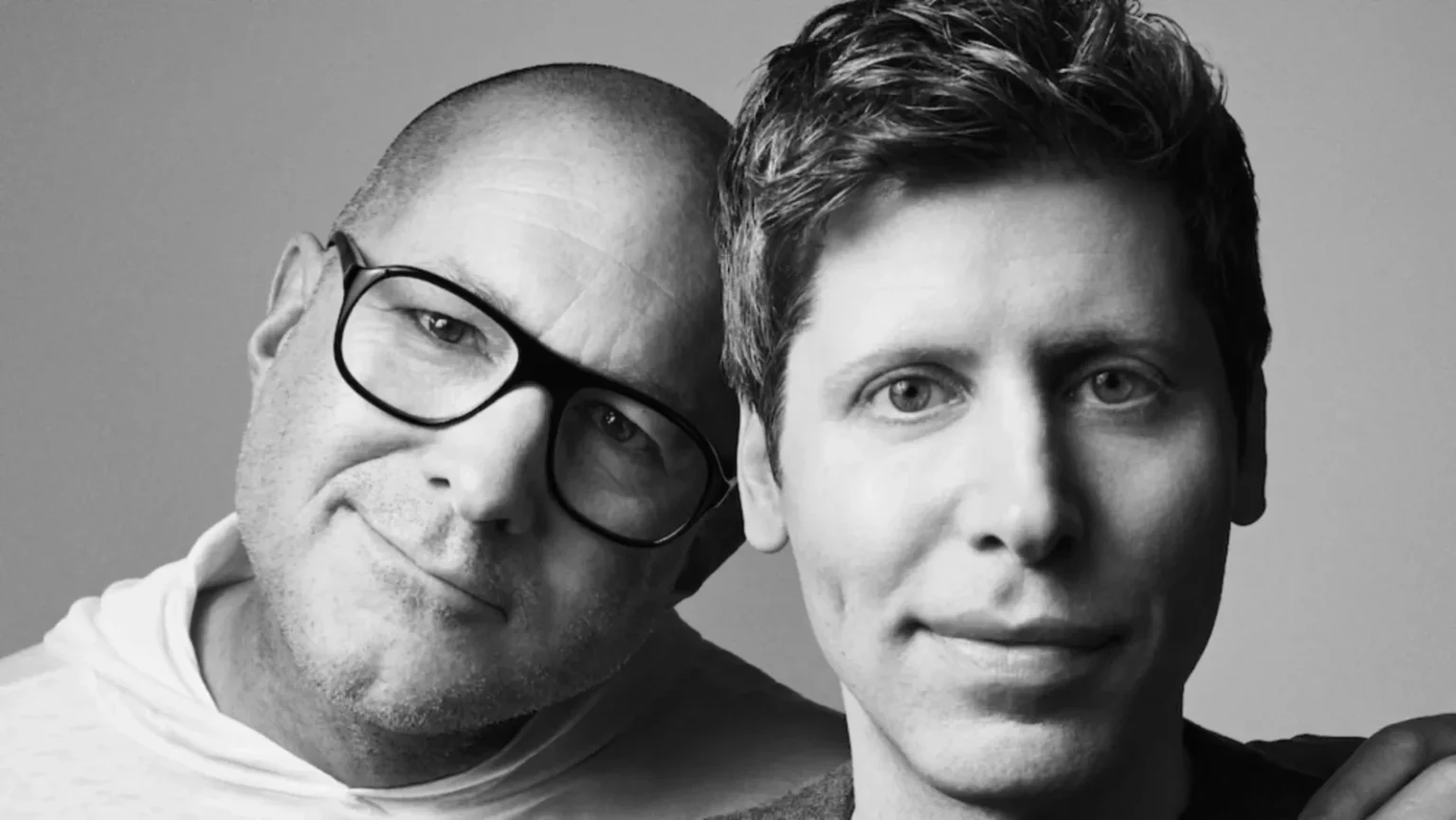
Plans for the first AI-focused hardware device associated with Jony Ive and OpenAI have been pushed back, with a newly disclosed court filing indicating that the product will not reach customers before early 2027. The same filing also confirms that the device will not use the previously discussed “io” name, marking a shift in both the project’s timeline and its branding strategy.
The hardware was first publicly hinted at in a short promotional video released last year, where OpenAI described it as an attempt to rethink how people interact with artificial intelligence through a dedicated physical product. At the time, the company avoided specifics, offering no firm details about its size, interface, or intended use. Speculation ranged from a wearable or handheld object to something closer to a pen or small ambient device designed to sit unobtrusively in daily life. That ambiguity helped fuel interest but also made it difficult to assess how practical or differentiated the product might be.
Originally, the device was expected to ship in late 2026. Subsequent reporting suggested the schedule had slipped due to unresolved design and engineering challenges, even though a working prototype was said to exist by the end of last year. OpenAI later stated that the project was still targeting a launch in the second half of 2026, a claim that now appears outdated. According to the recent court document, the company now says its first hardware product will not ship before the end of February 2027, effectively pushing the launch into a new calendar year.
The filing also sheds light on the quiet abandonment of the “io” name. That branding ran into legal resistance from a hearing aid startup that argued the name was too close to its own trademark. While OpenAI initially signaled that it would contest the claim, the company has since reconsidered. In the document, OpenAI executive Peter Welinder states that the company reviewed its naming approach and decided not to use “io,” “IYO,” or any similar capitalization. This suggests a strategic retreat rather than a prolonged legal fight, likely aimed at reducing distraction as development continues.
Beyond timing and naming, the filing offers little new insight into what the device will actually do. OpenAI has continued to hire engineers and designers with backgrounds in consumer hardware, including several former Apple employees, indicating that the company still sees long-term value in a physical product. At the same time, the delay underscores the difficulty of translating AI software advances into a compelling standalone device, especially one meant to introduce a new category rather than compete directly with phones or laptops.
For now, the project remains more notable for its ambition and the reputations attached to it than for any concrete specifications. With a 2027 release window now on the table, expectations may shift toward seeing whether OpenAI can deliver something meaningfully different, or whether the device will ultimately serve as a niche companion to existing platforms rather than a foundational new interface for AI.