
Instagram is stepping up its use of artificial intelligence to detect teens who may have registered accounts under false birthdates, listing themselves as adults to bypass platform restrictions. The company announced that it will begin testing AI tools that can proactively identify underage users and automatically reassign them to more restricted “teen accounts.”
While the practice of teens falsifying their age during account creation has long been a poorly kept secret, Instagram is now taking a more assertive approach to address it. This initiative expands on the platform’s existing AI-based age detection methods, which are already used to flag discrepancies in user-submitted information. With this new phase, the AI won’t just respond to suspicious behavior—it will actively seek out accounts that may have been misclassified based on submitted birthdates.
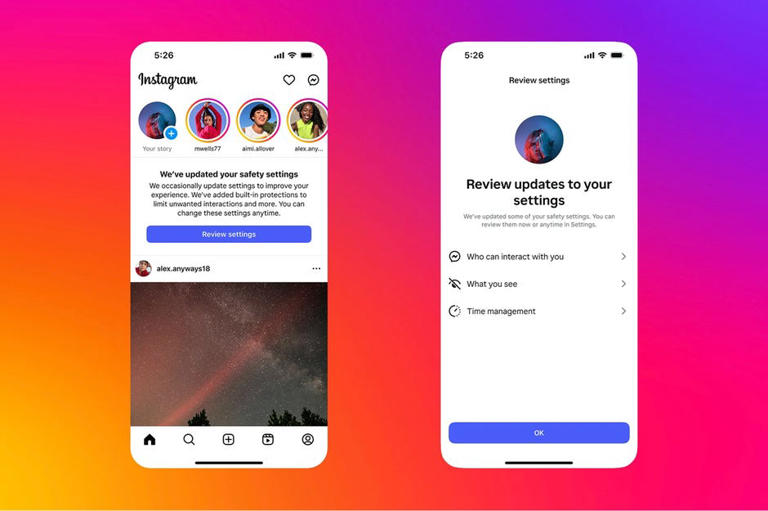
Users flagged by the system will be moved into a teen account profile, which includes stricter safety settings designed for younger audiences. These settings limit exposure to potentially sensitive content, restrict contact from unknown adults, and curb features like direct messaging in certain situations. Instagram says its goal is to ensure that teens are placed in digital environments that reflect their developmental stage, with built-in protections against exploitation, overexposure, or harmful interactions.
For those mistakenly flagged by the AI, Instagram says users will have the ability to review and adjust account settings accordingly. This is intended to strike a balance between safety and accuracy, particularly given the longstanding concerns about algorithmic overreach and misclassification. Still, the company emphasizes that it’s continuing to refine the technology to improve its reliability and minimize false positives.
Parents are also being looped into this process more directly. Instagram will start notifying adult users who are listed as parents about how they can speak with their children regarding age-appropriate use of the platform. This outreach appears to be part of a broader strategy to involve families in reinforcing online safety norms, particularly as scrutiny of Meta’s approach to youth protection intensifies.
Meta, Instagram’s parent company, remains under legal pressure from multiple fronts, including lawsuits brought by various U.S. states. Plaintiffs have accused the company of failing to adequately shield minors from mental health risks and harmful content on both Facebook and Instagram. These allegations have only heightened expectations that the company will implement more proactive safeguards for young users.
Instagram’s move comes as part of a series of recent policy shifts targeting teen safety. The platform now restricts users under 16 from livestreaming and requires parental permission to disable content moderation features—such as blurring nudity in direct messages. These changes are framed as necessary adjustments to help mitigate risk as digital platforms continue to evolve.
According to Instagram, more than 54 million teens globally are currently enrolled in teen accounts. The majority of users aged 13 to 15 have opted to retain the platform’s default protective settings, indicating that at least some teens—and likely their guardians—see value in the platform’s structured safety measures.
The company’s messaging around this rollout underscores a familiar narrative: that online environments must evolve in step with the challenges posed by their youngest users. While the use of AI to police user ages remains controversial—particularly around privacy, transparency, and potential errors—it reflects a growing acknowledgment within tech companies that passive age-gating is no longer sufficient.
Ultimately, Instagram’s plan is a response to a systemic issue: the gap between platform policies and user behavior. Whether this new AI-driven approach can effectively bridge that gap remains to be seen, but it marks a notable shift in how social media companies are attempting to enforce age restrictions and bolster digital safety for teens.