

Huawei used the World Health Expo Dubai 2026 as a platform to outline a new wellness-focused diabetes risk assessment feature built into its smartwatch ecosystem. The company positioned the tool as a preventive awareness function rather than a diagnostic solution, emphasizing early risk identification through non-invasive wearable data rather than direct blood glucose measurement.
The feature relies on photoplethysmography (PPG), a sensor-based method already common in consumer wearables for tracking heart rate and circulation-related signals. By analyzing long-term PPG patterns collected from the wrist, the system aims to identify physiological trends that research has linked to diabetes risk. Users are required to wear a compatible smartwatch consistently for a period ranging from three to fourteen days, allowing the software to build a sufficient dataset before generating an assessment.
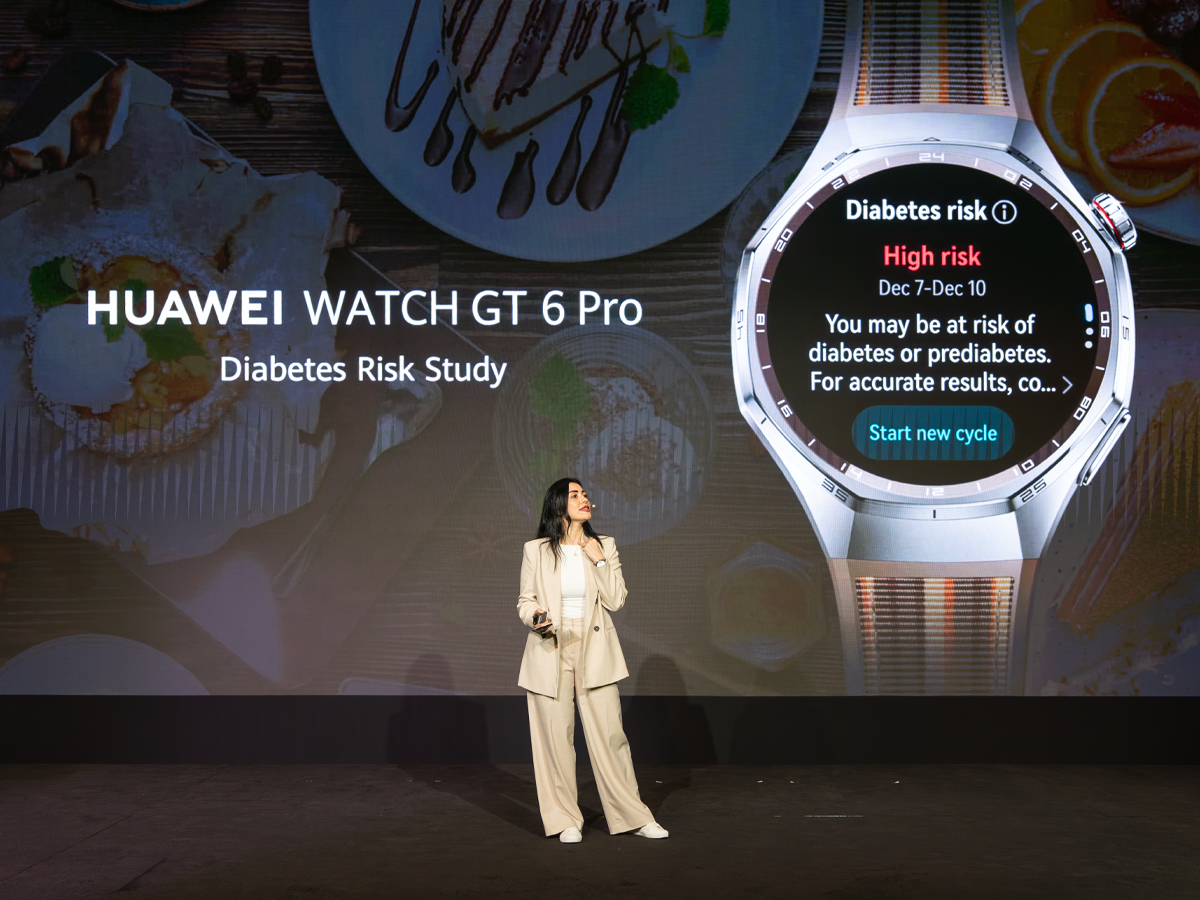
Once the monitoring window is complete, the Diabetes Risk app categorizes results into low, medium, or high risk wellness patterns. Huawei stresses that these classifications are intended to support personal health awareness, not to confirm or rule out diabetes. Users flagged in the medium or high categories are encouraged to consult healthcare professionals for further testing and medical guidance, reinforcing the feature’s role as an early warning tool rather than a substitute for clinical evaluation.
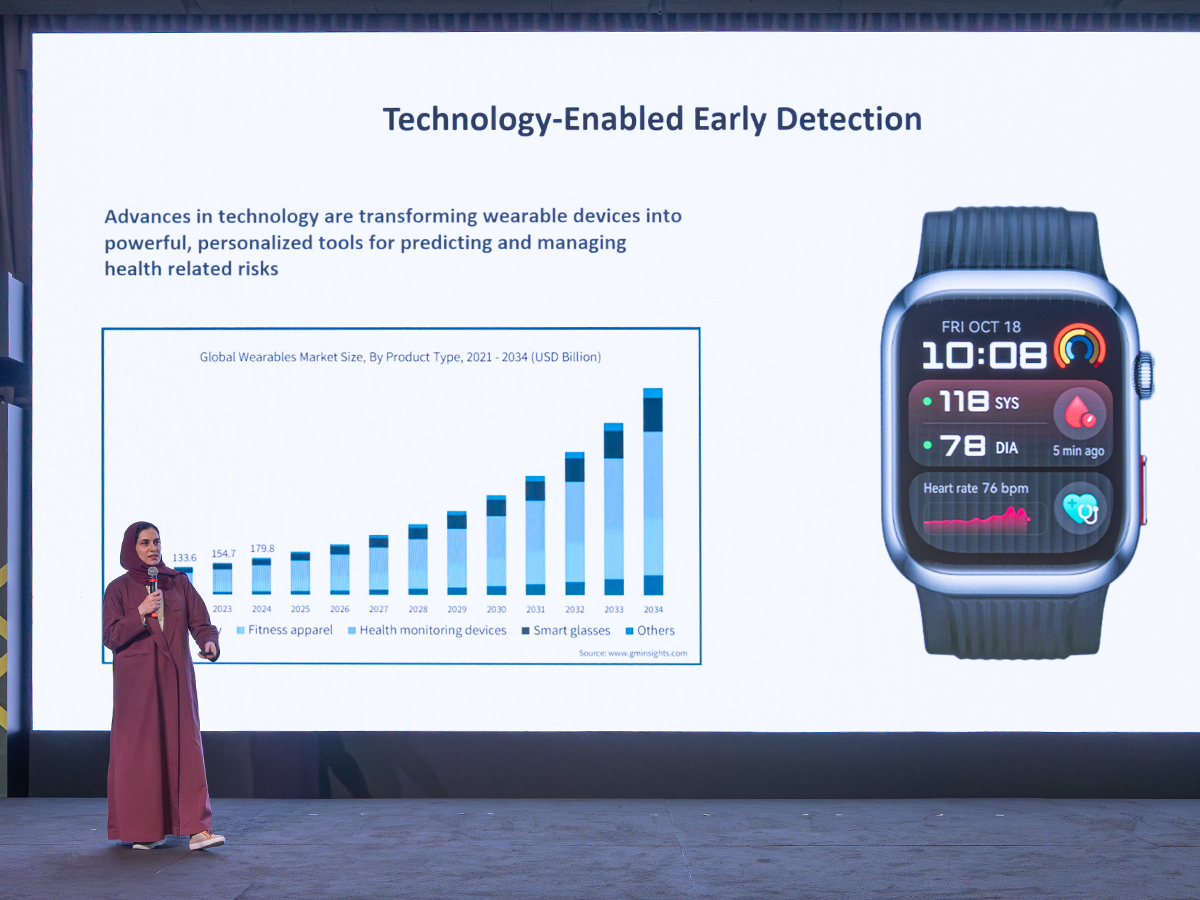
The broader context underscores why such preventive tools are gaining attention. According to data from the International Diabetes Federation, an estimated 589 million adults worldwide were living with diabetes in 2024, with nearly half remaining undiagnosed. The burden is particularly pronounced in low- and middle-income countries, while the Middle East and North Africa region continues to see some of the fastest growth rates. In the UAE alone, diabetes prevalence among adults stands at over 20 percent, highlighting the scale of the public health challenge.
Huawei cited emerging research suggesting links between diabetes and changes in resting heart rate, microvascular health, and nerve function, all of which can influence PPG signals. By combining these insights with continuous wearable monitoring, the company believes its algorithm can detect patterns associated with potential blood sugar instability, though it acknowledges the limitations of indirect measurement.
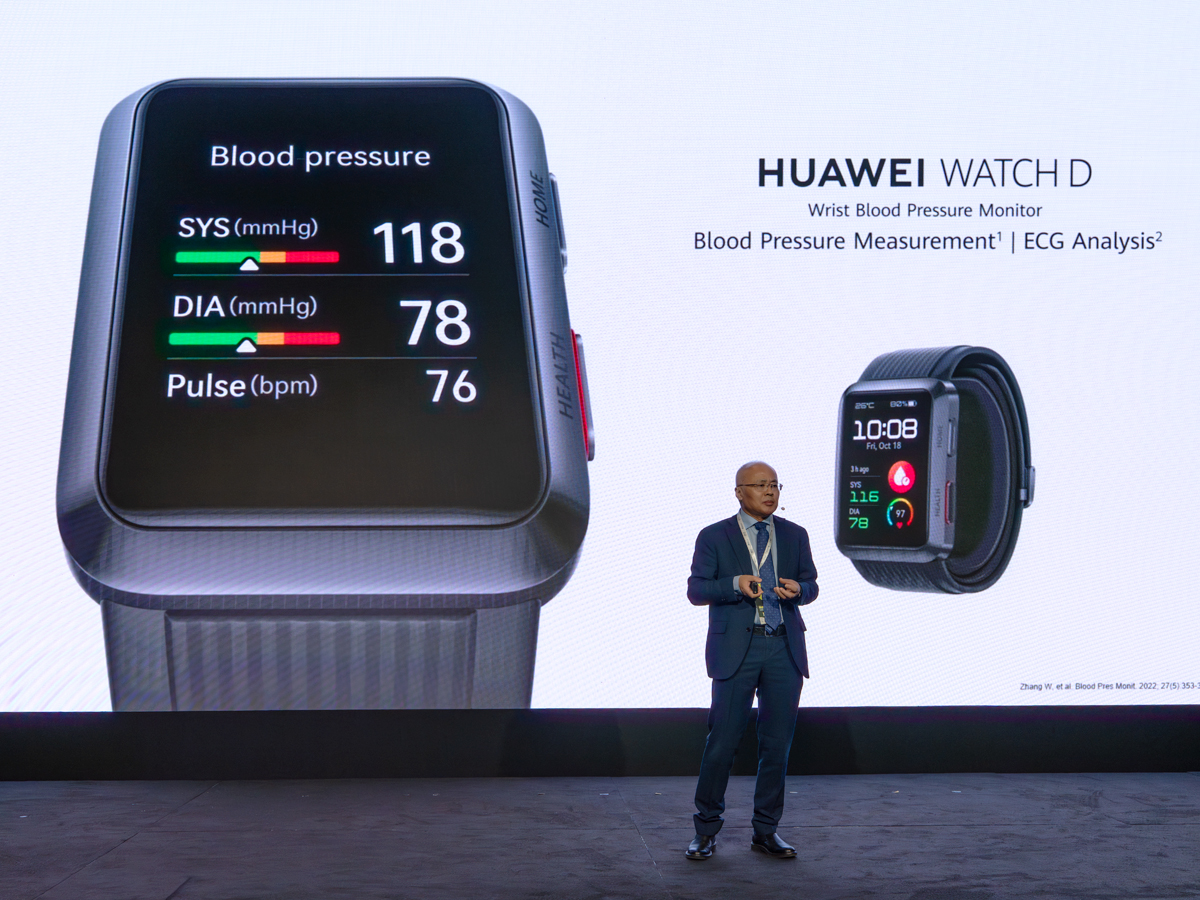
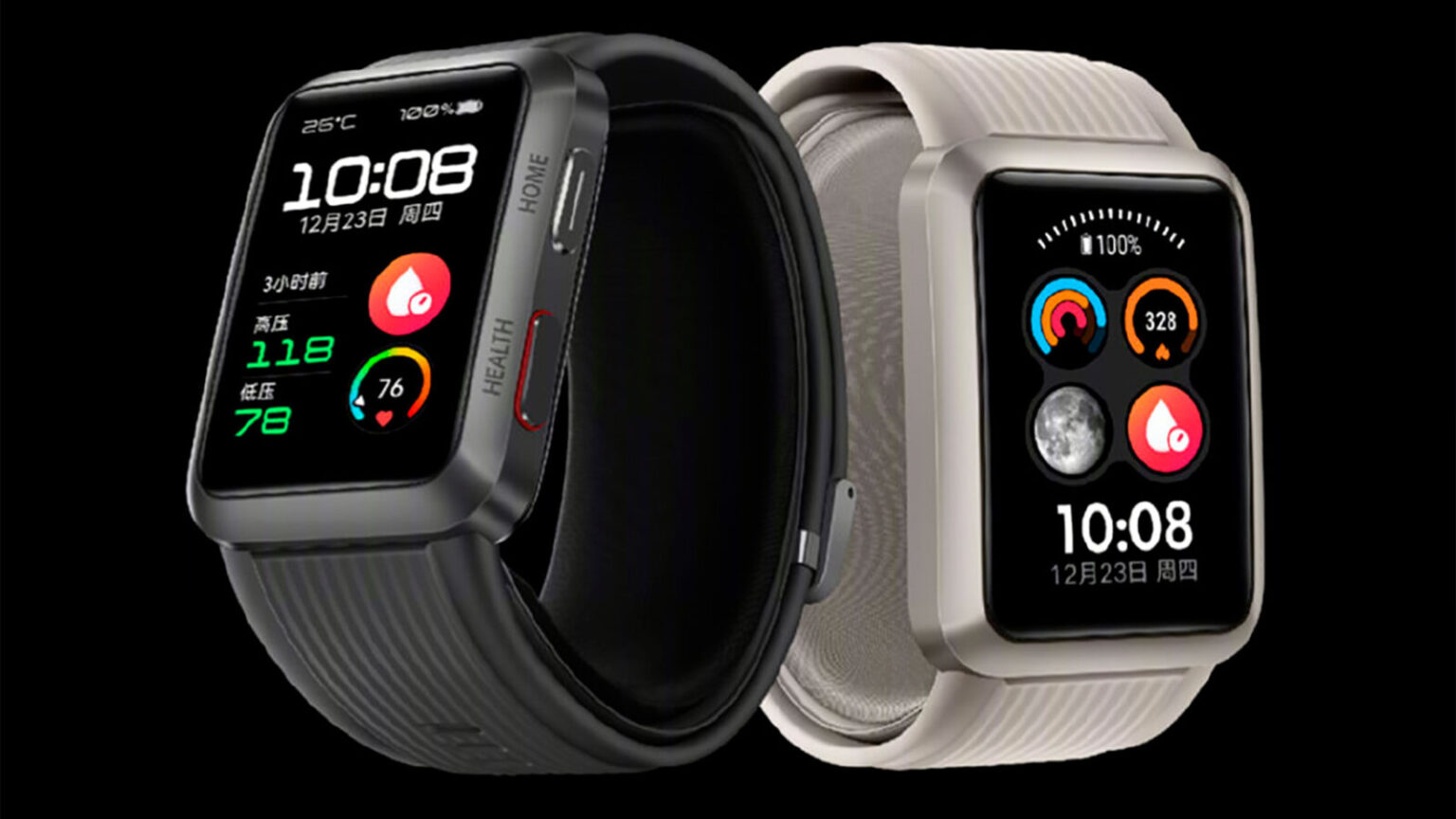
At the expo, Professor Jiguang Wang of the Shanghai Institute of Hypertension discussed the growing role of wearable PPG technology in proactive health monitoring. Wang has previously collaborated with Huawei on wearable health initiatives, including the development of its blood pressure–focused smartwatch models, and framed the new feature as part of a broader shift toward long-term health trend tracking outside clinical settings.
The diabetes risk assessment feature is already available via over-the-air update on the Huawei Watch GT 6 Pro, with expansion to additional models planned. While the company states the tool has no known side effects or contraindications, it continues to underline that professional medical diagnosis remains essential for anyone concerned about diabetes or related conditions.