
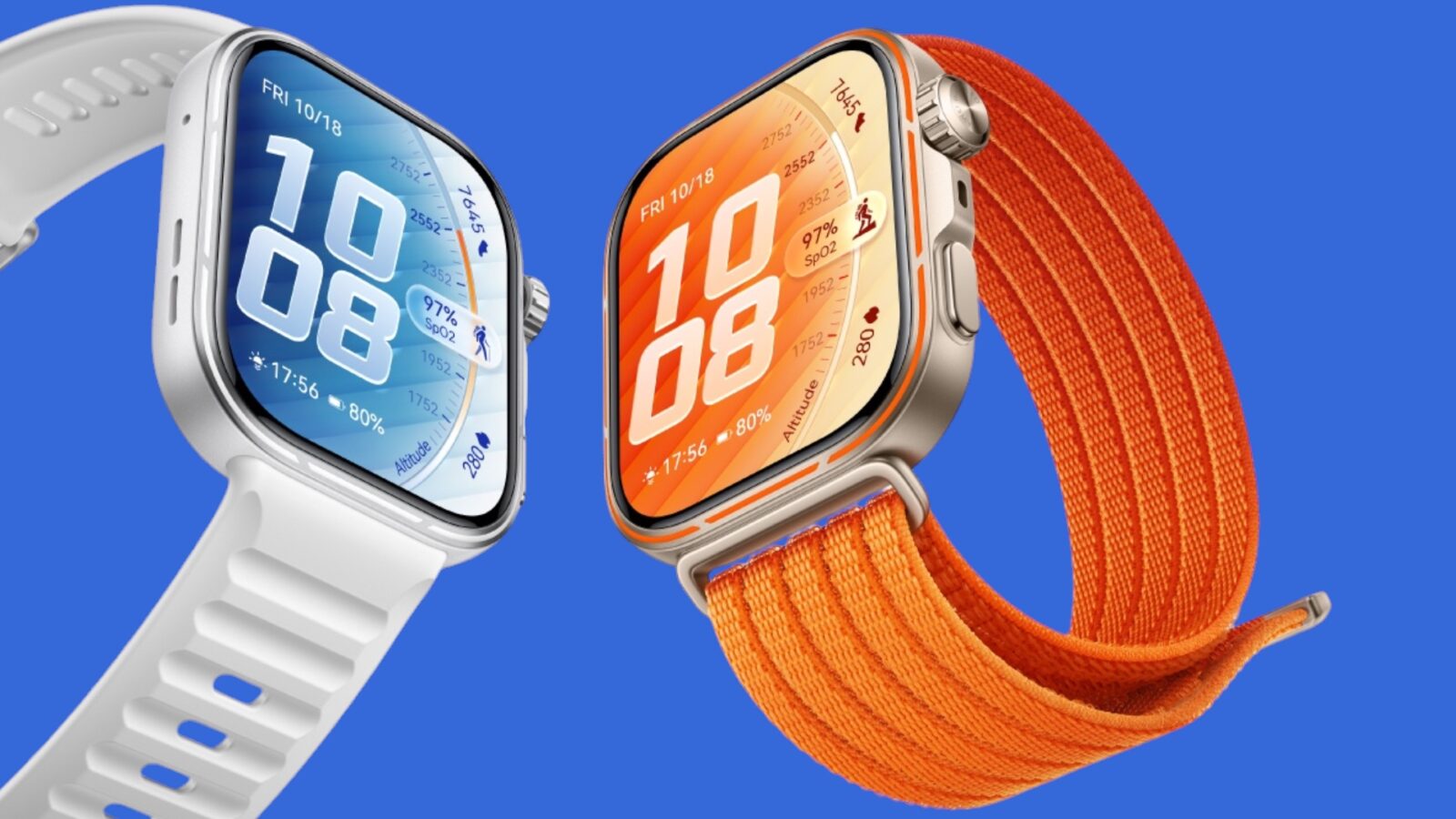
Huawei has rolled out several new devices at a global launch event held in Bangkok on May 7, 2026, expanding its lineup of wearables, smartphones, and tablets aimed at fitness tracking, everyday productivity, and family use. The event introduced the Watch Fit 5 series, the nova 15 Max smartphone, the MatePad Pro Max tablet, and the Watch Kids X1 series, each positioned to fit into Huawei’s broader connected device strategy.
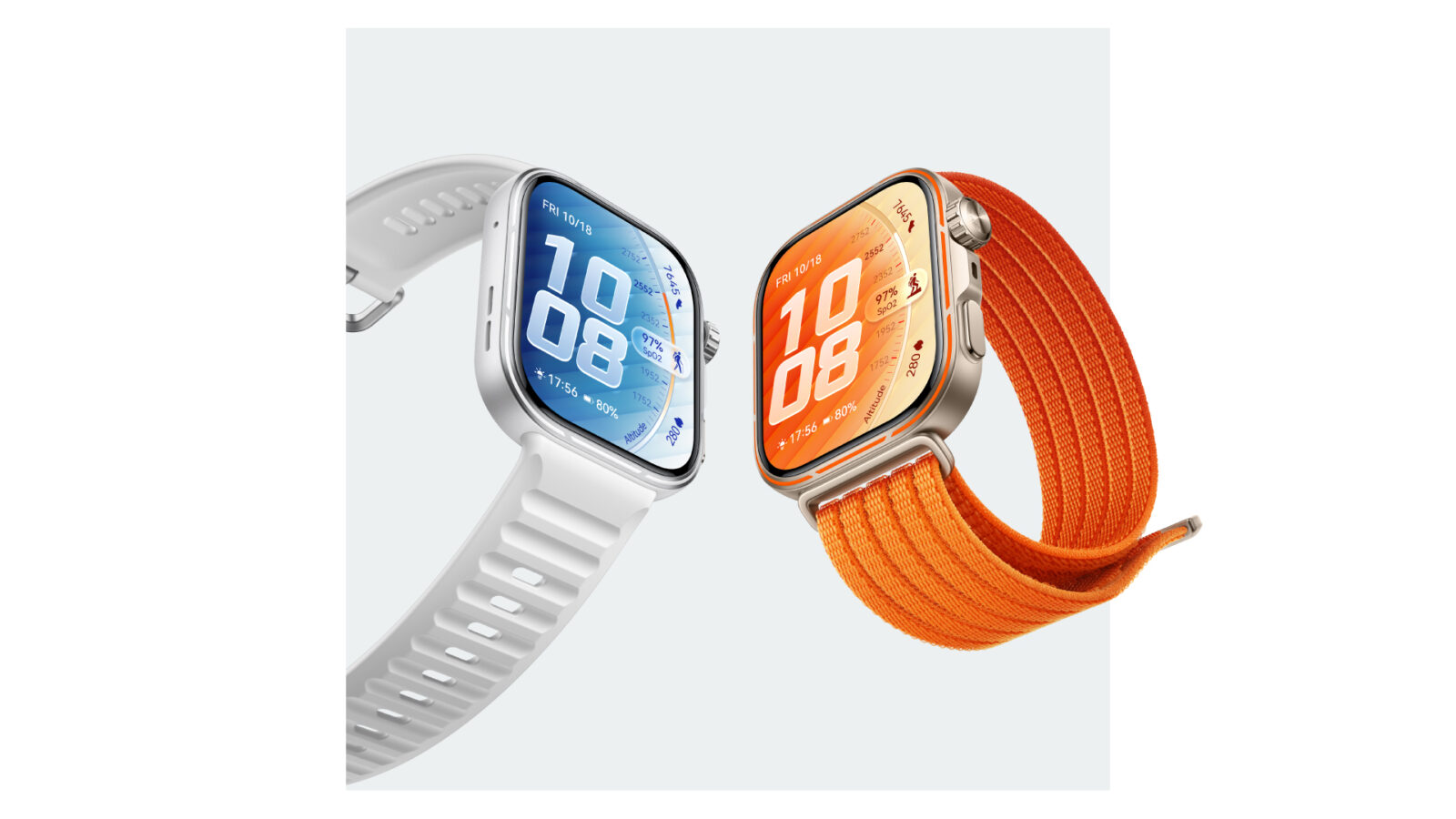
The Watch Fit 5 series keeps the square-faced design that has become familiar in the brand’s fitness-oriented watches, now updated with brighter color options. It includes guided mini-workouts and tracking for activities such as cycling, golf, trail running, and tennis. While such features have grown standard across many smartwatches, the emphasis here remains on accessible coaching and data analysis for both casual users and more serious enthusiasts.
For younger users, the Watch Kids X1 series adds a 1.82-inch AMOLED display and a 110-degree ultra-wide front camera, along with a detachable, rotatable body and basic augmented reality elements. The design appears intended to appeal to parents seeking a durable, engaging device for children that balances safety with creative play, though real-world battery life and parental controls will ultimately determine its appeal.
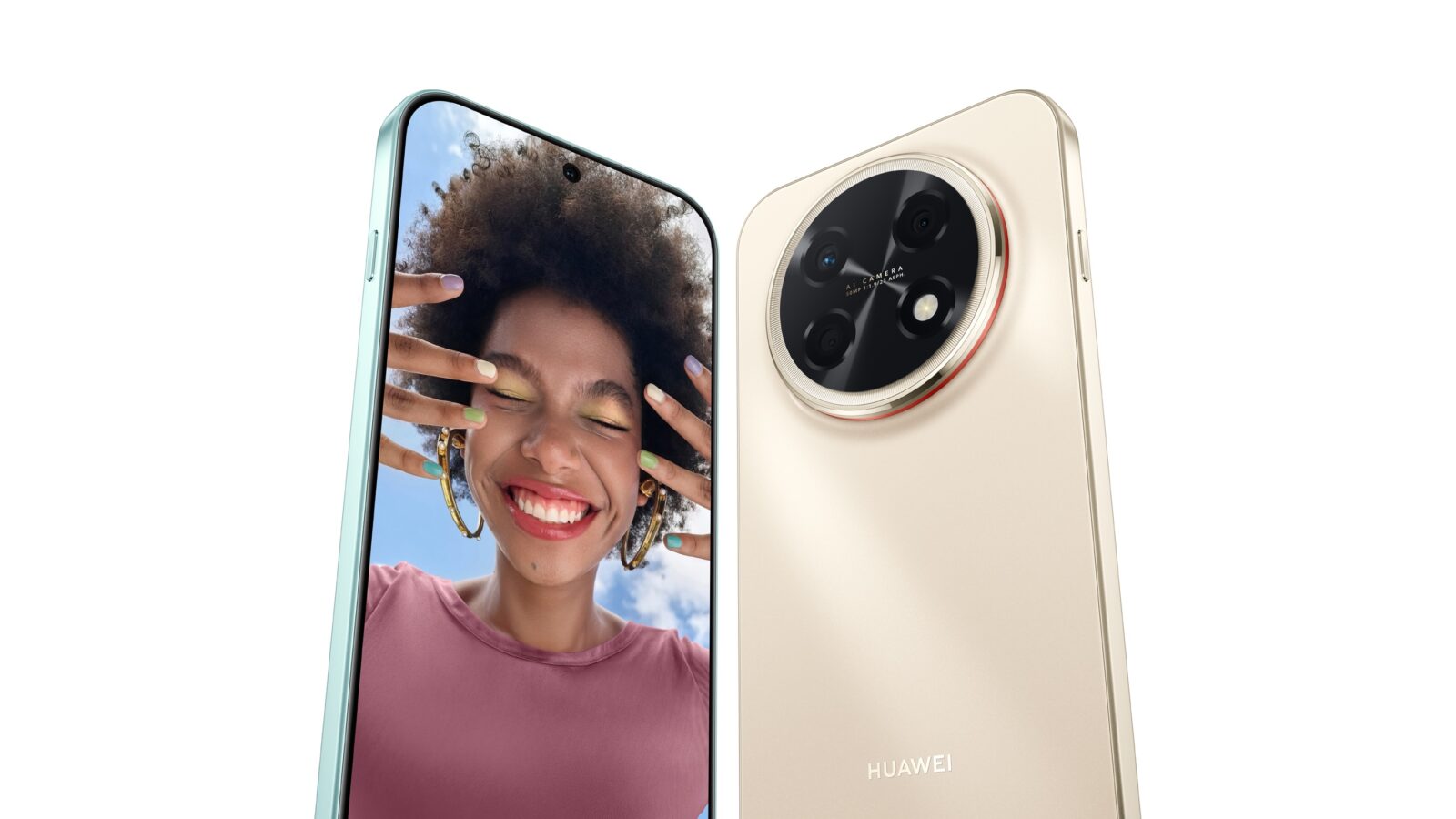
On the smartphone side, the nova 15 Max stands out primarily for its claimed 8,500 mAh battery, which Huawei says supports full-day use without frequent charging. It features a reinforced body for drop resistance, a vivid OLED screen, stereo speakers, and a 50-megapixel main camera using an RYYB sensor arrangement that promises better low-light performance. In a market where battery anxiety remains common despite incremental improvements across Android devices, this capacity is notable, though efficiency will depend on the chipset and software optimization in actual testing.
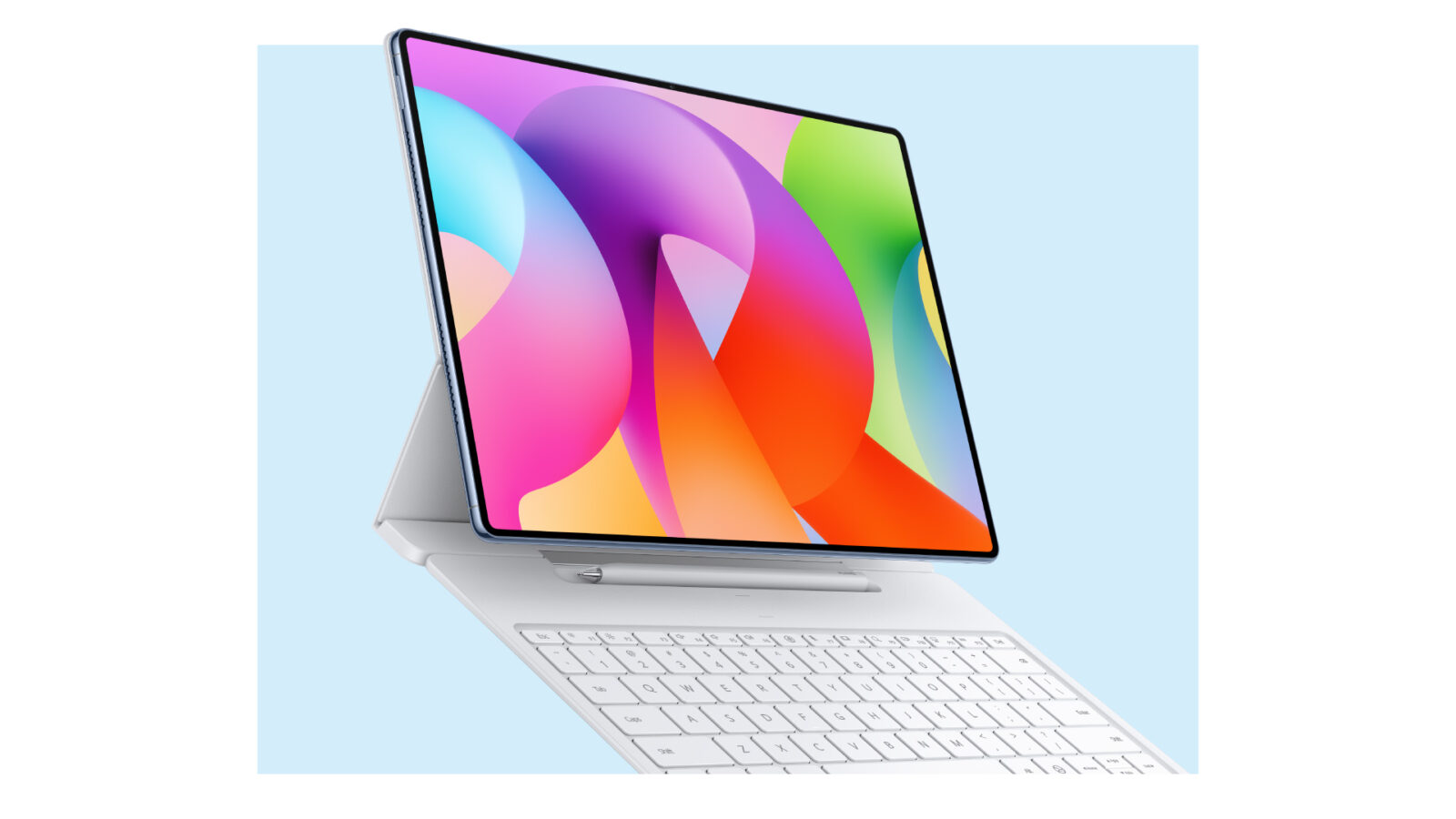
The MatePad Pro Max tablet marks Huawei’s latest push into the premium segment, arriving in an exceptionally thin 4.7-millimeter chassis weighing just 499 grams for the standard model, or 509 grams for the PaperMatte variant. A 13-inch display paired with productivity tools aims to position it as a laptop alternative for creative work and media consumption. Tablets in this size range have struggled to find a wide audience in recent years, often overshadowed by more versatile laptops or compact phones, yet Huawei continues to refine the category with lighter builds and stylus support.
Collectively, these releases reflect Huawei’s ongoing efforts to strengthen its ecosystem of devices that work together across scenarios, from health monitoring to content creation. The company, which operates in over 170 countries, has increasingly leaned on wearables and tablets as it navigates a competitive landscape shaped by geopolitical challenges and supply chain constraints. While the hardware specifications look competitive on paper, success will hinge on software polish, long-term support, and how these products compare against established players like Apple and Samsung in real user scenarios.
In many ways, the Bangkok launch continues a pattern seen in Huawei’s recent updates: steady refinement rather than radical leaps, focusing on practical improvements like battery endurance and slim designs amid broader industry trends toward lighter, longer-lasting gadgets.