

Google wrapped up its I/O 2026 keynote with the familiar focus on expanding artificial intelligence across nearly every corner of its products. While the company framed the event as ushering in an “agentic era,” the announcements largely built on existing directions rather than delivering radical departures, continuing a pattern of incremental AI integration that has defined recent developer conferences.
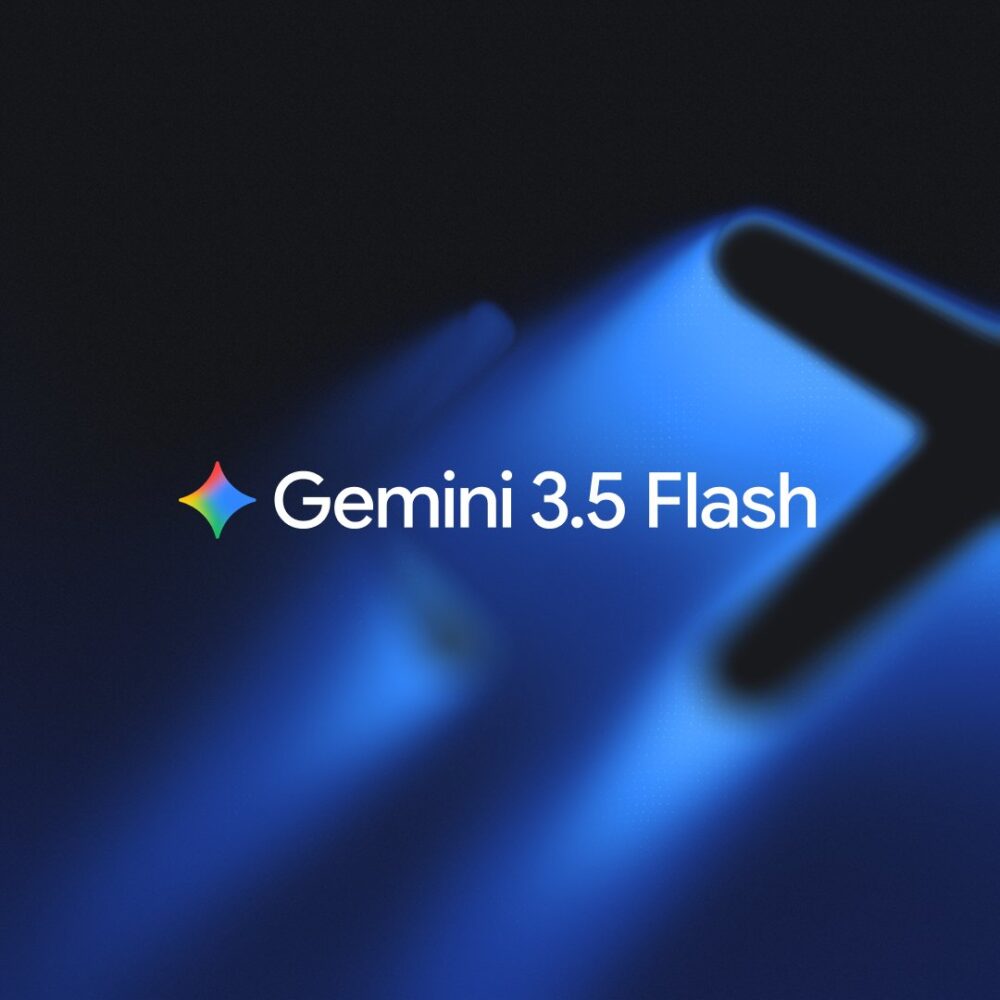
The core of the event centered on Gemini updates. Google released Gemini 3.5 Flash as the new baseline model, available immediately in the Gemini app and other services, with a fuller Gemini 3.5 Pro expected in June. The company highlighted benchmark improvements and efficiency gains, though real-world performance will ultimately matter more to everyday users. A redesigned interface and expanded voice options accompanied the rollout, alongside features like Gmail Live for spoken inbox queries and Docs Live, which attempts to turn spoken thoughts into structured documents with citations.
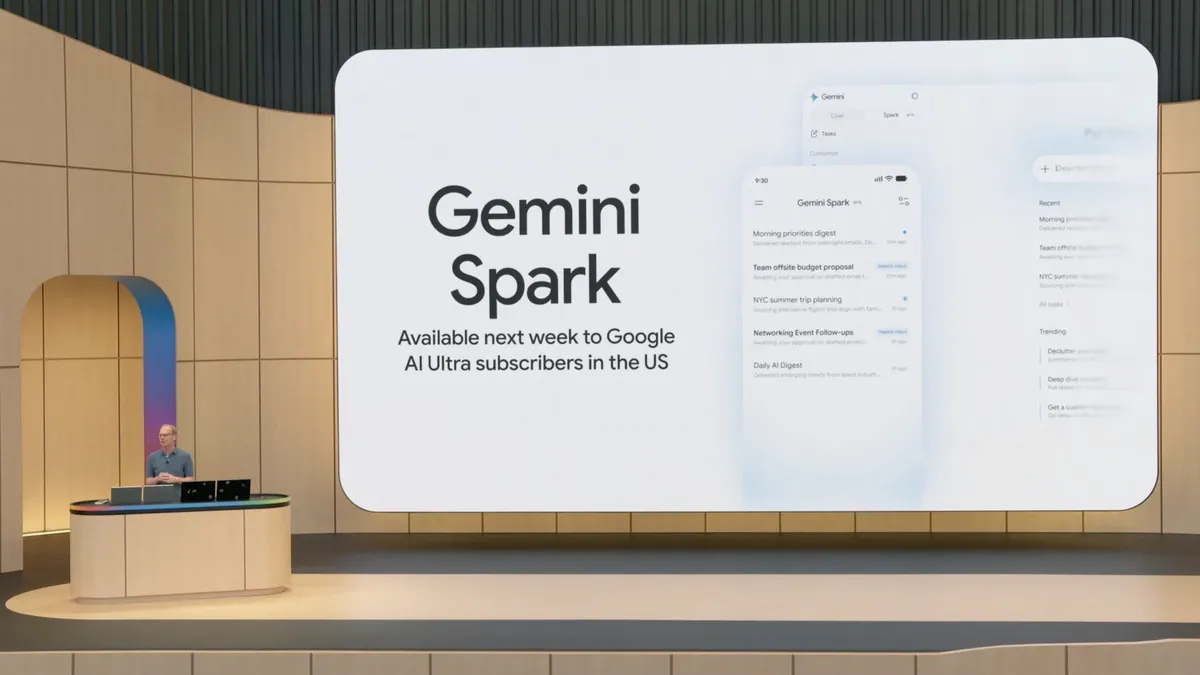
Perhaps the most notable introduction was Gemini Spark, a cloud-based agent designed to run continuously in the background. It draws from Gmail, Docs, and eventually third-party apps to handle tasks such as booking travel or managing schedules. Google positioned it as a helpful personal assistant with built-in safeguards, including spending limits that start strict and loosen over time as trust builds. The feature underscores the company’s push toward autonomous agents, yet it also revives long-standing concerns about data privacy, unintended actions, and the gradual erosion of user control in favor of convenience.
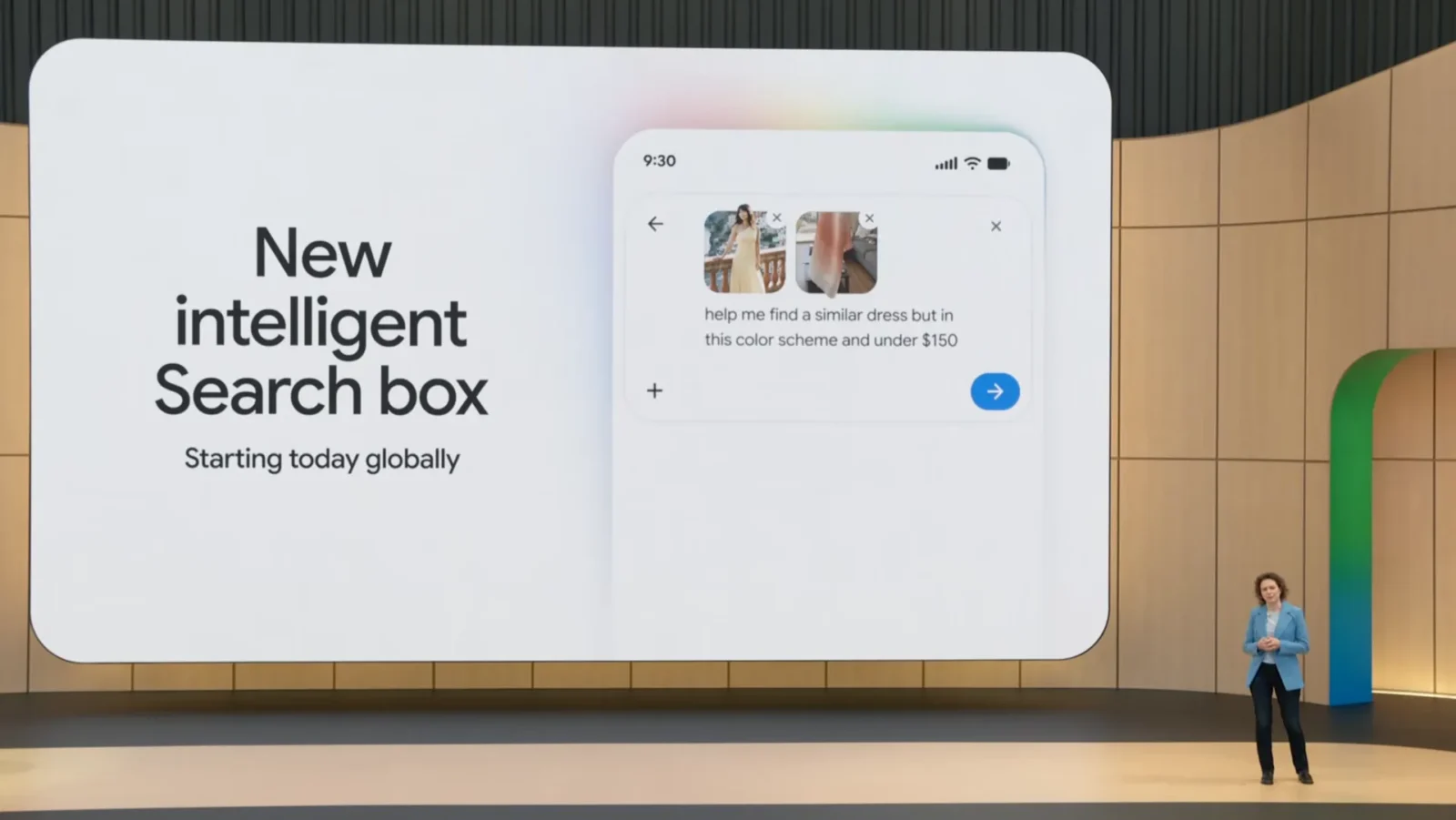
Search received another significant layer of AI enhancements. The intelligent search box now supports natural language queries, file attachments, and conversational follow-ups within AI Overviews. New search agents can monitor topics like apartment listings or product drops in the background, while shopping tools include a universal cart that aggregates items across retailers and flags price changes. These moves aim to keep users deeper within Google’s ecosystem, but they arrive against a backdrop of ongoing criticism regarding AI summaries’ impact on web publishers and traffic.
On the hardware side, Google and Samsung detailed their first Android XR audio glasses, developed with Warby Parker and Gentle Monster. Slated for release this fall, the frames prioritize a conventional look with embedded speakers, cameras, and Gemini voice integration for real-world queries and translation. Display versions remain further out. The collaboration reflects Google’s persistent efforts in wearable computing, a category that has seen limited mainstream success despite repeated attempts by multiple companies.

Additional announcements included Gemini Omni for multimodal video generation and editing, SynthID watermarking gaining broader industry adoption, and adjustments to AI subscription tiers that lowered the top plan’s entry point to around $100 per month. These changes make advanced access more attainable for power users, though the shift toward compute-based limits rather than per-prompt counting reveals the growing resource demands of these systems.
Overall, I/O 2026 reinforced Google’s commitment to embedding agents throughout search, productivity, shopping, and hardware. The practical value for average users remains to be seen once features roll out, particularly as questions around accuracy, transparency, and the broader effects on digital labor and information flow continue to mount.