
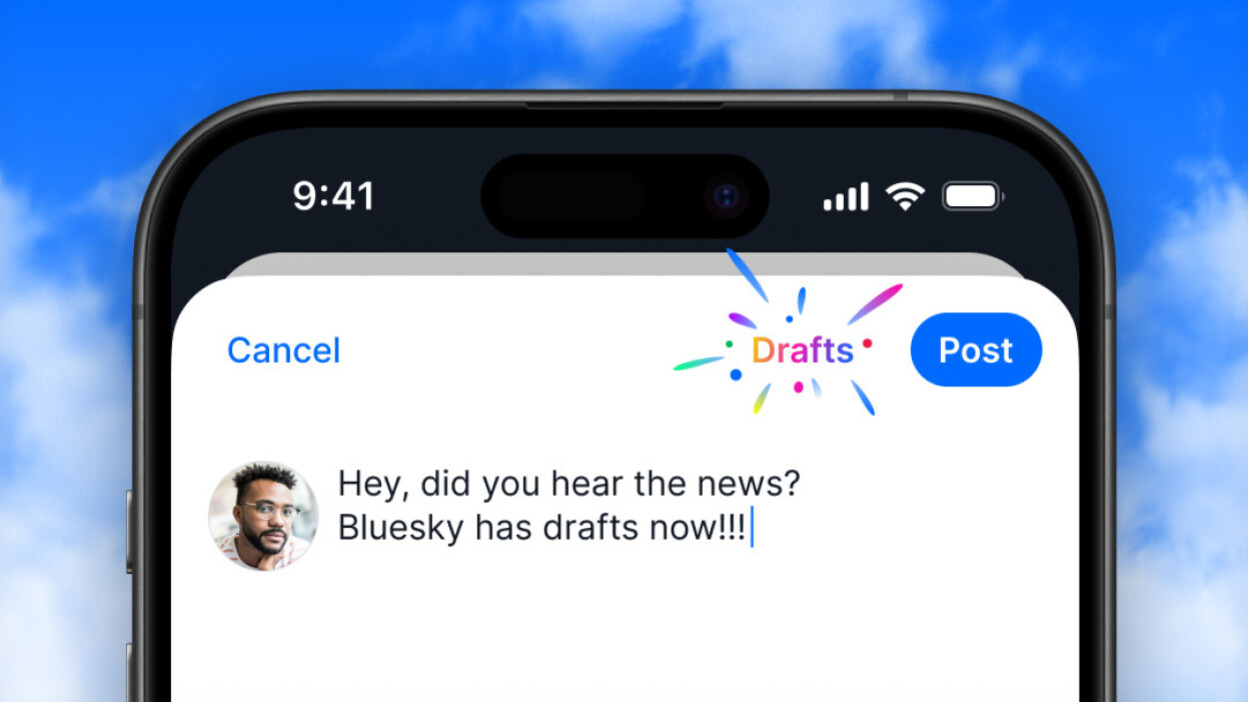
Bluesky has started rolling out a drafts feature, addressing one of the most commonly requested gaps since the platform began attracting users away from X. The update is relatively straightforward, but it fills a practical need that many people associate with earlier versions of Twitter, particularly during its more stable years.
Drafts are now available for individual posts as well as multi-post threads. Creating one doesn’t require learning a new workflow. Users simply begin writing a post and, instead of publishing it, choose to cancel and save it as a draft. Those drafts remain accessible later from the post composer, where a drafts option appears before any new text is entered. From there, users can open a saved draft to continue editing or discard it entirely. Threads created using the platform’s built-in tools can also be saved in this way, which makes it easier to plan longer posts without committing to publishing them immediately.
While this addition may seem minor, drafts tend to shape how people use a social platform. They serve as a safety net when a connection drops mid-post, but they also function as a pause button. For many users, drafts are less about convenience and more about restraint, allowing time to reconsider wording, tone, or whether something needs to be posted at all. On platforms with tight character limits and fast-moving conversations, that delay can make a noticeable difference in how discussions unfold.
Drafts also carry a certain cultural weight. On Twitter, it was common for users to share screenshots of draft folders as a way of showing abandoned ideas or half-formed thoughts that never made it public. That behavior never really translated to Bluesky, largely because the underlying feature didn’t exist. With drafts now supported, it’s likely that some of that familiar behavior will resurface, though whether it becomes part of Bluesky’s own culture remains to be seen.
The rollout does not address other frequently requested features. An edit button remains absent, and Bluesky staff have previously cited both technical and ethical concerns around implementing post edits in a decentralized system. Direct messages are another area where users continue to ask for improvement. For now, third-party tools attempt to fill some of these gaps, but they often introduce formatting issues or limitations that an official solution would avoid.
As Bluesky continues to evolve, the addition of drafts suggests a focus on basic usability rather than headline-grabbing changes. It’s a small update, but one that aligns the platform more closely with established social posting habits and removes a point of friction for users who have already made the switch.