

Apple is expanding its suite of accessibility tools across devices this year, introducing new software updates aimed at improving usability for people with a range of disabilities. The upcoming changes, which span iPhone, iPad, Mac, Apple Watch, and Apple Vision Pro, include enhancements to existing features as well as entirely new tools focused on vision, hearing, mobility, and cognitive support.
One notable addition is the introduction of Accessibility Nutrition Labels to the App Store. These labels will appear on app product pages, allowing users to quickly see which accessibility features—such as VoiceOver, Voice Control, text scaling, and captioning—are supported before downloading. This move provides a more transparent experience for users who rely on assistive technology and gives developers clearer guidance on how to disclose accessibility capabilities.
Another major update brings the Magnifier app to Mac, offering users with low vision the ability to zoom in on physical environments using the Mac’s camera or connected devices like iPhones and USB webcams. With options for brightness, contrast, and custom views, the tool is designed to support a wide range of visual needs. It also integrates with Accessibility Reader, a new feature that converts real-world text into a format tailored for easier reading.
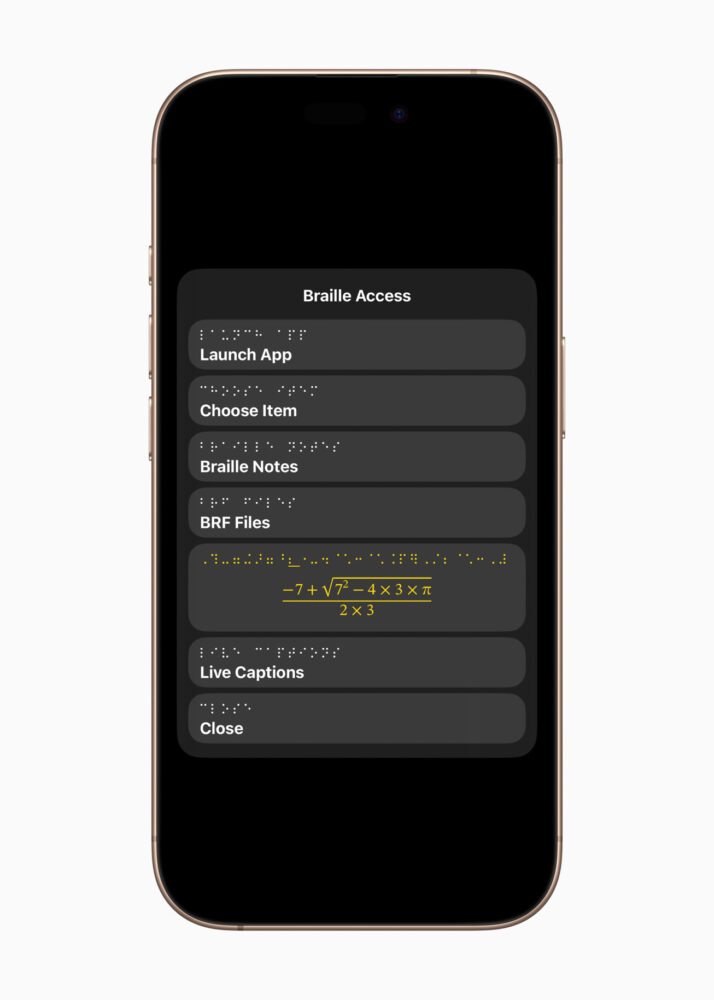
Apple is also rolling out Braille Access, a new toolset designed for braille users that turns Apple devices into full-featured note-taking and productivity platforms. With support for Nemeth Braille, BRF file access, and real-time captioning integration, the update aims to reduce reliance on specialized third-party devices.
For users with dyslexia or other reading challenges, Accessibility Reader provides systemwide text formatting options, including customizable fonts, colors, and spacing. Built into the Magnifier app and available across major Apple platforms, it’s designed to make both digital and physical text easier to consume.
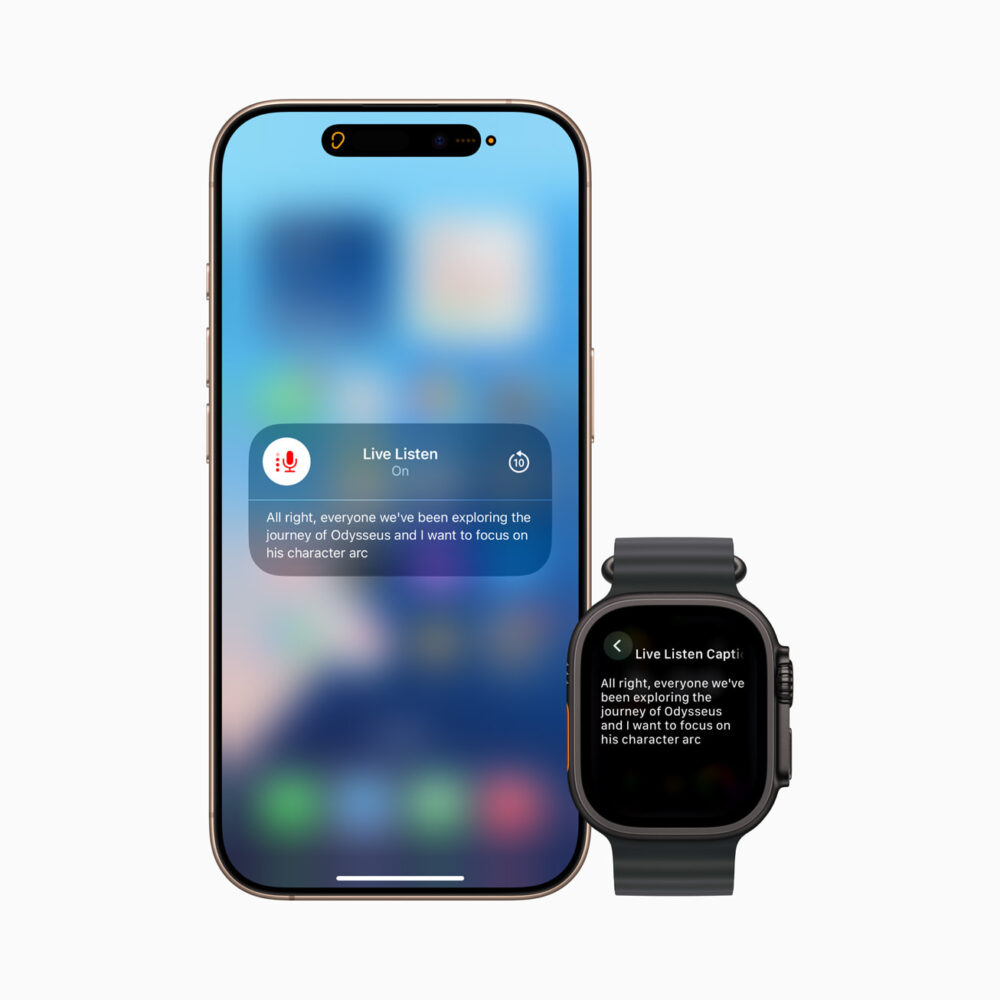
Additional enhancements include real-time Live Captions now viewable on Apple Watch, updates to Live Listen, and expanded support for hearing aids and audio accessories. Apple Vision Pro receives upgrades to its visionOS, allowing improved magnification and object recognition using its camera system. A new API will also open up access for apps like Be My Eyes to deliver hands-free assistance.
Meanwhile, background features like Personal Voice—which lets users create a synthesized version of their voice—are becoming faster and more natural-sounding. The tool now requires just 10 phrases to generate a custom voice and adds support for new languages, including Spanish (Mexico).
Support for mobility and cognitive needs is also growing. Eye Tracking and Head Tracking now enable more precise control of iPhones and iPads. Apple is also introducing support for Brain Computer Interfaces through Switch Control—a move that aligns with emerging assistive technologies. Music Haptics, Sound Recognition, and enhancements to Voice Control round out a list of updates that span both software functionality and hardware integration.
On the cultural side, Apple is using its media platforms to spotlight stories from the disability community. From curated collections on Apple Books and Apple Podcasts to a new documentary on Apple TV+—Deaf President Now!—the company is emphasizing representation in its content and services.
While many of the features aren’t groundbreaking in isolation, the scale of integration across devices makes this round of updates notable. By embedding accessibility deeper into the core OS rather than treating it as an optional add-on, Apple continues to align its product development with a broader accessibility-first approach. Still, the real test will be in how well these tools perform in day-to-day usage and whether they address the diverse and evolving needs of disabled users worldwide.