

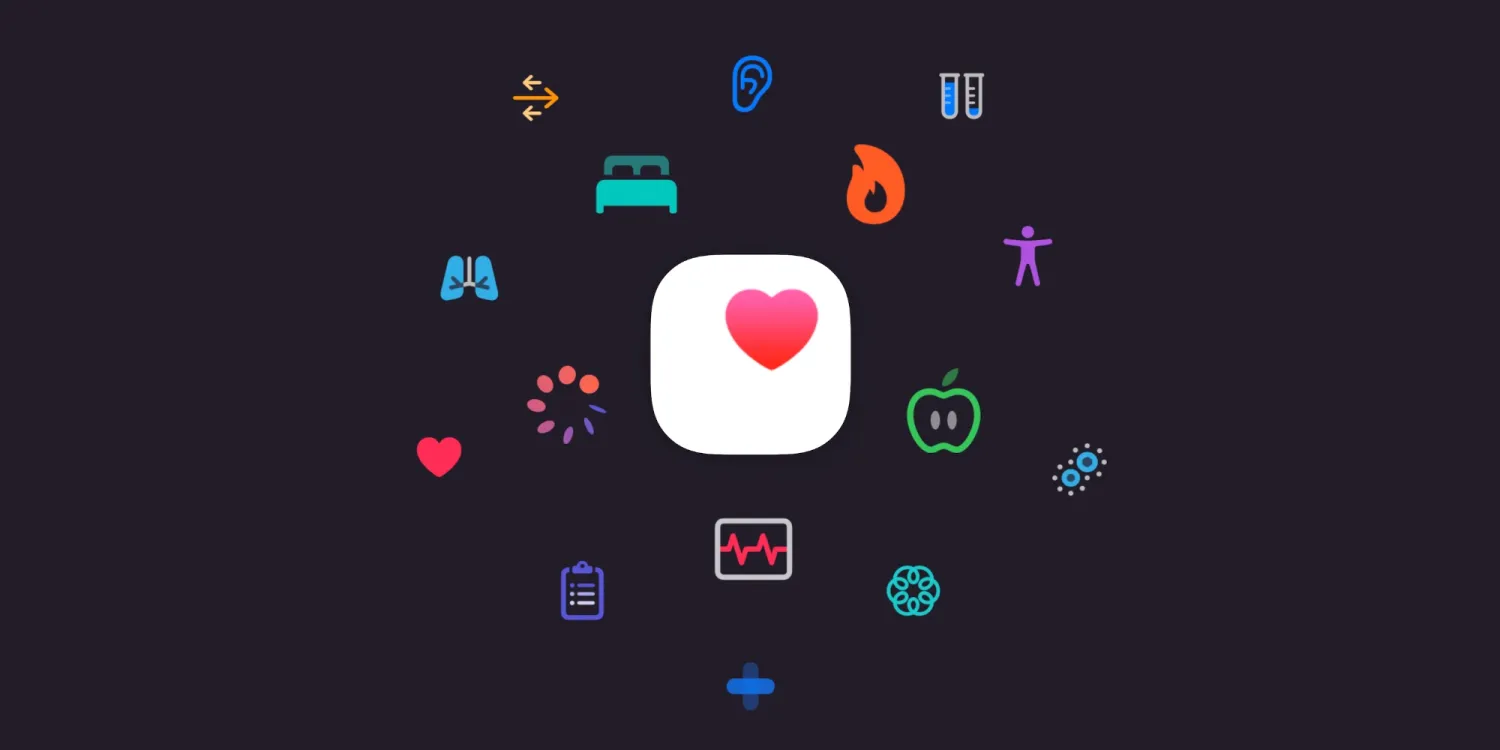
Apple is preparing a substantial update to its Health app later this year, according to a steady stream of reports that have outlined changes to both design and functionality. The planned overhaul, expected to arrive with iOS 26.4, reflects the company’s continued effort to make health tracking a more central part of the iPhone experience rather than a secondary utility users visit occasionally.
Health has long been positioned internally as a strategic area for Apple, a point reinforced publicly by Tim Cook, who has described health-related work as one of the company’s most meaningful long-term contributions. The upcoming Health app refresh appears to align with that framing, focusing less on flashy additions and more on expanding practical use cases while simplifying how users interact with their data.
One of the most visible changes is expected to be a redesigned interface. Reporting suggests Apple will introduce a new category layout alongside simplified metric logging, addressing long-standing complaints that the Health app can feel cluttered or unintuitive as more data types are added. While details remain limited, the emphasis appears to be on reducing friction for everyday use, particularly for people who track only a handful of metrics rather than a full health profile.
Food tracking is another area where Apple is expected to expand meaningfully. Until now, the Health app has supported basic nutrition inputs, but it has largely avoided direct competition with dedicated calorie-tracking services. The revised app is reportedly set to change that, offering built-in meal tracking designed to support weight management and dietary awareness. This move would place Apple more directly alongside apps like MyFitnessPal, though the company’s approach is likely to remain integrated and system-level rather than socially driven or community-focused.
Apple is also working on health-focused video content that would sit alongside existing services such as Apple Fitness+. The videos, created with input from medical professionals including sleep specialists, nutritionists, and mental health experts, would be designed to offer guidance based on trends detected in a user’s Health data. Rather than general wellness programming, the goal appears to be contextual education tied to individual patterns.
An AI-driven health agent is also in development. This feature would analyze data collected across Apple devices to generate recommendations, including nutritional guidance. There are indications that future versions could incorporate camera-based feedback during workouts, offering form suggestions in real time. While similar capabilities exist elsewhere, Apple’s version would be tightly integrated with its hardware ecosystem.
Taken together, the Health app update in iOS 26.4 looks less like a single headline feature and more like a structural shift. If it arrives as described, the app may become a more active participant in users’ daily routines rather than a passive data repository.