

TL;DR: Netflix’s “Michael Jackson: The Verdict” delivers a nuanced, compelling look at the 2005 trial that goes beyond courtroom drama to dissect media frenzy, public obsession, and the lasting impact on all involved. Smartly directed and richly detailed, it’s essential viewing that challenges viewers to think critically about fame, justice, and legacy without offering simple answers. Highly recommended for music fans and true-crime enthusiasts alike.
Michael Jackson: The Verdict
Netflix’s latest deep dive into the Michael Jackson saga arrives at a fascinating cultural moment. Two decades after the 2005 trial that captivated the world, “Michael Jackson: The Verdict” doesn’t just revisit old headlines or rehash courtroom drama. Instead, it pulls back the curtain on something far more uncomfortable: our own insatiable hunger for celebrity downfall stories and the way public opinion often hijacks the scales of justice. As someone who grew up blasting “Thriller” on repeat and still gets chills from the opening synths of “Beat It,” watching this three-episode series felt like stepping back into a whirlwind I thought I understood, only to realize how much nuance had been lost in the tabloid noise. Director Nick Green crafts a narrative that feels less like a straightforward documentary and more like a psychological thriller about fame itself, where the real defendant isn’t just Jackson but the society that built him up and tore him down with equal fervor.
The series wastes no time plunging viewers into the surreal world of Neverland Ranch during that fateful 2003 raid. Those never-before-seen footage snippets of law enforcement officers methodically searching through bedrooms filled with dolls, hidden passages, and endless memorabilia paint a picture of an eccentric genius whose private sanctuary became a battleground for public scrutiny. It’s haunting to witness how a place meant for whimsy and escape transformed into evidence central for accusations that would shadow Jackson’s legacy forever. What strikes me most is how Green uses these visuals not to sensationalize but to humanize the chaos, reminding us that behind the King of Pop’s larger-than-life persona was a man whose boundaries between fantasy and reality had blurred long before the cameras arrived. This opening sequence sets a tone of unease that lingers throughout, forcing you to question everything you thought you knew about the case while drawing uncomfortable parallels to modern cancel culture witch hunts.
The Bashir Bombshell That Lit the Fuse
Martin Bashir’s “Living With Michael Jackson” emerges as the true catalyst in this story, a documentary that started as an image-rehabilitation attempt but exploded into career-defining controversy. Jackson, still reeling from the 1993 settlement with the Chandler family, invited the journalist into his world hoping to showcase his innocence and childlike wonder. Instead, those infamous hand-holding scenes and casual admissions about sharing beds with young boys became ammunition for a media firestorm that made the O.J. Simpson trial look tame by comparison. What’s brilliant about the docuseries’ handling of this is how it explores Bashir’s own recollections without letting anyone off the hook easily. You feel the tension between Jackson’s trusting vulnerability and the calculated editing that turned intimate moments into damning soundbites.
As a lifelong MJ fan who remembers the exact moment those clips hit the airwaves, revisiting this through fresh interviews with key players like investigative journalist Diane Dimond and former publicist Raymone Bain feels both nostalgic and profoundly sad. The series excels at showing how Jackson’s eccentricities, which once fueled his mythic status, became liabilities in a court of public opinion that had already convicted him years earlier. It makes you wonder: in our current era of viral clips and social media pile-ons, would a figure as singular as Michael Jackson even survive the initial wave of judgment today? The docuseries doesn’t provide easy answers, but it forces you to grapple with the cost of genius and the price of constant performance.
The Courtroom Circus: Strategy, Spectacle, and Shifting Perceptions
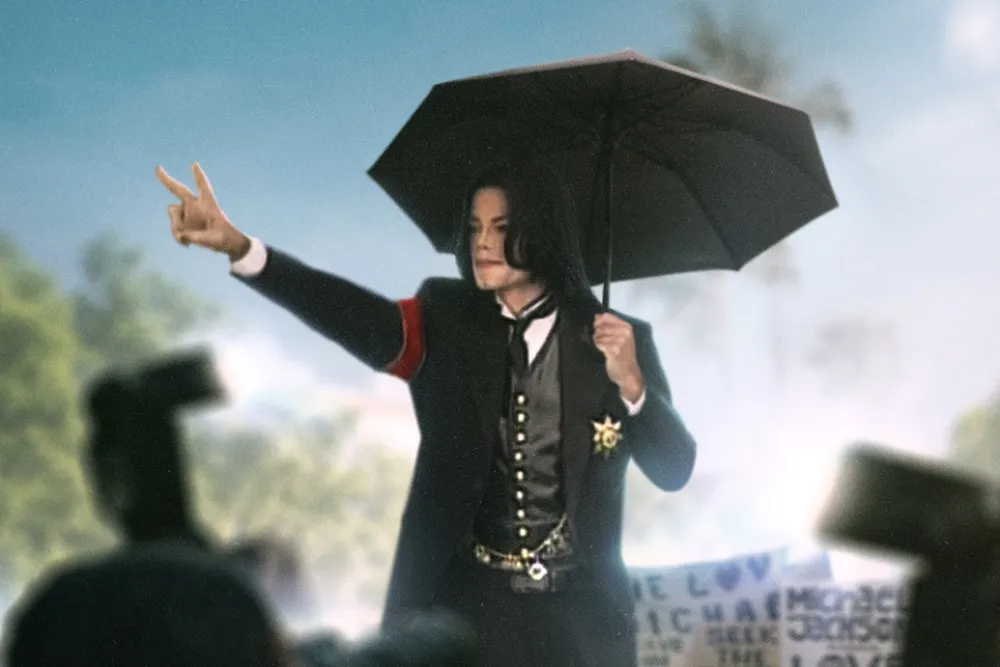
Stepping into the trial itself through archival footage, juror testimonies, and insider perspectives reveals a legal battle that was as much about narrative control as it was about evidence. Prosecutor Ron Zonen and defense attorney Mark Geragos become fascinating characters in their own right, with the series meticulously unpacking how both sides navigated a media landscape that turned the Santa Barbara courthouse into a global circus. No cameras were allowed inside, yet the docuseries reconstructs the emotional temperature of those months with remarkable clarity, drawing from notes, interviews, and contemporary reporting to create a vivid sense of what it must have felt like to sit in that room day after day.
What elevates “Michael Jackson: The Verdict” beyond typical true-crime fare is its willingness to examine how celebrity privilege and public prejudice collided in unpredictable ways. Jackson’s acquittal didn’t come from overwhelming proof of innocence in the court’s eyes so much as from a prosecution that struggled under the weight of reasonable doubt and a defense that brilliantly humanized their client’s peculiarities. Jurors share memories that humanize the process, revealing how everyday people tried to separate fact from frenzy while megafans camped outside like it was a rock concert. This section of the series left me reflecting on similar high-profile cases, from Johnny Depp’s defamation trial to more recent pop culture reckonings, where the line between victim and villain often depends on who controls the story.
Our Obsession With Celebrity Downfalls and the Children Left Behind
The most compelling thread running through the entire docuseries isn’t the legal minutiae but what it reveals about collective human behavior when confronted with a superstar’s potential flaws. We love building myths around artists like Jackson, celebrating their otherworldly talent while secretly resenting the freedom their success grants them. The series captures how preconceived notions about the “Wacko Jacko” persona influenced everything from jury selection to daily news coverage, turning a serious trial into entertainment for the masses.
Green’s direction shines brightest when connecting the 2005 events to our present-day fascination with Jackson’s enduring legacy, especially amid the recent biopic buzz. It’s a reminder that while the music remains timeless, the questions surrounding his personal life continue to divide fans, critics, and casual observers. The docuseries handles the allegations with appropriate gravity, emphasizing that the real tragedy extends beyond any verdict to the children caught in the crossfire of adult ambitions and broken systems. This thoughtful approach avoids both blind defense and easy condemnation, instead inviting viewers to sit with the complexity.
Watching “Michael Jackson: The Verdict” feels like participating in a larger conversation about how we consume fame in the streaming age. The production values are top-notch, with seamless editing that weaves together decades-old footage with modern reflections, creating an immersive experience that respects the intelligence of its audience. For those who’ve followed Jackson’s story through the years, it offers new layers and perspectives that challenge long-held assumptions. Even newcomers will find themselves drawn into the emotional gravity of a man whose life played out like an epic tragedy on the world stage.
Verdict
“Michael Jackson: The Verdict” stands as a powerful, thought-provoking exploration of fame’s double-edged sword and society’s complicated relationship with its icons. It transcends typical documentary storytelling by forcing us to examine our own biases and the media machinery that shapes public perception. While it won’t settle the endless debates surrounding Michael Jackson, it provides essential context and humanity to a story too often reduced to sensational headlines. This is must-watch television for anyone interested in celebrity culture, justice systems, or the enduring power of music to outlast personal controversy.